
Details for Normandy




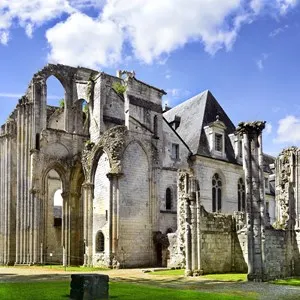
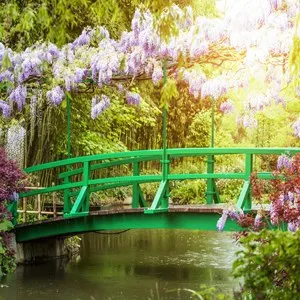
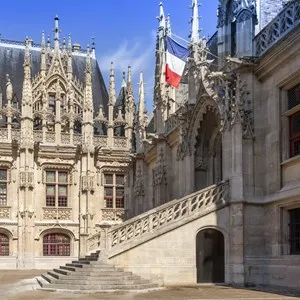
With a history dating way back, “the city of a hundred spires” is an old settlement that saw its most prosperous days during the Middle Ages. This is not only where the famous author Gustave Flaubert lived, but also the city where Joan of Arc was convicted and burnt at the stake in 1431. Rich in art and history, Rouen today has approximately 500,000 Rouennais living in the city and urban area. Because of all the students living here, the city remains lively both day and night. The countryside offers an even more relaxing atmosphere; Rouen and the surroundings are full of history and places to discover. With Paris only a 90 minute drive away, it's easy to come here for a short trip even if you chose the French capital as your main base. If you choose to explore the surrounding areas, there are many daily excursions to go on. You can visit Monet’s home in Giverny, which is one example of a popular attraction outside the city. Another interesting site is Jumièges Abbey, the ruins of a Benedict monastery, that can be found in Jumièges.
Rouen: 111,000 Urban area: approximately 500,000
Euro (EUR) €1 = 100 cents
Police: 17
Ambulance: 15/112
Fire Brigade: 18
Shops are generally open all day from Monday to Saturday between 8/9am-6.30/7.30pm. Smaller shops are open from Tuesday to Saturday and close for lunch between 12.30pm-2pm.































The best time to visit Normandy is during the late spring (May to June) and early fall (September to October). During these months, the weather is generally mild, and the region is less crowded than in the peak summer months. This is also when the landscapes are lush and vibrant, and many local festivals take place.
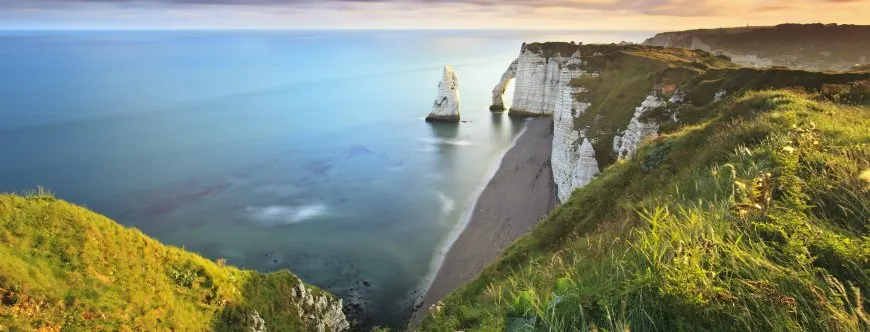
A visit to Normandy typically requires at least three to four days to fully appreciate its diverse attractions. This allows time to explore the D-Day beaches, the historic town of Bayeux, and the iconic Mont-Saint-Michel. Additional days can be spent enjoying the scenic countryside and charming coastal towns like Honfleur and Étretat.
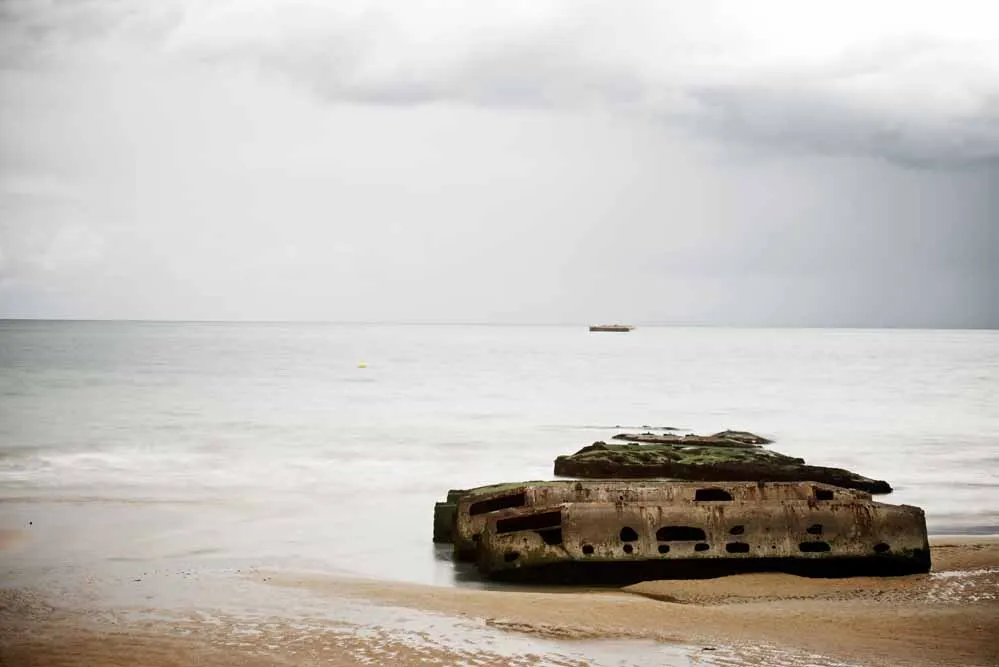
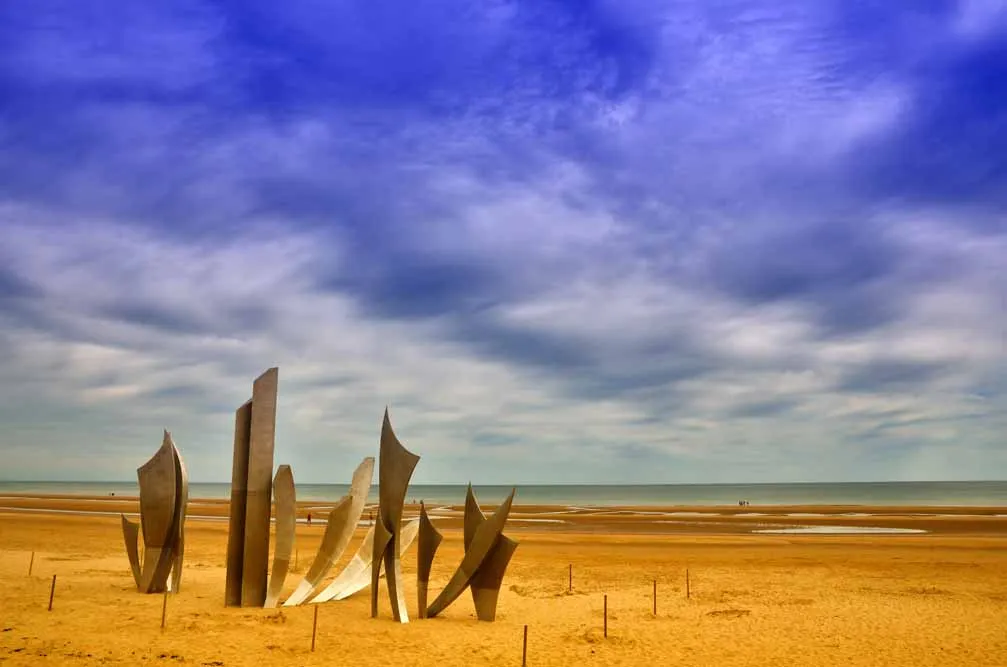
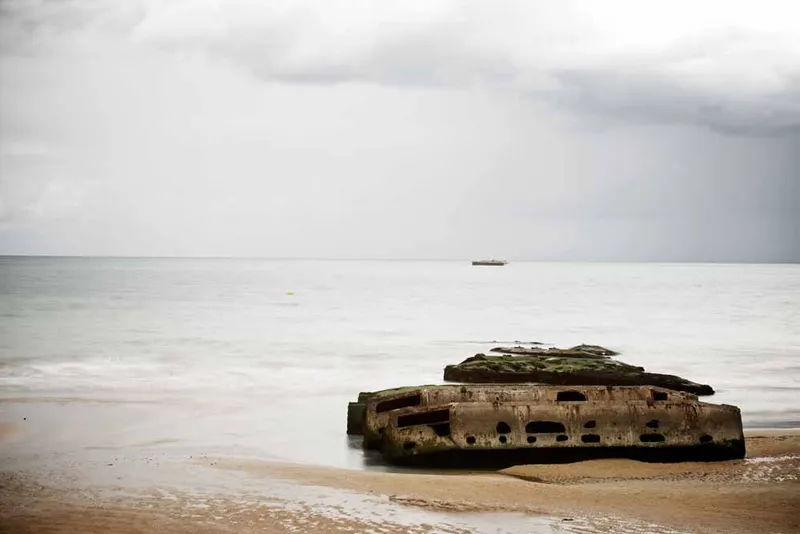
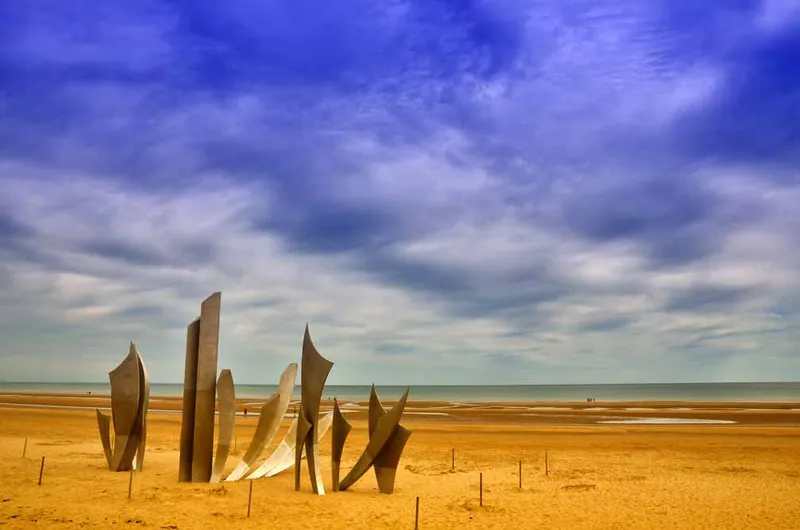
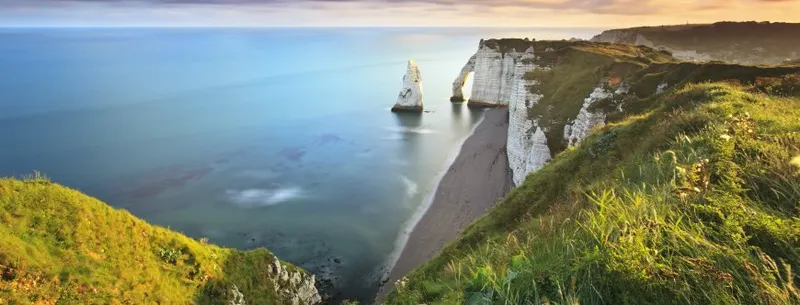
Normandy is home to several iconic landmarks. The D-Day landing beaches are a poignant reminder of World War II history. Mont-Saint-Michel, a stunning island commune, is a UNESCO World Heritage site. The Bayeux Tapestry, an 11th-century masterpiece, is also a must-see. Don't miss the picturesque cliffs of Étretat and the charming port town of Honfleur.
The best way to explore Normandy is by car, which offers flexibility to visit rural areas and smaller towns. The region is well-connected by roads, and rental cars are readily available. Alternatively, trains connect major towns like Caen and Rouen, and local buses can be used for shorter distances. Guided tours are also an option for a more structured experience.
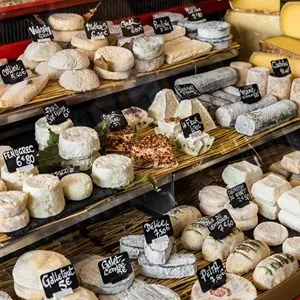
Normandy is renowned for its rich culinary traditions. Be sure to try Camembert cheese, which originates from the region. Other specialties include apple-based dishes like Tarte Tatin and Calvados, a local apple brandy. Seafood lovers should sample the fresh oysters and mussels, while those with a sweet tooth can enjoy the famous Normandy apple pie.
Normandy hosts several notable festivals throughout the year. The D-Day commemorations in June are significant, with events held across the region. The Deauville American Film Festival in September attracts international attention. Additionally, the Fête de la Crevette in Honfleur celebrates the local shrimp harvest with music and food stalls.
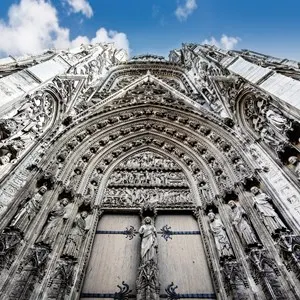
From Normandy, consider a day trip to the historic city of Rouen, known for its Gothic cathedral and medieval architecture. Another option is Giverny, the home of Claude Monet, where you can visit his gardens and house. The picturesque town of Honfleur, with its charming harbor, is also a delightful excursion.