

Details for Belgium
:no_upscale()/LocalImage/PictureLibrary/Europe-Mediterranean/Belgium/City%20Shots/Belgium,%20Brussels-01.jpg)
:no_upscale()/LocalImage/PictureLibrary/Europe-Mediterranean/Belgium/City%20Shots/Belgium,%20Bruges-05.jpg)
:no_upscale()/LocalImage/PictureLibrary/Europe-Mediterranean/Belgium/City%20Shots/belgium%20city%20of%20Dinit.jpg)
:no_upscale()/LocalImage/PictureLibrary/Europe-Mediterranean/Belgium/Landmark/Belgium,%20Brussels,%20Triumphal%20Arch-01.jpg)
:no_upscale()/LocalImage/PictureLibrary/Europe-Mediterranean/Belgium/Food/Belgium,%20Belgian%20Waffles-01.jpg)
:no_upscale()/LocalImage/PictureLibrary/Europe-Mediterranean/Belgium/City%20Shots/Belgium,%20Brussels-01.jpg)
:no_upscale()/LocalImage/PictureLibrary/Europe-Mediterranean/Belgium/City%20Shots/Belgium,%20Bruges-05.jpg)
:no_upscale()/LocalImage/PictureLibrary/Europe-Mediterranean/Belgium/City%20Shots/belgium%20city%20of%20Dinit.jpg)
:no_upscale()/LocalImage/PictureLibrary/Europe-Mediterranean/Belgium/Landmark/Belgium,%20Brussels,%20Triumphal%20Arch-01.jpg)
:no_upscale()/LocalImage/PictureLibrary/Europe-Mediterranean/Belgium/Food/Belgium,%20Belgian%20Waffles-01.jpg)
:no_upscale()/LocalImage/Destinations/636020166494586704.jpg)
:no_upscale()/LocalImage/Destinations/636020162828905588.jpg)
:no_upscale()/LocalImage/Destinations/636020164458548578.jpg)
:no_upscale()/LocalImage/PictureLibrary/Europe-Mediterranean/Belgium/City%20Shots/Belgium,%20Ghent-01.jpg)
:no_upscale()/LocalImage/Vacation_Packages/4195/Amsterdam_Bruges_Paris_1.jpg)
:no_upscale()/LocalImage/PictureLibrary/Europe-Mediterranean/England/Christmas%20Markets/shutterstock_2388320087.jpg)
The best time to visit Belgium is during the spring months of April to June and the fall months of September to October. During these periods, the weather is mild, and you'll avoid the summer tourist crowds. Spring is especially beautiful with blooming flowers, while fall offers colorful foliage.
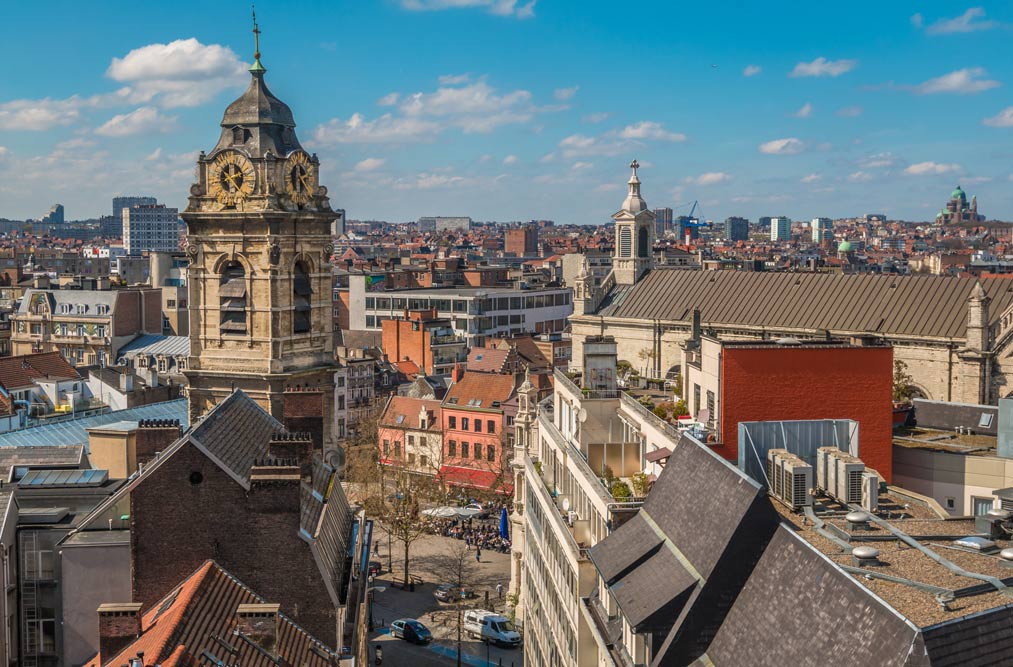
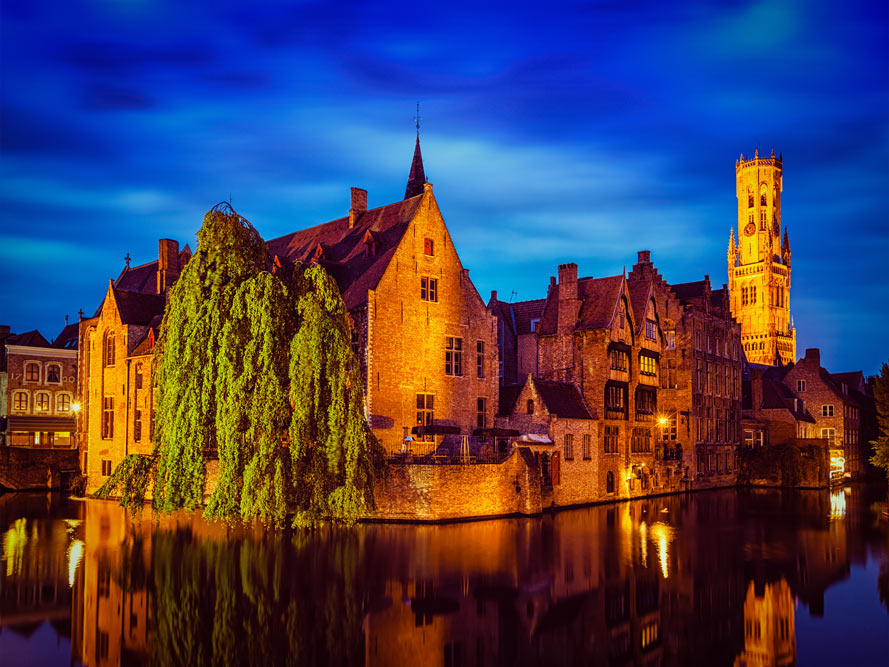
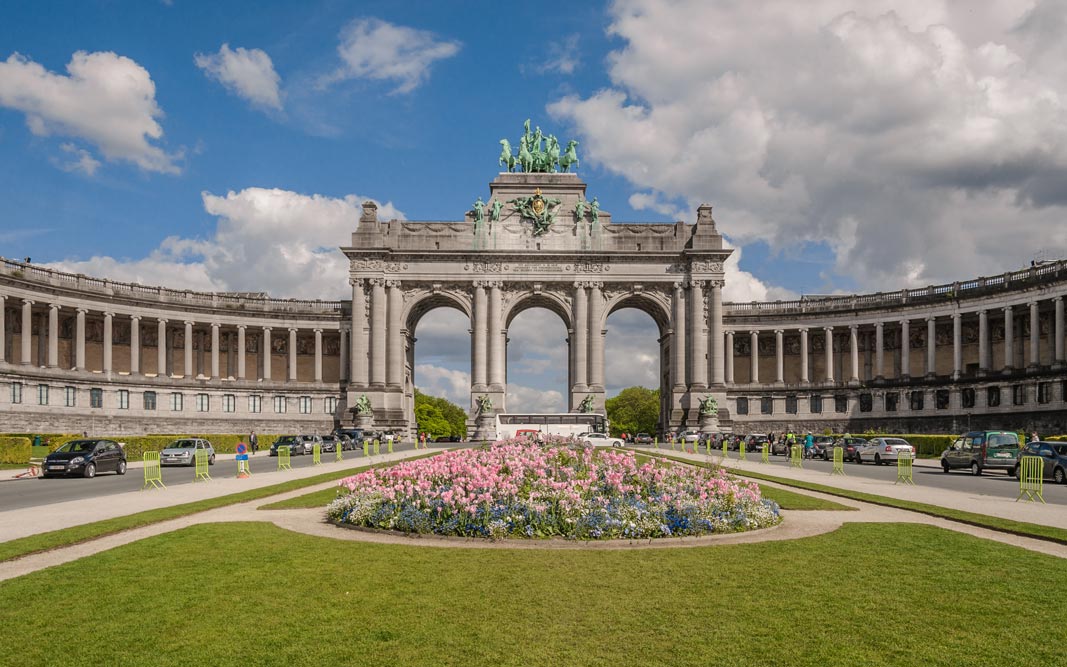
Brussels, the capital, is known for the Grand Place and Atomium. Bruges offers picturesque canals and medieval architecture. Ghent is famous for its vibrant arts scene and the Gravensteen Castle. Antwerp is known for its diamond district and the Cathedral of Our Lady. Don't miss the historic battlefield of Waterloo.
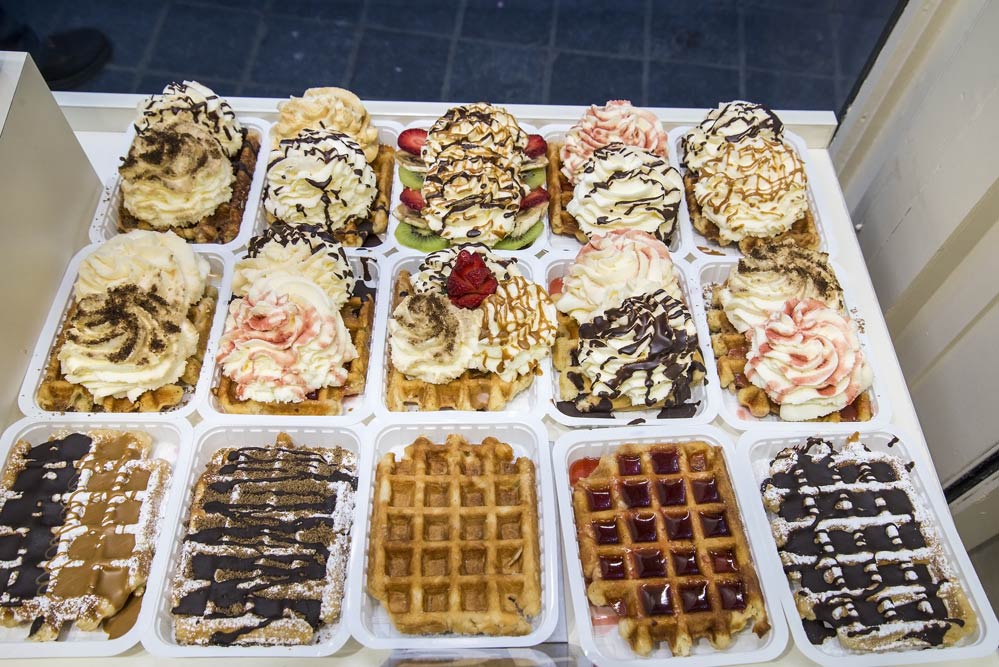
Belgium is famous for its waffles, chocolates, and beer. Try traditional dishes like moules-frites (mussels with fries), carbonnade flamande (beef stew), and waterzooi (chicken or fish stew). Don't forget to sample speculoos, a spiced shortcrust biscuit, and a variety of Belgian beers.
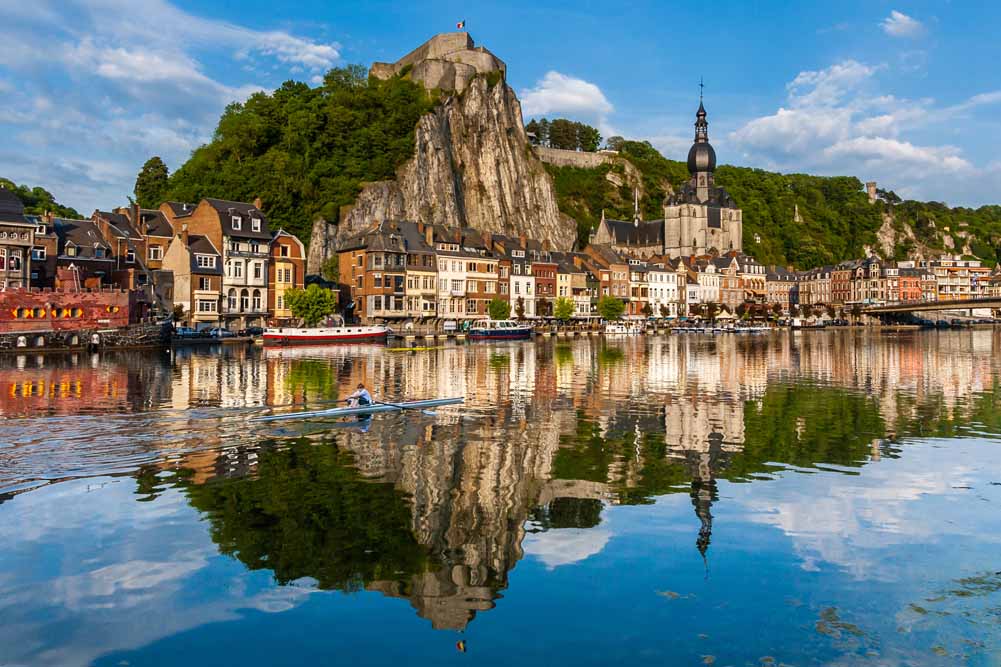
A week is ideal to explore Belgium's main cities and attractions. Spend two days in Brussels, and allocate a day each for Bruges, Ghent, and Antwerp. This allows time for day trips to smaller towns like Leuven or Dinant, and to experience local culture and cuisine.
Belgium has an efficient and extensive public transportation system. Trains are the best way to travel between cities, with frequent connections and reasonable travel times. Within cities, trams, buses, and bicycles are convenient options for getting around.
US travelers do not need a visa for short stays in Belgium, up to 90 days, for tourism or business purposes. However, a valid passport is required, and it should be valid for at least three months beyond the planned departure date from the Schengen Area.
Belgium uses the Euro as its currency. Credit cards are widely accepted in most hotels, restaurants, and shops, especially in urban areas. However, it's a good idea to carry some cash for smaller establishments, markets, or rural areas where card payments might not be accepted.