
Galapagos Islands Travel & Vacation Guide





Current Weather


Description
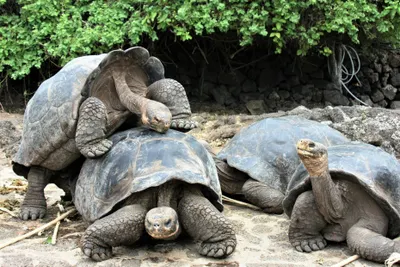
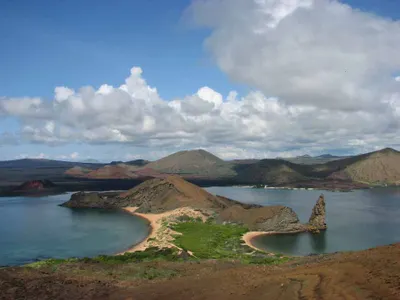
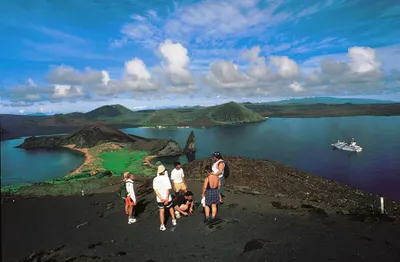
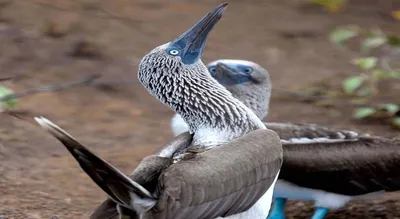
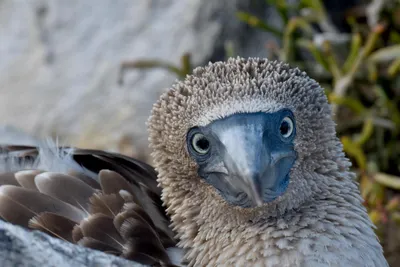
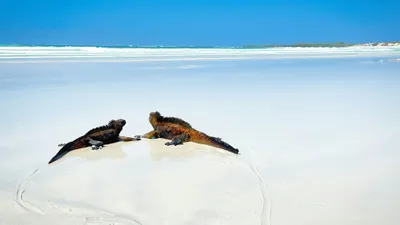
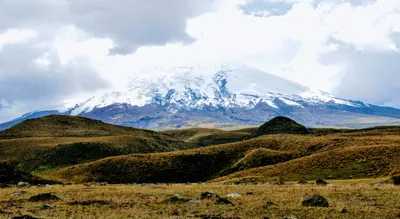
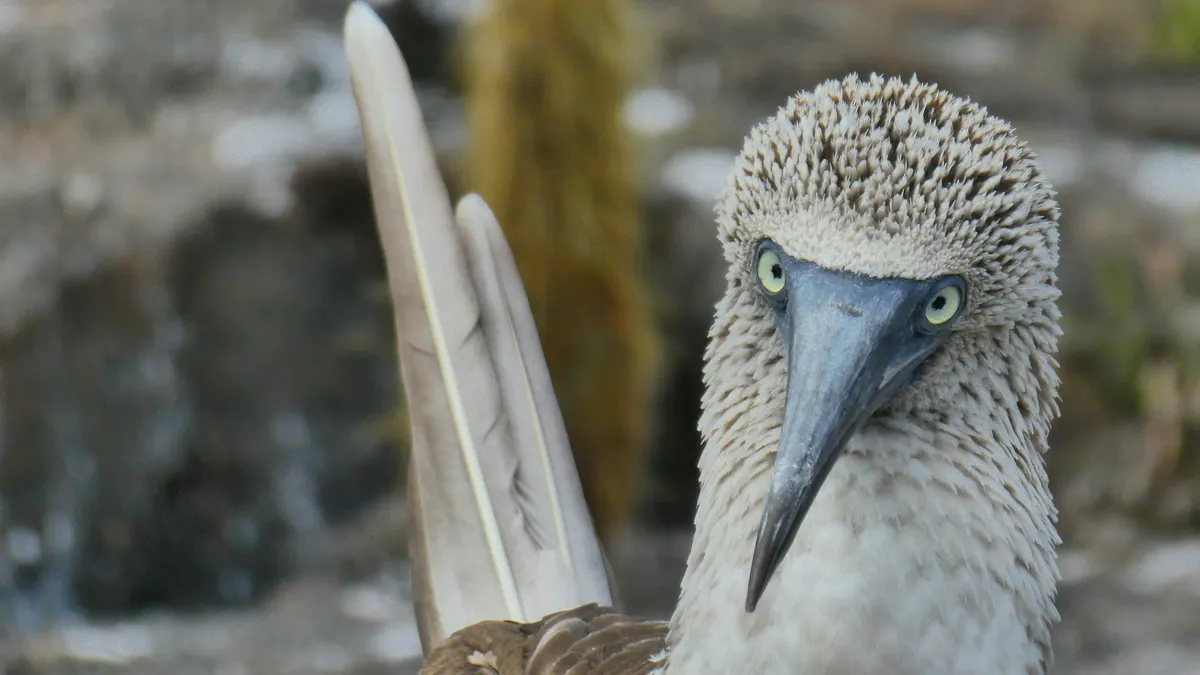
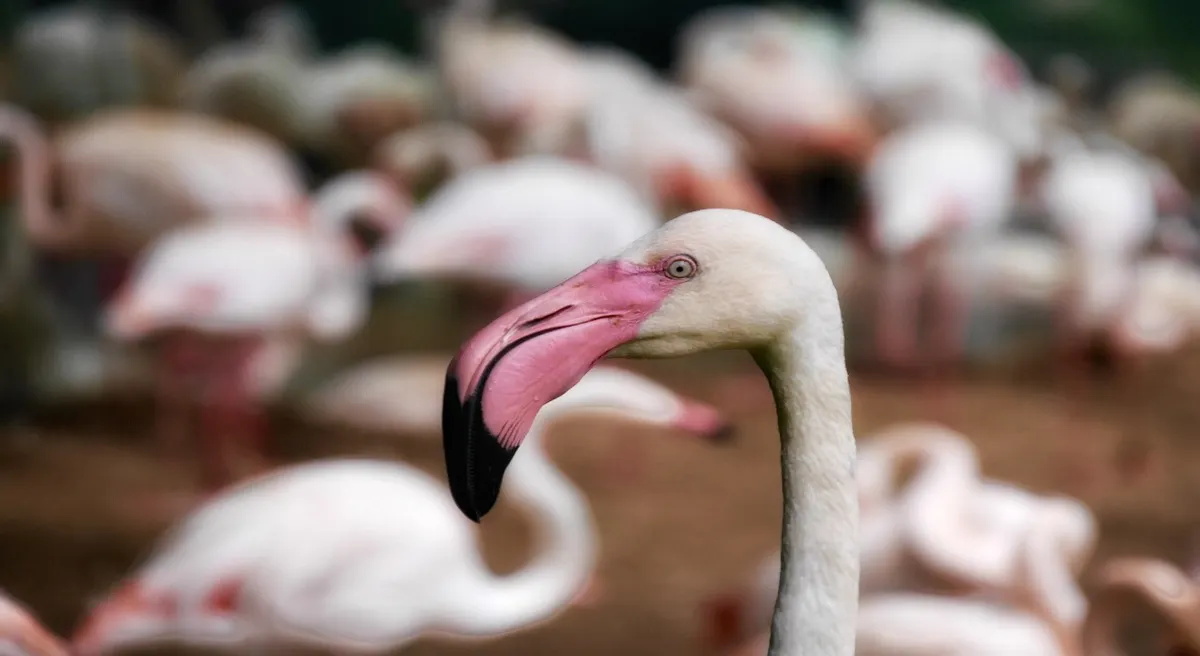
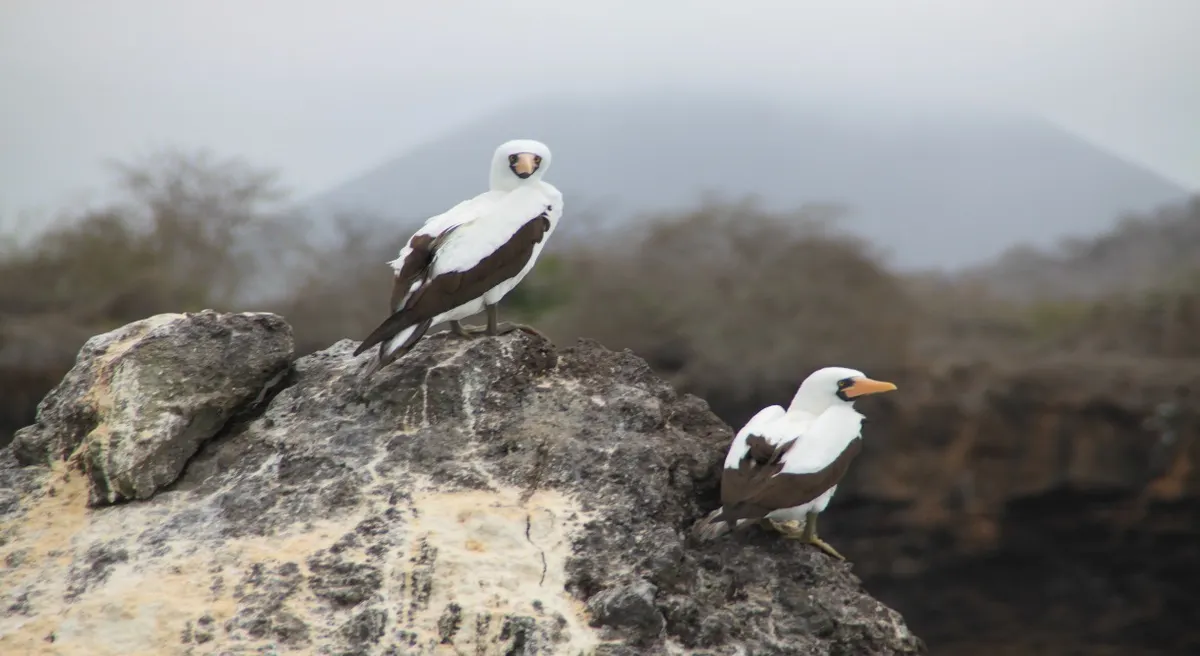
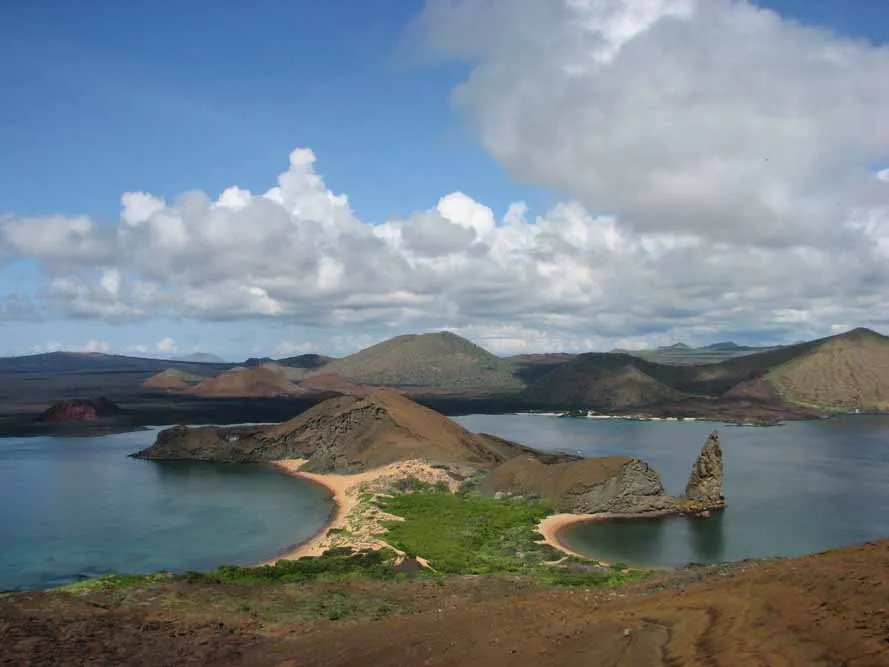
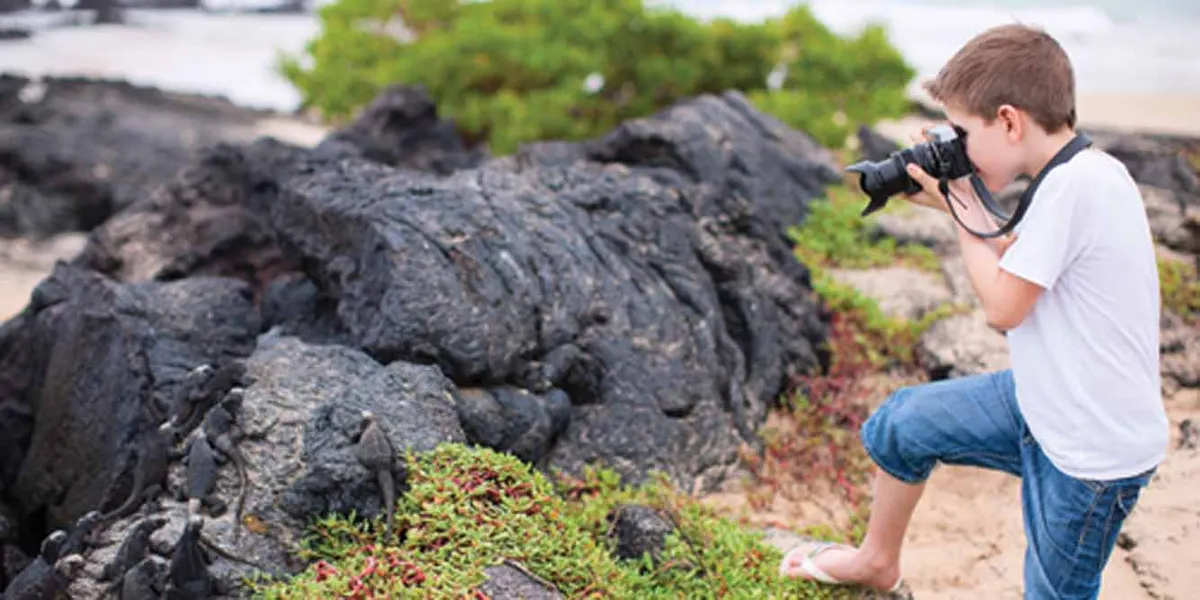
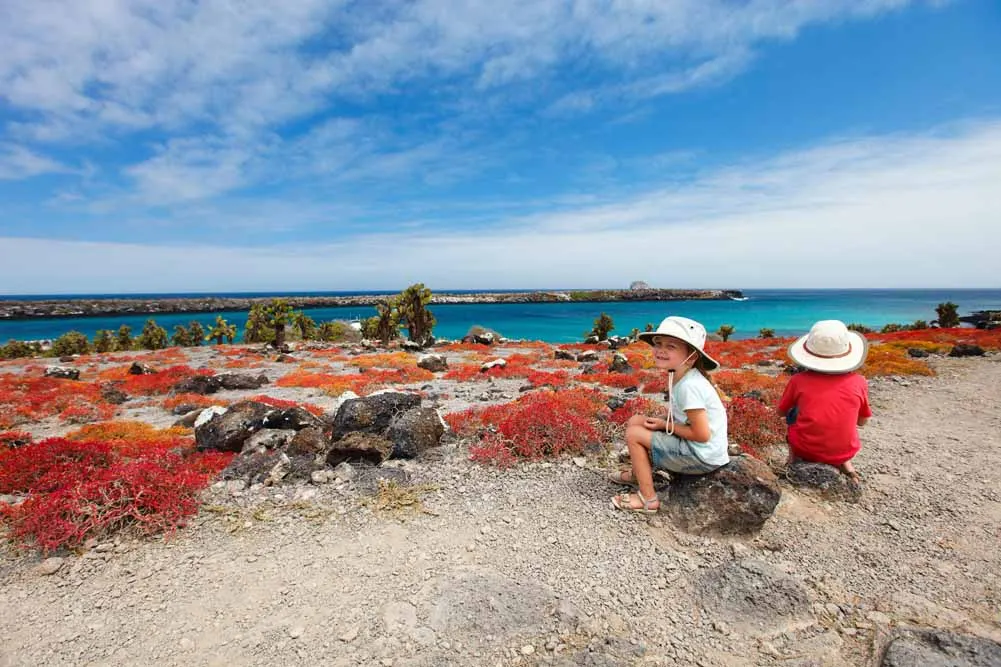
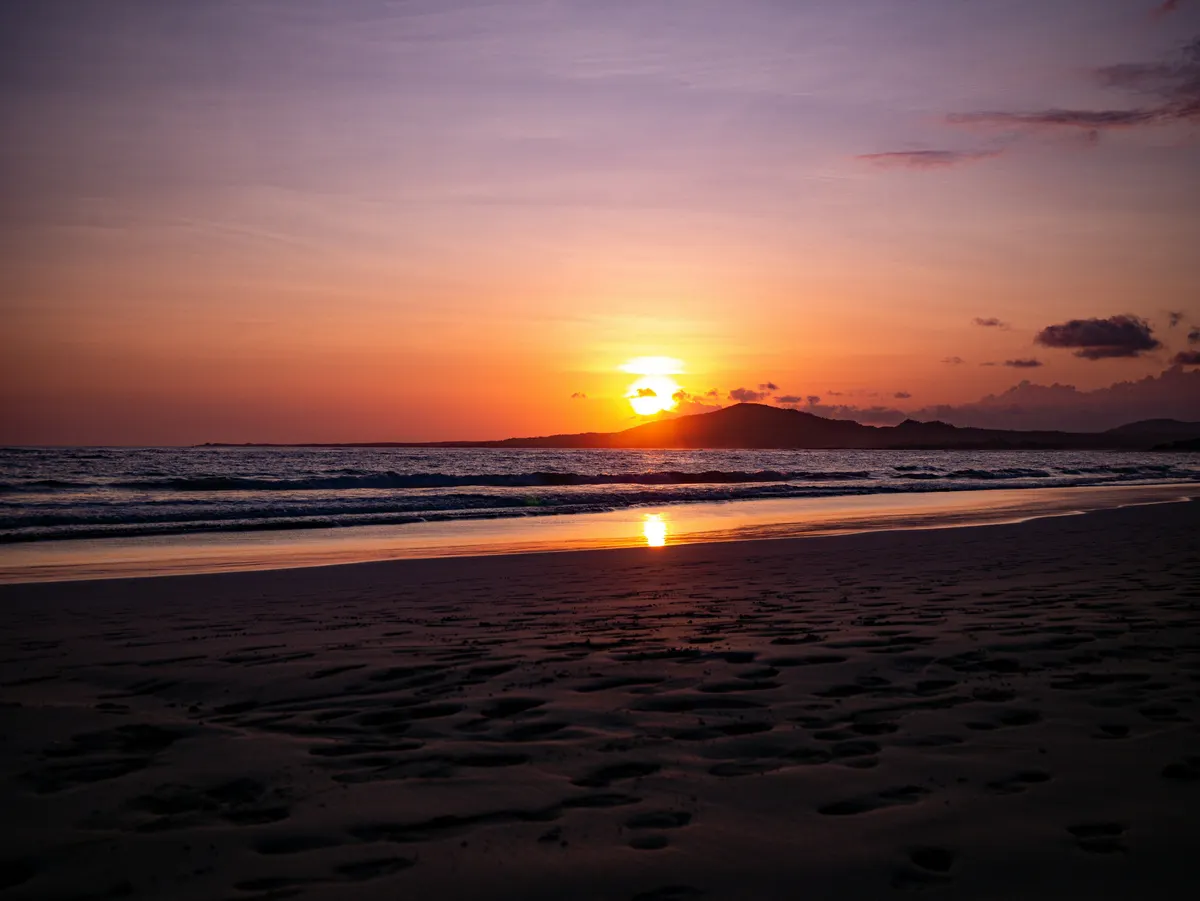
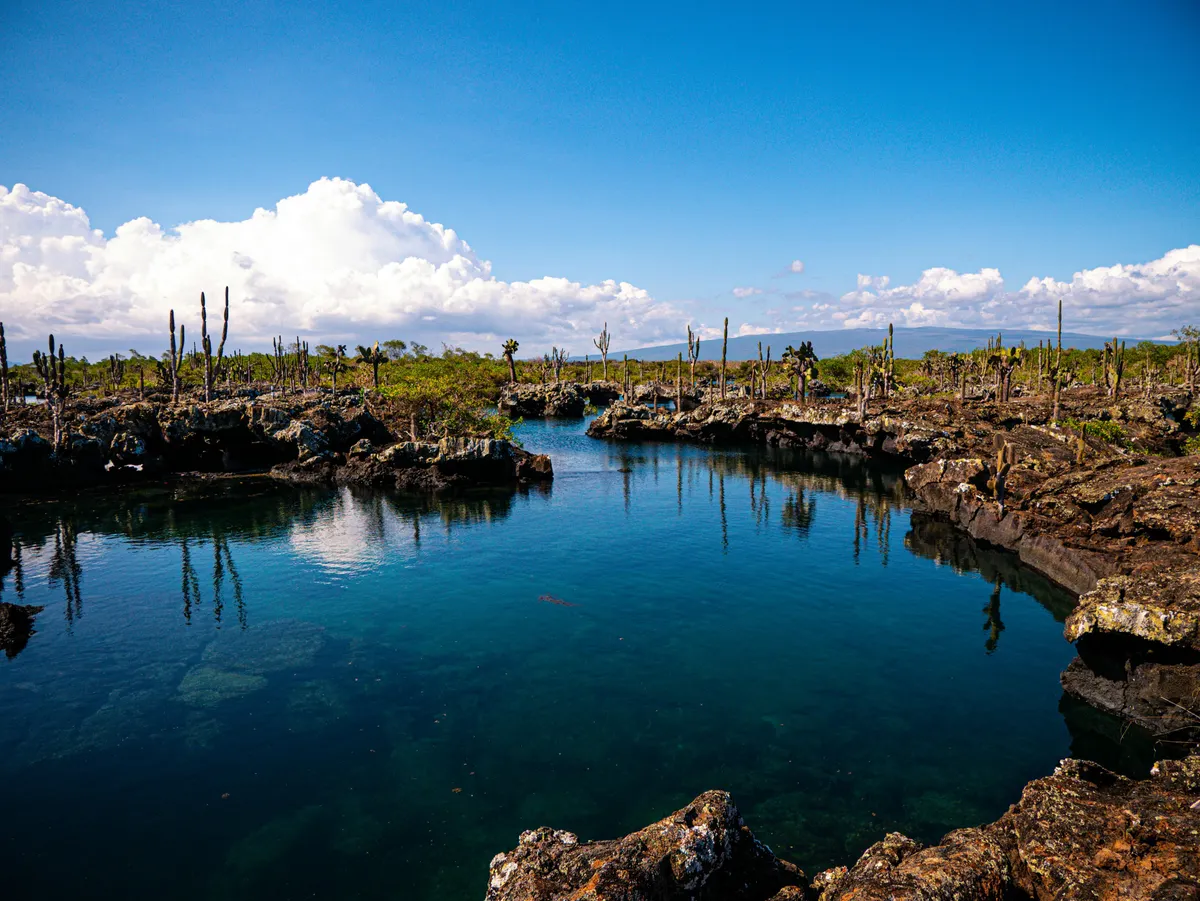
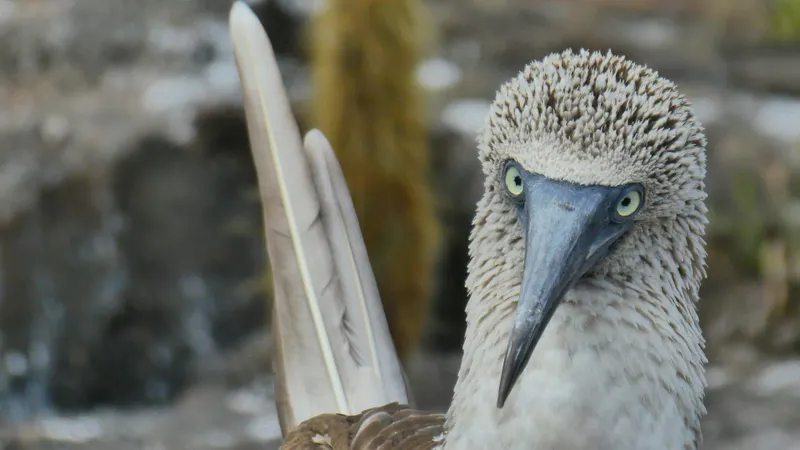
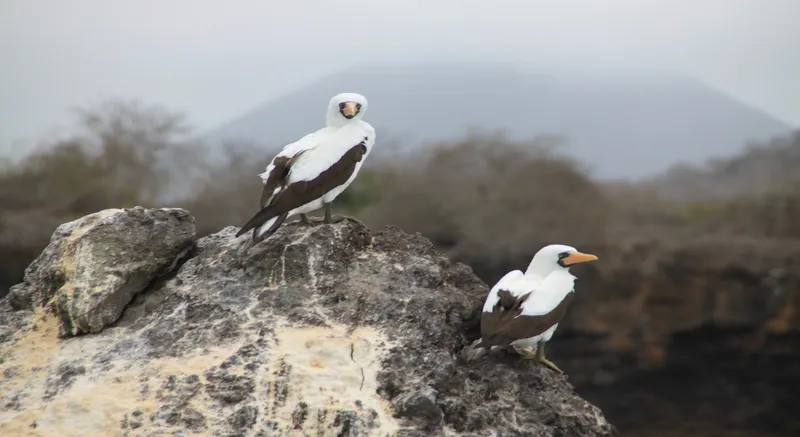
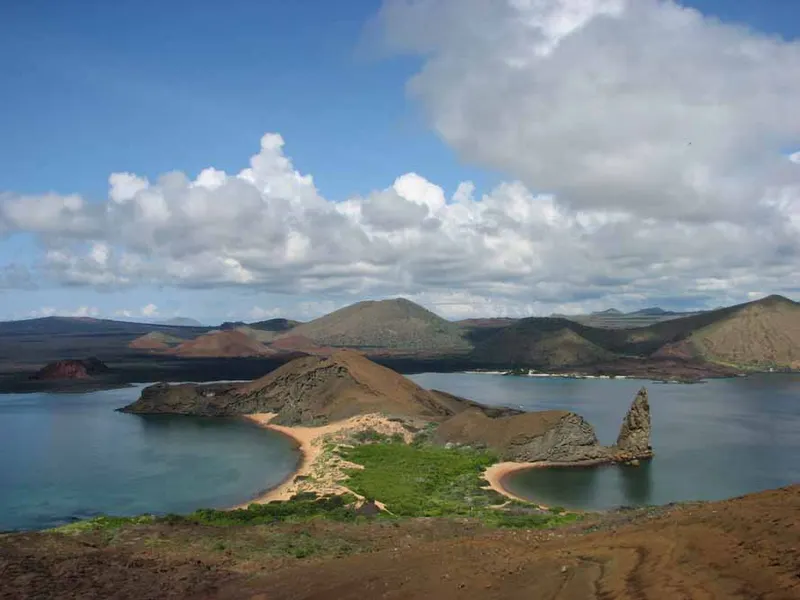
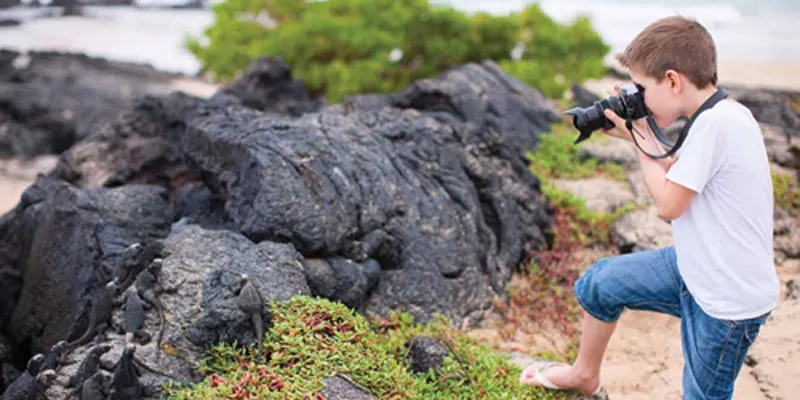
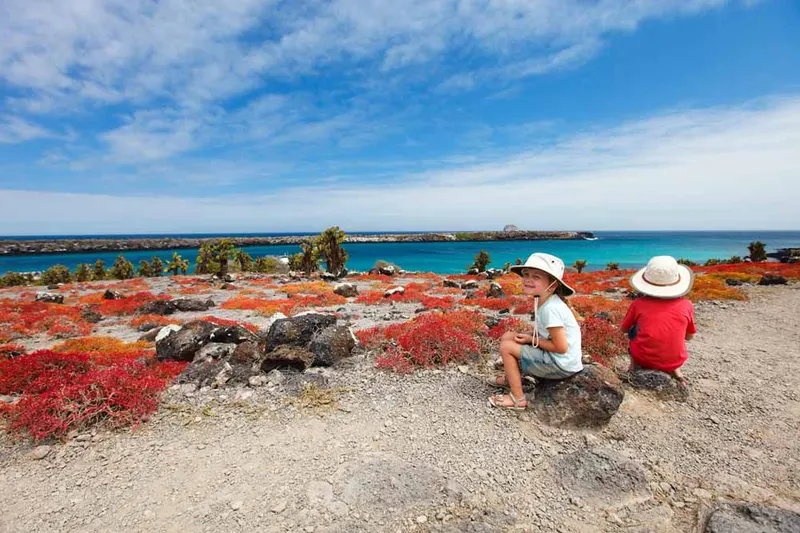
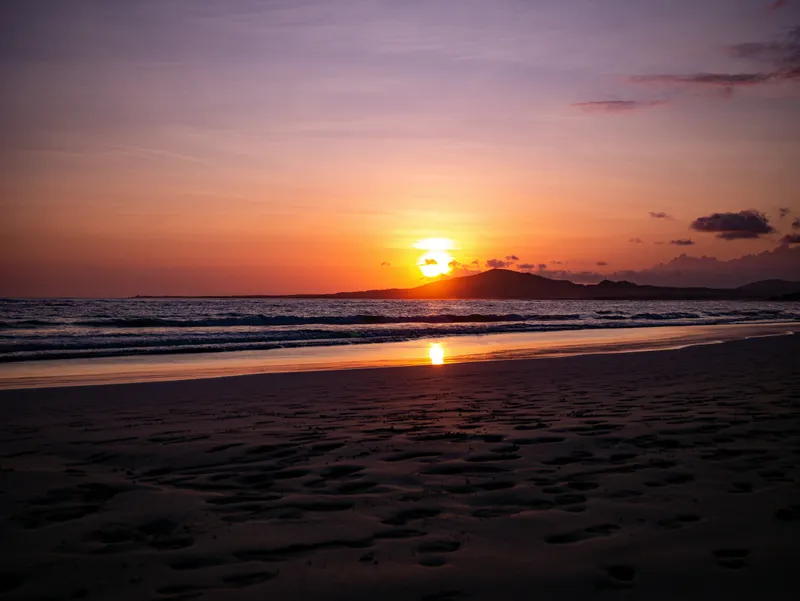
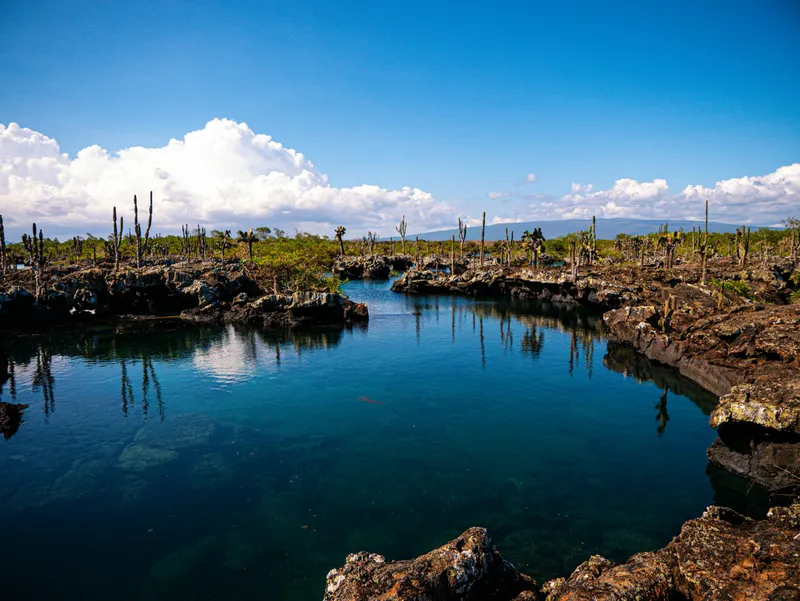
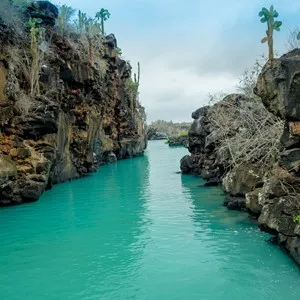
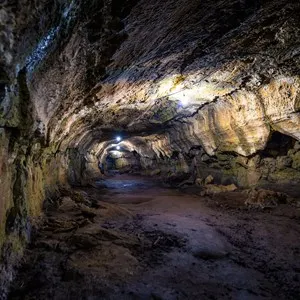
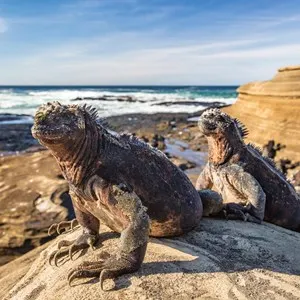
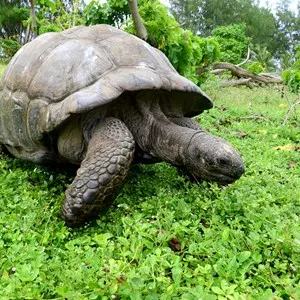
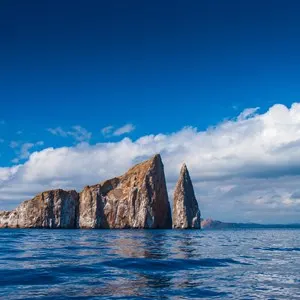
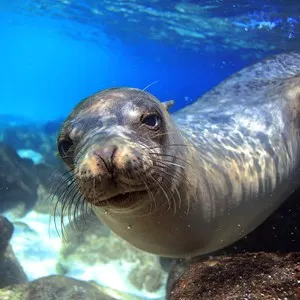
The 18 islands that comprise the Galapagos lie almost 1,000 kilometres off the coast of Ecuador, directly on the equator, with some islands in the northern and others in the southern hemisphere. The landscape is mostly rocky and barren, but fascinating and beautiful in its own way. The islands are volcanic, and thus geologically very interesting, and some of the youngest islands are still in the formation process. A whopping 97.5% of the archipelago’s land area has been made a national park, and the 70,000 square kilometres of ocean surrounding the islands have been declared a marine reserve, the world’s largest after the Great Barrier Reef in Australia, as well as a whale sanctuary. The Galapagos Islands have also been recognised as a World Heritage Site by UNESCO and a biosphere reserve. However, the small area that is inhabited by humans – on the five islands of Baltra, Floreana, Isabela, San Cristobal and Santa Cruz – is surprisingly developed, making visits easy and comfortable. Of course, the biggest draw to these incredible islands is the wildlife. Many of the islands’ species are endemic, and the lack of natural predators has caused them to evolve utterly without fear of visitors, meaning that tourists are thus able to approach and interact with the playful penguins and seals, the friendly marine iguanas and Darwin’s finches, the colourful blue-footed boobies, magnificent frigatebirds and sally lightfoot crabs, and of course, the famed giant Galapagos tortoise. But human development on the islands is having negative effects on the animals as well as the islands themselves. Habitats are being threatened through the introduction of alien species that are taking over or destroying the conditions necessary for native wildlife to thrive. Strict controls are thus being enacted – visitors must be accompanied by guides and are expected to treat the islands and their animal residents with utmost care. A small price to pay to experience these unique and mesmerising islands.
Useful information
33,042 (2020)
US dollar, $1 = 100 cents
Police: 101
Ambulance: 131
Do & See
Tourist Information



Frequently Asked Questions
The best time to visit the Galapagos Islands depends on your interests. For wildlife enthusiasts, December to May offers warmer weather and calmer seas, ideal for snorkeling and observing marine life. June to November is cooler and drier, with nutrient-rich waters attracting diverse marine species, making it perfect for diving.
A visit to the Galapagos Islands typically requires at least 5 to 7 days to fully appreciate the unique wildlife and landscapes. This allows time to explore multiple islands and participate in a variety of activities such as snorkeling, hiking, and wildlife watching.
Must-see islands include Santa Cruz for the Charles Darwin Research Station, Isabela for its volcanic landscapes and wildlife, and Española for its diverse birdlife. Activities like snorkeling at Devil's Crown, hiking Sierra Negra Volcano, and visiting the giant tortoises in their natural habitat are highly recommended.
To reach the Galapagos Islands, fly from Quito or Guayaquil to either Baltra Island or San Cristóbal Island. Flights are approximately 2 hours. It's important to book flights in advance, especially during peak travel seasons.
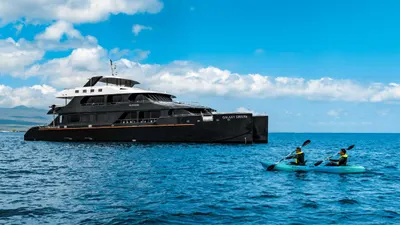
Travel between the Galapagos Islands is typically done by speedboat or small aircraft. Speedboats are the most common and cost-effective option, but flights can save time for longer distances. Organized tours often include inter-island transportation.
The Galapagos Islands are home to unique wildlife such as the Galapagos tortoise, marine iguanas, blue-footed boobies, and Galapagos penguins. The islands' isolation has allowed these species to evolve distinctly, offering a one-of-a-kind wildlife experience.
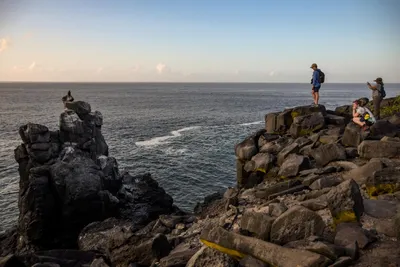
Visitors to the Galapagos Islands must adhere to strict regulations to protect the environment. This includes staying on marked trails, not touching or feeding wildlife, and maintaining a safe distance from animals. It's important to follow the guidance of certified naturalist guides during tours.
Trips