
Seville Travel & Vacation Guide
Current Weather

Description
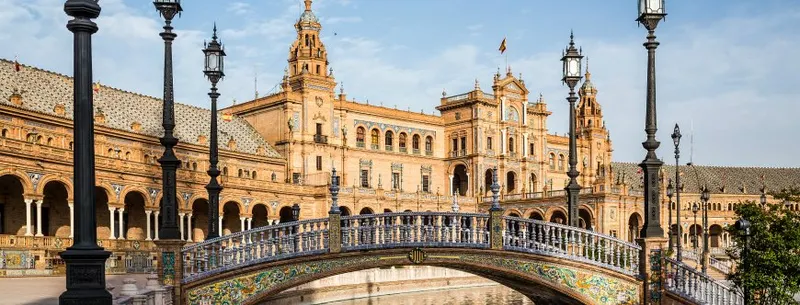
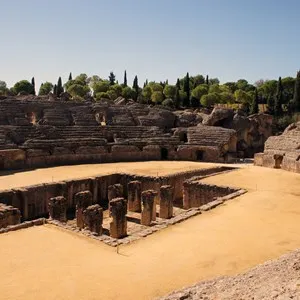
The Phoenicians arrived in this area first, establishing a number of trade colonies by the river. They taught the locals how to work with iron and created a new way of processing gold. The Romans came next and founded the town of Hispalis a few hundred years BC. Hispalis grew into a beautiful and prosperous city, but it never managed to emerge from the shadow of nearby Córdoba, until the Visigoths transformed Hispalis into a provincial seat and a centre of learning. In the 11th century, the Moors captured the city and re-named it Ishbiliya, but they too chose to make the grander city of Córdoba their capital. They even named it the Córdoba Caliphate. After almost 400 years of civil war battles between Christians and Arabs, the Moors withdrew from their beloved Al-Andalus. Soon after, the inhabitants of Seville finally struck gold. When Christopher Columbus discovered a new continent in 1492, the exclusive trade rights were given not to Córdoba, but to Seville. The city quickly became the wealthiest and most cosmopolitan city in Europe, and retained that position for several hundred years. This eclectic mix of influences over the centuries have shaped the city we see today, and Seville's fascinating history is visible at every turn.
Useful information
704,000
1 Euro = 100 cents
112
Stores are usually open from Monday to Saturday 9am–1:30pm and 4:30pm–8pm. The large department stores usually stay open a few hours later, especially during the summer months.
Do & See




Dining







Cafes




Bars & Nightlife








Shopping





Tourist Information





Frequently Asked Questions
The best time to visit Seville is during the spring months of March to May when the weather is pleasant, and the city hosts vibrant festivals such as Semana Santa and Feria de Abril. Fall, from September to November, is also a good time as the temperatures are cooler and the crowds are smaller.
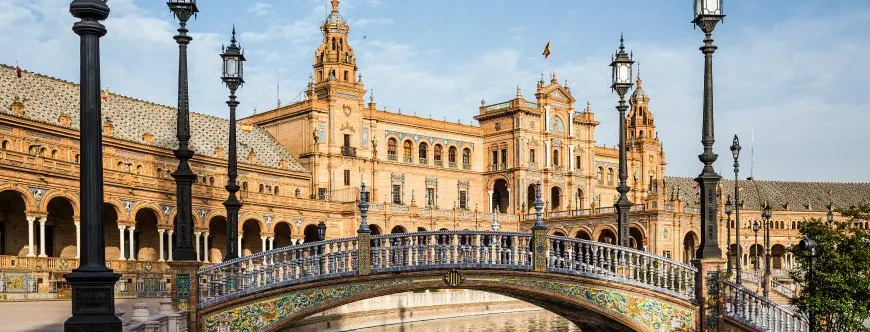
A stay of 3 to 4 days in Seville allows you to explore its main attractions, such as the Seville Cathedral, Alcázar of Seville, and Plaza de España, while also enjoying the local cuisine and vibrant neighborhoods like Triana and Santa Cruz.
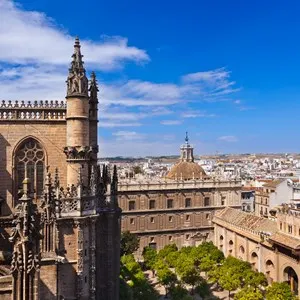
Must-see attractions in Seville include the Seville Cathedral and La Giralda, the Alcázar of Seville, Plaza de España, Metropol Parasol, and the historic neighborhood of Santa Cruz. Don't miss a flamenco show for an authentic cultural experience.
Seville is a walkable city, and many attractions are located within easy walking distance of each other. For longer distances, you can use the city's efficient public transportation system, which includes buses, trams, and a metro line. Renting a bike is also a popular option.
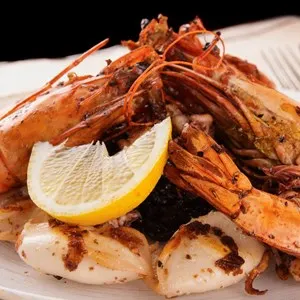
In Seville, be sure to try local dishes such as tapas, including jamón ibérico, salmorejo, and espinacas con garbanzos. The city is also known for its seafood dishes like gambas al ajillo (garlic shrimp) and pescaíto frito (fried fish). Pair your meal with a glass of local sherry.
Seville is famous for its cultural events, especially Semana Santa (Holy Week) and Feria de Abril (April Fair). Semana Santa features religious processions through the streets, while Feria de Abril is a week-long celebration with flamenco dancing, traditional costumes, and vibrant fairgrounds.
Recommended day trips from Seville include visiting the historic city of Córdoba, exploring the picturesque town of Ronda, or discovering the Doñana National Park. Each offers a unique glimpse into the diverse culture and landscapes of Andalusia.
Trips