
Details for Abu Dhabi
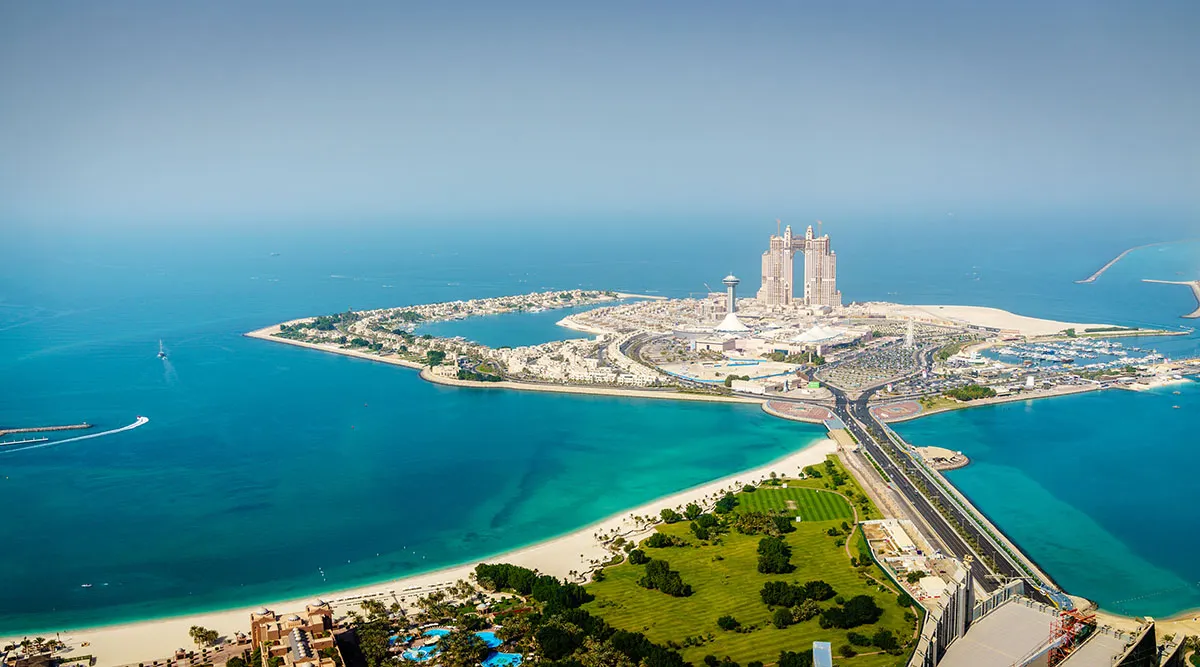
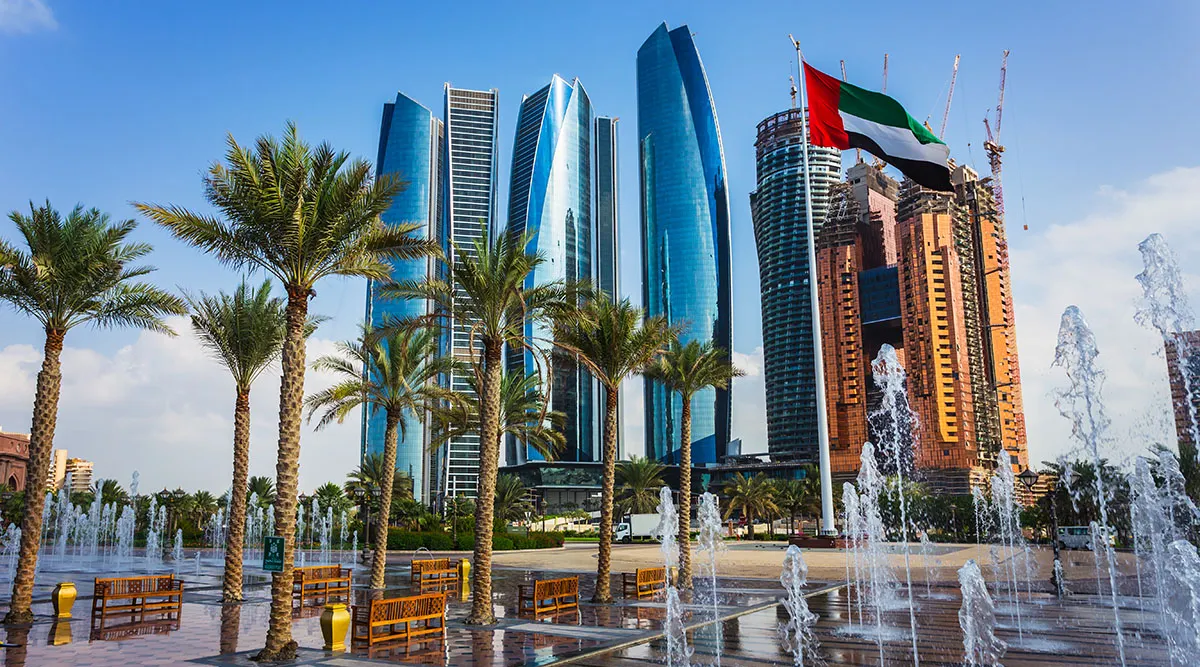
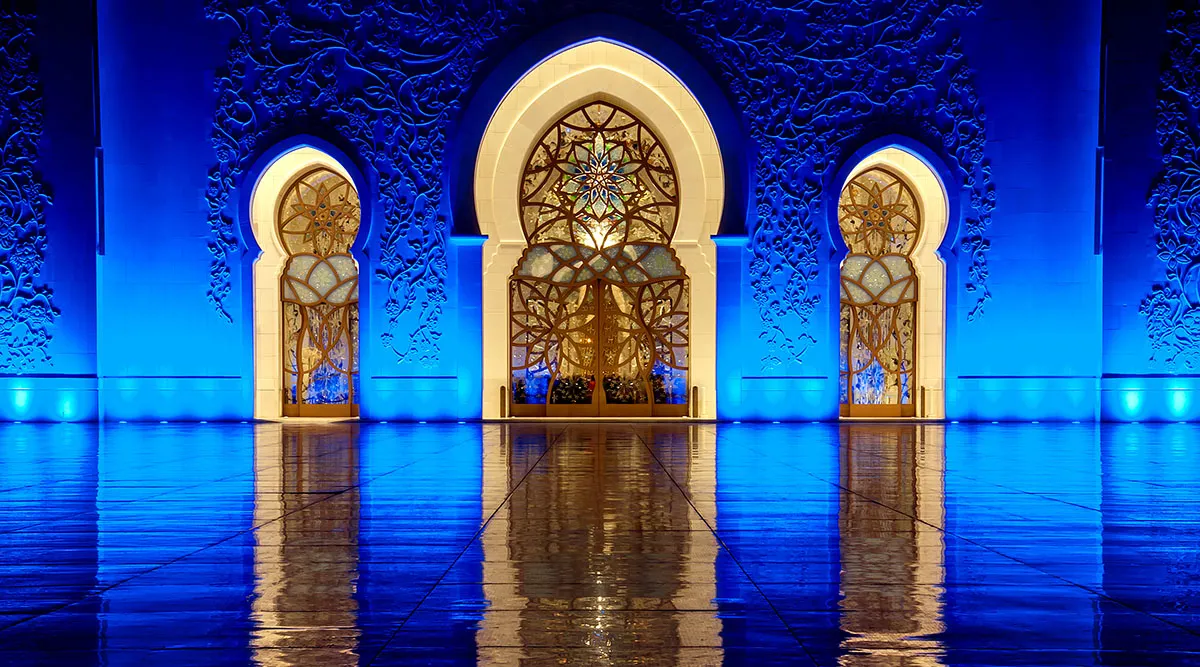
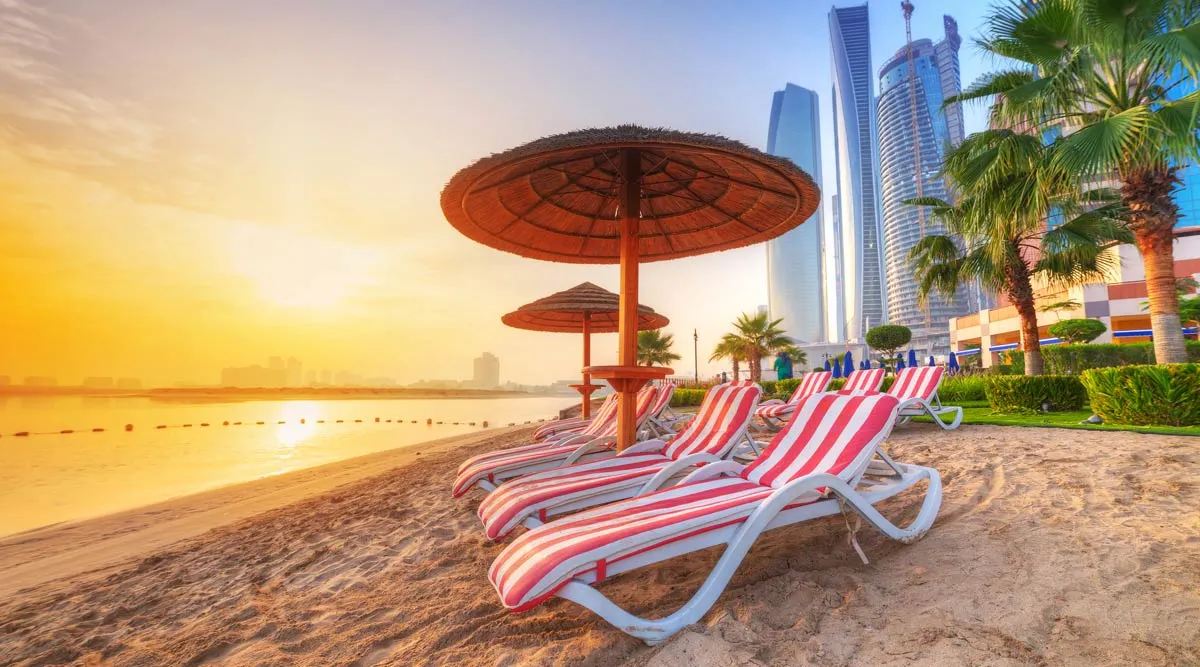
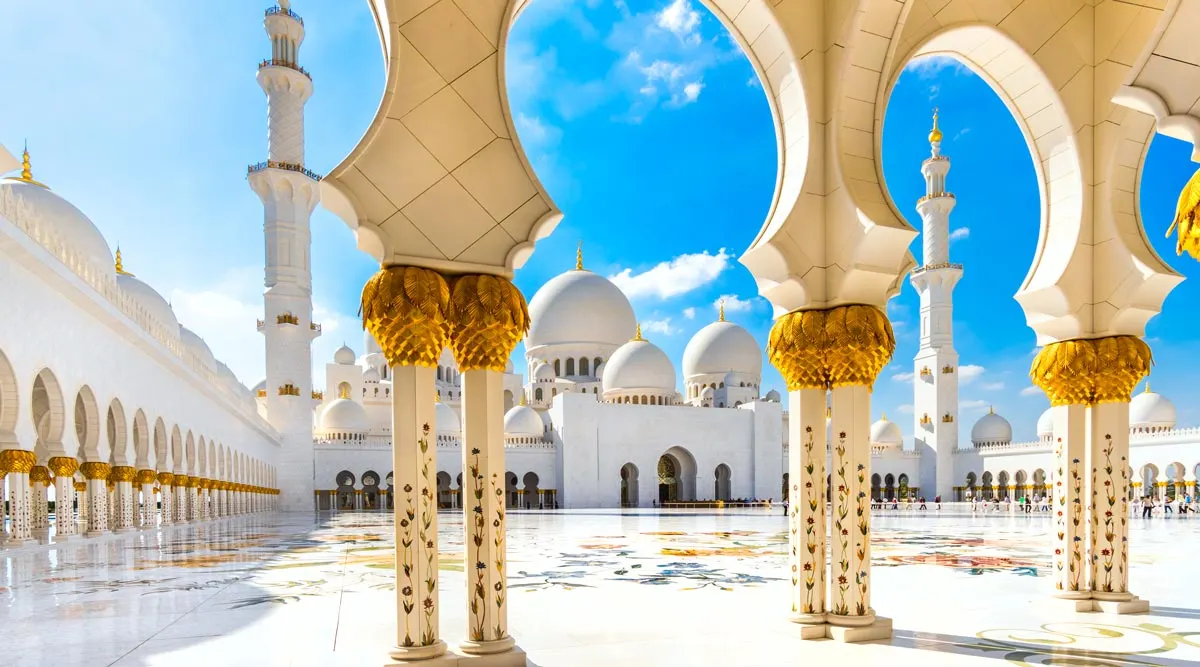





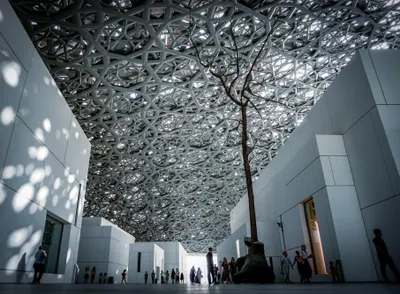
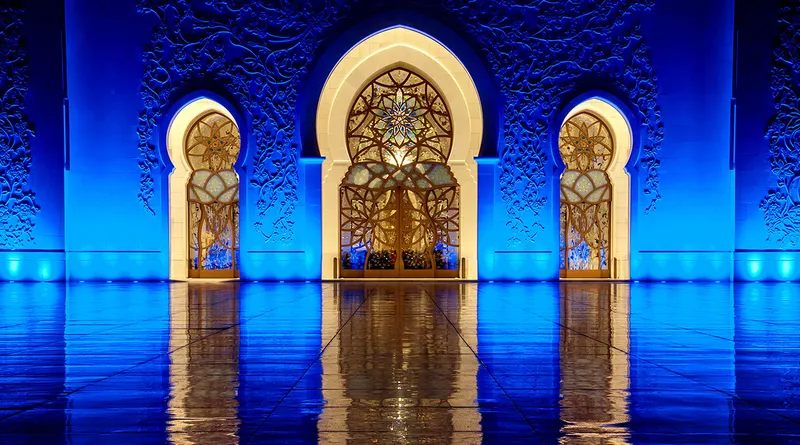
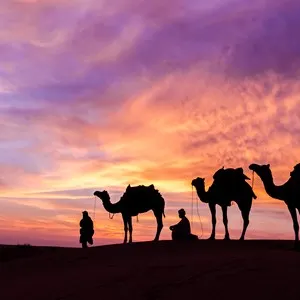
Abu Dhabi is the largest and wealthiest emirate of the UAE, combining modern luxury with deep cultural heritage. It is home to vast desert landscapes, pristine islands, and world-class architecture. Visitors explore iconic landmarks such as the Sheikh Zayed Grand Mosque, Louvre Abu Dhabi, and expansive mangrove coastlines. Beyond the city, the emirate offers desert safaris, oases like Al Ain, and tranquil beaches. Abu Dhabi provides a more refined and cultural alternative to Dubai, blending tradition, nature, and contemporary elegance.

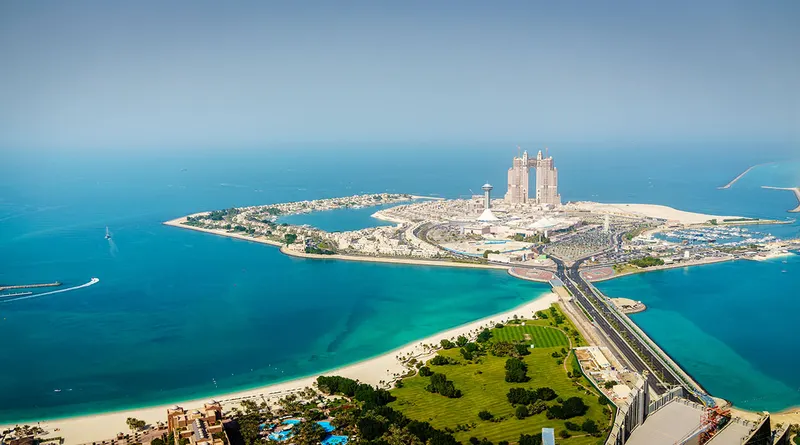
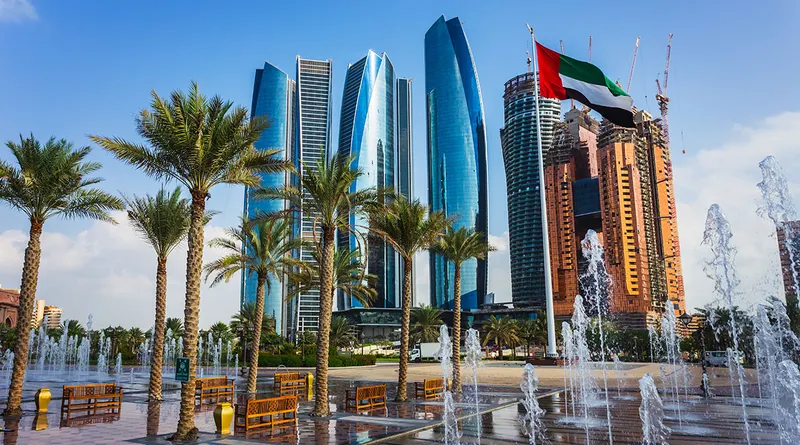
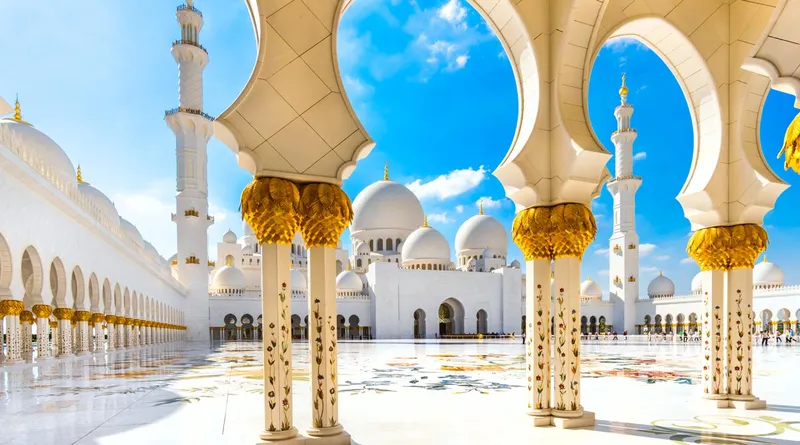
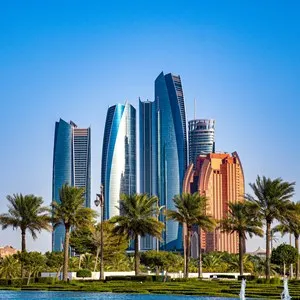
Abu Dhabi can trace its history way back to the Bronze Age and has a long tradition of profitable trading. However, it wasn’t until the 1950s — when oil was found — that it was transformed from its desert landscape into the fabulous city it is today. Designed in a grid-like fashion with wide open spaces and boulevards, this is the second-largest city in the oil-rich United Arab Emirates, after its neighbour Dubai, and also the seat of government and capital of the emirate of Abu Dhabi. Daily life centres around its main thoroughfares, including the busy Sheikh Zayed Street and the paved waterfront Corniche. Always bustling, the Corniche is where you can admire the stunning pink-washed Emirates Palace at the Ras Al Bateen, built as a hotel for visiting royalty, and locals can be seen jogging or cycling with much enthusiasm. Families with children and leisure walkers regularly enjoy the atmosphere. A short walk from the water's edge, are streets full of shiny new skyscrapers that house the city’s financial and banking institutions, its world-famous company offices and its government buildings. At the pavement level, hotels and restaurants cater for every taste, while shopping malls are full of designer fashions. In contrast, the many souqs offer gold, spices or traditional craft items.
4.1 million (2025)
The dirham (AED) = 100 fils
Police: 999
Ambulance: 998
Fire: 997
The large shopping malls usually open from 10am to 10pm, from Saturday to Thursday, and in the afternoon on Fridays, the day of prayer. Supermarkets often open earlier and smaller shops usually close for lunch for around two to three hours. The weekend in Abu Dhabi is Friday and Saturday.
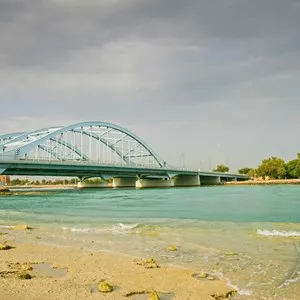































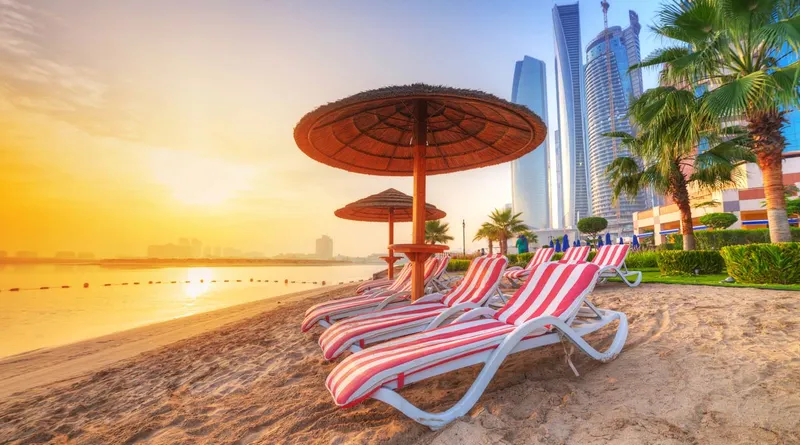
The best time to visit Abu Dhabi is between November and March when the weather is cooler and more pleasant for outdoor activities. During these months, temperatures range from 60°F to 85°F, making it ideal for exploring the city and enjoying its beaches.
A stay of 3 to 4 days is recommended to explore Abu Dhabi's main attractions. This allows time to visit key sites such as the Sheikh Zayed Grand Mosque, Louvre Abu Dhabi, and the Corniche, as well as to enjoy a desert safari or a day trip to nearby islands.
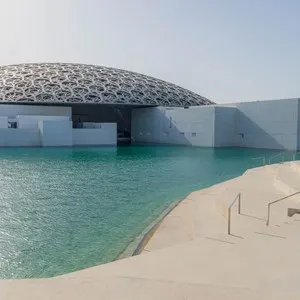
Must-see attractions in Abu Dhabi include the iconic Sheikh Zayed Grand Mosque, the cultural Louvre Abu Dhabi, and the thrilling Ferrari World on Yas Island. Don't miss the scenic Corniche and the historic Qasr Al Hosn fort, which offers insights into the emirate's history.
The best way to get around Abu Dhabi is by using taxis or renting a car. The city is well-connected with wide roads and clear signage. Public buses are also available and offer a cost-effective way to explore the city, though they may be less convenient for tourists.
Abu Dhabi hosts several cultural events and festivals throughout the year. The Abu Dhabi Festival in March celebrates music and arts, while the Abu Dhabi Film Festival in October showcases international cinema. The Al Dhafra Festival in December highlights Emirati culture and heritage.
In Abu Dhabi, try traditional Emirati dishes such as Al Harees, a slow-cooked wheat and meat dish, and Machboos, a spiced rice dish with meat or fish. Don't miss tasting Luqaimat, sweet dumplings drizzled with date syrup, and refreshing Arabic coffee.
Yes, consider a day trip to the Liwa Oasis, located on the edge of the Rub' al Khali desert, for stunning dune landscapes. Alternatively, visit Sir Bani Yas Island for wildlife safaris and nature reserves, or explore the cultural heritage of Al Ain, a UNESCO World Heritage site.