
Details for Algarve

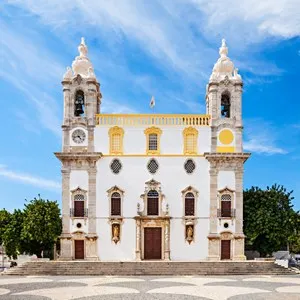
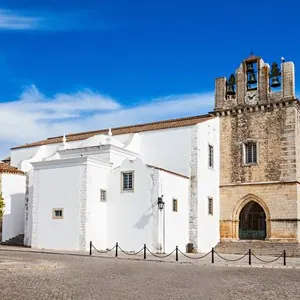
Faro’s old town is not, in fact, that old — it was burned down by English troops in 1596, later rebuilt, and then destroyed by the earthquake of 1755. Still, it remains a beautiful and pedestrian-friendly place. Next to the citadel’s ring-wall is the small harbour where the newer and livelier part of the city stretches northeast. The gardens next to the harbour, Jardim Manuel Bivar, are a good point to start exploring. At the end of the gardens is the city’s main shopping area — a small network of pedestrian streets with all kinds of shops, cafes and restaurants. North of the shopping you will find some of Faro’s famous churches, such as Igreja do Carmo. On the west side, you will come across the hilly Avenida 5 de Outubro. At the end of the avenue, you will be rewarded with a broad vista of Faro, the wetlands of Ria Formosa, and the sea.
The City: 41,000 Faro Municipality: 69,000
1 Euro = 100 cents
112
Shops are normally open from 9am to 7pm on weekdays, and some may close for the weekend.




























The best time to visit the Algarve is during the spring (March to June) and fall (September to October) when the weather is pleasant and the region is less crowded. During these months, you can enjoy mild temperatures, fewer tourists, and lower accommodation prices compared to the peak summer months.
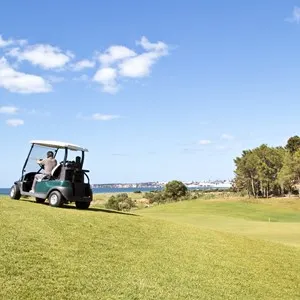
A stay of 4 to 7 days is ideal to explore the Algarve. This allows you to visit its stunning beaches, charming towns, and enjoy various activities such as hiking, golfing, or exploring the local cuisine. With a week, you can also take day trips to nearby attractions like the Ria Formosa Natural Park or the historic town of Silves.
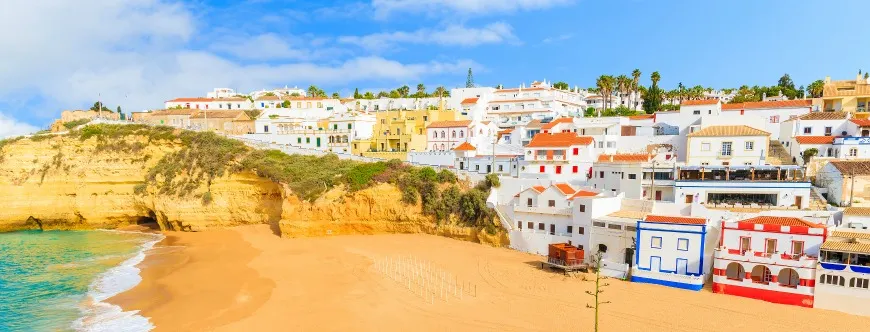
The Algarve is known for its breathtaking coastline and charming towns. Must-see attractions include the stunning Benagil Cave, the picturesque village of Carvoeiro, the historic city of Lagos, and the vibrant marina of Vilamoura. Don't miss the dramatic cliffs of Ponta da Piedade and the scenic beaches of Praia da Marinha and Praia da Rocha.
The best way to explore the Algarve is by renting a car, which offers flexibility and convenience to visit remote beaches and towns. Alternatively, there are reliable bus and train services connecting major towns like Faro, Lagos, and Albufeira. For shorter distances, taxis and ride-sharing apps are also available.
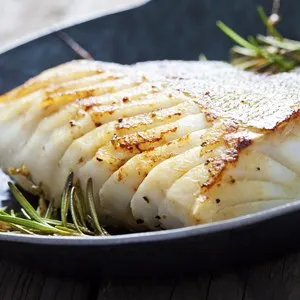
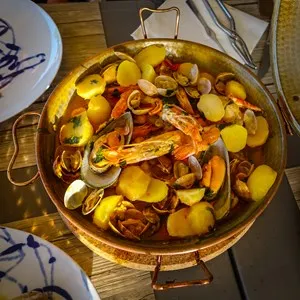
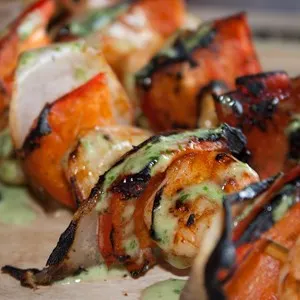
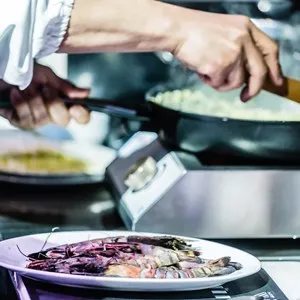
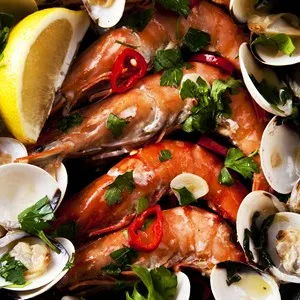
The Algarve is famous for its seafood. Be sure to try dishes like cataplana de marisco, a seafood stew cooked in a traditional copper pot, and grilled sardines. Other regional specialties include piri-piri chicken and the sweet almond-based dessert, Dom Rodrigo. Pair your meals with local wines from the Algarve's vineyards.
Yes, the Algarve hosts several cultural events and festivals. The Carnival in Loulé is one of the most vibrant, featuring parades and traditional music. The Festival Med in Loulé celebrates world music, while the Silves Medieval Fair offers a glimpse into the region's history with reenactments and medieval markets.
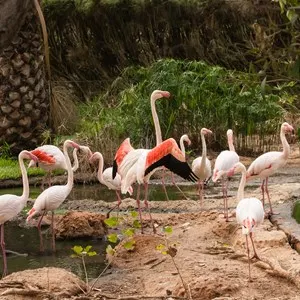
The Algarve offers several exciting day trip options. Visit the Ria Formosa Natural Park for birdwatching and boat tours. Explore the historic town of Silves, known for its Moorish castle. Alternatively, head to the westernmost point of mainland Europe at Cape St. Vincent for stunning ocean views and a visit to the iconic lighthouse.