
Details for Amman
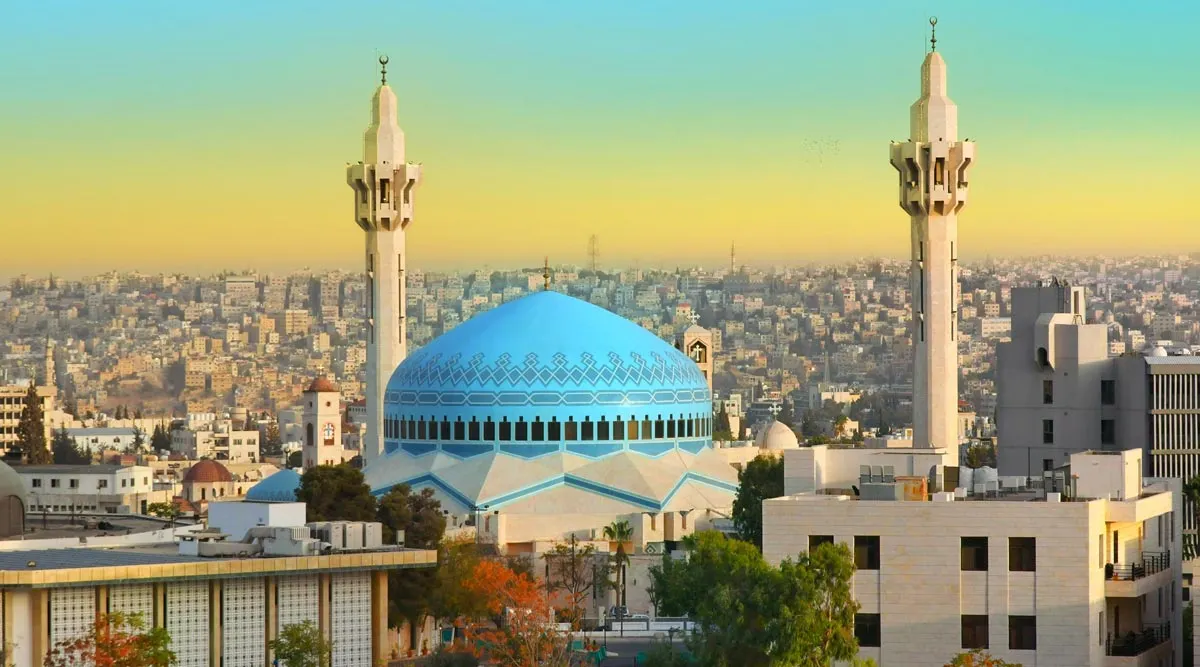
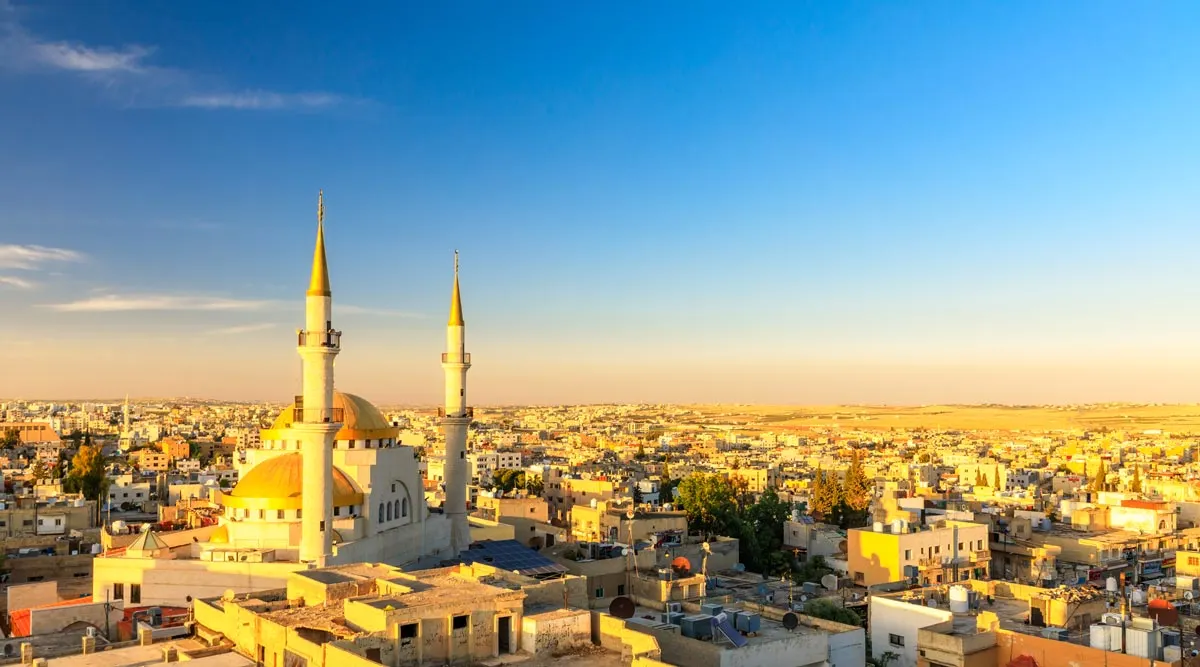



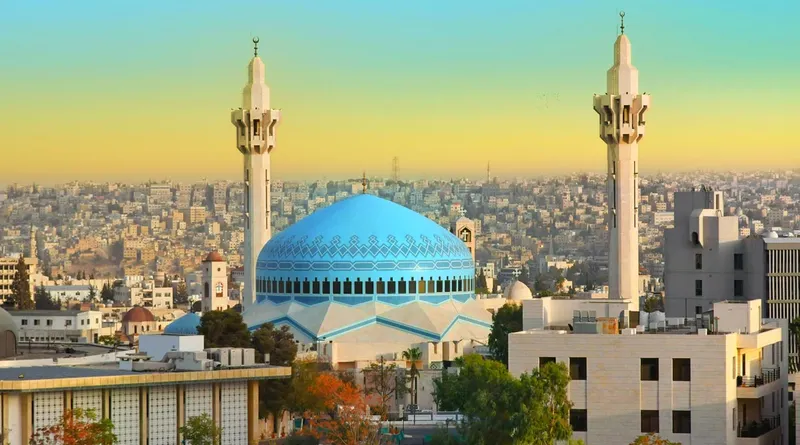
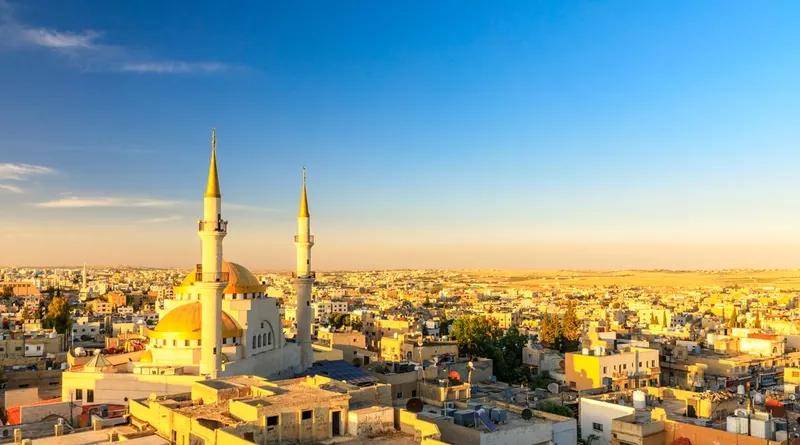
Although things have been rough for some of Jordan's immediate neighbours, the country itself has managed to largely avoid political unrest in recent history, making today's Amman a pleasant and perfectly safe city to visit. The locals are famously welcoming, and many speak English, but a surprising few identify as originally Jordanian, belonging rather to various other ethnicities, such as Iraqi, Circassian or Palestinian. Nowhere is Amman's eclectic mix of cultures and youthful spirit more apparent than on Rainbow Street, one of the city's most happening locations lined with restaurants, bars, and shops, playing host to the weekly open-air Jara Souk during the summer. There is plenty to do and see in the city itself, but Amman also makes for an excellent base from which to explore the country further.
4 million
1 Jordanian Dinar = 100 qirsh (also called piastres)
Fire/Medical: 199
Police: 191
Tourist Police: 196 ext. 4661
Traffic: 190
In Jordan, Friday and Saturday are weekends, which means businesses may be closed or have shorter days. Opening hours may vary, but most businesses operate between roughly from 9:30am to 1:30pm and from 3:30pm to 6pm. Mind that the month of Ramadan often brings schedule changes and business hours may be affected (shortened).

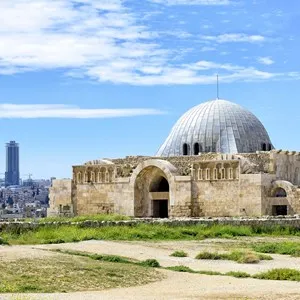
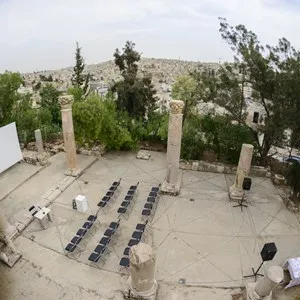


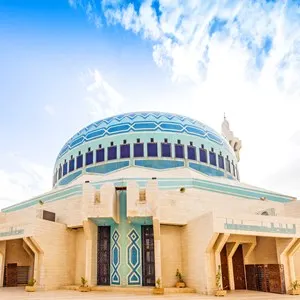
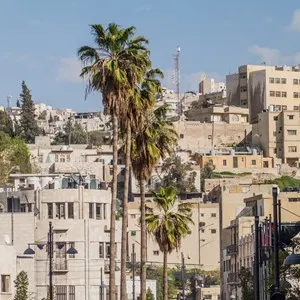

















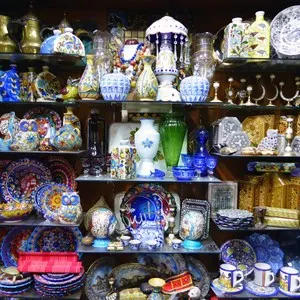
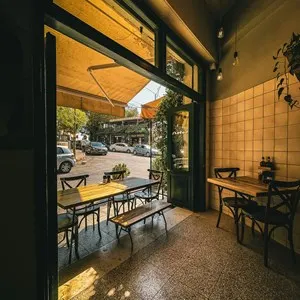







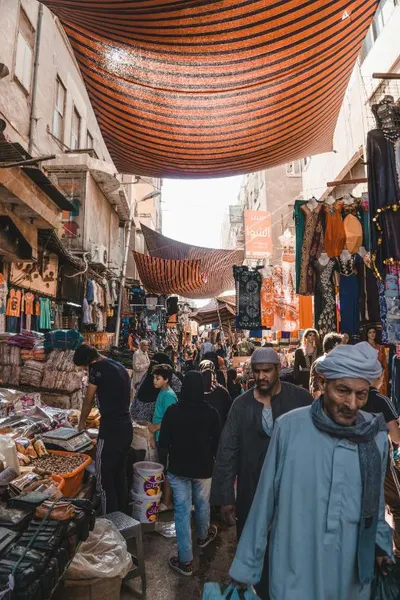
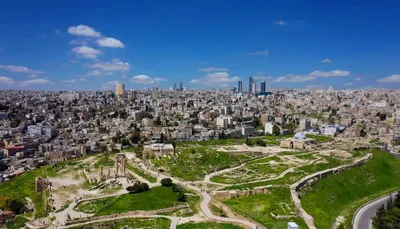
Amman, the capital city of Jordan, offers a rich tapestry of historical and cultural sites. Must-see attractions include the Amman Citadel, which provides panoramic views of the city, and the Roman Theatre, a 6,000-seat ancient amphitheater. The Jordan Museum is also a highlight, showcasing artifacts from Jordan's history. For a taste of local life, visit the bustling Rainbow Street, known for its cafes, shops, and street art.
The best way to get around Amman is by using taxis or ride-hailing services like Uber and Careem, which are widely available and affordable. Public buses are another option, but they can be crowded and less reliable. For a more personalized experience, consider renting a car, but be prepared for heavy traffic and challenging driving conditions in the city.
The best time to visit Amman is during the spring (March to May) and autumn (September to November) when the weather is mild and pleasant. Summers can be extremely hot, while winters are cooler with occasional rain. These shoulder seasons offer comfortable temperatures for exploring the city's outdoor attractions.
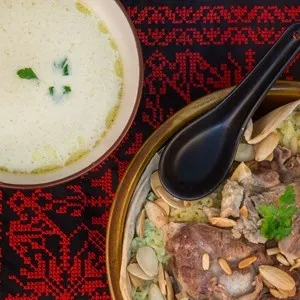
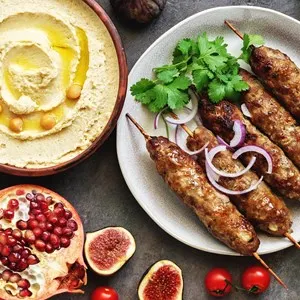
While in Amman, be sure to try traditional Jordanian dishes such as mansaf, a lamb and rice dish served with fermented yogurt. Falafel and hummus are popular street foods, and you can enjoy them at local eateries like Hashem Restaurant. For dessert, try knafeh, a sweet pastry made with cheese and syrup.
Amman hosts several cultural events and festivals throughout the year. The Amman International Film Festival, usually held in August, showcases films from around the world. The Jerash Festival of Culture and Arts, held in the nearby ancient city of Jerash, features music, dance, and theater performances, typically in July.
A stay of 2 to 3 days is recommended to explore the main attractions of Amman. This allows time to visit historical sites, enjoy local cuisine, and experience the city's vibrant culture. If you plan to take day trips to nearby destinations like the Dead Sea or Petra, consider extending your stay.
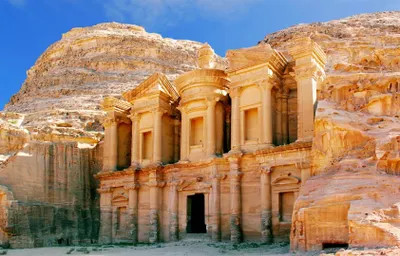
Amman is a great base for exploring nearby attractions. Consider a day trip to the Dead Sea, where you can float in its mineral-rich waters. Another popular excursion is to Petra, the ancient rock city, although it's best visited over two days. The Roman ruins of Jerash and the desert landscapes of Wadi Rum are also accessible from Amman.