
Details for Belfast
:no_upscale()/LocalImage/Destinations/636064463795177879.jpg)



:no_upscale()/LocalImage/Destinations/636064463795177879.jpg)


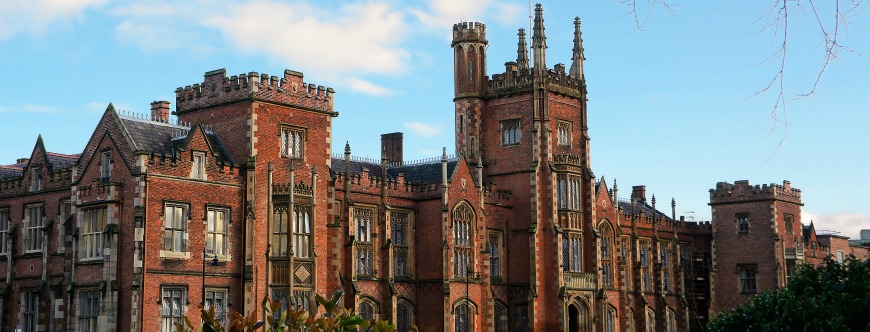
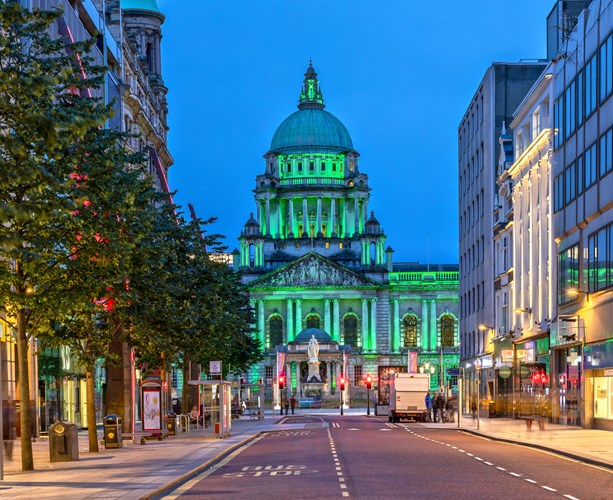
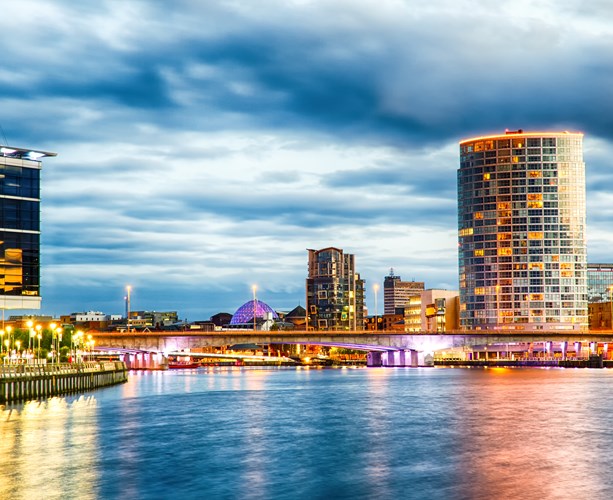
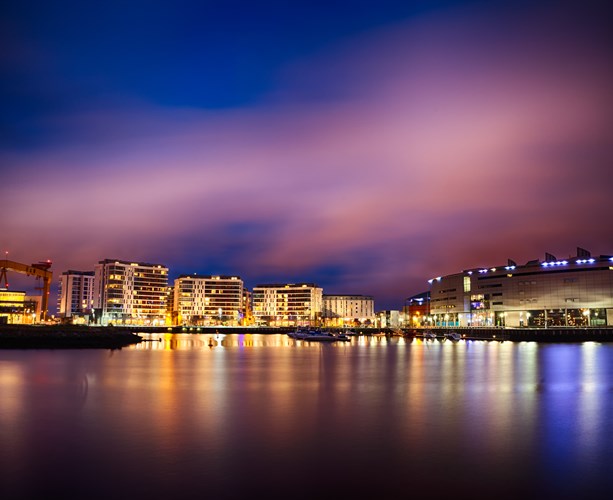
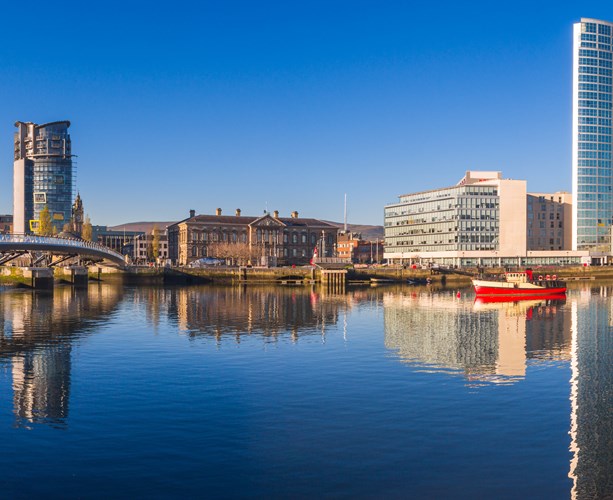
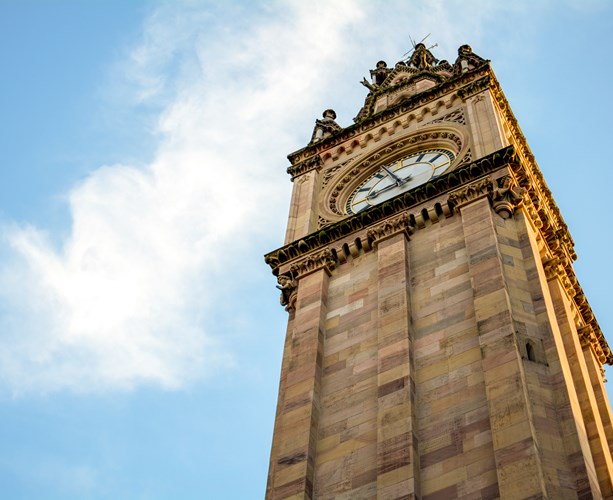
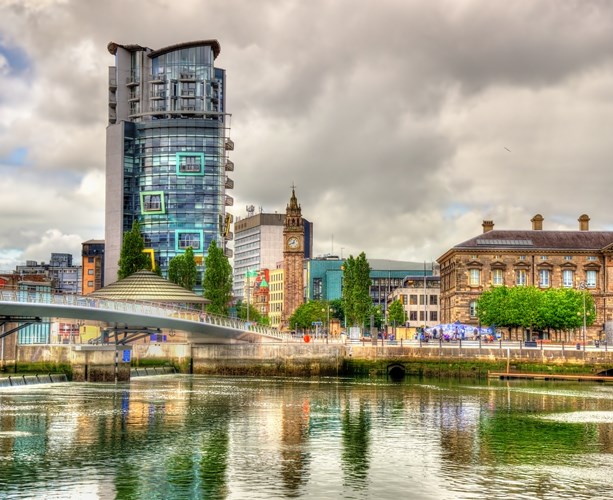
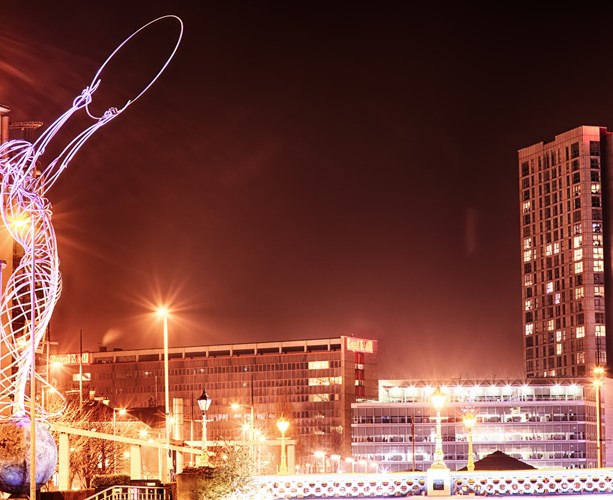
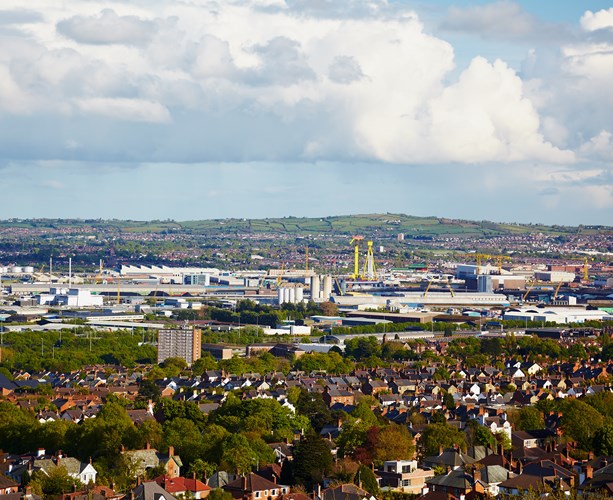
Belfast is the capital of Northern Ireland. Its name originates from the Irish Béal Feirste, or 'the mouth of the Farset', the river on which the city was built and has now been superseded by the River Lagan. Belfast saw the worst of the Troubles in Northern Ireland, and since their start in 1969, news of violence and disruption marred the city’s image as a tourist destination. Since the 1997 cease-fire and the Good Friday agreement; however, Belfast is making up for lost time. With the help of massive investment, the city has undergone a remarkable transformation, and now has a booming economy and high employment rates. The River Lagan has been cleaned up and inner city areas, such as the Cathedral Quarter, have been revived, attracting new restaurants, hotels, shopping areas and cafes. Belfast was once home to C.S.Lewis, author of the Chronicles of Narnia. Was this setting the source of his inspiration to create his enchanting fantasy world? The famous musician Van Morrison also grew up in Belfast and music is indeed an important part of this city’s social scene, with bands often performing at the Odyssey Arena or the Belfast Waterfront. The numerous Victorian buildings of the city have been juxtaposed with impressive 20th-century architecture, creating a sense of progress and change. With its sights set on the future, Belfast is a vibrant, friendly and exciting city, waiting to be discovered in a myriad of new ways.
647,438 (2024)
1 pound £ = 100 pence
Fire, police & ambulance: 999
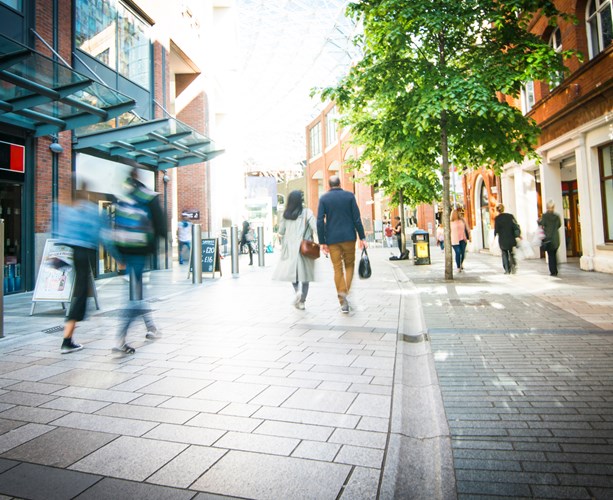
City centre shops are generally open Monday to Saturday from 9am to 6pm and Thursdays until 9pm. Some larger stores open Sundays from 1pm to 6pm. Neighbourhood and convenience shops are often open much longer, 24 hours in many cases.


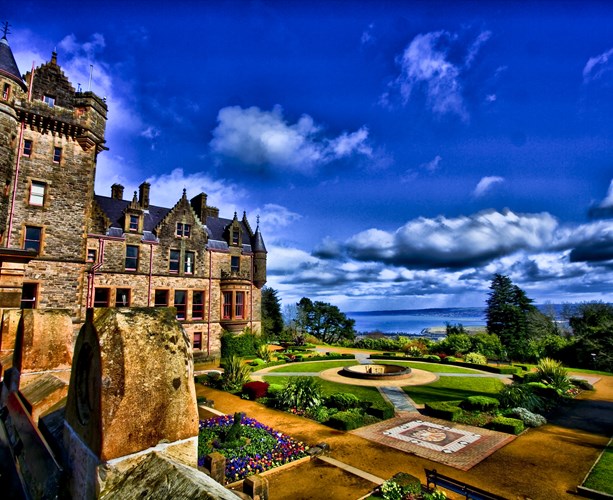
Belfast is home to the Titanic Belfast museum, which tells the story of the ill-fated ship, and the historic Belfast Castle. The Ulster Museum and the Botanic Gardens are also popular attractions, offering insights into local history and natural beauty.
The best time to visit Belfast is during the late spring and summer months, from May to September, when the weather is mild and many outdoor events and festivals take place.
In Belfast, try traditional dishes like the Ulster Fry, a hearty breakfast, or Irish stew. Don't miss out on sampling some local seafood, such as mussels or smoked salmon.
Belfast has a reliable public transportation system, including buses and trains. The city is also very walkable, and taxis are readily available for longer distances.
A stay of two to three days is ideal to explore Belfast's main attractions, enjoy its vibrant culture, and take a day trip to nearby locations like the Giant's Causeway.
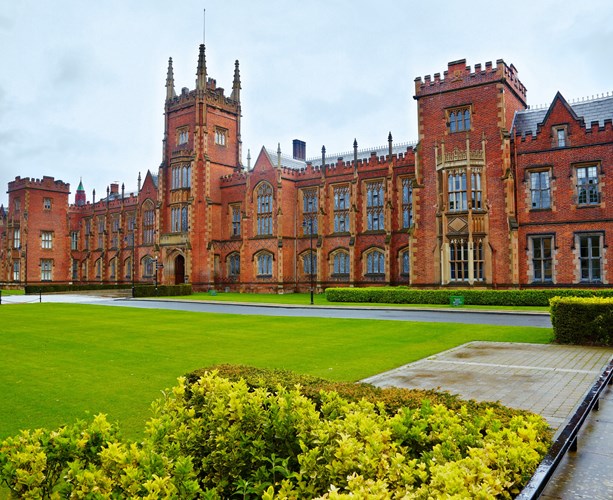
The Cathedral Quarter is known for its lively arts scene and nightlife, while the Queen's Quarter offers a more relaxed atmosphere with cafes and the Botanic Gardens.
Yes, you can take a day trip to the Giant's Causeway, a UNESCO World Heritage site, or explore the scenic Antrim Coast and the historic Carrick-a-Rede Rope Bridge.
:no_upscale()/LocalImage/PictureLibrary/Europe-Mediterranean/Northern%20Ireland/Belfast/Belfast%20City%20View.jpg)
:no_upscale()/LocalImage/PictureLibrary/Europe-Mediterranean/Ireland/City%20Shots/Dublin/Dublin%20Castle%20.jpg)
:no_upscale()/LocalImage/PictureLibrary/Europe-Mediterranean/Ireland/City%20Shots/Cork/Ireland%20Cork-min.jpg)
:no_upscale()/LocalImage/PictureLibrary/Europe-Mediterranean/Ireland/download%20(13).jpeg)
:no_upscale()/LocalImage/PictureLibrary/Europe-Mediterranean/Ireland/Galway/Go%20Local%20in%20Galway%20pg.%2050.jpg)
:no_upscale()/LocalImage/PictureLibrary/Europe-Mediterranean/England/City%20Shots/London/England%20London%20Trafalgar%20Square.jpg)
:no_upscale()/LocalImage/PictureLibrary/Europe-Mediterranean/Ireland/City%20Shots/Dublin/Dublin%20Bridge.jpg)
:no_upscale()/LocalImage/PictureLibrary/Europe-Mediterranean/Northern%20Ireland/Derry/ksenia-yakovleva-kRMg6Fg6rzk-unsplash.jpg)
:no_upscale()/LocalImage/PictureLibrary/Europe-Mediterranean/Ireland/Halloween%20-%20Bram%20Stoker/johannes-plenio-RwHv7LgeC7s-unsplash.jpg)