

Discover Bolivia’s Andes, Amazon and Cultural Heritage












Cities & Region







Frequently Asked Questions
U.S. travelers need a visa to enter Bolivia, which can be obtained upon arrival at the airport or at a Bolivian consulate before departure. A valid passport with at least six months of validity is required. It's advisable to check with the Bolivian embassy or consulate for the most current entry requirements before traveling.
The official currency of Bolivia is the Boliviano (BOB). While major cities and tourist areas may accept credit cards, it's advisable to carry cash, especially in rural areas. ATMs are available in cities, but it's best to have small denominations for local transactions.
The best time to visit Bolivia is during the dry season, from May to October. This period offers pleasant weather and clear skies, ideal for exploring the diverse landscapes, including the Andes, Amazon, and the Uyuni Salt Flats. However, this is also the peak tourist season, so planning ahead is recommended.
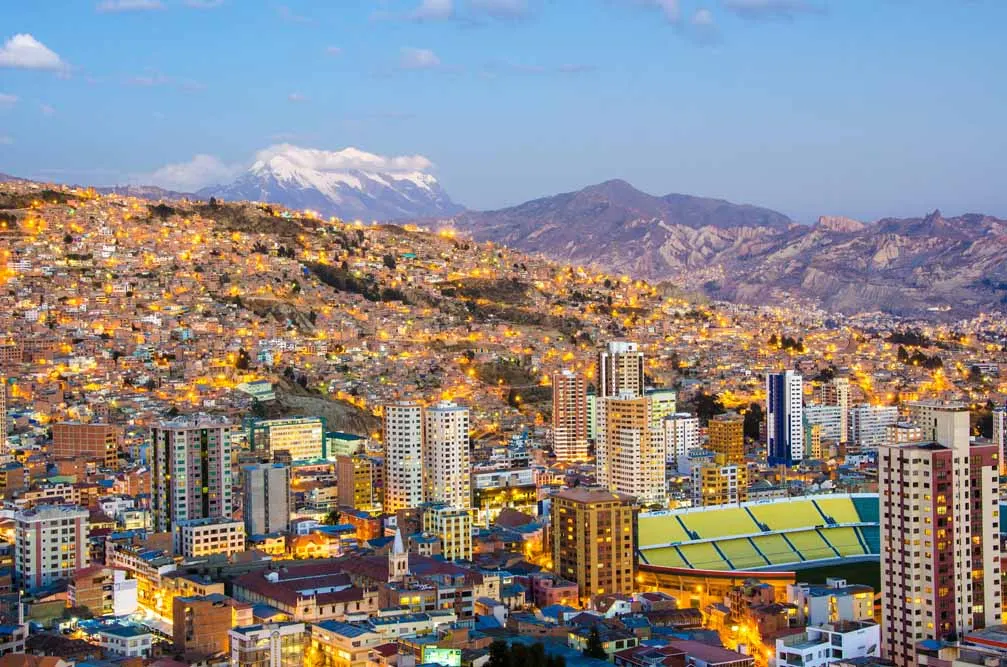
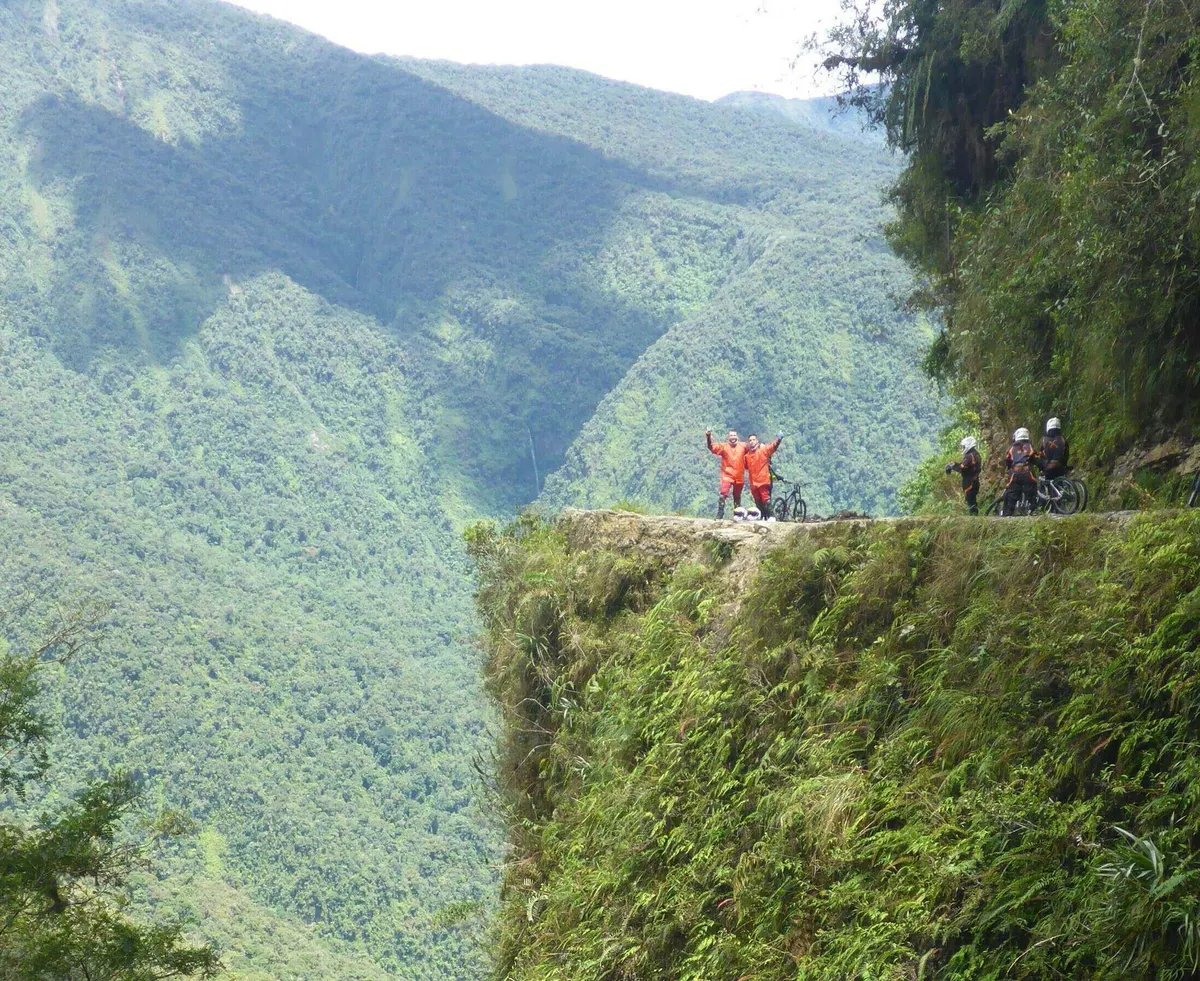
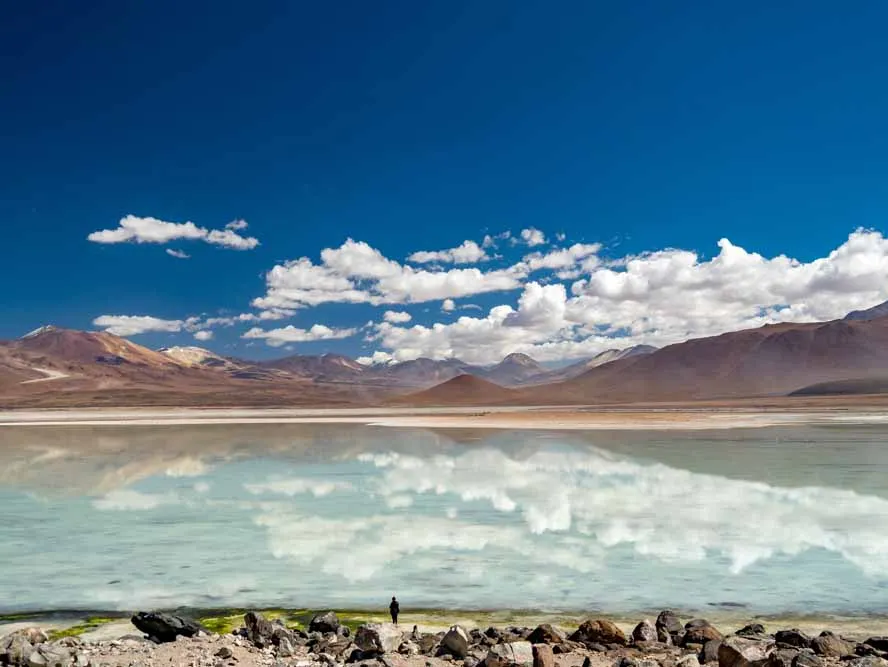
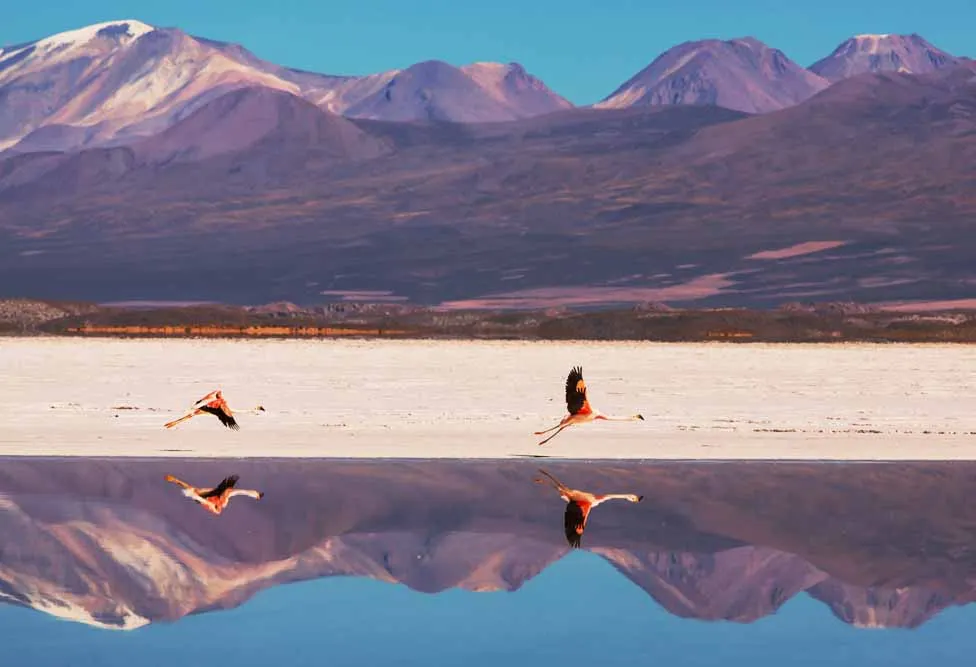
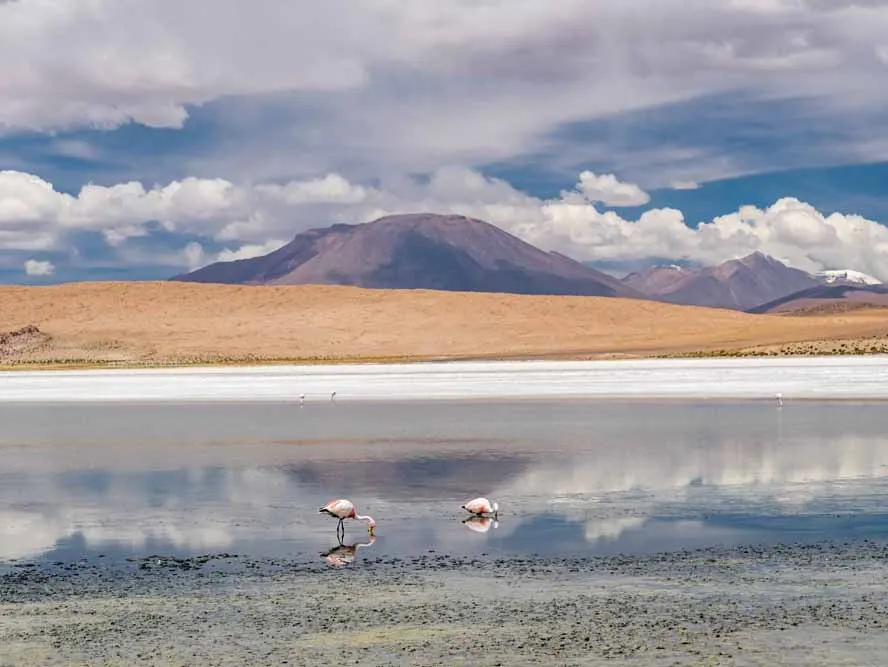
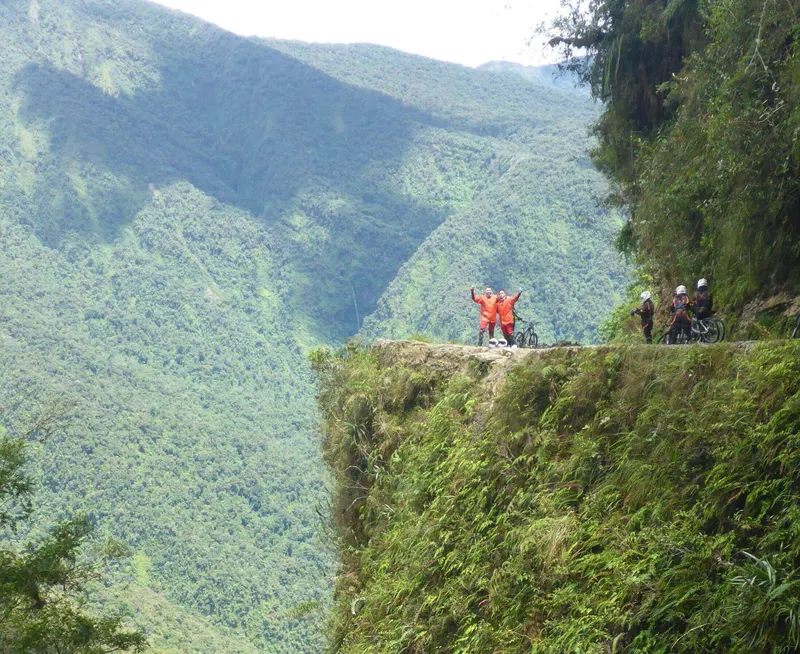
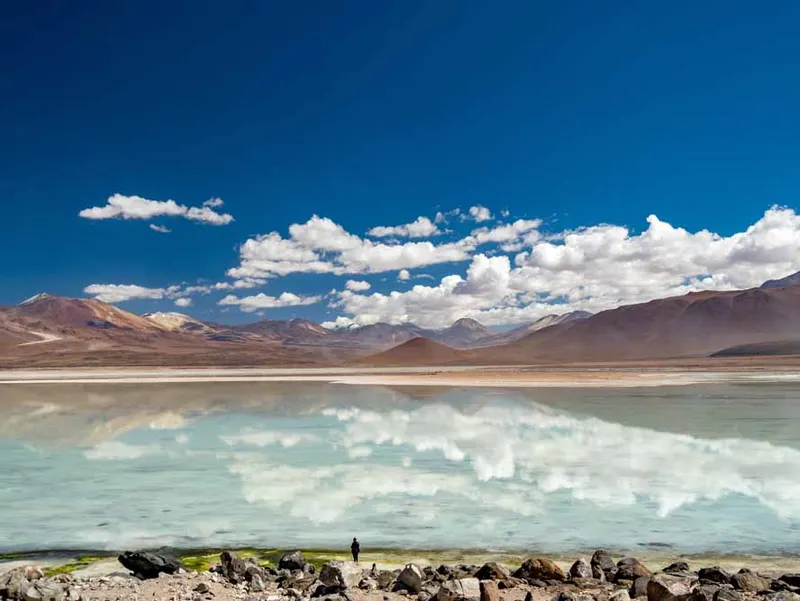
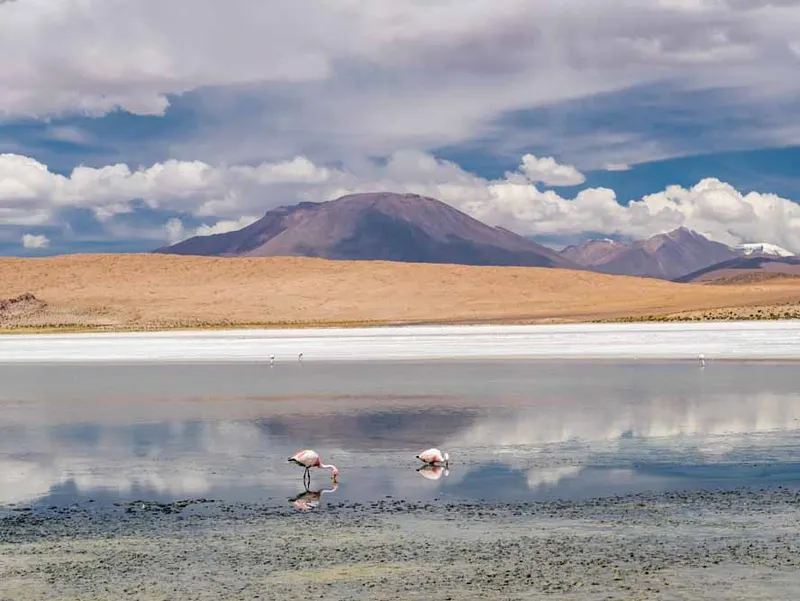
Bolivia boasts a variety of stunning attractions. The Uyuni Salt Flats, the world's largest salt flat, offers a surreal landscape. La Paz, the world's highest capital city, is known for its unique topography and vibrant culture. The ancient ruins of Tiwanaku are a UNESCO World Heritage Site worth exploring. The Amazon Basin and Lake Titicaca are also popular for their natural beauty and cultural significance.
Traveling within Bolivia can be an adventure. Domestic flights are available for long distances, such as between La Paz and Santa Cruz. Buses are the most common and economical way to travel between cities, though they can be slow. In cities, taxis and shared minibuses, known as 'trufis,' are convenient options. Always agree on a fare before starting a taxi ride.
Bolivia offers a variety of traditional dishes that reflect its diverse cultures. Try 'salteñas,' savory pastries filled with meat, vegetables, and spices. 'Pique a lo macho' is a hearty dish of beef, sausage, and fries. 'Api,' a warm corn-based drink, is popular for breakfast. Don't miss trying 'llajwa,' a spicy sauce made from tomatoes and locoto peppers, often served with meals.
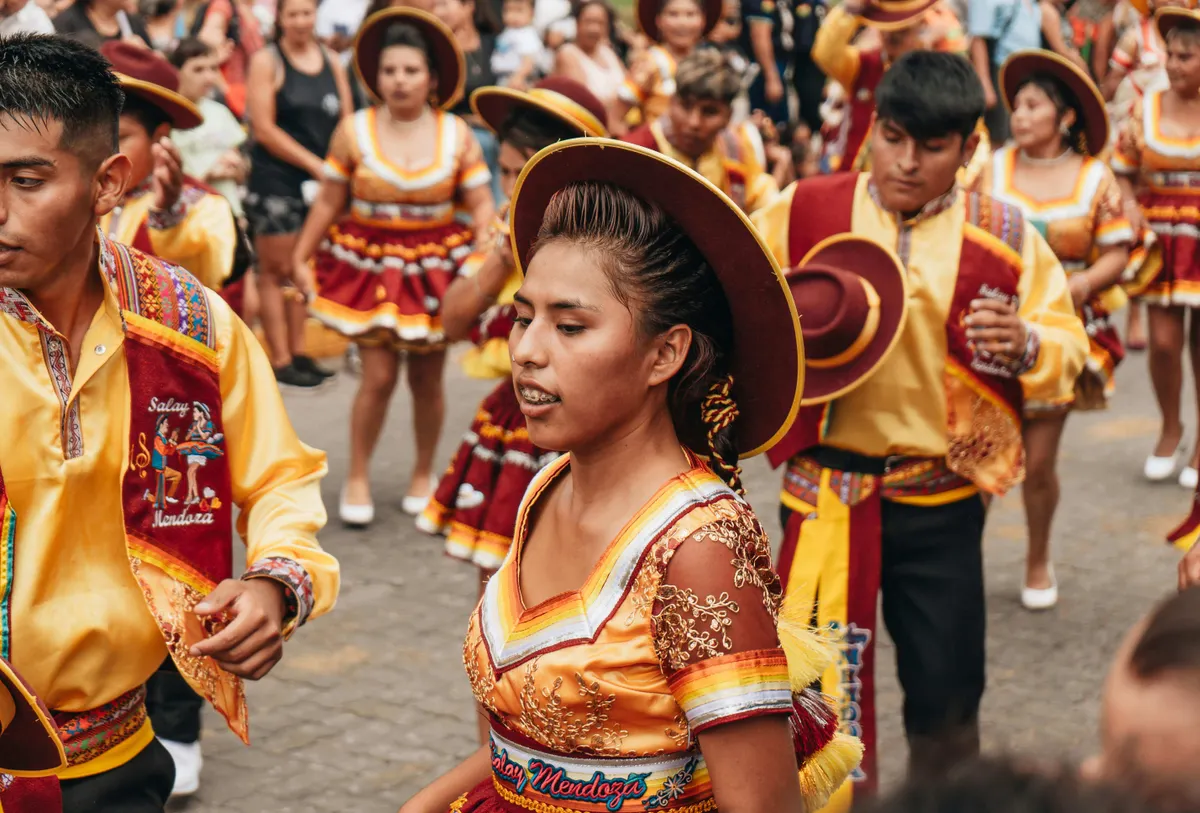
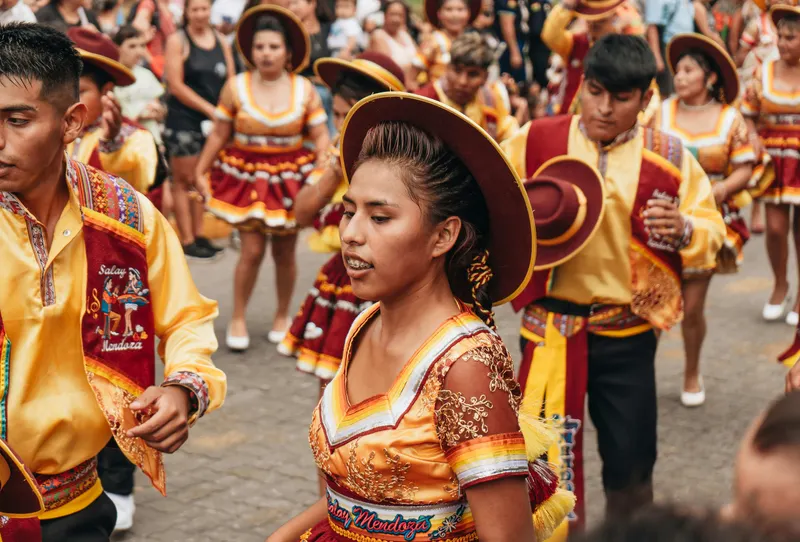
Bolivia is rich in cultural festivals. The Oruro Carnival, a UNESCO Intangible Cultural Heritage, is a vibrant spectacle of music, dance, and costumes held in February or March. The Alasitas Fair in La Paz, celebrated in January, is a unique event where people buy miniature items symbolizing their wishes for the year. Attending these festivals offers a deep insight into Bolivian culture and traditions.