
Details for Bologna
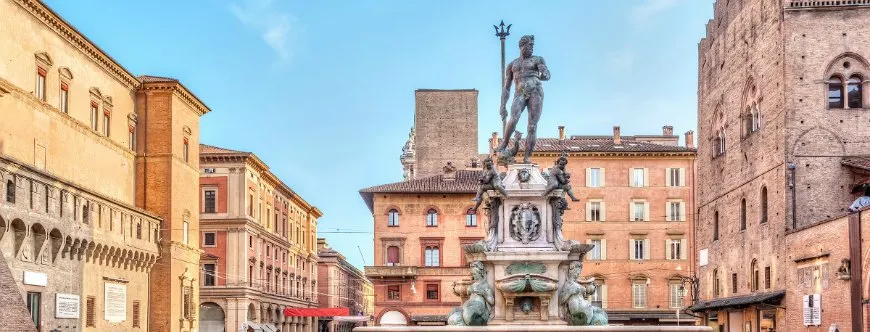

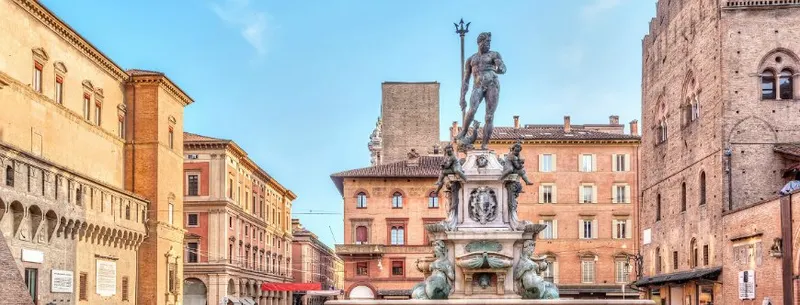
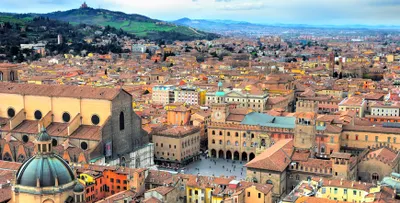
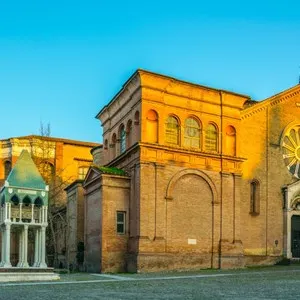
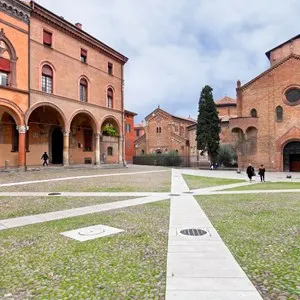
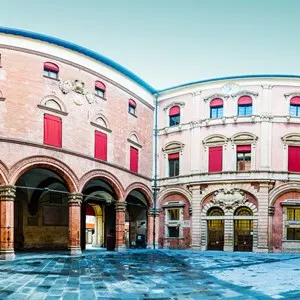
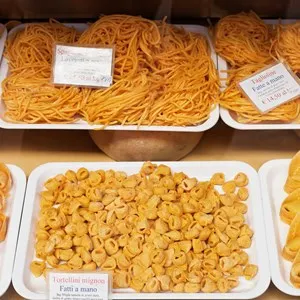
Italians love to define Bologna as a scholarly, fat and red city. The scholarly label refers to the site of the world’s oldest university. The fat label alludes to Bolognese food, with its tagliatelle and tortellini. Finally, Bologna is a red city because of the colour of its houses and also thanks to the political traditions of the city’s administration. Bologna is also a city of porticos, which stretches for nearly 40 kilometres in the city centre, and of the Garisenda tower, the only real leaning tower in Italy — the leaning tower of Pisa is, in fact, a bell tower. Dating back to ancient times, Bologna's roots trace back to the Etruscans and Celts before becoming a significant Roman settlement. Throughout the Middle Ages, the city flourished as a centre of learning and trade, earning the nickname 'La Dotta' (the learned one) due to its esteemed university. Bologna's historical significance is reflected in its stunning architecture, characterised by elegant porticoes, majestic towers, and medieval buildings that adorn its picturesque streets. Today, Bologna continues to captivate visitors with its lively atmosphere, thriving arts scene, and culinary prowess, making it a must-visit destination for travellers seeking an authentic Italian experience.
387,971 (2023)
Euro (EUR) €1 = 100 cents
Carabinieri: 112
Police: 113
Ambulance: 118
Fire Brigade: 115
Shops in Bologna are usually open from 9am to 12:30pm and from 3:30pm to 7:30pm.
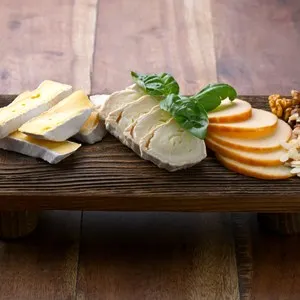
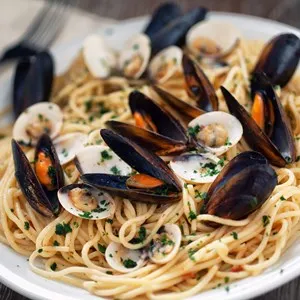
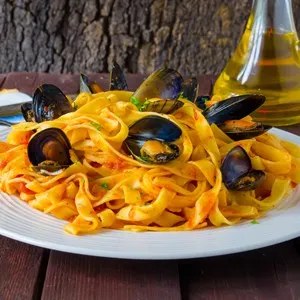























The best time to visit Bologna is during the spring (April to June) or fall (September to October) when the weather is mild and the city is less crowded. These seasons offer pleasant temperatures, perfect for exploring the city's historic streets and enjoying outdoor dining.
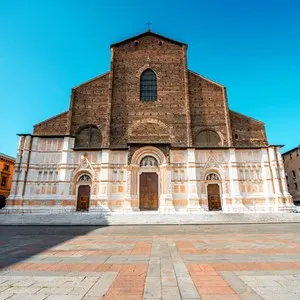
A stay of 2 to 3 days in Bologna is ideal to explore its main attractions. This allows you to visit landmarks such as Piazza Maggiore, the Two Towers, and the Basilica of San Petronio, while also having time to enjoy the local cuisine and perhaps take a day trip to nearby destinations.
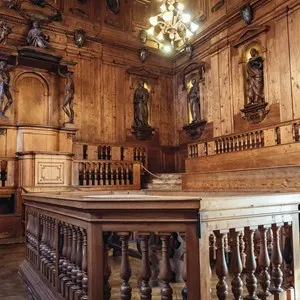
Bologna's must-see attractions include the iconic Two Towers, Piazza Maggiore, and the Basilica of San Petronio. Don't miss the Archiginnasio, which houses the Teatro Anatomico, and the Sanctuary of the Madonna di San Luca, offering panoramic views of the city.
Bologna is a very walkable city, with most attractions located within the historic center. For longer distances, the local bus network is efficient and easy to use. Renting a bike is also a popular option, as the city is flat and bike-friendly.
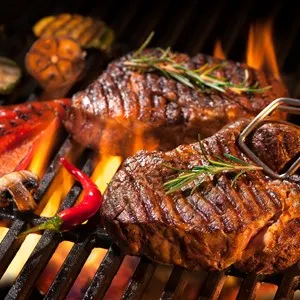
Bologna is renowned for its culinary heritage. Be sure to try traditional dishes such as tagliatelle al ragù (Bolognese sauce), tortellini in brodo (tortellini in broth), and mortadella. Pair your meal with a glass of local Lambrusco wine for a true Bolognese experience.
Bologna hosts several cultural events throughout the year. The Bologna Jazz Festival in November attracts music lovers, while the Cinema Ritrovato in June celebrates classic films. The city also hosts the Bologna Children's Book Fair in March, a major event for the publishing industry.
Bologna's central location makes it an excellent base for day trips. Consider visiting Modena, known for balsamic vinegar and Ferrari, or Parma, famous for its cheese and ham. Ravenna, with its stunning mosaics, and the charming city of Ferrara are also within easy reach.