
Brighton Travel & Vacation Guide


Current Weather

Description
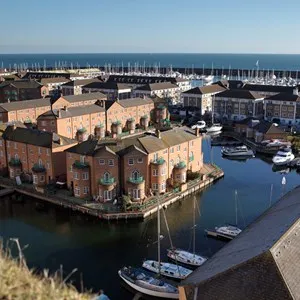
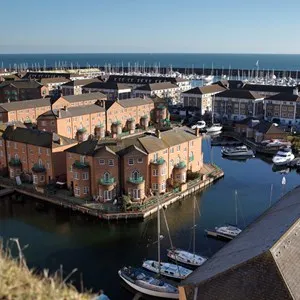
Formerly known as Brighthelmstone, the town used to be a simple fishing village. It was not until the late 18th century that Brighthelmstone gained much attention when a doctor began prescribing bathing in the town's seawater to his patients. From then on, it increasingly attracted visitors, including numerous royals. With the continued patronage of visitors from all over the world, tourism in Brighton flourished, and over the years, Brighton evolved from a simple fishing village into a beach getaway with hotels and commercial establishments. Among the most popular spots is the Brighton Marina, a man-made marina with a working harbour that is filled with residential and commercial establishments. The attractiveness of the city was further accentuated by the architecture of the surrounding villages. Economic growth brought about by tourism was complemented by the promotion of arts and culture. There is always something on in Brighton, from cultural performances to festivals, all of which make Brighton one of the most cultural cities in Europe. Today, Brighton is among the top holiday destinations in Europe. Tourists from all walks of life pour in not only to indulge in its innate beauty and art but also to relax and be free in a city that fosters openness, creativity and diversity.
Useful information
Brighton and Hove: 290,885
British pounds, £1 = 100 pence
112 or 999 for police, fire or ambulance
Most establishments are usually open Mon–Sat 9am–5:30pm while some department stores open at about 10 or 11am, especially on Sundays. There are large supermarkets that are open 24 hours a day, 7 days a week.
Do & See




Dining








Cafés








Bars & Nightlife








Shopping







Tourist Information



Frequently Asked Questions
The best time to visit Brighton is from late spring to early autumn, particularly between May and September. During these months, the weather is generally pleasant, allowing you to enjoy the city's beaches, outdoor events, and vibrant atmosphere. The summer months, especially July and August, are the warmest and most popular, but also the busiest.
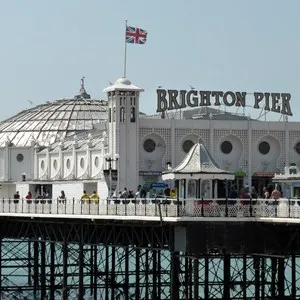
A stay of two to three days in Brighton is ideal to explore the main attractions, enjoy the beach, and experience the local culture. This timeframe allows you to visit the Royal Pavilion, stroll along the Brighton Pier, explore the Lanes for shopping, and enjoy the local dining scene.
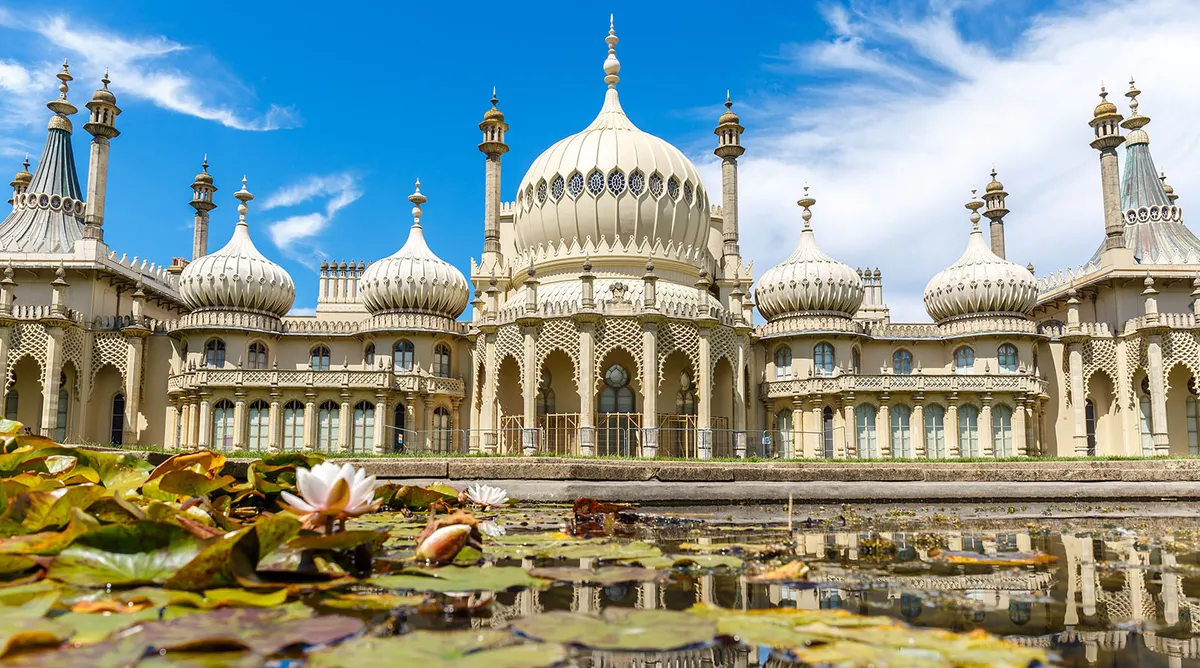
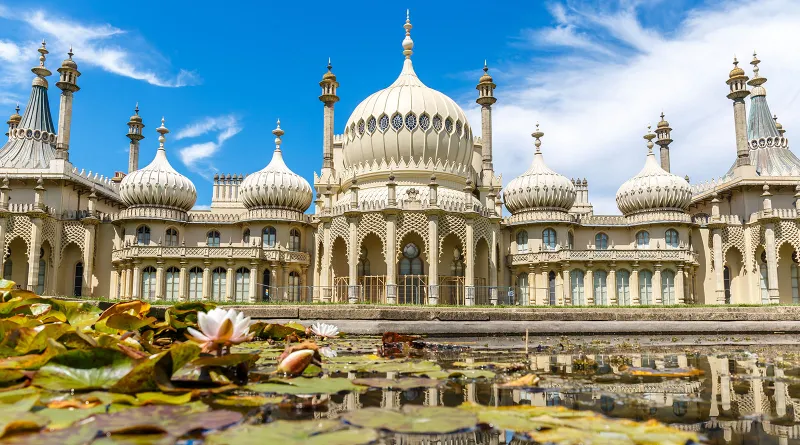
Brighton offers a variety of must-see attractions, including: - The Royal Pavilion: A stunning former royal residence with an exotic design. - Brighton Pier: A classic seaside amusement pier with rides and games. - The Lanes: A maze of narrow streets filled with unique shops and cafes. - Brighton Beach: Known for its pebbly shore and vibrant atmosphere. - British Airways i360: A vertical cable car offering panoramic views of the city.
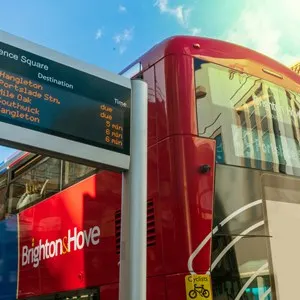
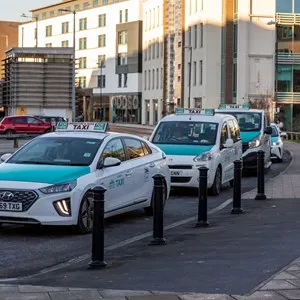
Brighton is a compact city, and the best way to get around is on foot or by using the local bus services. Walking allows you to explore the city's charming streets and attractions at your own pace. For longer distances, Brighton & Hove Buses offer comprehensive routes throughout the city and surrounding areas.
While in Brighton, be sure to try some local specialties such as: - Fish and chips: A classic British dish, best enjoyed by the seaside. - Sussex Pond Pudding: A traditional dessert made with suet pastry, butter, and lemon. - Locally sourced seafood: Brighton's coastal location means fresh seafood is a highlight. - Vegetarian and vegan options: Brighton is known for its diverse and innovative plant-based dining scene.
Brighton hosts several cultural events and festivals throughout the year. The Brighton Festival, held in May, is a major arts festival featuring music, theater, dance, and visual arts. Brighton Pride, usually in August, is one of the UK's largest LGBTQ+ celebrations. The Brighton Fringe, also in May, is an open-access arts festival showcasing a wide range of performances.
Brighton is an excellent base for exploring the surrounding areas. Recommended day trips include: - The Seven Sisters Cliffs: Stunning chalk cliffs offering breathtaking views and walking trails. - Lewes: A historic market town with a charming castle and independent shops. - Arundel: Known for its impressive castle and beautiful gardens. - Devil's Dyke: A picturesque valley with hiking opportunities and panoramic views.