
Details for Brno
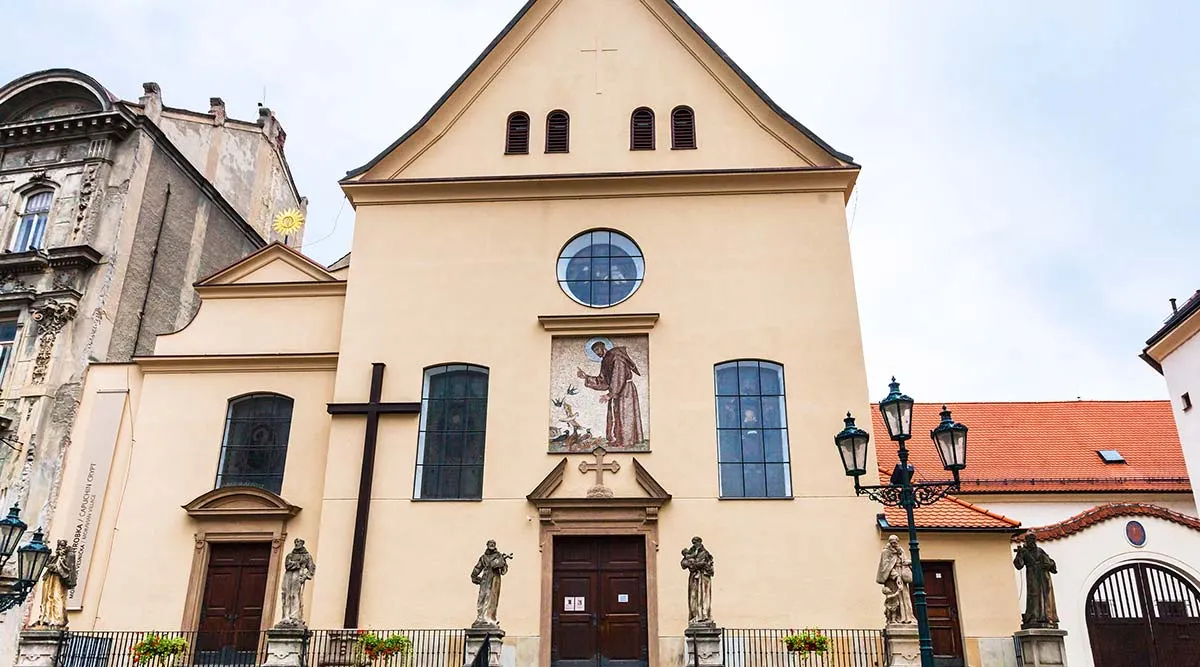
The Moravian capital of Brno is the second largest city in the Czech Republic and the gateway to the fertile vineyards of South Moravia. Brno lies in the eastern foothills of the Bohemian-Moravian Highlands, at the confluence of the Svratka and Svitava rivers. It is the traditional capital of Moravia. North of Brno is the Moravian Karst, a region famous for its caves, grottoes, and gorges. The city’s Old Town Hall is guarded by a two-metre dragon, and one of its gems is the Functionalist Villa Tugendhat which is included in the prestigious UNESCO list.

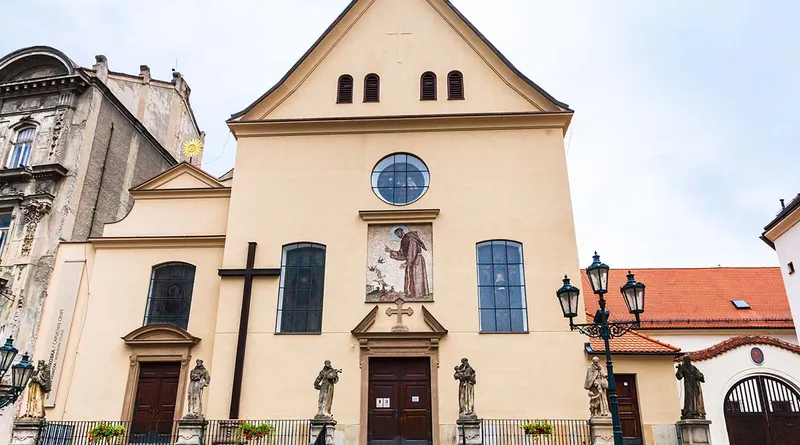
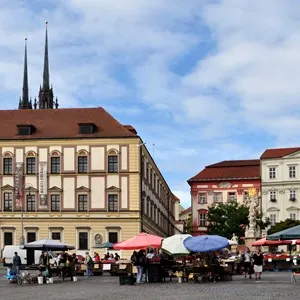
Brno is the capital of Moravia and the second largest city in the Czech Republic, right after Prague. In the 19th century, Brno embraced the Industrial Revolution with great enthusiasm and the city was nicknamed "the Manchester of Moravia". However, Brno is also a very green city with lots of parks and lakes where visitors can chill out. The town centre is easy and fun to explore on foot and is an ideal weekend destination with plenty of pivnices (beer halls), vinárnas (wine bars), kavárnas (coffee houses), cukrárnas (cake shops) and restauraces (self-explanatory). The city is a network of atmospheric cobbled streets lined with shops and restaurants, clustering around the vast open space of the main square, Náměstí Svoboda. Česká is Brno’s most famous street and favourite meeting place, where you can find the famous Stopka pivnice. Brno also has its fair share of cultural icons: it is the birthplace of Milan Kundera – everyone’s favourite Czech writer, and home to composer Leoš Janáček. The Janáčkovo Theatre is home to a superb opera and also a centre for classical music concerts.
377,440
1 Czech crown or koruna (Kč or CZK) = 100 hellers or haléřů
General emergency: 112
Fire service: 150
Ambulance: 155
Police: 158
Municipal police: 156
Shops and banks are open 9am–5pm on weekdays. Most banks are closed on Saturdays. Museums are open 10am–6pm and are usually closed on Mondays.
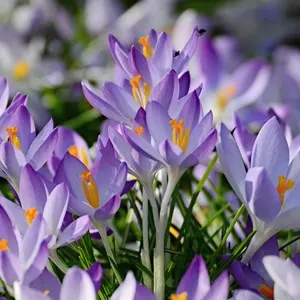

































The best time to visit Brno is during the spring (April to June) and fall (September to October) when the weather is mild and the city hosts various cultural events. These seasons offer pleasant temperatures and fewer tourists, making it ideal for exploring the city's attractions.
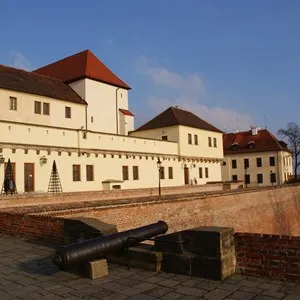
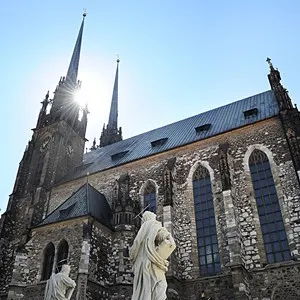
A 2 to 3-day stay in Brno is sufficient to explore its main attractions, such as the Špilberk Castle, Villa Tugendhat, and the Cathedral of St. Peter and Paul. This duration also allows time to enjoy local cuisine and take a leisurely stroll through the historic city center.
Brno offers several must-see attractions, including: - Špilberk Castle: A historic fortress with a museum and panoramic city views. - Villa Tugendhat: A UNESCO World Heritage site showcasing modernist architecture. - Cathedral of St. Peter and Paul: A stunning Gothic cathedral with impressive interiors. - Moravian Museum: The second-largest museum in the Czech Republic, featuring diverse exhibits.
Brno has an efficient public transportation system, including trams, buses, and trolleybuses, making it easy to navigate the city. Tickets can be purchased at kiosks or via mobile apps. Walking is also a great way to explore the compact city center. Taxis and ride-sharing services are available for longer distances.
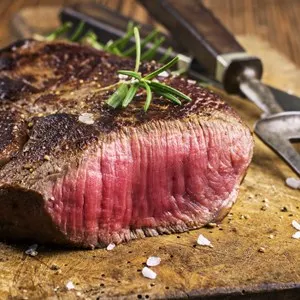
While in Brno, be sure to try traditional Czech dishes such as svíčková (marinated beef with creamy sauce), vepřo knedlo zelo (roast pork with dumplings and sauerkraut), and smažený sýr (fried cheese). Pair your meal with a local Moravian wine or a refreshing Czech beer.
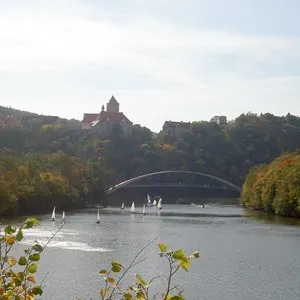
Brno hosts several unique cultural events, such as the Ignis Brunensis fireworks festival in June, featuring spectacular displays over the Brno Dam. The Brno International Folklore Festival in August celebrates traditional music and dance, while the Brno Biennial showcases contemporary graphic design and visual culture.
From Brno, consider day trips to nearby attractions such as the Moravian Karst caves, known for their stunning underground formations, or the Lednice-Valtice Cultural Landscape, a UNESCO World Heritage site with beautiful gardens and palaces. The historic town of Mikulov, famous for its vineyards, is also a worthwhile visit.