
Details for Brno
:no_upscale()/LocalImage/PictureLibrary/Europe-Mediterranean/Czech%20Republic/City%20Shots/Brno-Capuchin%20Monastery.jpg)
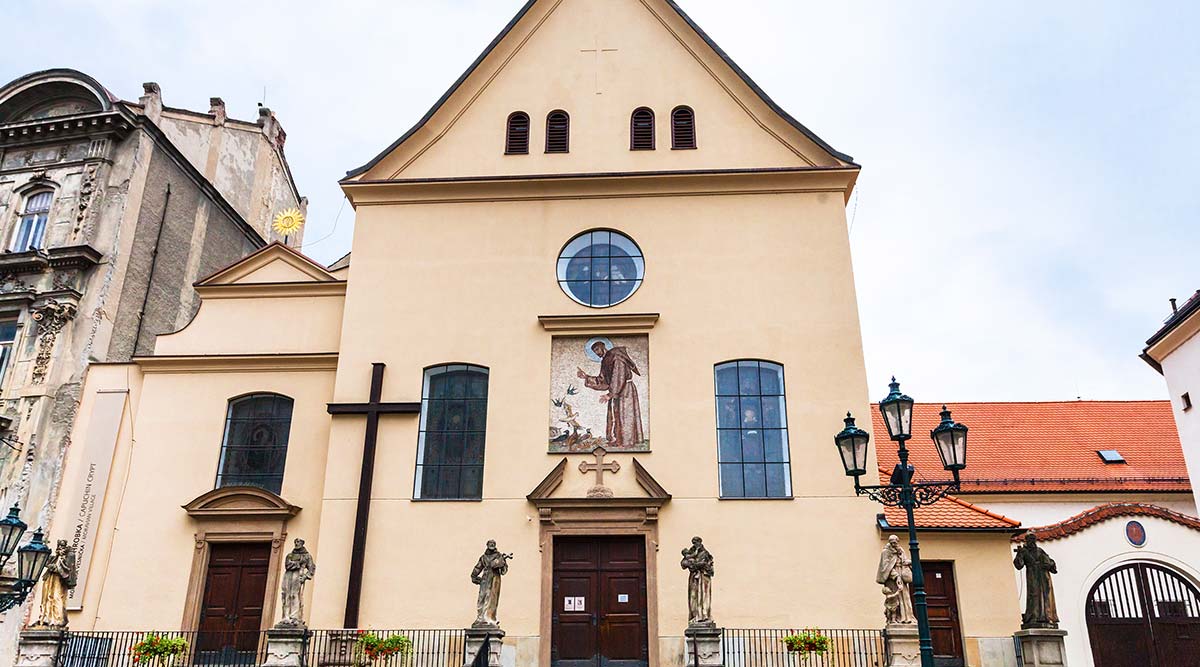
The Moravian capital of Brno is the second largest city in the Czech Republic and the gateway to the fertile vineyards of South Moravia. Brno lies in the eastern foothills of the Bohemian-Moravian Highlands, at the confluence of the Svratka and Svitava rivers. It is the traditional capital of Moravia. North of Brno is the Moravian Karst, a region famous for its caves, grottoes, and gorges. The city’s Old Town Hall is guarded by a two-metre dragon, and one of its gems is the Functionalist Villa Tugendhat which is included in the prestigious UNESCO list.

:no_upscale()/LocalImage/PictureLibrary/Europe-Mediterranean/Czech%20Republic/City%20Shots/Brno-Capuchin%20Monastery.jpg)
Brno is the capital of Moravia and the second largest city in the Czech Republic, right after Prague. In the 19th century, Brno embraced the Industrial Revolution with great enthusiasm and the city was nicknamed "the Manchester of Moravia". However, Brno is also a very green city with lots of parks and lakes where visitors can chill out. The town centre is easy and fun to explore on foot and is an ideal weekend destination with plenty of pivnices (beer halls), vinárnas (wine bars), kavárnas (coffee houses), cukrárnas (cake shops) and restauraces (self-explanatory). The city is a network of atmospheric cobbled streets lined with shops and restaurants, clustering around the vast open space of the main square, Náměstí Svoboda. Česká is Brno’s most famous street and favourite meeting place, where you can find the famous Stopka pivnice. Brno also has its fair share of cultural icons: it is the birthplace of Milan Kundera – everyone’s favourite Czech writer, and home to composer Leoš Janáček. The Janáčkovo Theatre is home to a superb opera and also a centre for classical music concerts.
377,440
1 Czech crown or koruna (Kč or CZK) = 100 hellers or haléřů
General emergency: 112
Fire service: 150
Ambulance: 155
Police: 158
Municipal police: 156
Shops and banks are open 9am–5pm on weekdays. Most banks are closed on Saturdays. Museums are open 10am–6pm and are usually closed on Mondays.


The best time to visit Brno is during late spring (May to June) or early fall (September), when the weather is mild and the city hosts various cultural events.
Key attractions in Brno include the Špilberk Castle, the Cathedral of St. Peter and Paul, and the modernist Villa Tugendhat, a UNESCO World Heritage Site.
You can reach Brno from Prague by train, which takes about 2.5 hours, or by bus, which is slightly longer. Both options offer frequent daily services.
In Brno, try traditional Czech dishes like svíčková (marinated beef with creamy sauce), moravský vrabec (Moravian sparrow), and local wines from the region.
Spending two to three days in Brno is ideal to explore its main attractions, enjoy the local cuisine, and experience the vibrant cultural scene.
Consider day trips to the Moravian Karst for its caves and gorges, the Lednice-Valtice Cultural Landscape, or the historic town of Mikulov with its vineyards.
Brno has an efficient public transport system including trams, buses, and trolleybuses. Tickets can be purchased at kiosks or via a mobile app.