
Details for Budapest
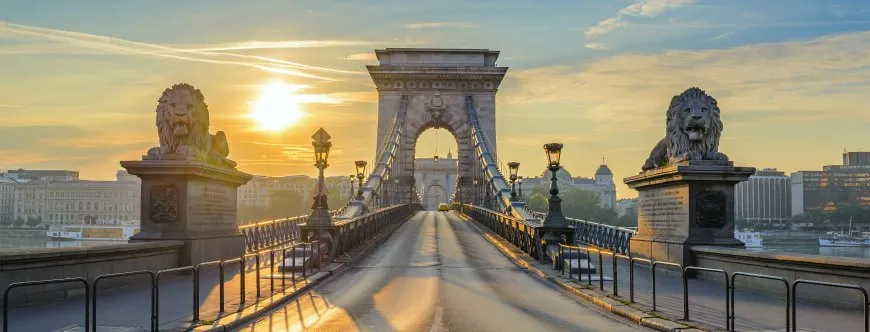


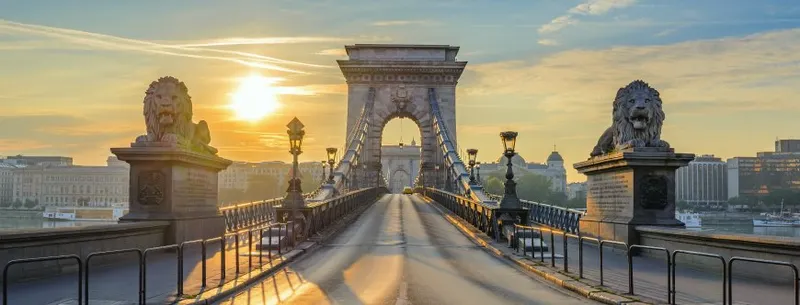
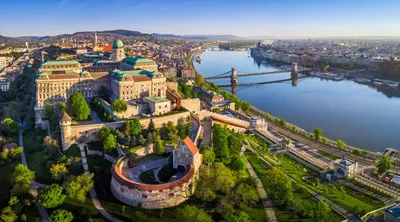
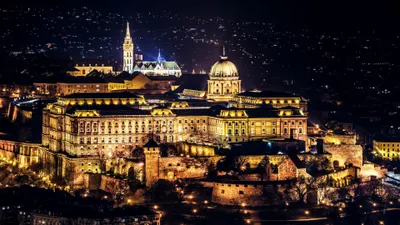
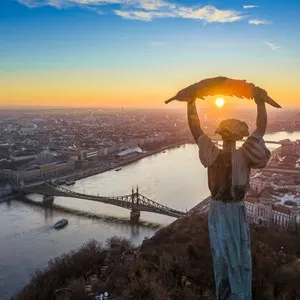
Situated along the banks of the Danube River, Budapest’s origins trace back to the merging of two historic towns: Buda, which sits on the hilly west bank of the Danube, and Pest, located on the flat east bank. The history of Budapest is marked by a series of invasions, occupations, and revolutions. From Roman settlements to Ottoman rule and Habsburg dominance, Budapest has seen its share of conquests and conflicts. The city reached its peak during the 19th century when it emerged as a vibrant cultural hub of the Austro-Hungarian Empire, witnessing the construction of iconic landmarks like the Hungarian Parliament Building, Buda Castle, and the Chain Bridge. However, the 20th century brought turmoil to Budapest with World Wars, communist rule, and the 1956 uprising against Soviet control. The fall of communism in 1989 marked a turning point, ushering in an era of democratic governance, economic reform, and cultural revival. Today, Budapest stands as a testament to resilience and renewal, blending its rich past with modern innovation. Visitors flock to the city to explore its magnificent architecture, relax in its thermal baths, and savour its vibrant culinary scene. With its bustling markets, lively festivals, and thriving arts scene, Budapest continues to captivate travellers from around the world.
Metro area: 1,778,000 (2023)
Hungarian Forint, HUF (Ft)
Emergency: 112
Ambulance: 104
Fire brigade: 105
Police: 107
Business hours are usually from 8am–5pm. Certain offices might have shortened opening hours on Fridays. Major shopping malls and selected shops are open until around 8pm including weekends.




































The best time to visit Budapest is during the spring (March to May) and fall (September to November) when the weather is mild, and the city is less crowded. These seasons offer pleasant temperatures for exploring the city's outdoor attractions and enjoying events like the Budapest Spring Festival or the Budapest Wine Festival.
A 3 to 4-day stay in Budapest is recommended to explore the main attractions. This allows time to visit iconic sites such as Buda Castle, the Hungarian Parliament Building, and the Széchenyi Thermal Bath, as well as to enjoy a leisurely cruise on the Danube River and explore the city's vibrant neighborhoods.
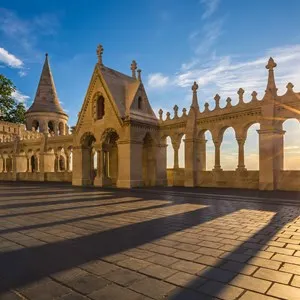
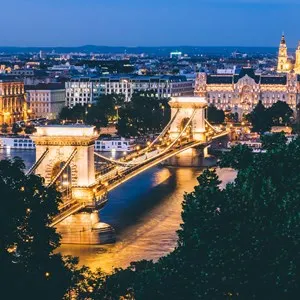
Some must-see landmarks in Budapest include the Buda Castle, a UNESCO World Heritage site; the stunning Hungarian Parliament Building; Fisherman's Bastion for panoramic views; and St. Stephen's Basilica. Don't miss the Chain Bridge, which beautifully connects Buda and Pest, and the historic thermal baths like Gellért and Széchenyi.
Budapest has an efficient public transportation system, including buses, trams, and a metro network. The Budapest Card offers unlimited travel on public transport and discounts to various attractions. Walking is also a great way to explore the city center, while taxis and ride-sharing apps are available for longer distances.
In Budapest, try traditional Hungarian dishes such as gulyás (goulash), a hearty meat and vegetable soup; lángos, a deep-fried flatbread often topped with sour cream and cheese; and chimney cake, a sweet, spiral-shaped pastry. Pair your meal with a glass of Hungarian Tokaji wine or pálinka, a local fruit brandy.
Budapest hosts several unique cultural events and festivals throughout the year. The Budapest Spring Festival features a variety of music, dance, and art performances. The Sziget Festival in August is one of Europe's largest music festivals, and the Budapest Wine Festival in September celebrates the country's rich wine heritage.
There are several worthwhile day trips from Budapest. Visit the historic town of Szentendre, known for its art galleries and museums, or explore the medieval Visegrád Castle for stunning views of the Danube Bend. The town of Eger, famous for its baroque architecture and wine cellars, is also a popular excursion.