

Details for Budapest
:no_upscale()/LocalImage/Destinations/636021845966343421.jpg)








:no_upscale()/LocalImage/Destinations/636021845966343421.jpg)


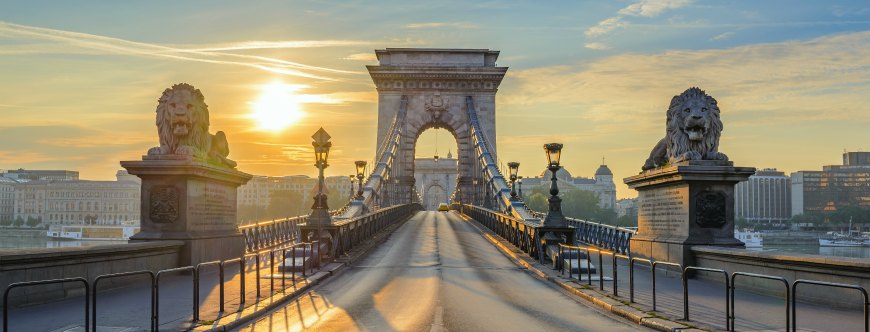
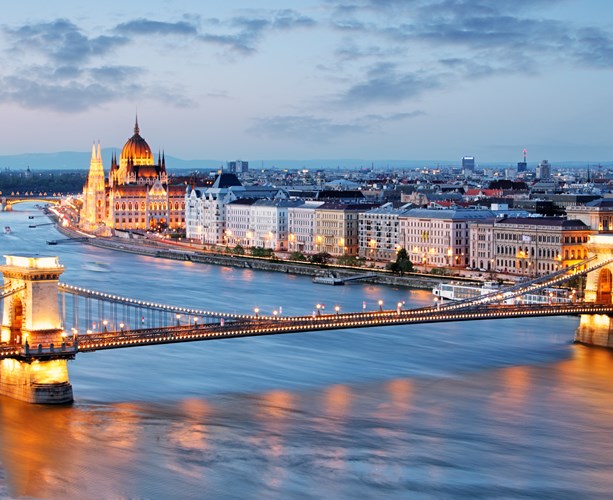
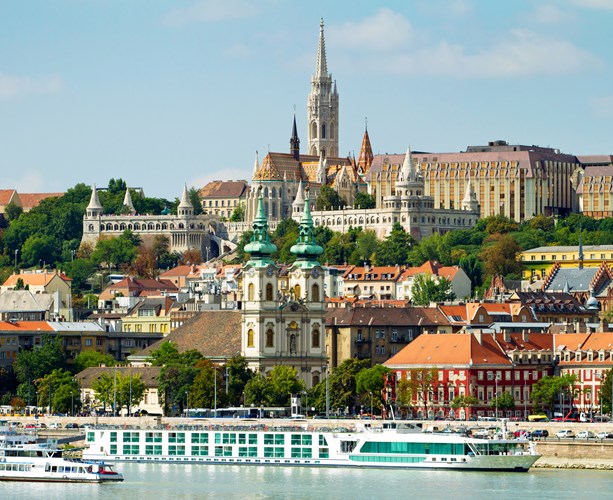
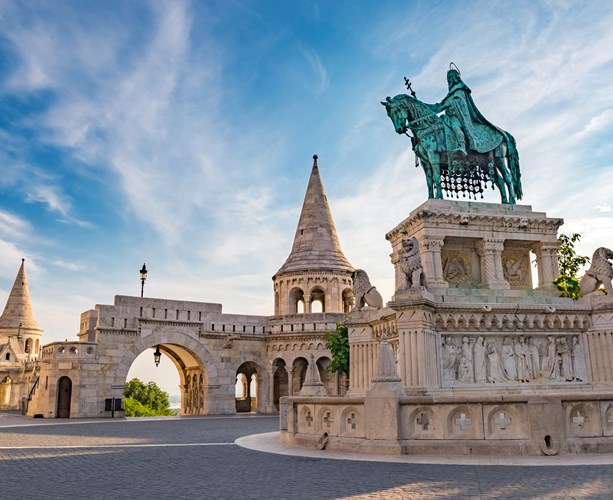
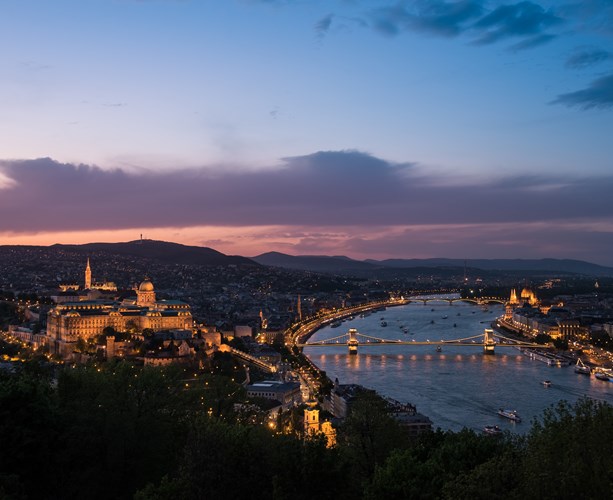
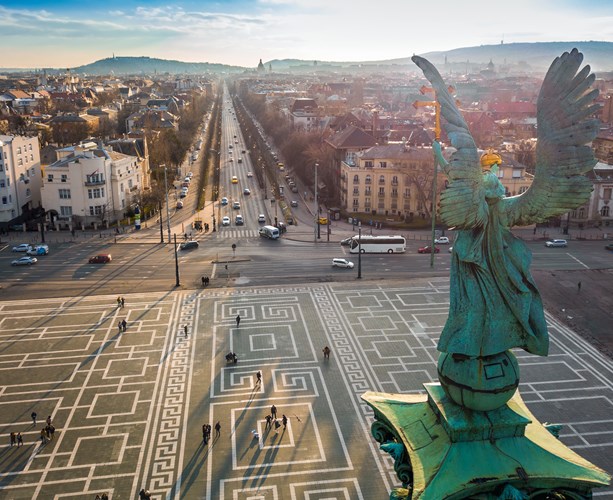
Situated along the banks of the Danube River, Budapest’s origins trace back to the merging of two historic towns: Buda, which sits on the hilly west bank of the Danube, and Pest, located on the flat east bank. The history of Budapest is marked by a series of invasions, occupations, and revolutions. From Roman settlements to Ottoman rule and Habsburg dominance, Budapest has seen its share of conquests and conflicts. The city reached its peak during the 19th century when it emerged as a vibrant cultural hub of the Austro-Hungarian Empire, witnessing the construction of iconic landmarks like the Hungarian Parliament Building, Buda Castle, and the Chain Bridge. However, the 20th century brought turmoil to Budapest with World Wars, communist rule, and the 1956 uprising against Soviet control. The fall of communism in 1989 marked a turning point, ushering in an era of democratic governance, economic reform, and cultural revival. Today, Budapest stands as a testament to resilience and renewal, blending its rich past with modern innovation. Visitors flock to the city to explore its magnificent architecture, relax in its thermal baths, and savour its vibrant culinary scene. With its bustling markets, lively festivals, and thriving arts scene, Budapest continues to captivate travellers from around the world.
Metro area: 1,778,000 (2023)
Hungarian Forint, HUF (Ft)
Emergency: 112
Ambulance: 104
Fire brigade: 105
Police: 107
Business hours are usually from 8am–5pm. Certain offices might have shortened opening hours on Fridays. Major shopping malls and selected shops are open until around 8pm including weekends.


The best time to visit Budapest is during the spring (April to June) and fall (September to October) when the weather is mild and the city is not too crowded.
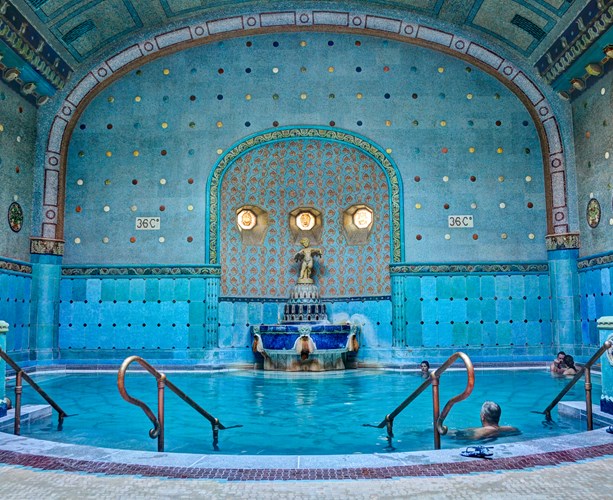
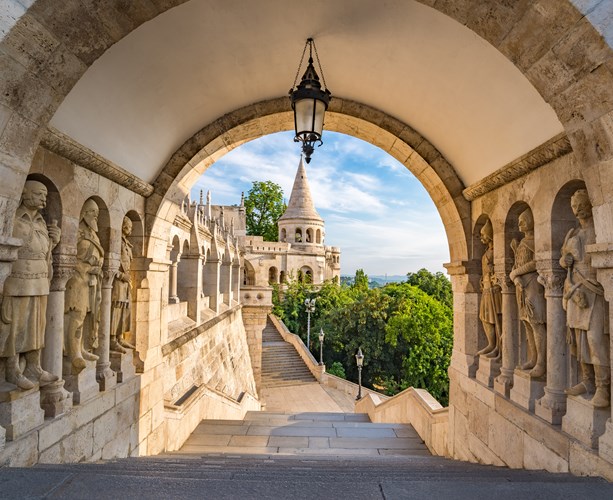
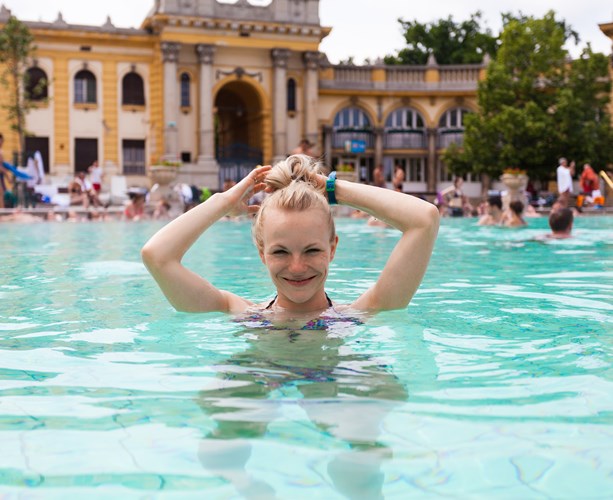
Don't miss the Buda Castle, Fisherman's Bastion, and the Parliament Building. Also, take a relaxing soak in the Széchenyi Thermal Bath and enjoy a cruise on the Danube River.
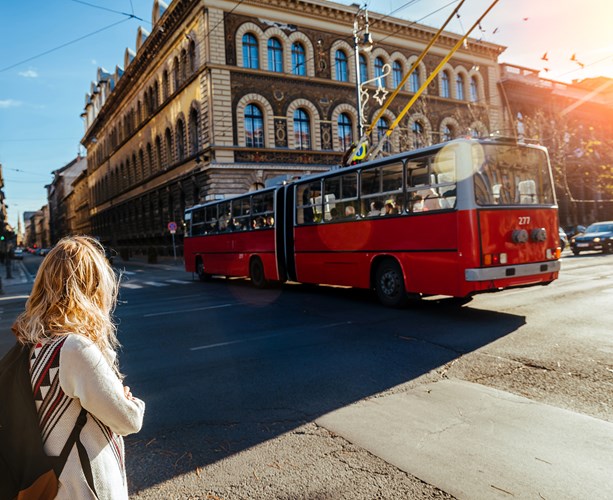
Budapest has an efficient public transportation system including buses, trams, and the metro. The Budapest Card offers unlimited travel on public transport and discounts at various attractions.
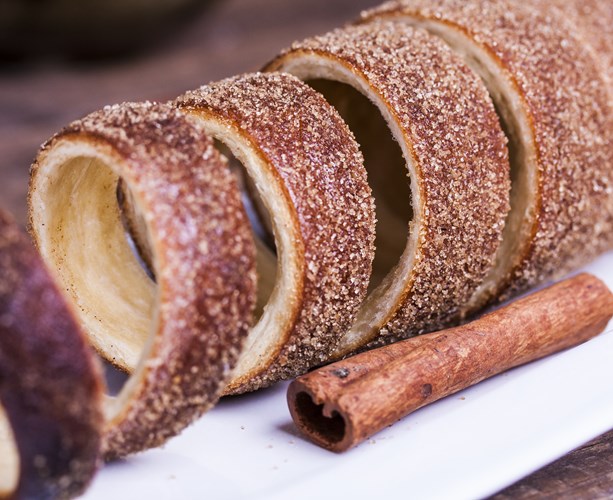
Try traditional Hungarian dishes like goulash, chicken paprikash, and lángos. For dessert, indulge in a slice of Dobos torte or a chimney cake.
A visit of three to four days is ideal to explore the main attractions, enjoy local cuisine, and take a day trip to nearby sites like Szentendre or the Danube Bend.
The districts of Belváros-Lipótváros (District V) and Erzsébetváros (District VII) are centrally located with plenty of attractions, dining, and nightlife options.
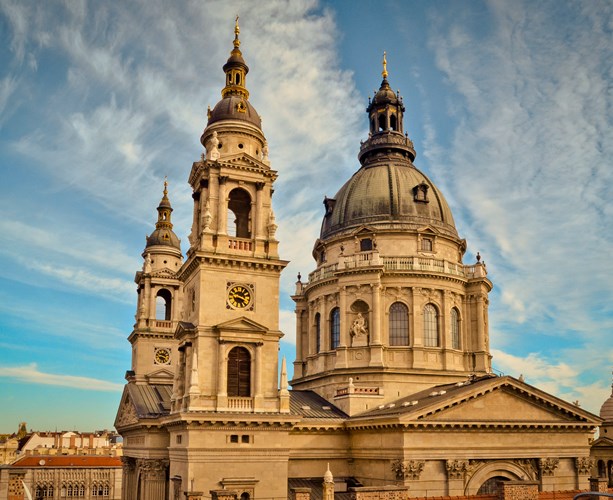
In Budapest, it's polite to greet people with a handshake. When dining, it's customary to say 'Egészségedre!' when toasting. Dress modestly when visiting churches.
:no_upscale()/LocalImage/PictureLibrary/Europe-Mediterranean/Hungary/City%20Shot/Budapest/Budapest%20Buda%20Castle%20.jpg)
:no_upscale()/LocalImage/PictureLibrary/Europe-Mediterranean/Czech%20Republic/City%20Shots/Czech%20Republic,%20Prague-02.jpg)
:no_upscale()/LocalImage/PictureLibrary/Europe-Mediterranean/Hungary/City%20Shot/Hungary,-Budapest1200x667.jpg)
:no_upscale()/LocalImage/PictureLibrary/Europe-Mediterranean/Czech%20Republic/City%20Shots/Czech%20Republic,%20Karlovy%20Vary-01.jpg)
:no_upscale()/LocalImage/PictureLibrary/Europe-Mediterranean/Germany/City%20Shots/Berlin%20Castle.jpg)