
Cancun Travel & Vacation Guide



Current Weather

Description
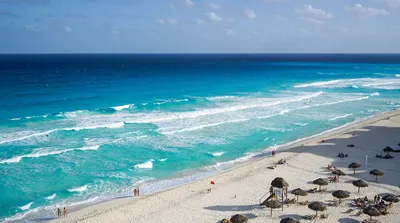
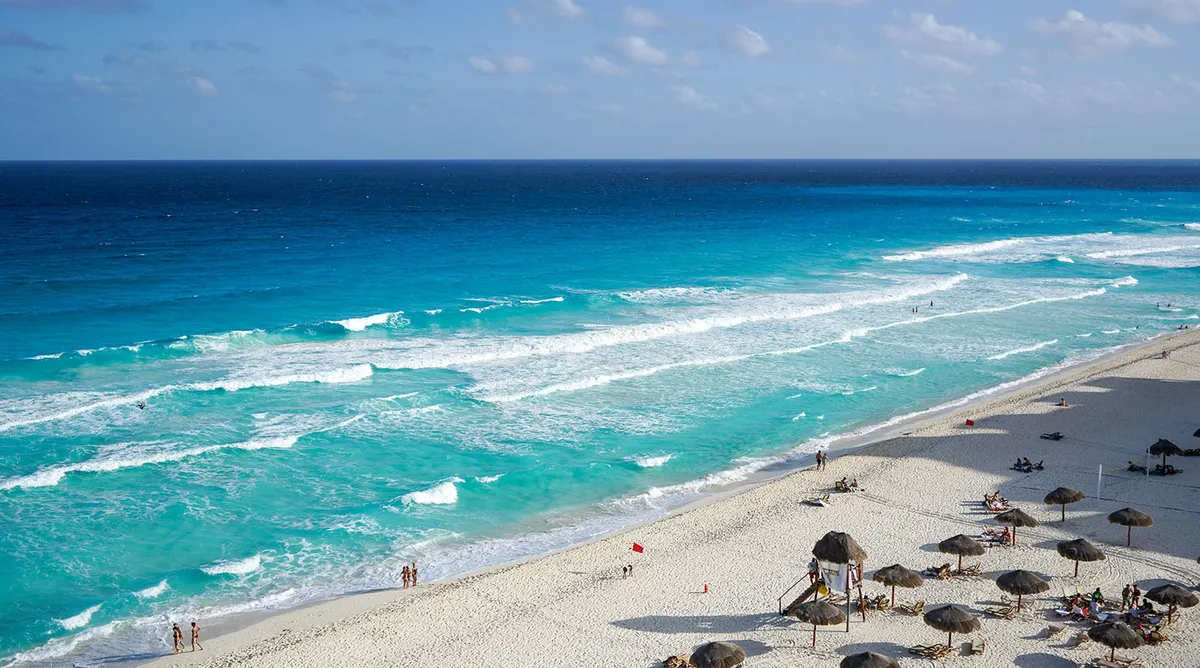
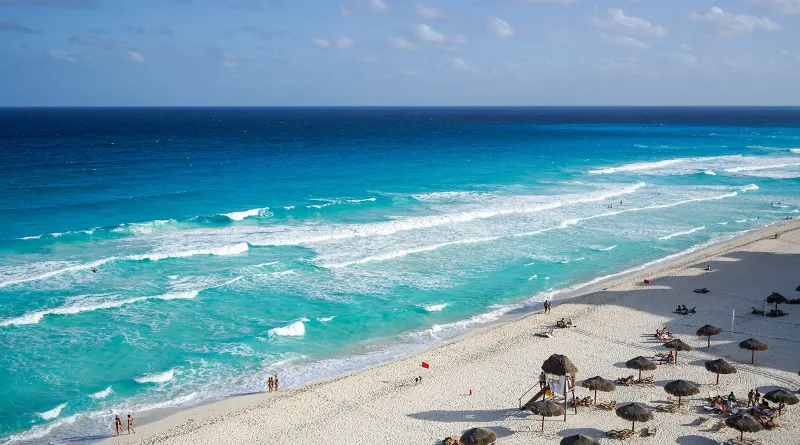
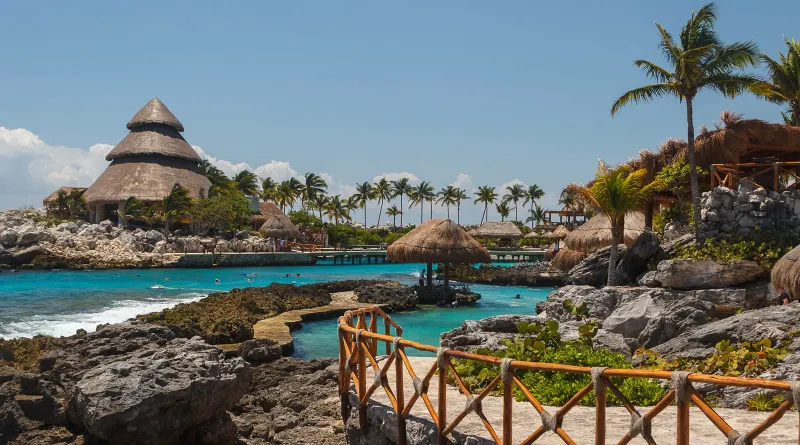
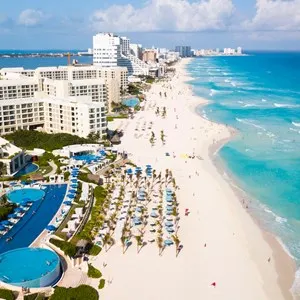
Today, Cancún is known worldwide for its turquoise-blue water beaches, luxurious resorts, and bustling nightlife. But before this Mexican city became a major tourist destination, the region, which was once home to the Mayan civilization, was mostly wetlands, mangroves, jungles, and untouched beaches. After it was left abandoned for centuries, the Mexican government finally realized in 1968 its true potential as a holiday hotspot. Currently, Cancún is divided into two distinctive districts, the famous Hotel Zone (Zona Hotelera), a beachfront strip of hotels, resorts, eateries, shops, bars, and nightclubs, and the actual city of Cancún, known as El Centro. The Hotel Zone, which is surrounded by 25 kilometers of pure white sandy beach, is linked to the city via the four-lane Boulevard Kukulcán.
Useful information
1,023,000 (2023)
Mexican Peso 1 $ = 100 Centavos. USD are widely accepted in tourist areas. Prices may be in USD or MX pesos.
911
Downtown 9am–9pm. Hotel Zone 10am–10pm. Shops & malls are usually open 7 days a week. Small shops may close for siesta between 2pm and 4pm.
Do & See




Dining



Cafés




Bars & Nightlife






Shopping





Tourist Information



Frequently Asked Questions
The best time to visit Cancun is from December to April when the weather is most pleasant with warm temperatures and minimal rainfall. This period is considered the peak tourist season, so expect larger crowds and higher prices. If you prefer a quieter experience, consider visiting in May or November, just before or after the peak season.
A stay of 5 to 7 days in Cancun is ideal to fully experience its beaches, nightlife, and nearby attractions. This duration allows time for relaxation on the beach, exploring Mayan ruins, and taking day trips to places like Isla Mujeres or Tulum.
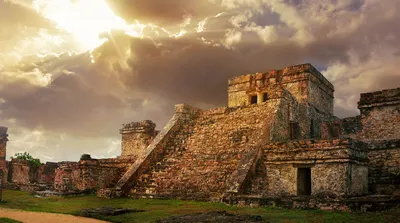
Must-see attractions in Cancun include the stunning beaches like Playa Delfines, the ancient Mayan ruins of El Rey, and the interactive exhibits at the Cancun Underwater Museum. Don't miss a visit to the nearby Isla Mujeres for snorkeling and the vibrant nightlife in the Hotel Zone.
The best way to get around Cancun is by using the local bus system, which is affordable and covers most tourist areas. Taxis are also widely available but agree on a fare before starting your journey. For more flexibility, consider renting a car, especially if you plan to explore beyond the city.
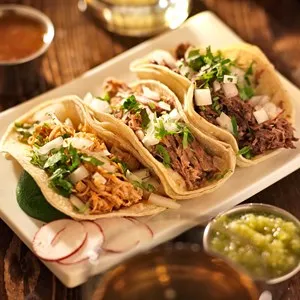
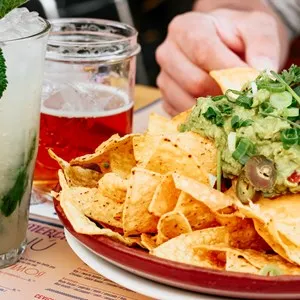
In Cancun, try local dishes such as cochinita pibil, a slow-roasted pork dish marinated in citrus juice and annatto, and ceviche, a refreshing seafood dish. Don't miss sampling authentic tacos al pastor and enjoying a traditional Mayan drink called xtabentún, a honey and anise liqueur.
While Cancun is generally safe for tourists, it's important to stay vigilant. Stick to well-populated areas, avoid isolated beaches at night, and use reputable transportation services. Keep an eye on your belongings and be cautious when withdrawing cash from ATMs.
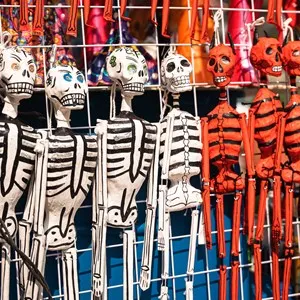
Cancun hosts several vibrant cultural events, such as the Cancun-Riviera Maya Wine & Food Festival in March, showcasing the region's culinary scene. In November, the Day of the Dead celebrations offer a unique insight into Mexican traditions with colorful altars and festivities.