
Details for Carcassonne
:no_upscale()/LocalImage/PictureLibrary/Europe-Mediterranean/France/carcassonne%20france%20shutterstock_1124338451%20WEB.jpg)
:no_upscale()/LocalImage/PictureLibrary/Europe-Mediterranean/France/carcassonne%20france%20shutterstock_324520247%20WEB.jpg)

:no_upscale()/LocalImage/PictureLibrary/Europe-Mediterranean/France/carcassonne%20france%20shutterstock_1124338451%20WEB.jpg)
:no_upscale()/LocalImage/PictureLibrary/Europe-Mediterranean/France/carcassonne%20france%20shutterstock_324520247%20WEB.jpg)
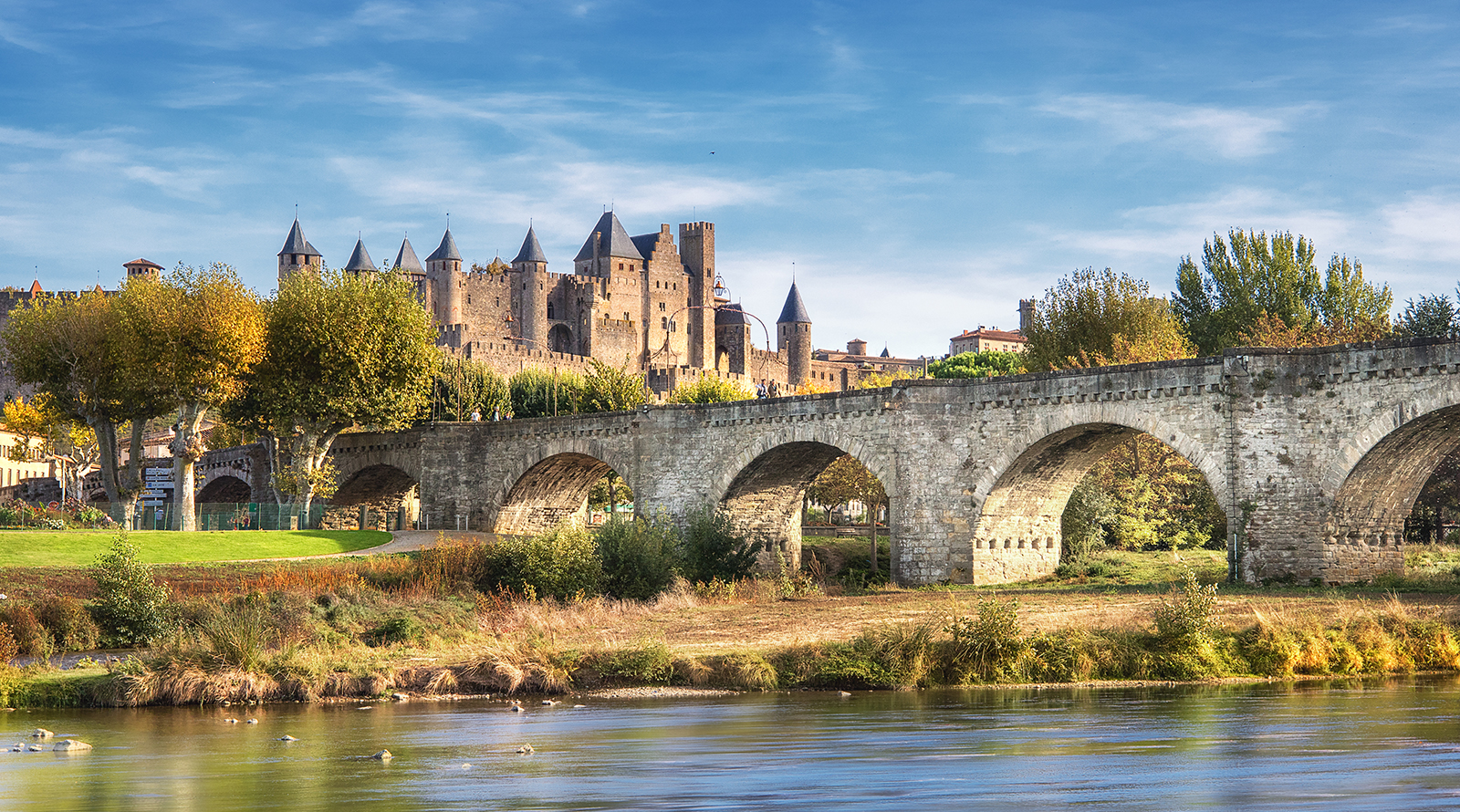
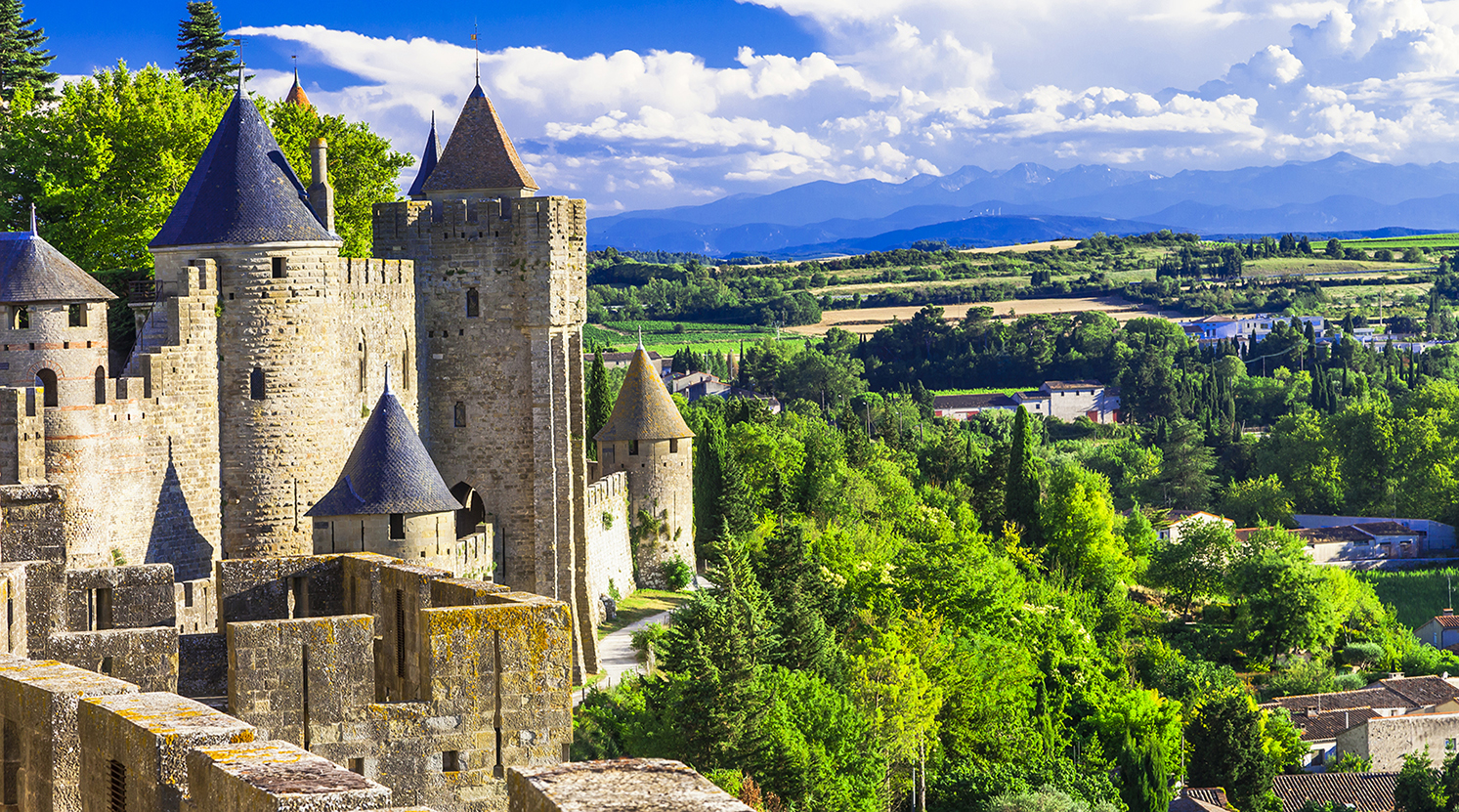
Carcassonne has been influenced by over 2,000 years of conquests, crusades, and the prosperous period of Catharism’s religion. Before its restoration, the Cité was an abandoned place in an outlying area in a town made wealthy by the wine trade and the clothes manufacturing industry. Today, Carcassonne offers a unique historical and architectural asset. In the absence of any heavy industry, tourism is undoubtedly the city’s strength both because of its geographic position and its exceptional heritage. The medieval walled town, the “Cité,” lies on the right bank of river Aude, and is still home to a population of around 120, with a large number of shops and craftsmen. On the left bank, the modern city Bastide Saint Louis has kept its historical roots. You will be amazed by its outstanding variety of architectural styles, including buildings dating from the 14th to the 18th century, such as the Saint Michel Cathedral.
49,600
Euro (EUR) €1 = 100 cents
Emergency: 112
Police: 17
Ambulance: 15
Fire Brigade: 18
Most shops are open Monday to Saturday from 9 am-7 pm, but smaller shops may be closed at lunchtime from 12 pm-2 pm. Stores are closed on Sundays and public holidays, except for annual sales events.


The best time to visit Carcassonne is from May to September when the weather is warm and ideal for exploring the medieval city. During these months, you can enjoy outdoor activities and festivals, though July and August can be crowded due to peak tourist season.
The must-see attraction in Carcassonne is the Cité de Carcassonne, a UNESCO World Heritage site. This medieval fortress features 52 towers and double-walled fortifications. Also, visit the Basilica of Saints Nazarius and Celsus for its stunning stained glass windows.
A stay of two to three days is ideal to explore Carcassonne. This allows time to fully explore the Cité de Carcassonne, visit local museums, and enjoy leisurely walks along the Canal du Midi.
While in Carcassonne, try the traditional dish cassoulet, a hearty stew made with white beans, duck, and sausages. Also, sample regional wines from the Languedoc-Roussillon area, which complement the local cuisine perfectly.
Carcassonne is accessible by train from major cities like Toulouse and Montpellier. The city also has an airport with flights from several European destinations. Renting a car is an option if you prefer to explore the surrounding countryside.
The best way to get around Carcassonne is on foot, especially within the Cité de Carcassonne where cars are not allowed. For exploring areas outside the medieval city, consider renting a bike or using local buses.
Yes, consider a day trip to the nearby village of Minerve, known for its picturesque landscapes and historical significance. Another option is the Cathar castles, such as Château de Peyrepertuse, which offer stunning views and a glimpse into the region's past.