
Details for Casablanca
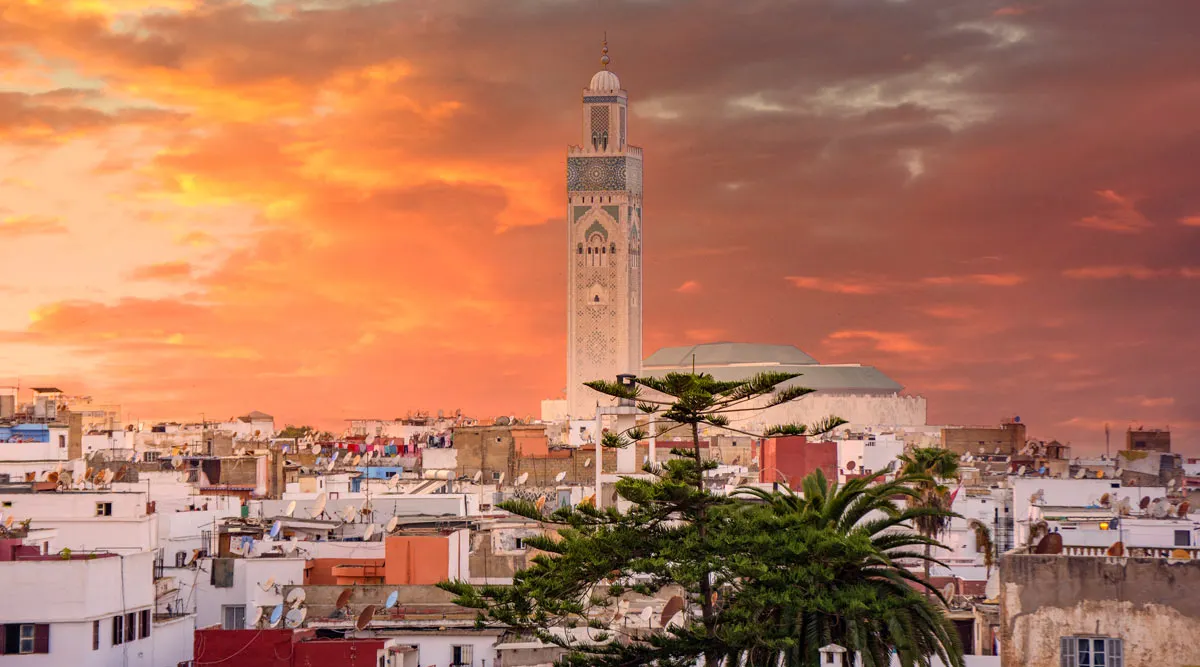
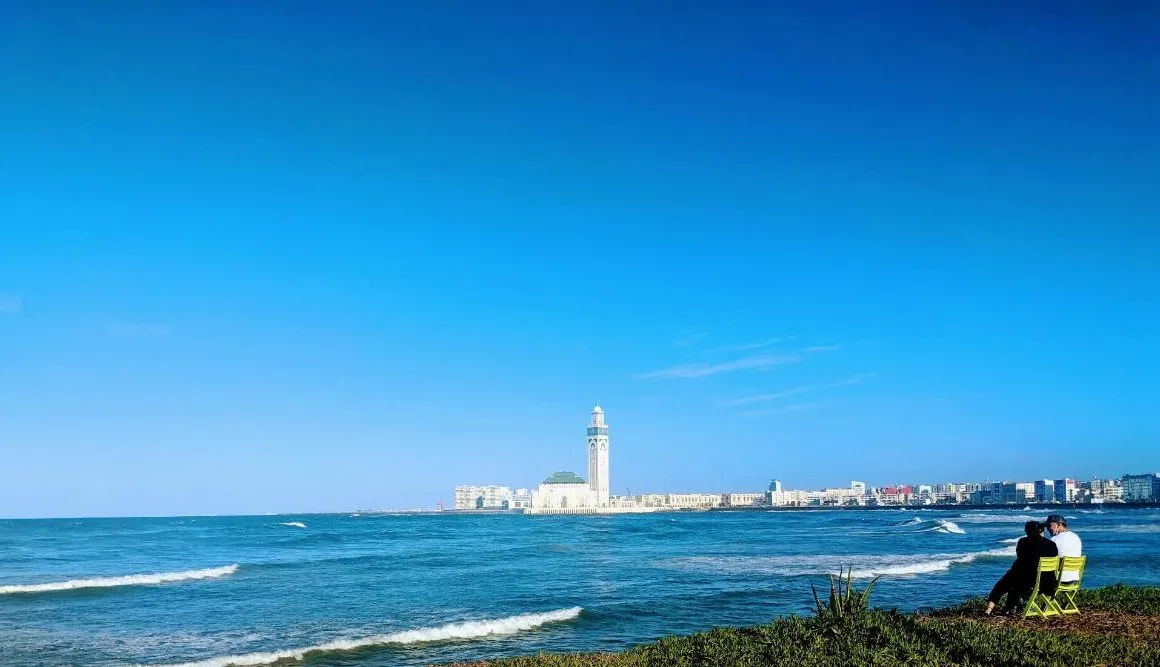
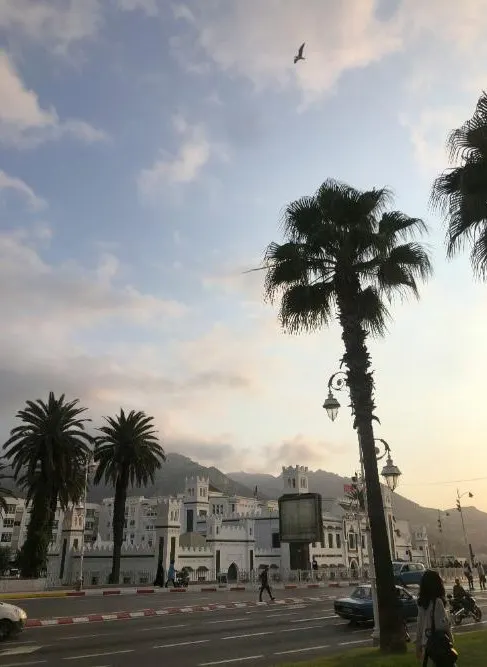



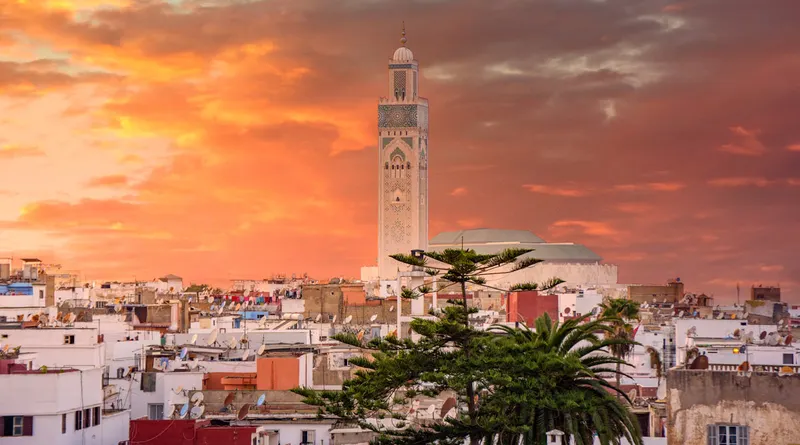
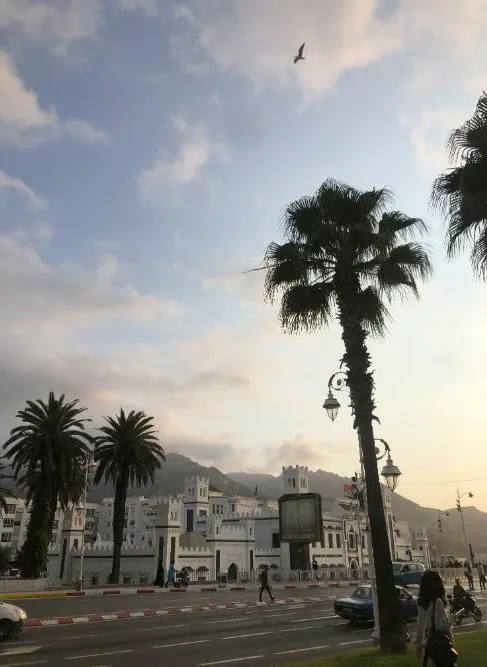
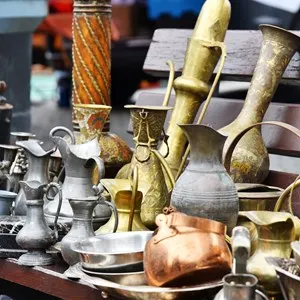
Infused with a sense of romantic allure by the iconic 1942 film starring Humphrey Bogart and Ingrid Bergman, Casablanca might not be Morocco's political capital (that title goes to Rabat), but it unquestionably reigns as the nation's economic and cultural heartbeat. While Rabat holds the formal title, Casablanca excels in areas that matter on a day-to-day basis: commerce, industry, and shipping. This bustling activity lends the city a distinctly contemporary aura. Nowhere is this more evident than along Boulevard Brahim Roudani, where sleek business centres give way to upscale restaurants and diverse cultural spaces. These modern enclaves provide a sharp contrast to the Old Town's narrow lanes and the vibrant souks, set against a backdrop of aging, colonial-era buildings. Known locally as Casa or Dar El Beïda in Arabic, Casablanca boasts a rich and complex history. Its story took a dramatic turn during the 15th-century Portuguese occupation, aimed at suppressing piracy through the strategic use of the port. However, the devastating earthquake of 1755 lessened Portuguese interest, paving the way for a rebirth under the Moroccan leader Sidi Mohammed III. This layered history adds yet another dimension to a city that constantly straddles the old and the new.
4 million (2025)
Moroccan dirham (MAD)
Police: 19
Ambulance/Fire: 15


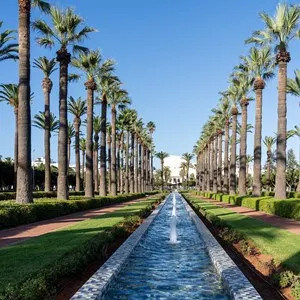
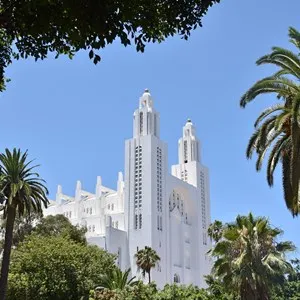
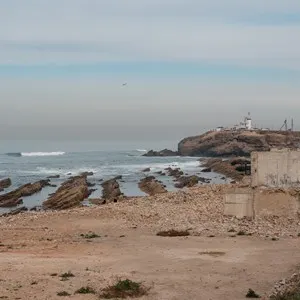

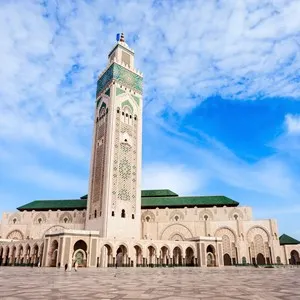
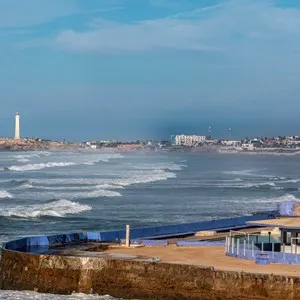











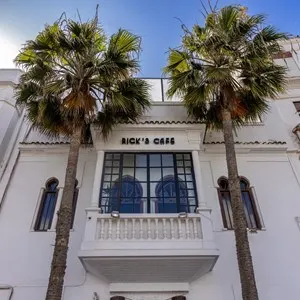
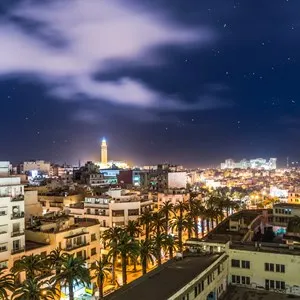




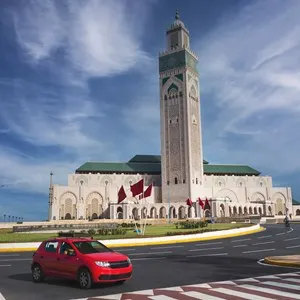
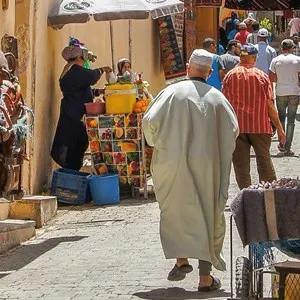

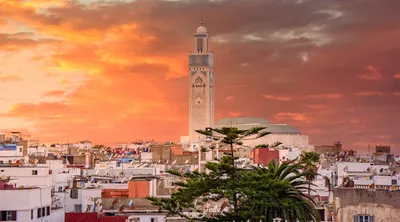
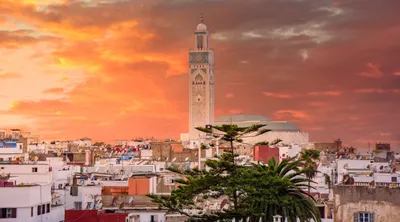
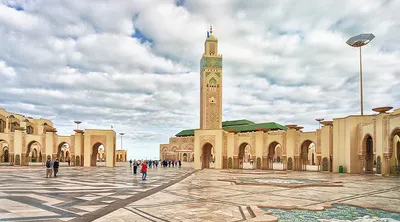
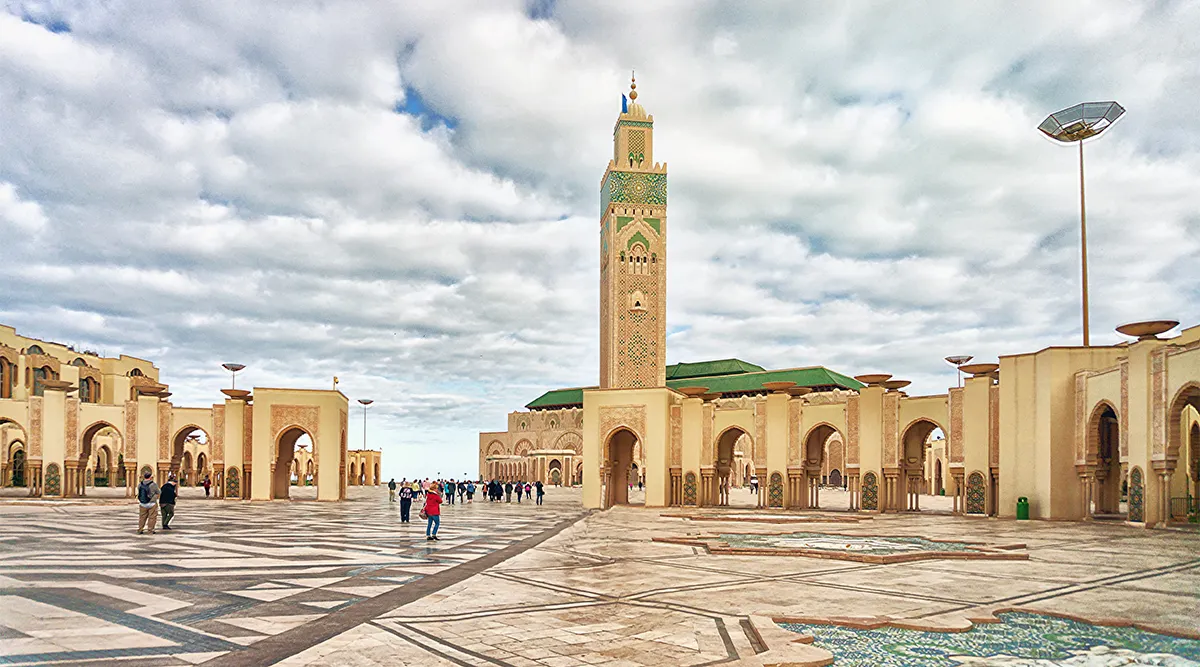
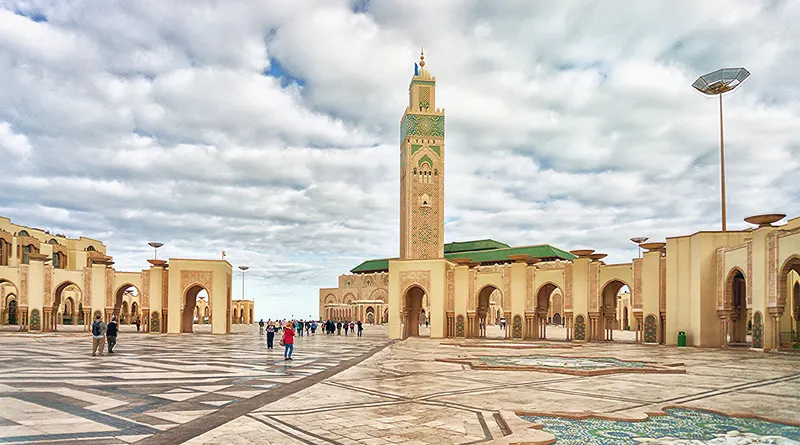
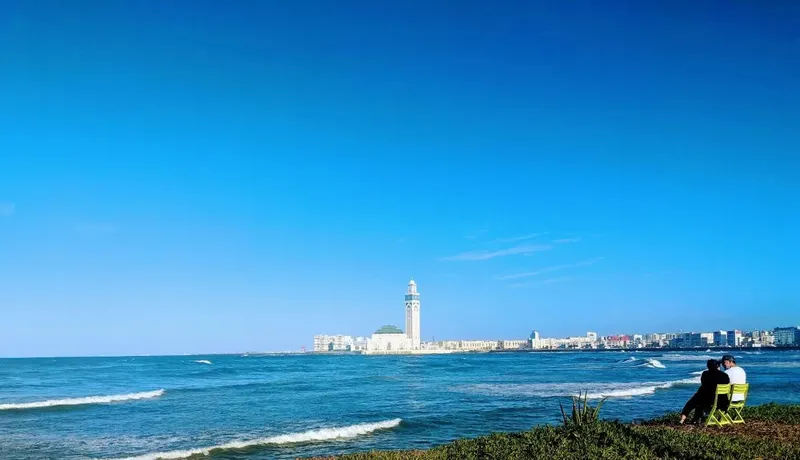
Casablanca is home to the iconic Hassan II Mosque, one of the largest mosques in the world, and the stunning Art Deco architecture of the city center. Don't miss the Corniche, a waterfront promenade, and the Royal Palace, although it is not open to the public.
The best time to visit Casablanca is during the spring (March to May) and fall (September to November) when the weather is mild and pleasant, ideal for exploring the city.
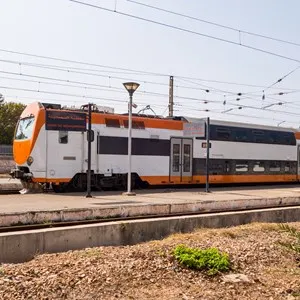
Casablanca has a reliable public transportation system, including trams and buses. Taxis are also widely available and convenient for getting around the city quickly.
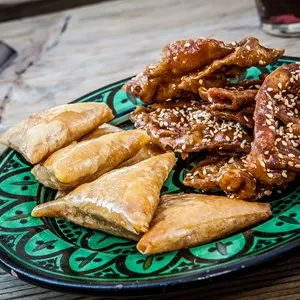
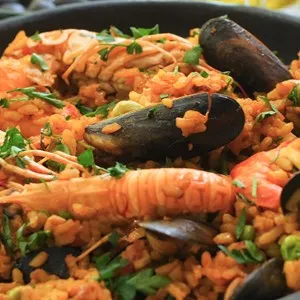
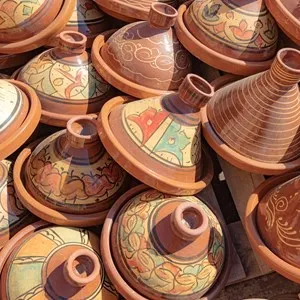
In Casablanca, try traditional Moroccan dishes like tagine, couscous, and pastilla. Fresh seafood is also popular, given the city's coastal location.
Two to three days are sufficient to explore Casablanca's main attractions, enjoy its culinary scene, and experience the local culture.
Consider day trips to Rabat, Morocco's capital, or the historic city of El Jadida, both offering rich history and unique Moroccan charm.
The Maarif and Anfa neighborhoods are popular for their central location, offering easy access to shopping, dining, and major attractions.