
Castro Travel & Vacation Guide







Current Weather


Frequently Asked Questions
The best time to visit Castro, the capital of Chiloe Island, is during the summer months from December to February. During this period, the weather is milder, with temperatures ranging from 50°F to 70°F, and there is less rainfall, making it ideal for exploring the island's natural beauty and cultural sites.
To reach Castro from mainland Chile, travelers typically fly into Santiago and then take a domestic flight to Puerto Montt. From Puerto Montt, you can take a ferry to Chiloe Island, followed by a bus or car ride to Castro. The journey offers scenic views of the Chilean fjords and countryside.
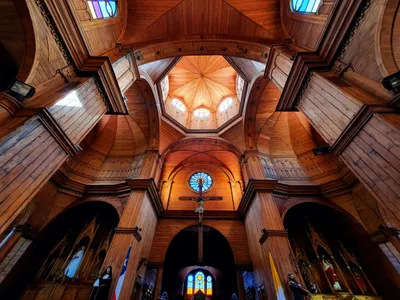
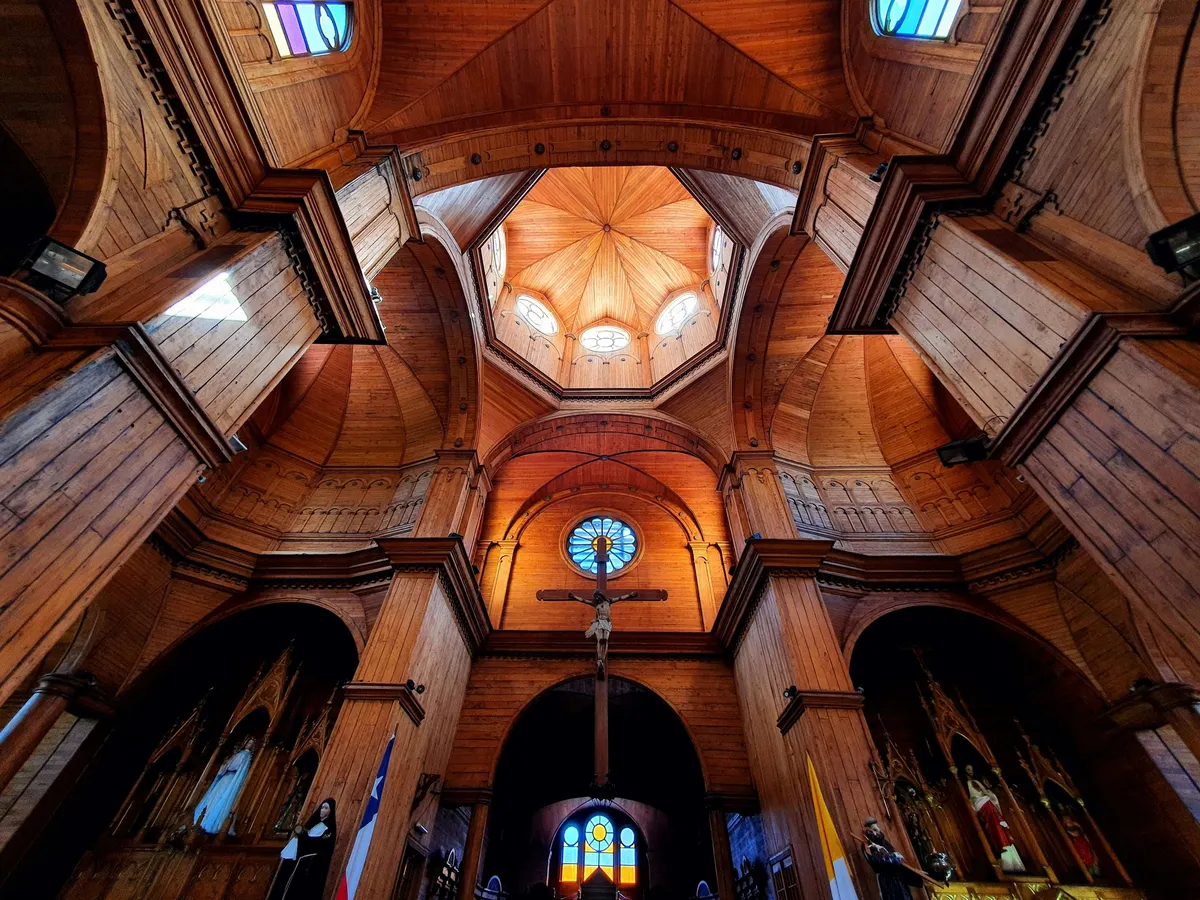
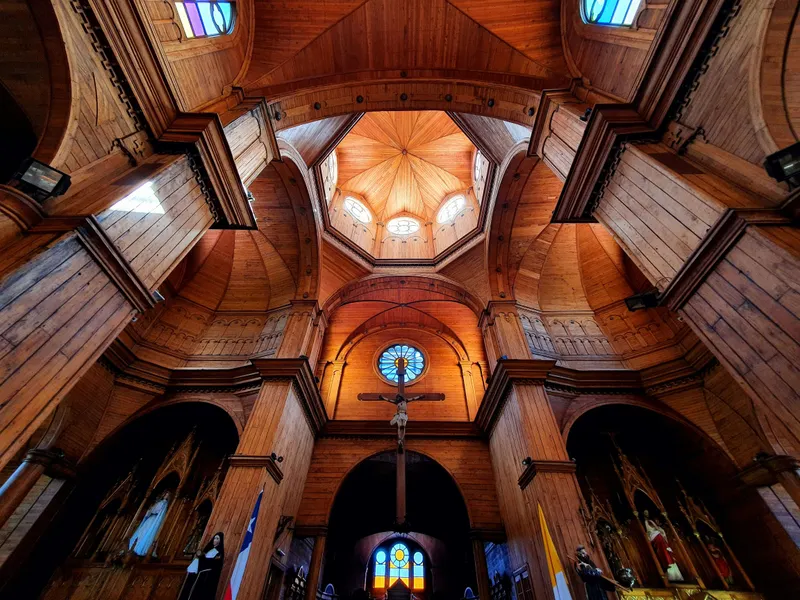
In Castro, don't miss the iconic Palafitos, colorful stilt houses lining the waterfront. Visit the Church of San Francisco, a UNESCO World Heritage Site, known for its unique wooden architecture. The bustling Mercado Yumbel offers local crafts and seafood, while nearby Chiloe National Park provides stunning natural landscapes.
Yes, Castro hosts the Festival Costumbrista Chilote in February, celebrating Chiloe's rich cultural heritage with traditional music, dance, and food. This vibrant event is a great opportunity to experience local customs and cuisine, including curanto, a traditional dish cooked in an earthen pit.
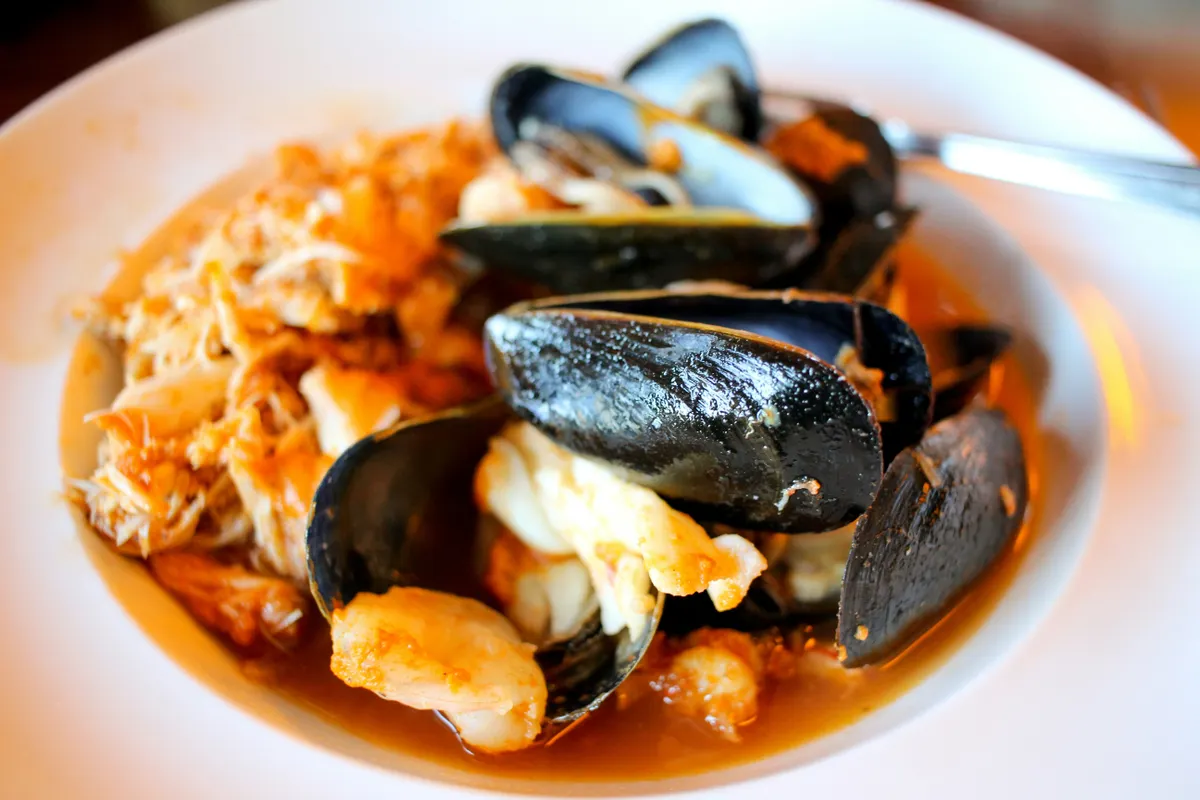
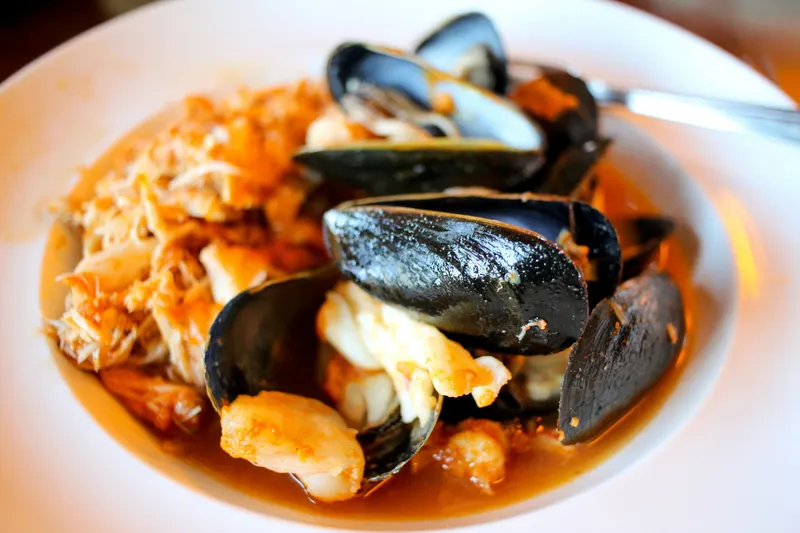
While in Castro, be sure to try curanto, a hearty dish of shellfish, meat, potatoes, and vegetables cooked in a pit. Also, sample milcao, a type of potato pancake, and the local seafood, which is fresh and abundant. These dishes offer a taste of Chiloe's unique culinary traditions.
In Castro, walking is a great way to explore the town's main attractions. For traveling around Chiloe Island, renting a car offers flexibility to visit remote areas. Buses and colectivos (shared taxis) are also available for traveling between towns and are an affordable option.
To fully experience Castro and its surroundings, plan to stay at least 3 to 4 days. This allows time to explore the town's cultural sites, enjoy local cuisine, and take day trips to nearby attractions like Chiloe National Park and the smaller islands in the archipelago.