
Details for Catania
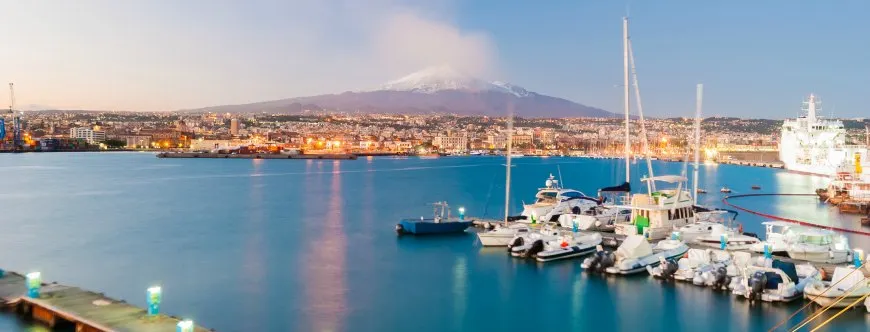


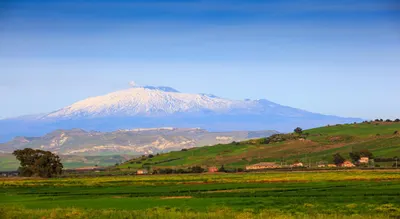
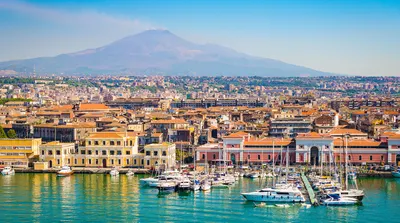
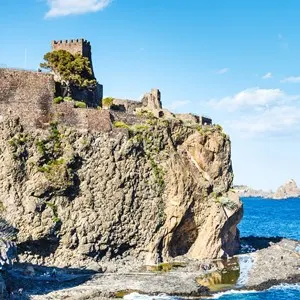
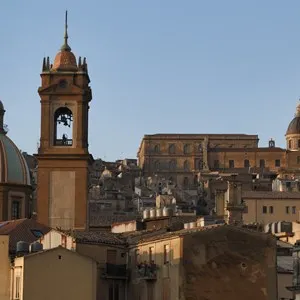
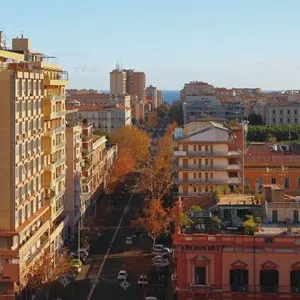
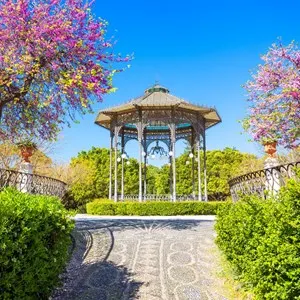
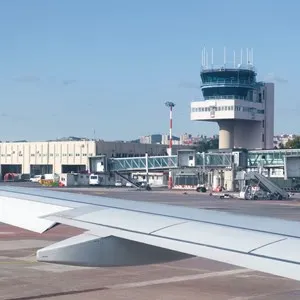
Catania is one of Sicily’s nine provinces. It is bordered by Messina to the north, Siracusa and Ragusa to the south, Enna and Caltanissetta to the west, and the Ionian Sea to the east. The provincial capital of Catania was founded at the base of the volcano Etna in 729 BCE. It was one of the first Greek colonies on the island. Like other Sicilian cities, it has been heavily influenced by its rulers — Romans, Arabs, and Normans to name a few. The largest impact came from its neighbour, the volcano Etna — when it erupted in 1669, it devastated the city and killed 12,000 inhabitants. Catania was rebuilt in the Baroque style preserved to this day, complete with large boulevards and squares. Over the last few years, tourism has become one of the biggest sources of revenue. With the sixth-largest airport in Italy, Catania is a natural hub for tourists travelling to the island’s east coast. It is easy to take day trips from here to the spectacular Mount Etna, to the ceramics centre of Caltagirone, and to the picturesque mountain villages like Randazzo and Linguaglossa. There is also Sicily’s most glamorous tourist town, the Greco-Roman city of Taormina with its medieval city centre that inspired D.H. Lawrence to write "Lady Chatterley’s Lover".
297,517
1 Euro = 100 cents
Police: 112
Fire Brigade: 115
Ambulance: 118
Coast Guard: 1530
Shops are open from Monday to Friday 8:30am–1pm and 3:30pm–7pm. Some stores open at 9am and close at 8pm. A few of them stay open also on Saturdays. Some supermarkets stay open 24/7.





















The best time to visit Catania is during the spring (April to June) and fall (September to October) when the weather is pleasant and the tourist crowds are smaller. During these months, temperatures are comfortable for exploring the city and nearby attractions, and you can enjoy local festivals and events.
A stay of 2 to 3 days in Catania is ideal to explore the city's main attractions, including the historic center, the vibrant markets, and nearby Mount Etna. This timeframe allows you to experience the local culture, cuisine, and take a day trip to the surrounding areas.
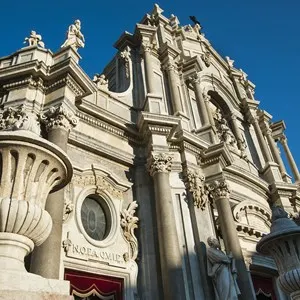
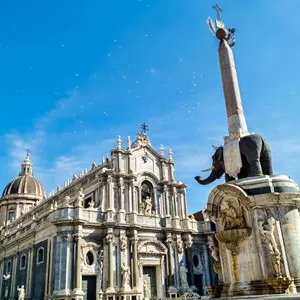
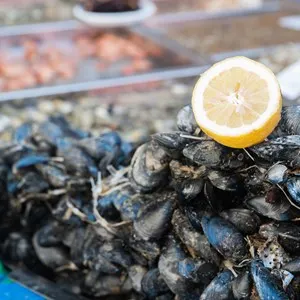
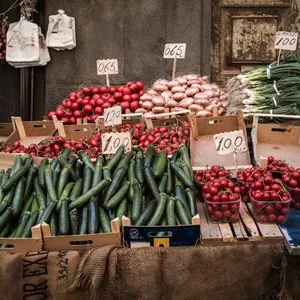
In Catania, don't miss the Piazza del Duomo, home to the stunning Catania Cathedral and the iconic Elephant Fountain. Explore the ancient Roman Amphitheater and the bustling La Pescheria fish market. A visit to the UNESCO-listed Monastery of San Nicolò l'Arena is also highly recommended.
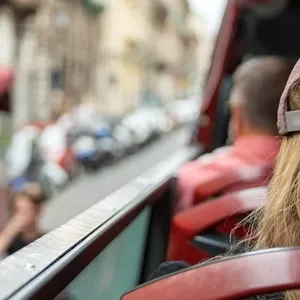
Catania is best explored on foot, especially the historic center. For longer distances, the city offers a reliable public bus system. Taxis and ride-sharing services are also available. Consider renting a car if you plan to explore the surrounding areas, such as Mount Etna or the nearby beaches.
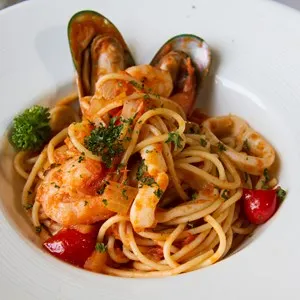
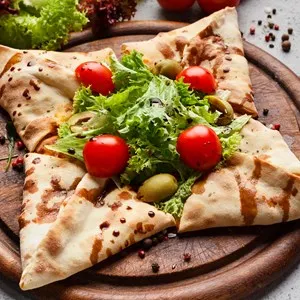
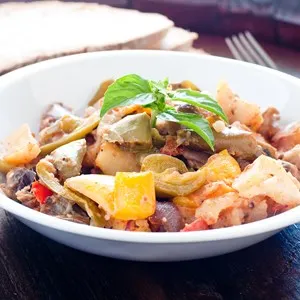
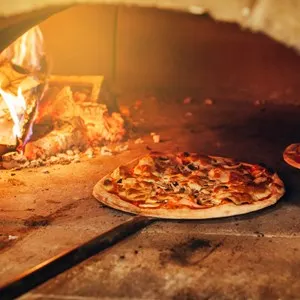
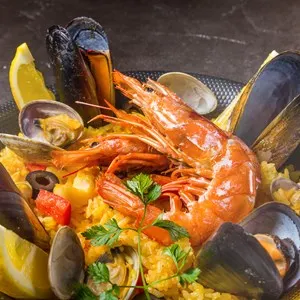
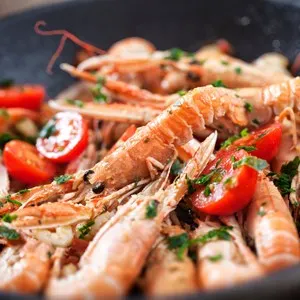
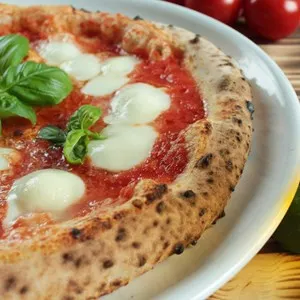
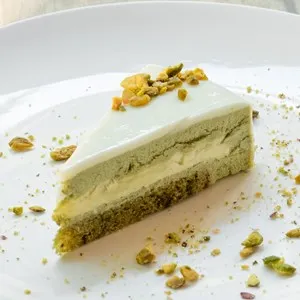
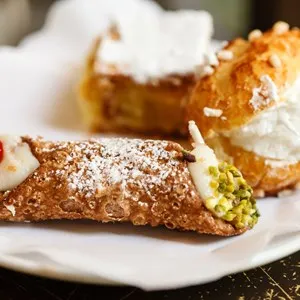
Catania is famous for its street food, particularly arancini (stuffed rice balls) and cipollata (grilled spring onions wrapped in bacon). Don't miss trying pasta alla Norma, a traditional dish made with eggplant, tomatoes, and ricotta salata. For dessert, indulge in a cannolo or a refreshing granita with brioche.
The Feast of St. Agatha, held in early February, is one of Catania's most significant events, celebrating the city's patron saint with processions and fireworks. The Catania Summer Festival features concerts and performances throughout the summer months, offering a taste of local culture and entertainment.
From Catania, you can take a day trip to Mount Etna, Europe's largest active volcano, for hiking or guided tours. The picturesque town of Taormina, with its ancient Greek theater and stunning views, is another popular excursion. The Baroque towns of the Val di Noto, such as Noto and Ragusa, are also worth exploring.