

Easter Island Travel & Vacation Guide
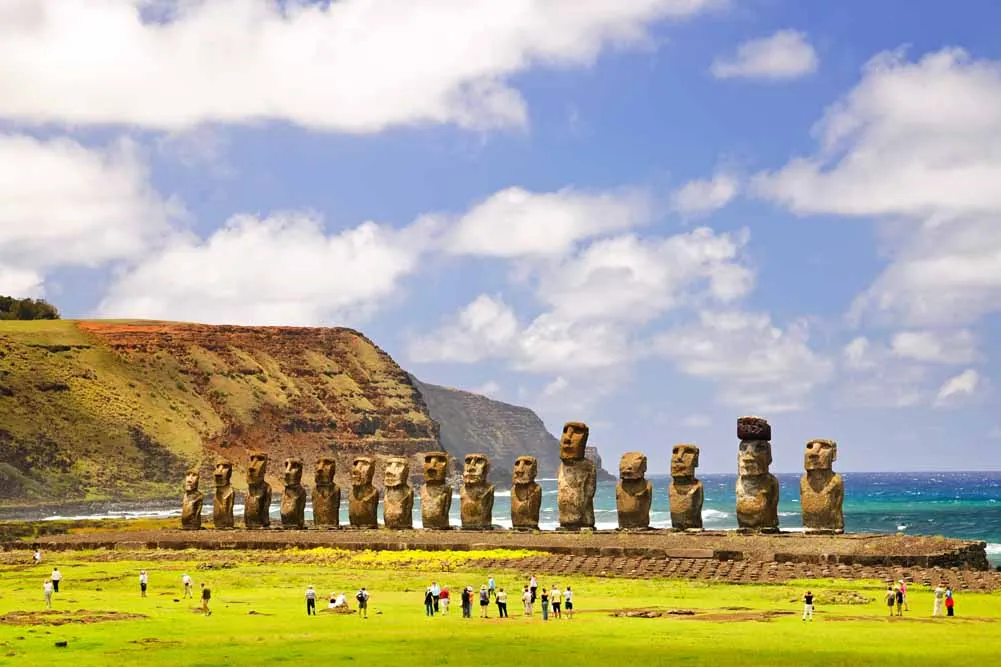
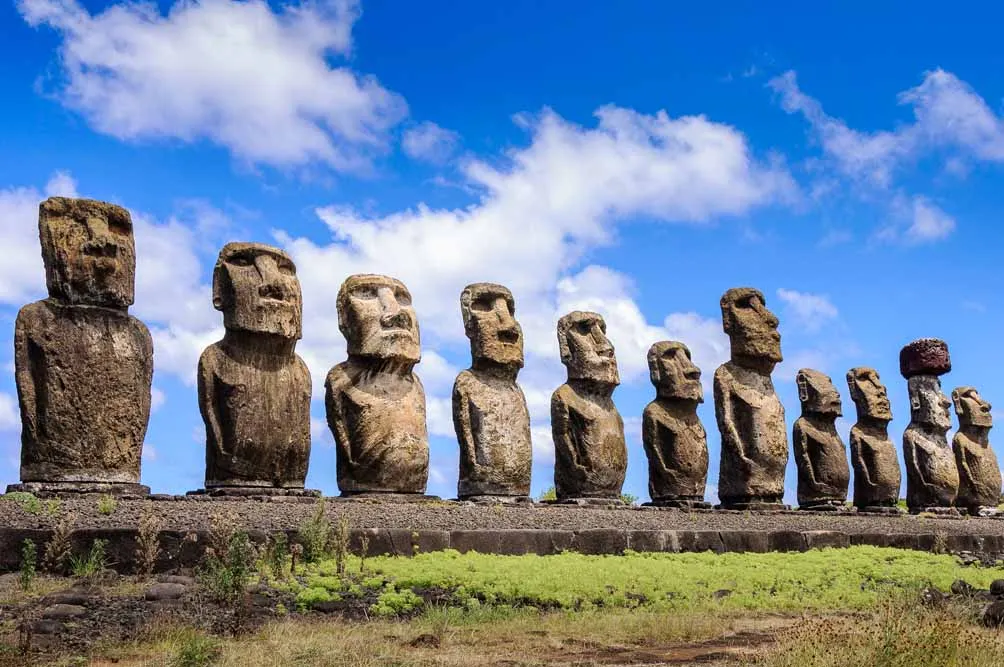
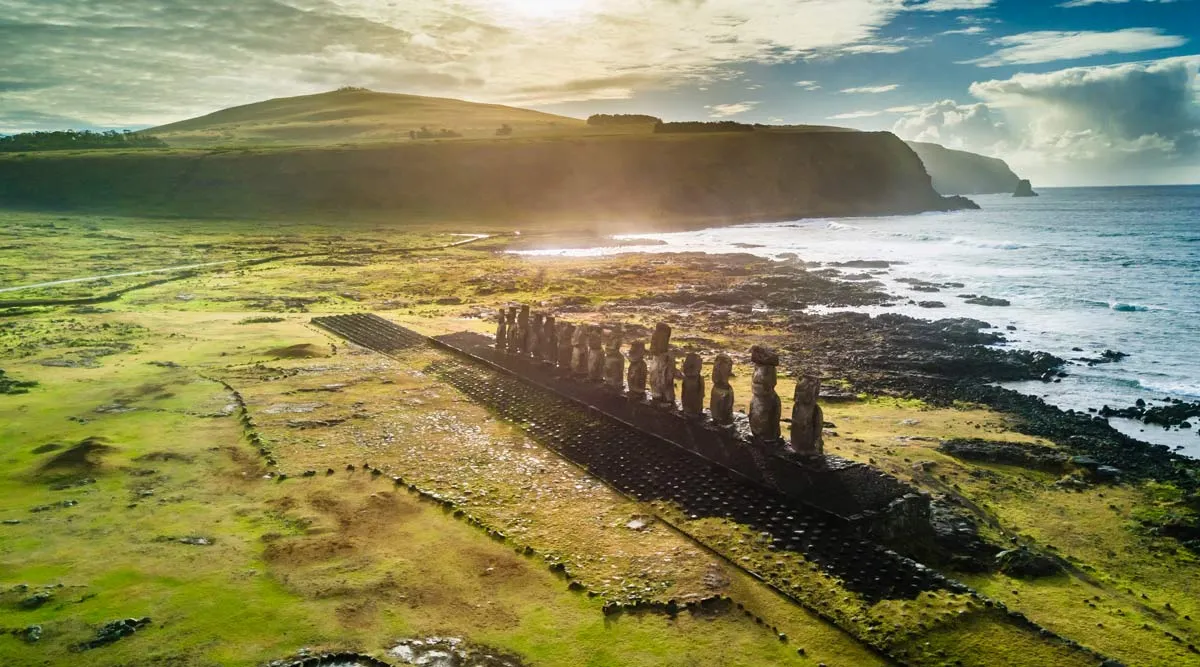

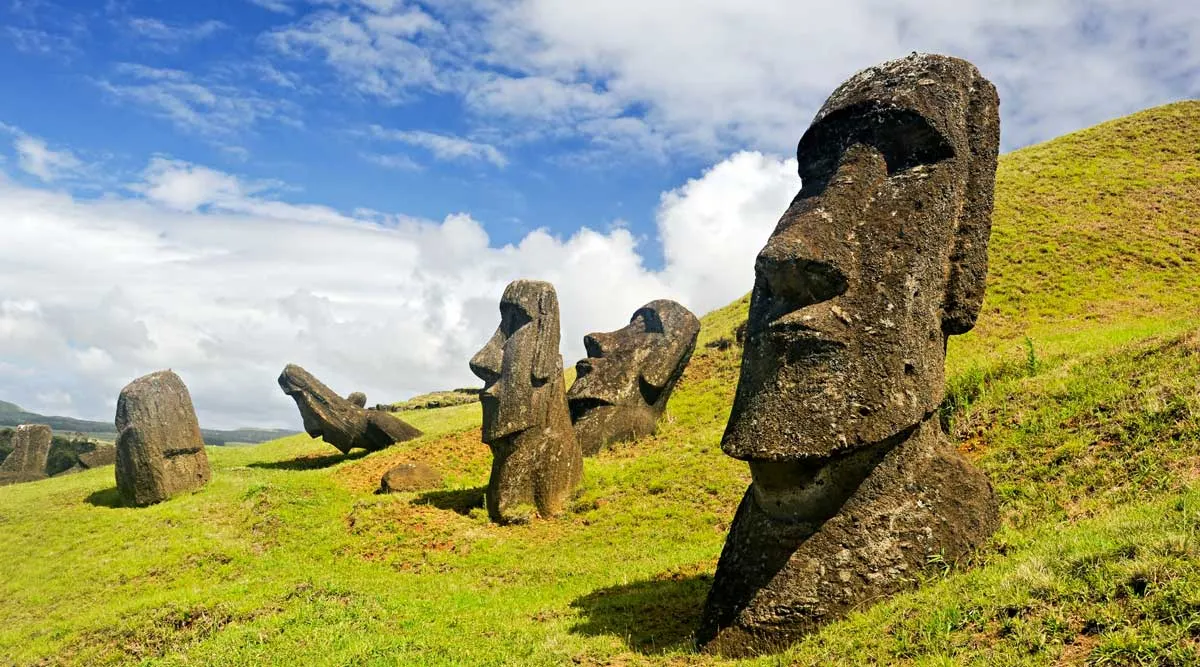

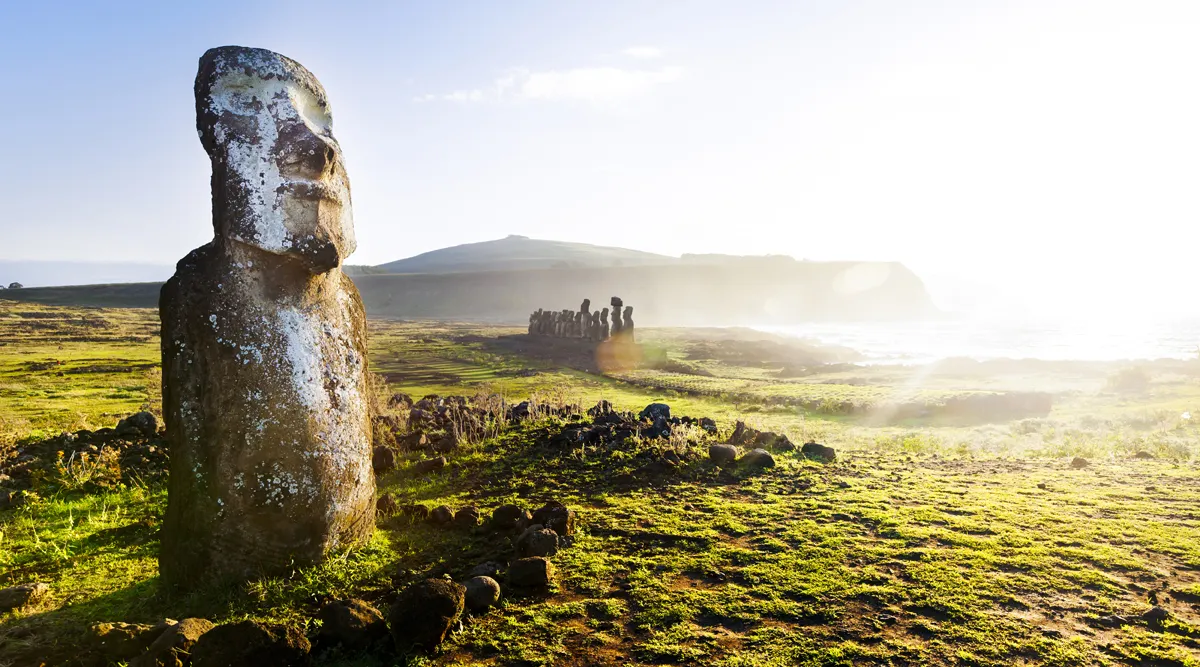
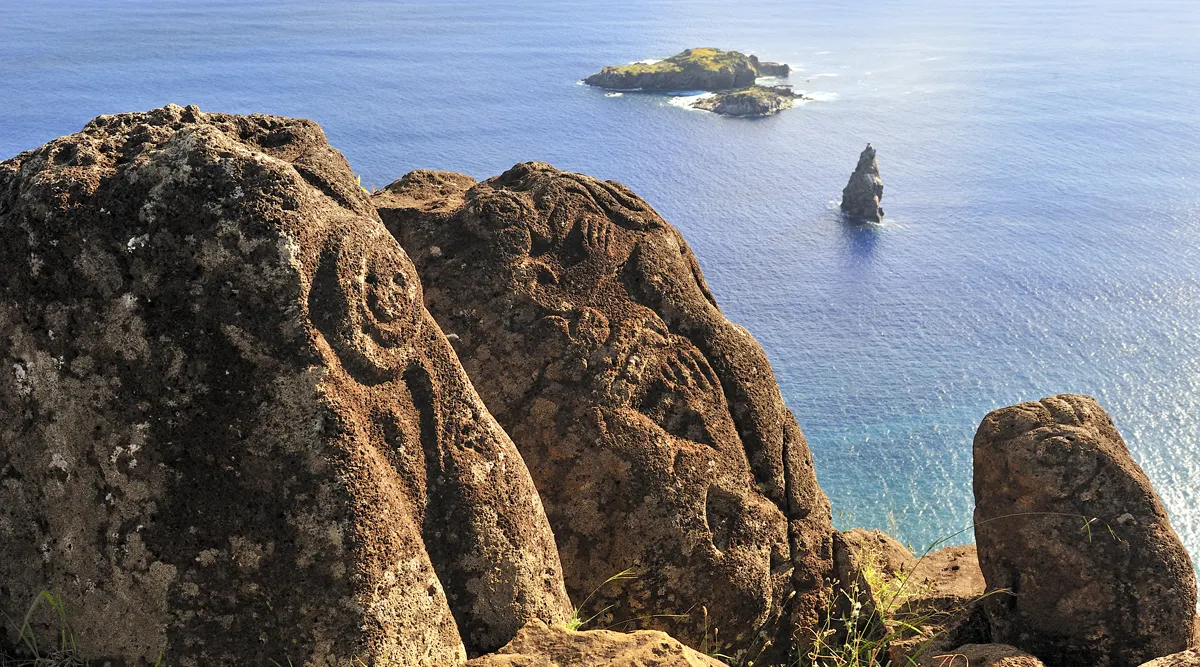







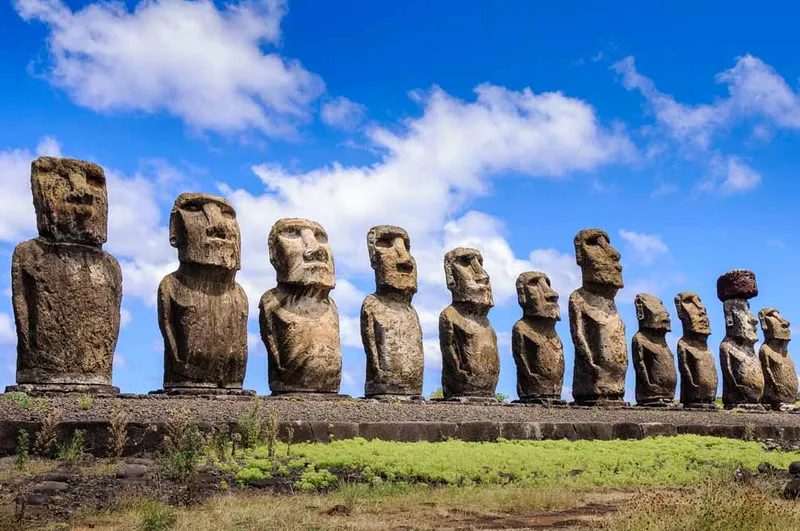
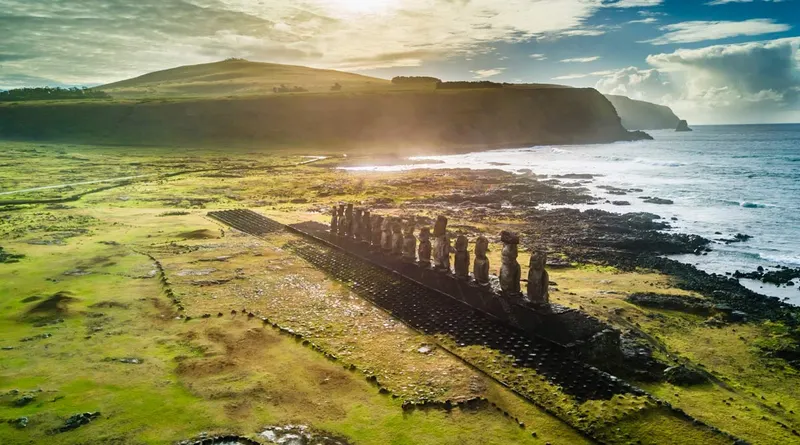
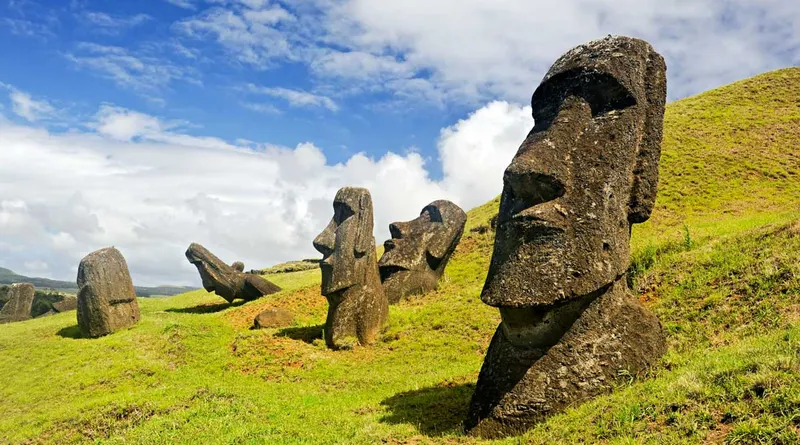
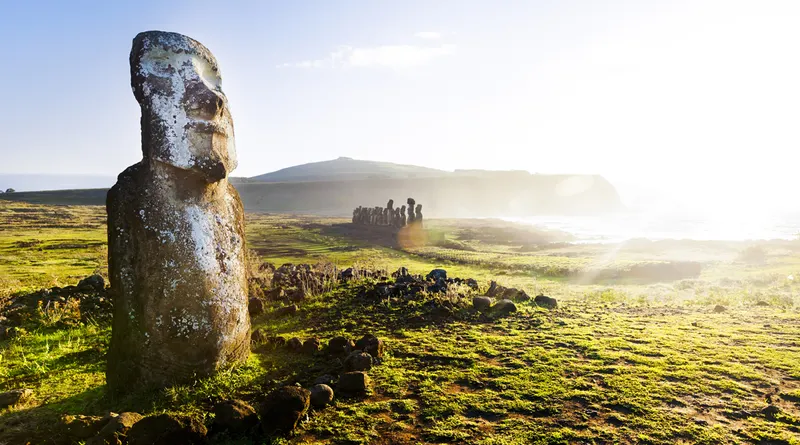
Easter Island, or Rapa Nui, is a captivating and remote island in the southeastern Pacific Ocean, part of Chile. Renowned for its iconic Moai statues—massive stone figures that have intrigued travelers for centuries—Easter Island is also home to breathtaking natural beauty. With rugged coastlines, volcanic craters, and pristine beaches, this island offers a unique blend of adventure and exploration. Visitors can immerse themselves in the rich Polynesian culture and history preserved through traditions and legends. With its remarkable mix of ancient mysteries and stunning landscapes, Easter Island is a must-visit destination for any traveler seeking a truly unforgettable experience.
Current Weather



Frequently Asked Questions
The best time to visit Easter Island is during the shoulder seasons of spring (October to December) and fall (March to May). During these times, the weather is pleasant, and there are fewer tourists compared to the peak summer months. The island experiences a subtropical climate, so temperatures are generally mild year-round, but these months offer a perfect balance of weather and crowd size.
A stay of 4 to 5 days is ideal for exploring Easter Island. This allows enough time to visit the main archaeological sites, such as Rano Raraku and Ahu Tongariki, enjoy the beaches like Anakena, and immerse yourself in the local culture. With this duration, you can also participate in activities like hiking and snorkeling without feeling rushed.
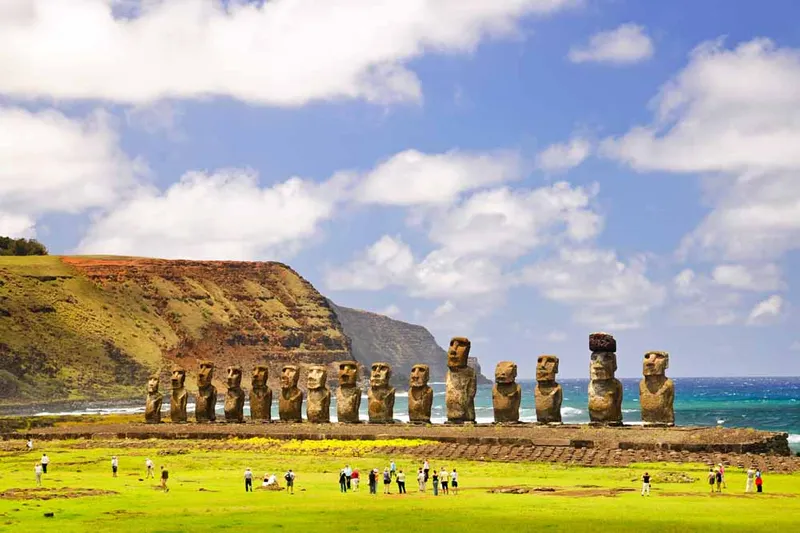
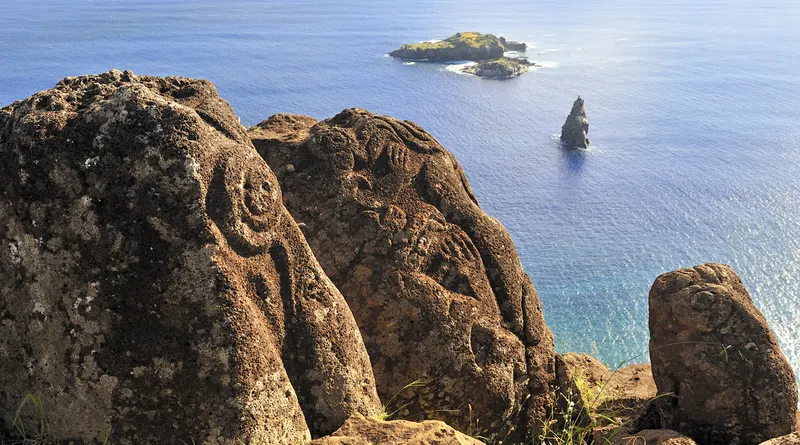
Easter Island is renowned for its moai statues, with key sites including Ahu Tongariki, the largest ceremonial platform with 15 standing moai, and Rano Raraku, the quarry where these statues were carved. Additionally, Orongo, a ceremonial village with petroglyphs, and Anakena Beach, known for its white sand and moai, are must-see spots.
To reach Easter Island, you can fly from Santiago, Chile, with LATAM Airlines offering regular flights. Once on the island, renting a car or a scooter is a popular way to explore, as public transportation is limited. Alternatively, you can join guided tours for a more informative experience of the island's history and culture.
On Easter Island, try the traditional dish called 'curanto,' a mix of meats, seafood, and vegetables cooked in an earth oven. Fresh seafood is abundant, with tuna and lobster being local specialties. Also, don't miss 'poe,' a sweet pudding made from pumpkin and coconut, often served as a dessert.
The Tapati Rapa Nui Festival, held in February, is the most significant cultural event on Easter Island. This two-week festival celebrates Rapa Nui culture with traditional music, dance, and competitions such as canoe races and body painting. It's a vibrant time to visit and experience the island's rich heritage firsthand.
Easter Island is generally safe for travelers, but it's important to take standard precautions like safeguarding your belongings. Health facilities are limited, so travel insurance is recommended. Be mindful of the sun, as UV levels can be high, and ensure you have adequate sun protection. Always check for any travel advisories before your trip.