
Details for Genoa

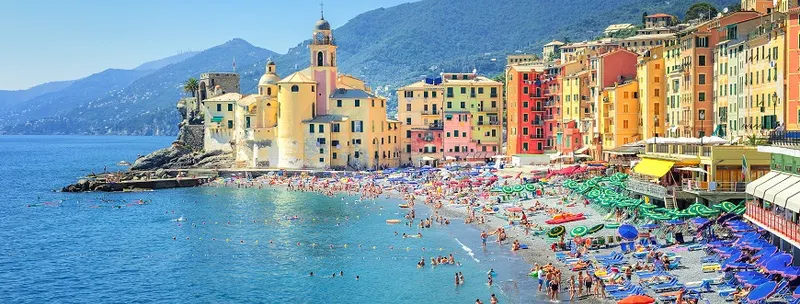
Genoa (Genova in Italian), known as the birthplace of both Christopher Columbus and Paganini, boasts Italy's largest port and was famously described by Charles Dickens in 1844 as "a city of the strangest contrasts." Genoa's landscape is a fascinating mix of Renaissance palaces, grand 19th-century boulevards, and gilded Baroque churches that coexist alongside a labyrinth of steep medieval streets. Amidst the narrow alleys, visitors can stumble upon fine restaurants and chic bars. Exploring and getting lost in the medieval quarter, which is one of Europe's largest, is an essential part of the Genoa experience. With one of the biggest universities in Italy, Genoa’s student population guarantees a buzzing nightlife.
Metro area: 675,000 (2022)
1 euro (€) = 100 cents
113 Police Emergency
115 Fire Brigade
118 Medical Help (Ambulance)
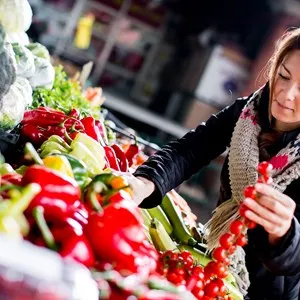
Shops are generally open from 9am to 12:30pm and from 3:30pm to 7:30pm, while larger stores and supermarkets are frequently open all day. Food stores often close on Wednesday afternoon, while other stores are frequently closed on Monday morning.
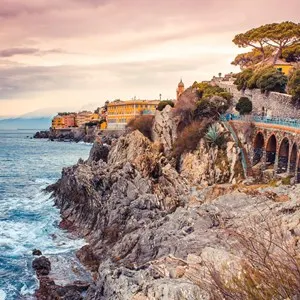






















The best time to visit Genoa is during the late spring (May to June) and early fall (September to October). During these months, the weather is pleasant and mild, perfect for exploring the city's historic sites and enjoying the Ligurian coast. Summer can be quite warm and crowded, while winter is cooler and quieter, with some attractions having reduced hours.
A stay of 2 to 3 days is ideal for exploring Genoa. This timeframe allows you to visit the main attractions such as the Aquarium of Genoa, the historic Old Town, and the Palazzi dei Rolli. You can also take a day trip to nearby coastal towns like Portofino or Cinque Terre.
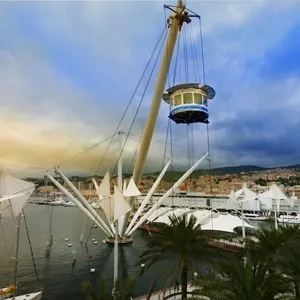
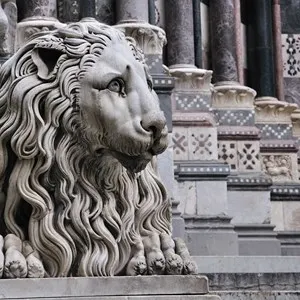
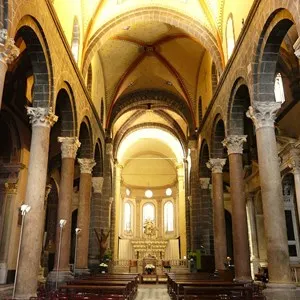
Genoa offers a wealth of attractions, including: - The Aquarium of Genoa, one of the largest in Europe. - The historic Old Town (Centro Storico), with its narrow alleys and medieval buildings. - The Palazzi dei Rolli, a UNESCO World Heritage site. - The Genoa Cathedral (Cattedrale di San Lorenzo) with its stunning architecture. - The Lanterna, Genoa's iconic lighthouse.
Genoa is best explored on foot, especially within the Old Town where many streets are pedestrian-only. For longer distances, the city's public transportation system includes buses, the metro, and funiculars. Taxis and ride-sharing services are also available, but driving in the city can be challenging due to narrow streets and limited parking.
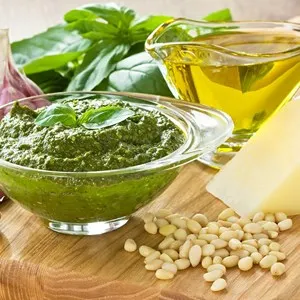
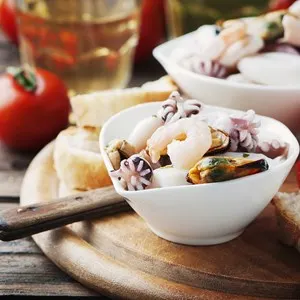
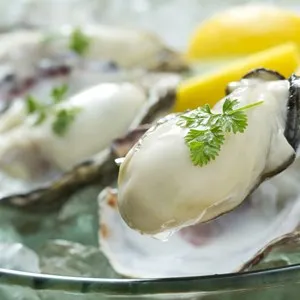
Genoa is famous for its culinary delights, particularly: - Pesto alla Genovese, a traditional basil pesto sauce. - Focaccia, a flat oven-baked bread often topped with olive oil and salt. - Farinata, a savory pancake made from chickpea flour. - Trofie al Pesto, pasta served with pesto sauce. - Fresh seafood dishes, reflecting the city's maritime heritage.
Genoa hosts several notable festivals, including the Genoa International Boat Show in September, one of the largest in the world. The city also celebrates the Festa della Madonna della Guardia in August, featuring religious processions and cultural events. In October, the Rolli Days offer a chance to visit the Palazzi dei Rolli, which are normally closed to the public.
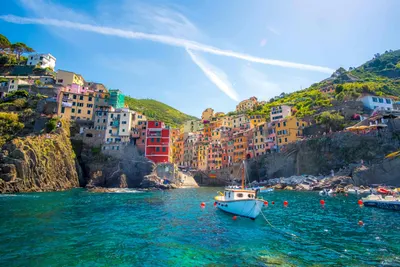
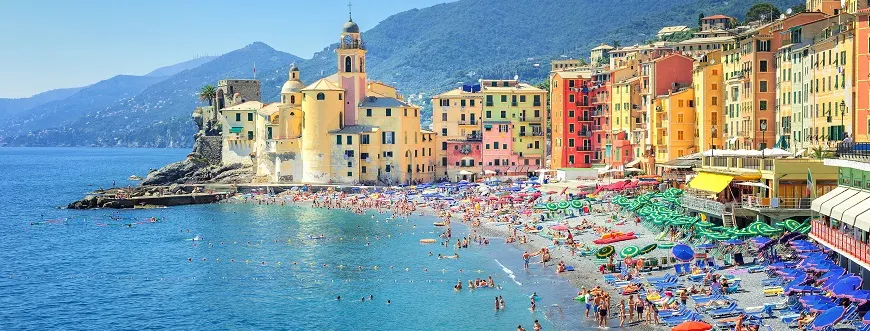
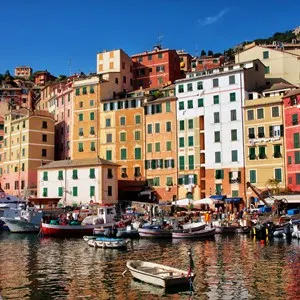
Genoa is a great base for day trips to nearby destinations such as: - Portofino, a picturesque fishing village known for its colorful houses and luxury yachts. - Cinque Terre, a UNESCO-listed string of five coastal villages. - Camogli, a charming seaside town with a beautiful harbor. - Boccadasse, a quaint fishing village within Genoa itself, perfect for a short escape.