
Details for Istanbul
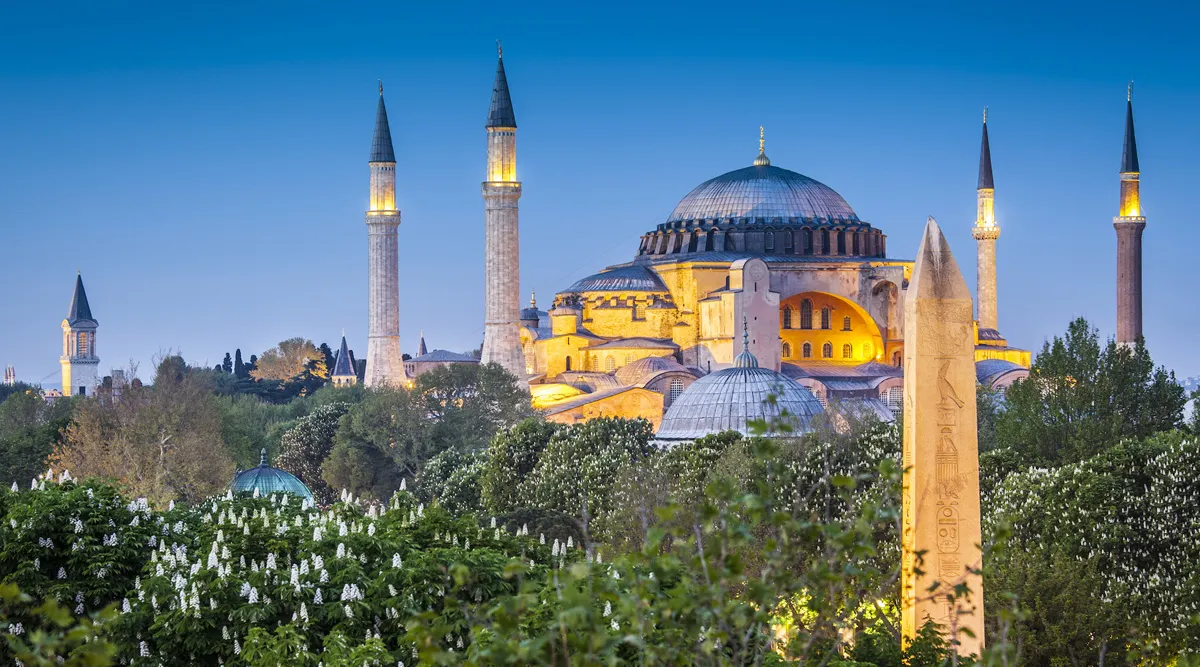
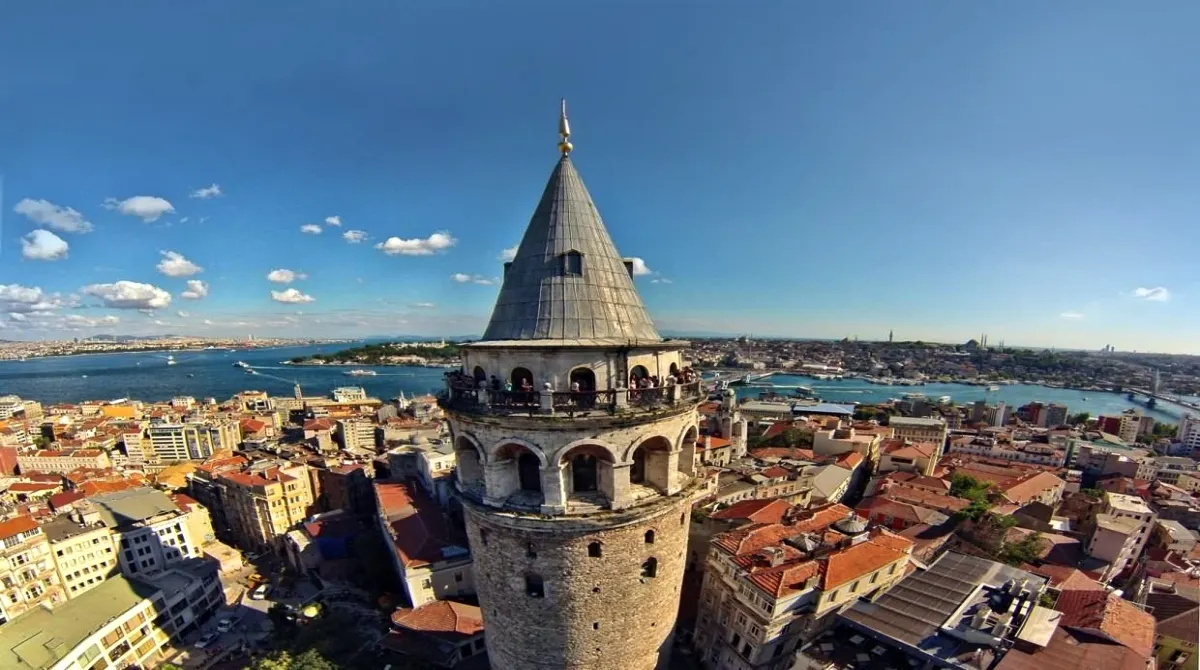
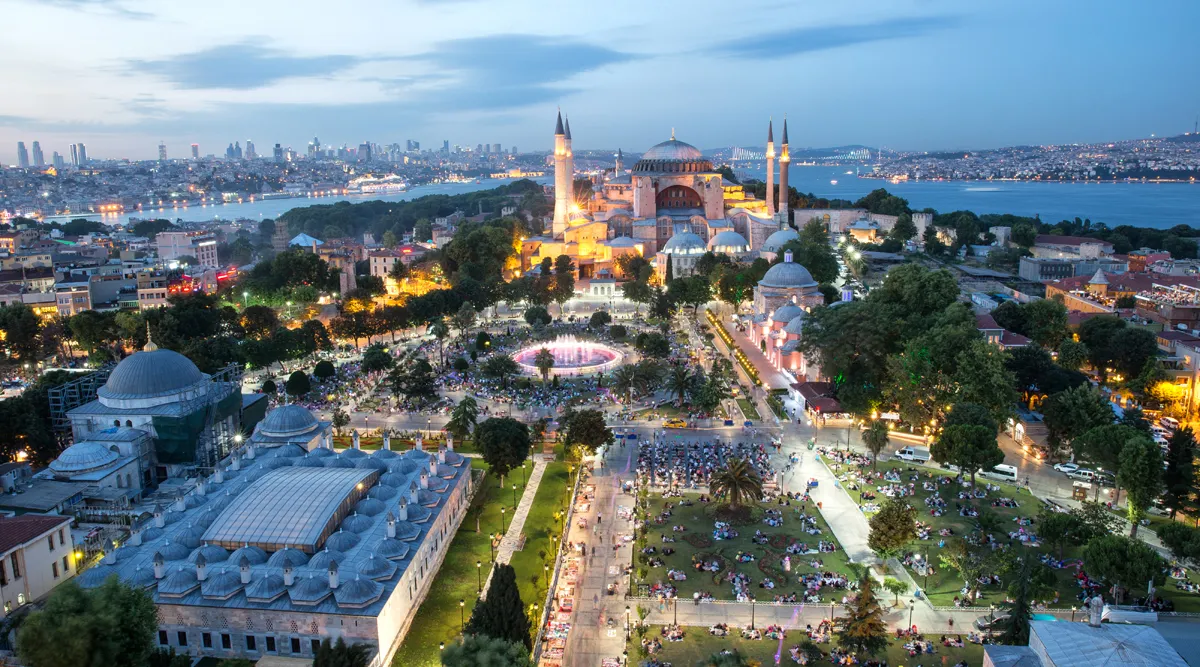
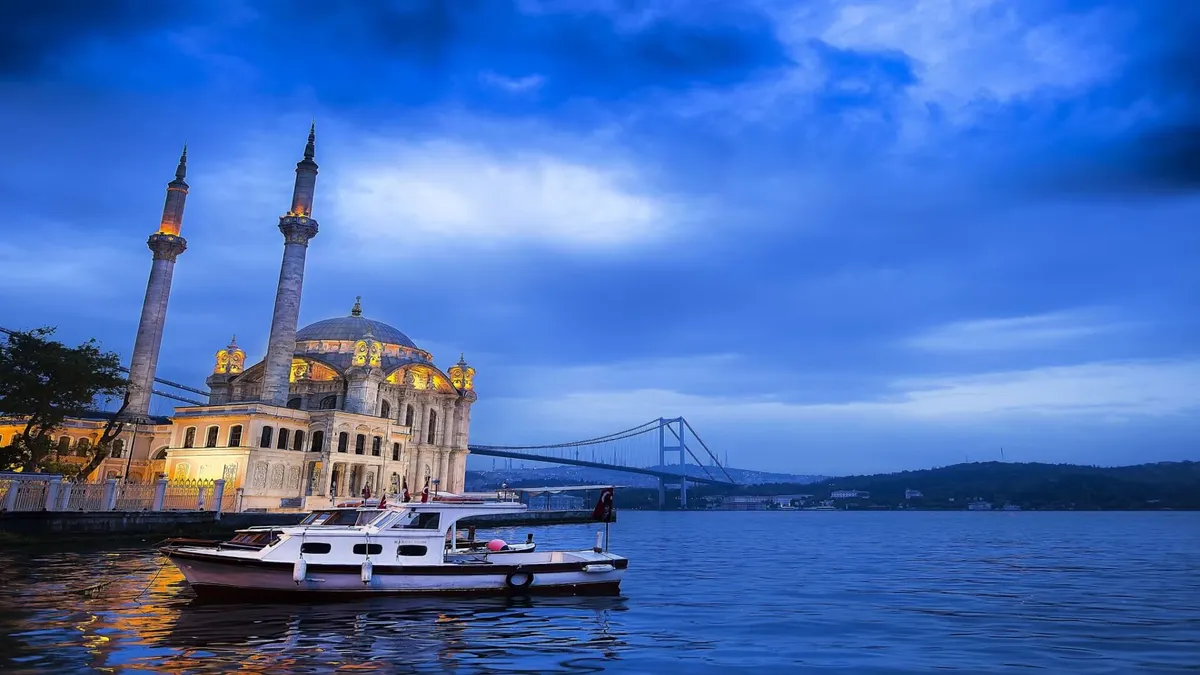
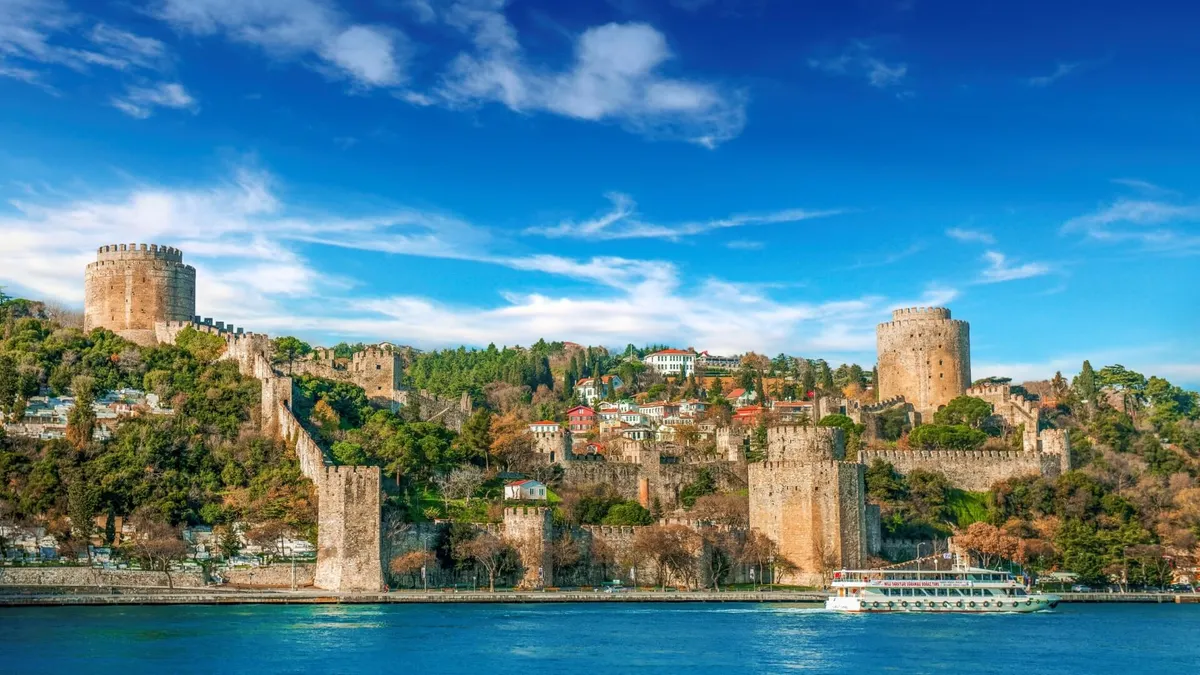
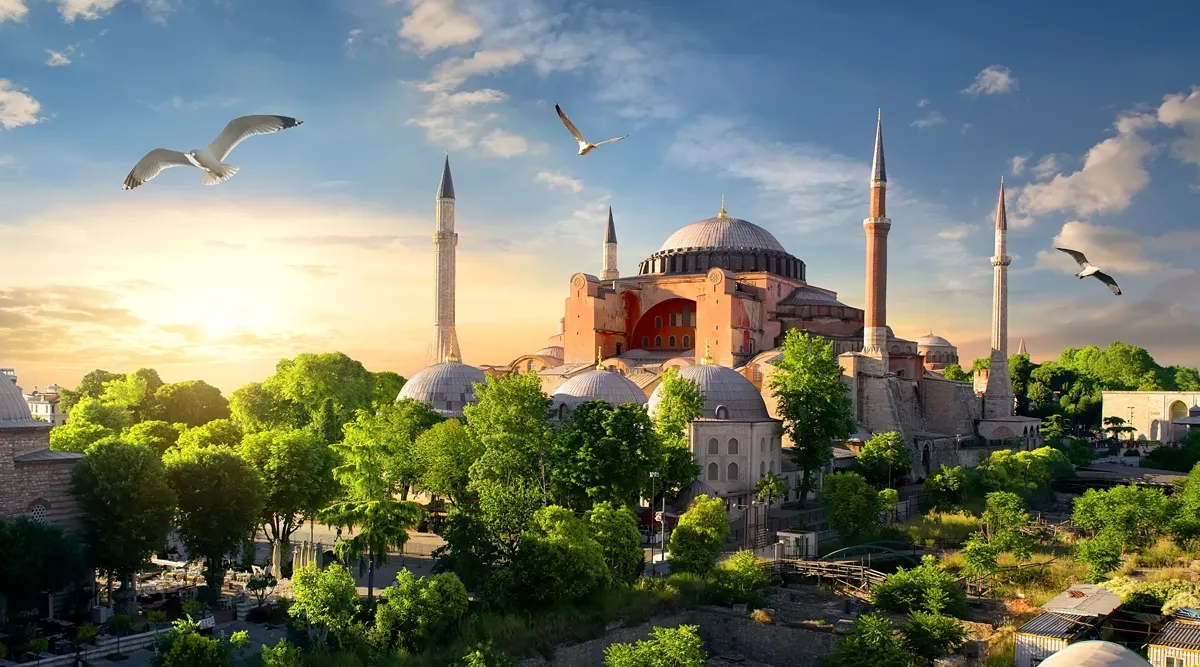







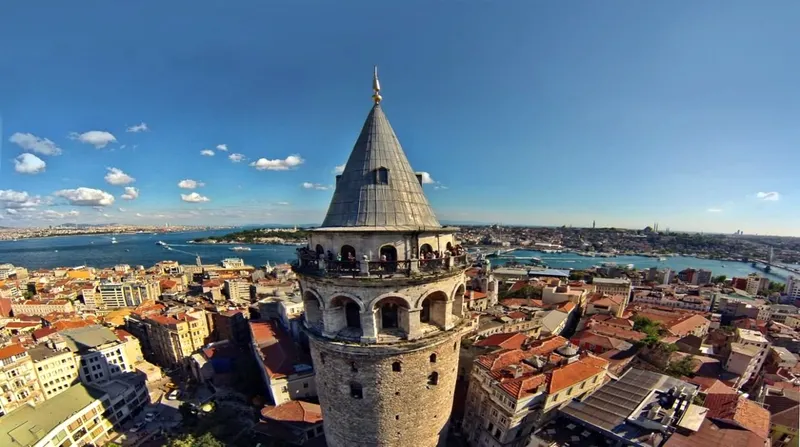
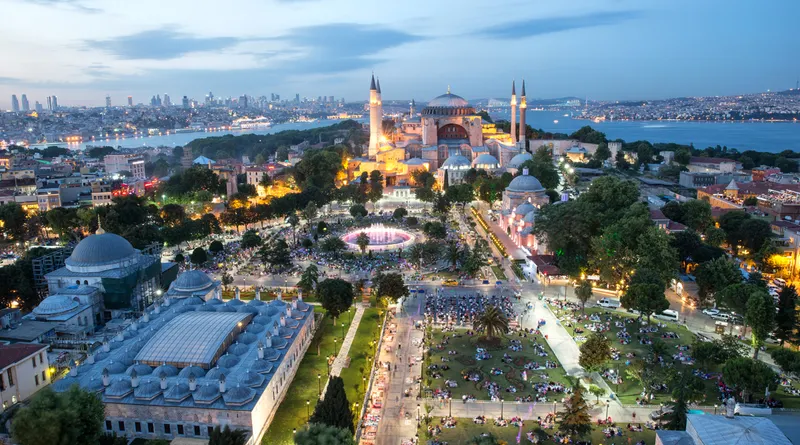
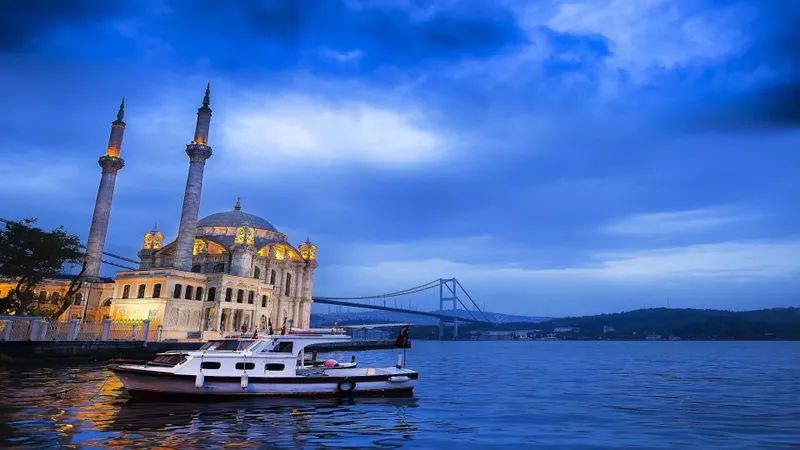
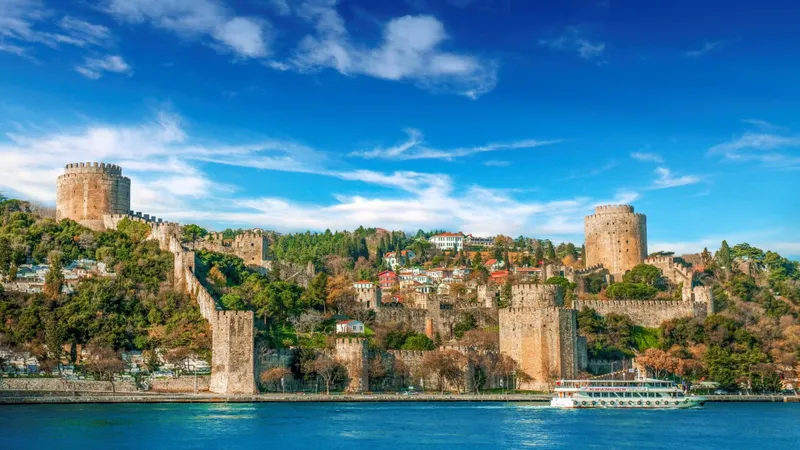
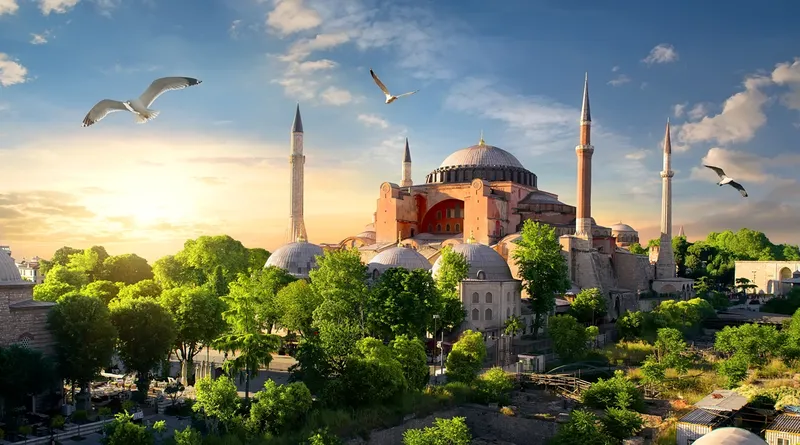
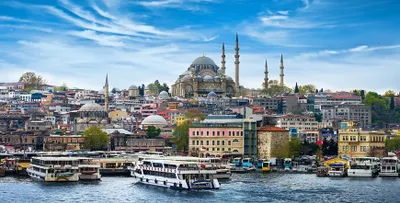
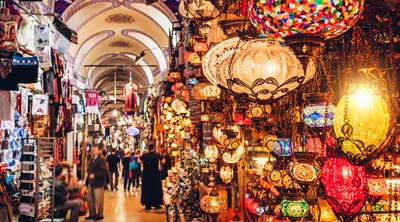
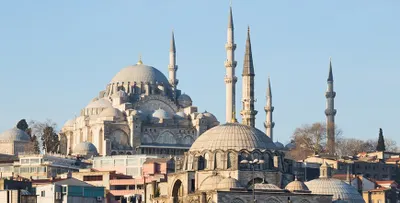
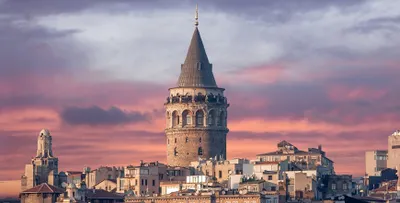
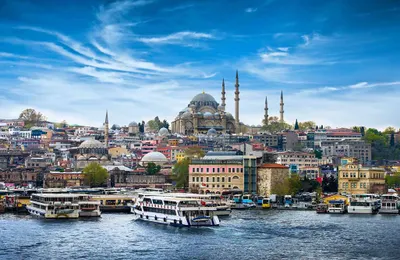
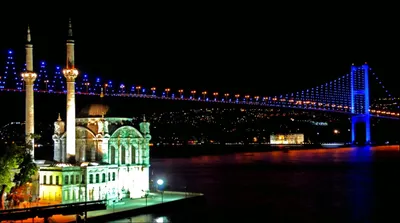
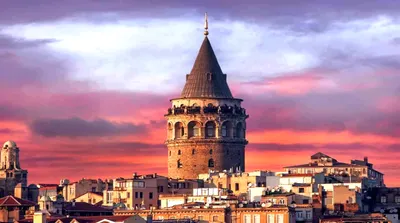
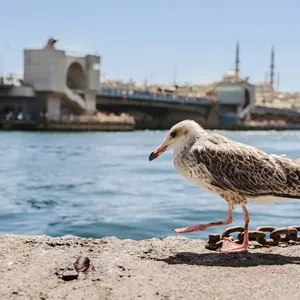
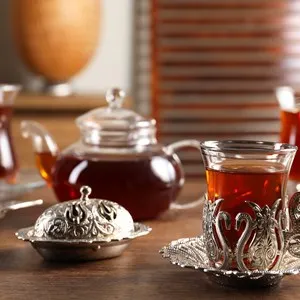
Constantinople, the centre of the Byzantine Empire which lasted over a thousand years, later became Istanbul, the capital of the Ottoman Empire for almost 500 years. The city is a mixture of Europe and Asia, a unique urban composition. A stroll around Sultanahmet, inside the city walls, among mosques, museums and the Great Bazaar is a trip through both history and daily life. Modern Istanbul is on the other side of the Galata Bridge in Beyoğlu. The city is at its busiest from the Karaköy ferry terminal, through the always happening and youthful Cihangir, along the main tourist shopping İstiklal street and all the way to the famous Taksim square. Istanbul’s Asian side has avoided much of the international tourism and has retained a more humdrum character. Moda district is brimming with cafes and bars frequented by local hipsters, while a bit more traditional Üsküdar caters to visiting families. Waterways play a central role in the life of the city and boat traffic on the Bosphorus, the Golden Horn and the Sea of Marmara is running like clockwork. Along the banks you can find small cafes where you can enjoy a glass of tea and magnificent views over the town.
Approximately 16.2 million Greater Istanbul (2025)
Turkish Lira, TL1 = 100 kuruş
112
The official opening hours for shops are 9am–6pm. However, many traders and shops stay open until midnight. Most hotels will have at least one 24 hour restaurant.
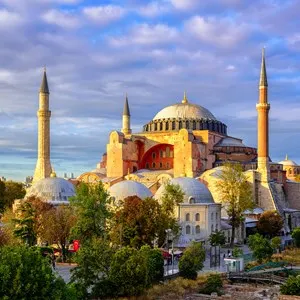
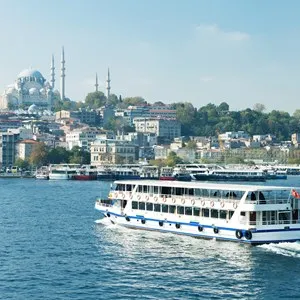
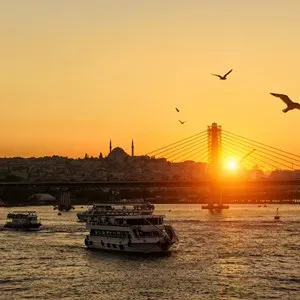
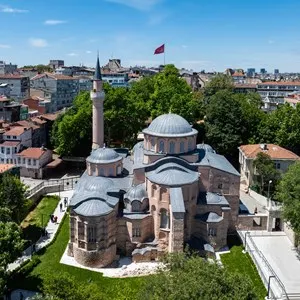
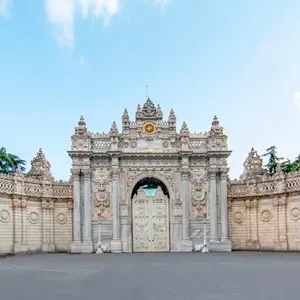






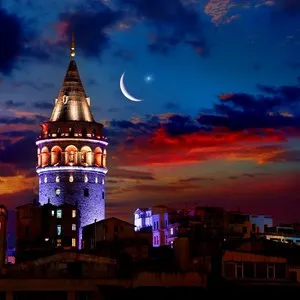
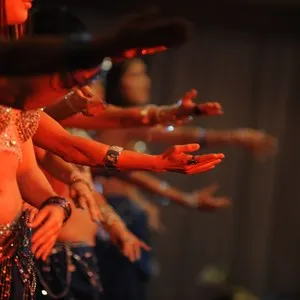


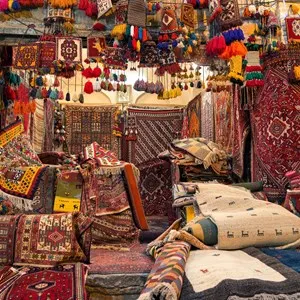

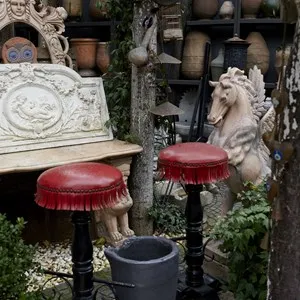
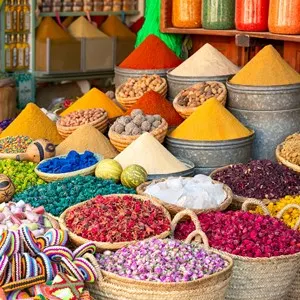
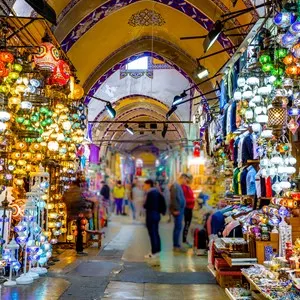

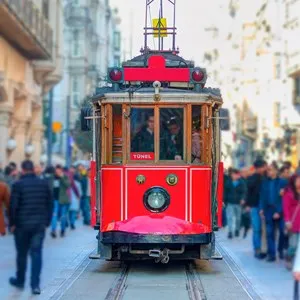

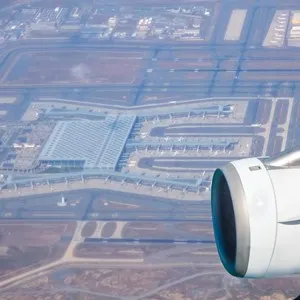
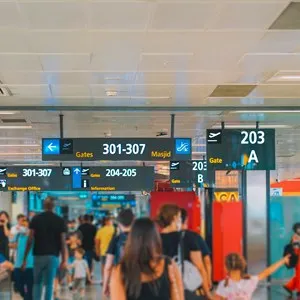
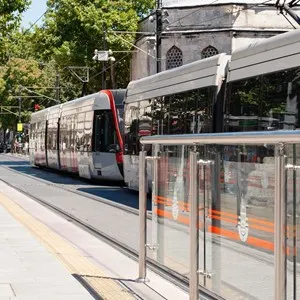



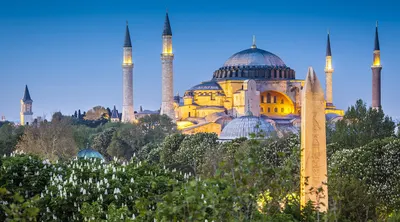
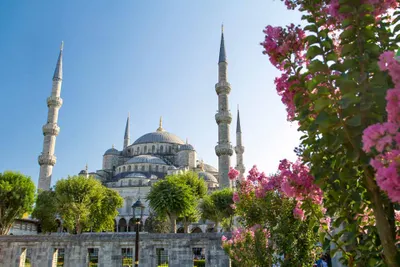
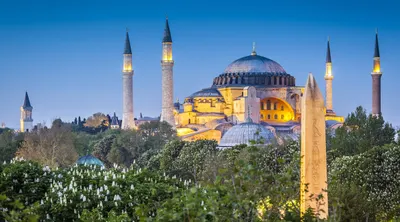
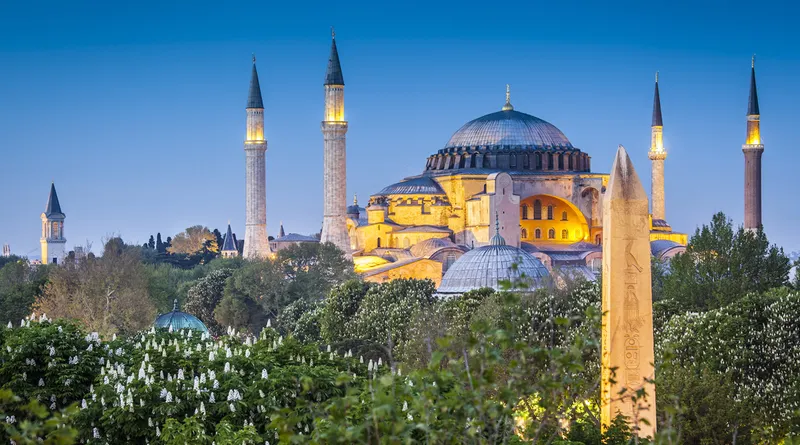
Istanbul offers a rich tapestry of history and culture. Must-see attractions include the Hagia Sophia, a stunning architectural marvel; the Blue Mosque, known for its beautiful blue tiles; and Topkapi Palace, the opulent residence of Ottoman sultans. Don't miss the Grand Bazaar for a unique shopping experience and the Bosphorus Strait for a scenic cruise.
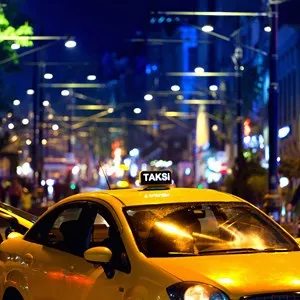
The best way to navigate Istanbul is by using its extensive public transportation system, which includes trams, buses, and ferries. The Istanbulkart is a convenient rechargeable card that can be used across all modes of transport. Taxis are also widely available but ensure the meter is used to avoid overcharging.
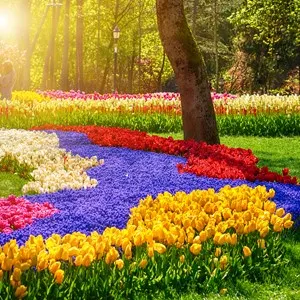
The ideal times to visit Istanbul are during the spring (April to June) and fall (September to November) when the weather is mild and pleasant. These seasons also offer fewer crowds compared to the peak summer months, allowing for a more enjoyable exploration of the city's attractions.
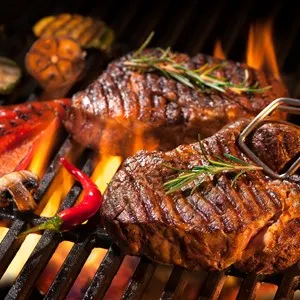
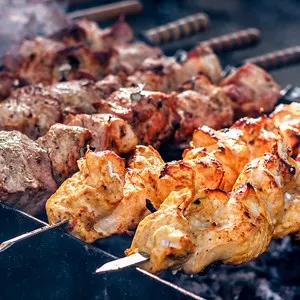
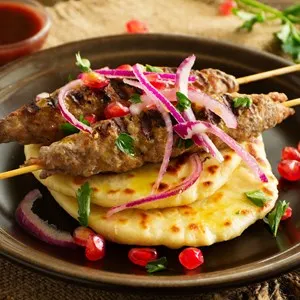
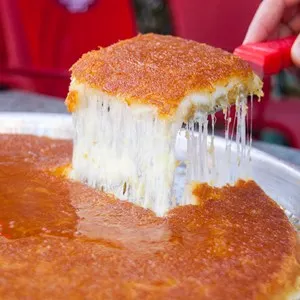
Istanbul is a culinary delight with dishes like kebabs, mezes (appetizers), and baklava (a sweet pastry). Be sure to try simit, a sesame-crusted bread, and enjoy a traditional Turkish breakfast. For a unique experience, sample street food like kumpir (stuffed baked potatoes) and balik ekmek (fish sandwich).
Istanbul hosts several vibrant festivals throughout the year. The Istanbul Film Festival in April showcases international and Turkish films. The Istanbul Music Festival in June offers a range of classical music performances. Additionally, the International Istanbul Biennial, held every two years, is a major contemporary art event.
Sultanahmet is ideal for first-time visitors, offering proximity to major historical sites. Beyoğlu, including the lively Istiklal Street, is great for nightlife and dining. For a more local experience, consider staying in Kadıköy on the Asian side, known for its vibrant markets and cafes.
Istanbul is generally safe for tourists, but like any major city, it is important to stay vigilant. Keep an eye on personal belongings, especially in crowded areas like markets and public transport. It's advisable to stay informed about any travel advisories from official sources before your trip.