

Keytours Vacations logo

Details for Jakarta

Home / Indonesia / Jakarta
Discover Jakarta's Wonders

Jakarta might just surprise you—in all the best ways. It’s a city of striking contrasts, where gleaming skyscrapers soar above centuries-old mosques, and every street pulses with life, color, and the irresistible aroma of something delicious sizzling nearby. Yes, it’s chaotic at times—but also deeply charismatic, layered with history, stories, and a rhythm entirely its own.

Here, Indonesia’s cultural heart beats with cosmopolitan flair. Beneath the city’s fast-paced surface lies a world of refinement tailored for the discerning traveler—think exclusive rooftop lounges with sweeping skyline views, immersive art gallery visits, and stays in luxurious hotels that seamlessly blend contemporary sophistication with authentic Indonesian warmth.

Spend your days wandering the colonial charm of Kota Tua with a private guide, savoring curated dining experiences that fuse tradition with modern innovation, and unwinding with spa rituals inspired by ancient Javanese healing. Jakarta is more than just a gateway to the archipelago—it’s a destination in its own right, where culture, comfort, and creativity converge.

A little wild, undeniably soulful, and endlessly captivating—Jakarta is ready to be discovered.

Current Weather
91.31 °F - Clouds Min/Max: 88.95 °F / 92.98 °FFeels: 98.19 °F Humidity: 52%5 Day Forecast

Trips

Hotels

Activities

Transfers

Description

Jakarta is a city of contrasts, where colonial-era streets sit alongside soaring high-rises and sprawling suburbs stretch in every direction. The city’s core is Taman Merdeka, or Independence Square, dominated by the 132 m National Monument topped with a glittering stylised flame. Nearby, Kota Tua (Old Town) preserves traces of Dutch Batavia, with Taman Fatahillah at its centre, surrounded by old buildings and museums. Glodok, Jakarta’s Chinatown, is lively and colourful, mixing long-established markets with newer cafés and shops. At Sunda Kelapa, the old port, wooden schooners still carry cargo between Jakarta and the outlying islands, alongside warehouses dating back to the colonial era. South of the centre, Jalan Jaksa offers a jumble of budget guesthouses, tour offices, and souvenir shops, reflecting the city’s enduring role as a hub for travellers. Today, Jakarta continues to grow and change, balancing modernity with history. Despite its sprawl and traffic, the city remains a place of energy and contrast, where past and present sit side by side, giving visitors a glimpse of Indonesia’s evolution in one bustling metropolis.

Useful information
Population:

Metro area: 11.6 million (2025)

Currency:

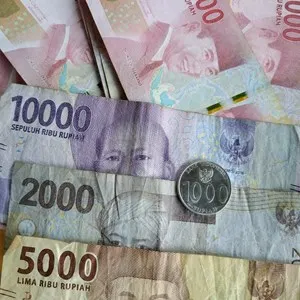
Indonesian Rupiah (IDR)

Emergency Info:

Police: 110
Fire: 113
Ambulance: 118
Opening Hours:

Do & See
Art:1 New Museum

Art:1 New Museum

Art:1 New Museum

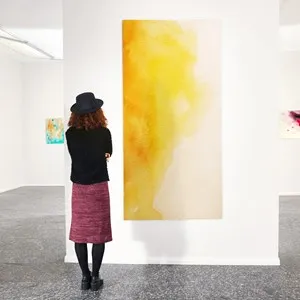
Art:1 New Museum is a contemporary art space that highlights modern Indonesian painting and sculpture. It mixes works by well-known artists with pieces from newer names, so there’s always something unexpected to see. Temporary shows and installations change regularly, making it a good stop if you want to get a feel for Jakarta’s current art scene.

Istiqlal Mosque

Istiqlal Mosque

Istiqlal Mosque

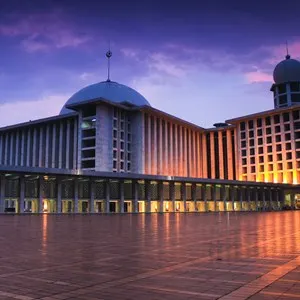
Istiqlal Mosque is Indonesia’s largest mosque, with space for more than 10,000 worshippers. Completed in 1978 and designed by Frederic Silaban, the building combines modern lines with traditional Islamic design. Visitors can admire the soaring dome and towering minaret, and explore the spacious prayer hall outside of prayer times.

Jakarta Cathedral (The Church of Our Lady of the Assumption)

Jakarta Cathedral (The Church of Our Lady of the Assumption)

Jakarta Cathedral (The Church of Our Lady of the Assumption)

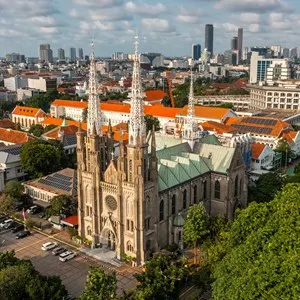
Jakarta Cathedral is a magnificent example of neo-Gothic architecture in the heart of Indonesia’s bustling capital. Inside, stained glass windows, tall spires, and an old pipe organ give a sense of its long history. It sits just across from the Istiqlal Mosque, and together the two landmarks reflect Jakarta’s mix of faiths and everyday coexistence.

Jakarta History Museum

Jakarta History Museum

Jakarta History Museum

Set in the old town hall of Batavia, this 17th-century building now tells the story of Jakarta’s past under Dutch rule. The museum houses furniture, maps, paintings, and relics from the colonial era, showing how the city grew from a trading post into today’s capital.

Jakarta History Museum

Jakarta History Museum

Jakarta History Museum

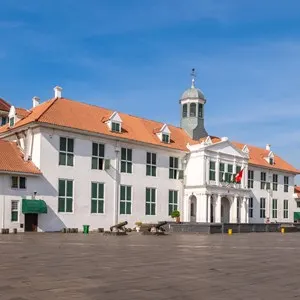
Housed in the old City Hall building from 1710, the Jakarta History Museum traces the city’s past from its colonial days to modern times. Inside, you’ll find furniture, maps, paintings, and ceramics from across Indonesia and Europe. Wander through the creaky wooden floors and heavy teak furniture for a sense of what life was like during the Dutch era.

Jakarta Old Town

Jakarta Old Town

Jakarta Old Town

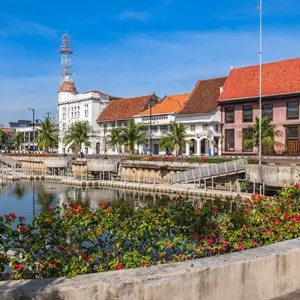
Jakarta’s Old Town, known as Kota Tua, is where the city first took shape under Dutch rule. The cobbled square is lined with faded colonial buildings that now house museums, cafés, and street artists. It’s a good place to walk around, people-watch, and imagine how Batavia might have looked centuries ago. Don’t miss Fatahillah Square, the Jakarta History Museum, and the Wayang Museum while you’re there.

Maritime Museum

Maritime Museum

Maritime Museum

Set in old Dutch warehouses by the Sunda Kelapa harbour, the Maritime Museum tells the story of Indonesia’s long history with the sea. Inside are model ships, navigation tools, maps, and photos that trace the country’s seafaring past. The building itself is worth a look too — its thick walls and timber beams date back to the 17th century.

Museum Bank Indonesia

Museum Bank Indonesia

Museum Bank Indonesia

Housed in a stunning historic building that once served as Indonesia’s first bank, this interesting museum offers a deep dive into the nation’s financial history. Visitors can explore an impressive collection of banknotes and coins from around the world, tracing the evolution of currency through engaging exhibits. Do not miss the gold safe, where the country's gold was stored without the population being aware of it.

Dining
AMUZ Gourmet Restaurant

AMUZ Gourmet Restaurant

AMUZ Gourmet Restaurant

Tucked inside the Sudirman Central Business District, AMUZ is one of Jakarta’s most acclaimed fine-dining addresses. Led by French chef Gilles Marx, the restaurant serves contemporary French cuisine with a focus on seasonal ingredients and elegant presentation. The wine list leans heavily toward French labels, thoughtfully curated to complement the menu.

Asia Restaurant - The Ritz-Carlton

Asia Restaurant - The Ritz-Carlton

Asia Restaurant - The Ritz-Carlton

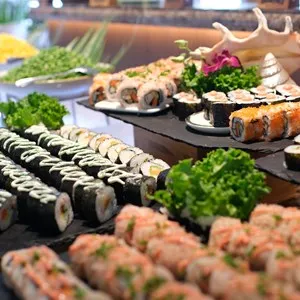
Asia Restaurant at The Ritz-Carlton Jakarta is a refined all-day dining spot with an international focus. The buffet is the main draw, with live cooking stations where chefs prepare everything from sushi and grilled seafood to Western favourites like pizza and roasted meats. The weekend brunch is especially popular, featuring seafood, prime cuts, cheeses, and even truffle-infused dishes.

Dapur Babah Elite

Dapur Babah Elite

Dapur Babah Elite

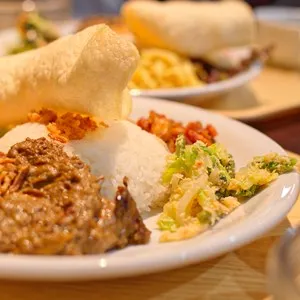
Housed in two restored 1940s shophouses, Dapur Babah Elite mixes Javanese, Peranakan, and old Dutch flavours in a nostalgic setting filled with antiques and old photos. Dishes like 'ayam lodho' and 'nasi campur babah' come highly recommended, and the adjoining Tao Bar is a good spot to pop in for a drink afterwards.

Ganesha Ek Sanskriti

Ganesha Ek Sanskriti

Ganesha Ek Sanskriti

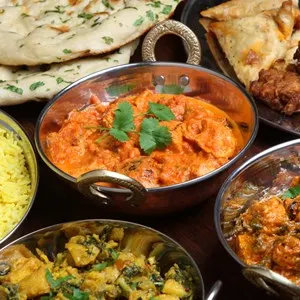
If you are longing for authentic Indian cuisine while in Jakarta, Ganesha Ek Sanskriti is the place to go. Located on the 9th floor of the Centre Park Building, this restaurant is celebrated for its authentic Delhi-style dishes, such as butter chicken and mutton kebabs, alongside some tasty vegetarian options.

Il Mare

Il Mare

Il Mare

Set inside Hotel Mulia, Il Mare is one of Jakarta’s long-standing destinations for refined Italian dining. The focus is on Northern Italian flavours: handmade pasta, fresh seafood, and prime grilled meats. Signature dishes like Cold Angel Hair with Caviar and Wagyu Beef stand out, and the extensive wine list ensures the right pairing for every plate.

Plan B

Plan B

Plan B

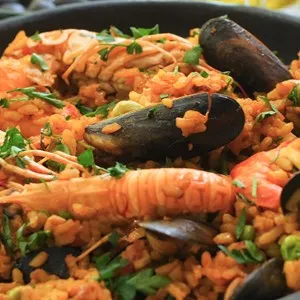
Plan B is a neighbourhood spot serving straightforward Spanish food done well. The menu covers the classics like tapas, paella, and slow-cooked stews, alongside a selection of Spanish wines to match. Chef Oskar Urzelai, who’s from Spain, runs the kitchen, often chatting with diners about what’s cooking.

Pondok Laguna

Pondok Laguna

Pondok Laguna

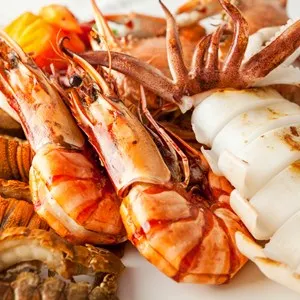
Just a short walk from Chinatown, Pondok Laguna is one of Jakarta’s most beloved spots for seafood and classic Indonesian dishes. The dining room is always lively, filled with families and groups sharing generous plates of grilled fish, squid, and prawns. Their Tahu Kipas (crispy tofu stuffed with vegetables and shrimp) is a local favourite and often cited as the best in town.

Street Food

Street Food

Street Food

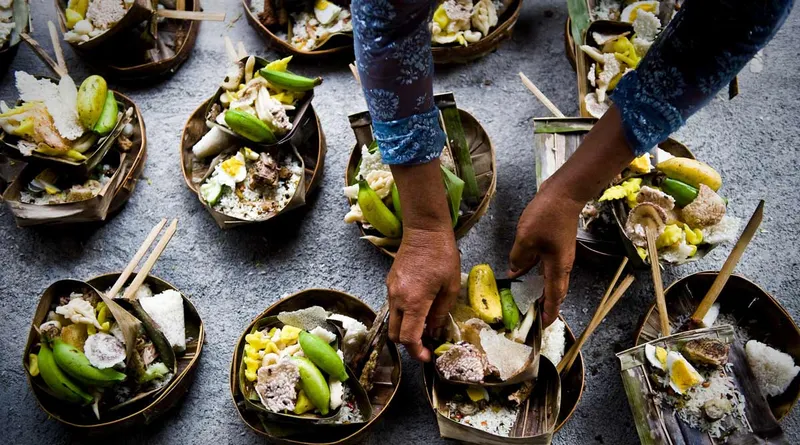
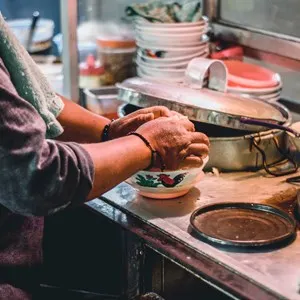
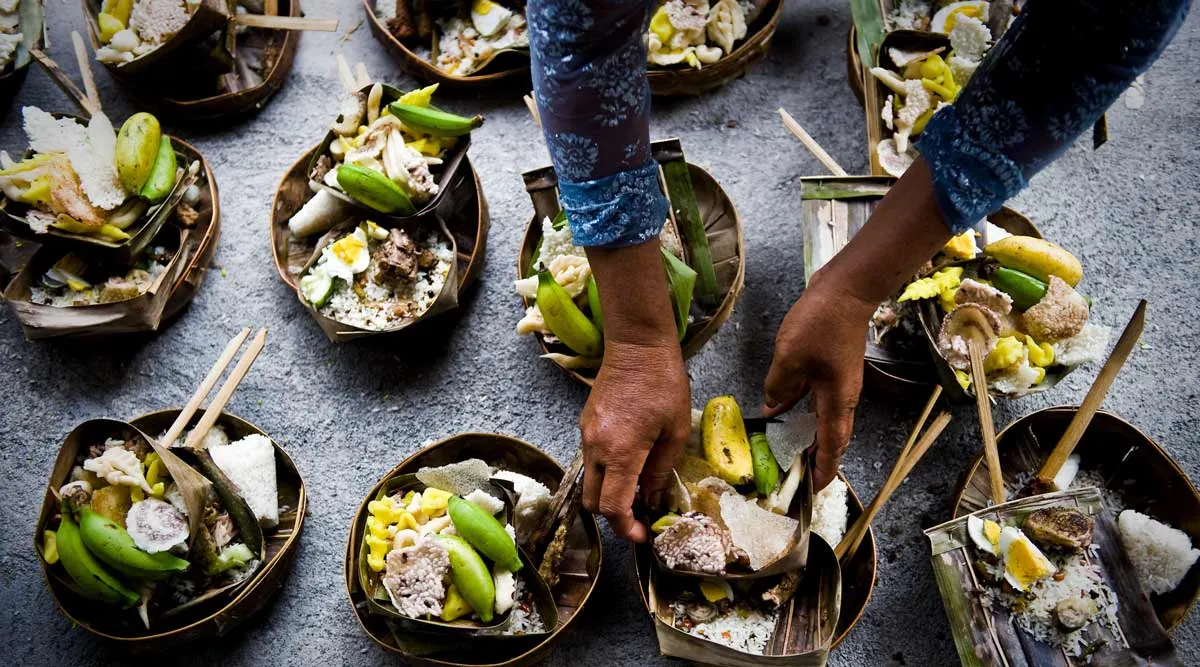
Jakarta’s street food scene is a culinary adventure waiting to be explored. From bustling markets to late-night stalls, there’s something for every appetite. Popular areas include Glodok (Chinatown), Blok M, and Kota Tua, where locals and visitors alike line up for quick, satisfying bites. A few must-try dishes include Bakmi Goreng (stir-fried noodles with vegetables and protein), Soto Ayam (a comforting chicken soup with turmeric and spices), and Martabak (a thick pancake filled with sweet or savoury ingredients). For a taste of Betawi cuisine, sample Nasi Uduk (coconut rice served with fried chicken, tempeh), and sambal, or Gado-Gado (a salad of boiled vegetables topped with peanut sauce).

Cafés
Bakoel Koffie

Bakoel Koffie

Bakoel Koffie

Housed in a colonial-era shophouse in Menteng, Bakoel Koffie has been part of Jakarta’s coffee story since the late 1800s. It’s the kind of place where students, artists, and professionals all share tables over cups of kopi tubruk or freshly roasted Java blends. The space feels timeless making it a great choice for a quiet catch-up or a break between exploring nearby sights like Taman Ismail Marzuki.

Café Batavia

Café Batavia

Café Batavia

Café Batavia is a historic café located in the heart of Jakarta's Old Town. Housed in a colonial-era building dating back to the 1830s, it offers a unique blend of Dutch colonial architecture and Indonesian hospitality. The café offers a diverse menu, featuring Indonesian classics like nasi bakar and tongseng kambing, alongside international options like steaks and pasta.

Giyanti Coffee Roastery

Giyanti Coffee Roastery

Giyanti Coffee Roastery

Hidden down a quiet alley in Menteng, Giyanti Coffee Roastery is one of Jakarta’s best-known destinations for proper coffee. The place has a homey and community feel with vintage furniture and friendly baristas who know their beans. They roast on site, focusing on Indonesian coffee, and their palm-sugar latte is a local favourite.

La Moda

La Moda

La Moda

La Moda sits inside Plaza Indonesia, right next to the Grand Hyatt, and doubles as a café and occasional fashion venue. The menu mixes European café classics with a few Indonesian dishes. It’s a convenient stop if you’re shopping or want a seat to watch the city go by, with coffee strong enough to keep you going between boutiques.

Lucky Cat Coffee & Kitchen

Lucky Cat Coffee & Kitchen

Lucky Cat Coffee & Kitchen

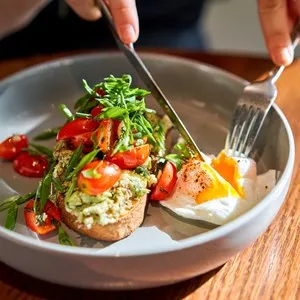
Lucky Cat is a cosy, 24-hour café nestled in Jakarta's Kuningan district. With a rustic-chic vibe, it features a bi-level layout adorned with hanging plants and a central tree. The menu features a diverse selection of Asian and Western dishes, including favorites such as nachos, spaghetti carbonara, and avocado toast. Whether you're grabbing a late-night coffee or enjoying a leisurely brunch, Lucky Cat provides a welcoming spot for any time of day.

Bars & Nightlife
B.A.T.S.

B.A.T.S.

B.A.T.S.

B.A.T.S. at the Shangri-La Hotel brings a slice of New York nightlife to Jakarta. Set in a cosy, dimly lit space with brick walls and a buzzing bar scene, it’s known for its live bands, themed parties, and energetic crowd. The drinks list is pretty solid, and the menu covers American comfort food, from burgers to steaks.

Churchill Wine & Cigar Bar

Churchill Wine & Cigar Bar

Churchill Wine & Cigar Bar

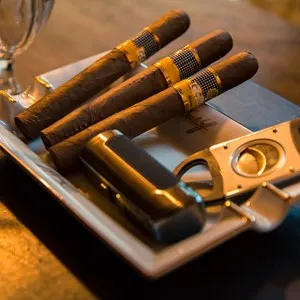
Tucked inside the Hotel Borobudur, Churchill Wine & Cigar Bar offers a refined escape from Jakarta’s bustle. With plush leather chairs, dim lighting, and a curated selection of fine wines and premium cigars, it’s the ideal spot for a quiet, classy evening. A favourite among diplomats and long-time patrons, it delivers a touch of old-world elegance right in the heart of the city.

Eastern Promise

Eastern Promise

Eastern Promise

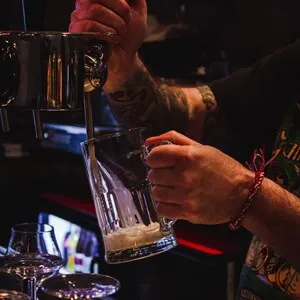
Eastern Promise has been a fixture on Jakarta’s bar scene since 1989 and remains a go-to spot for the city’s expat crowd. Modelled after a classic British pub, it’s the kind of place where you can grab a pint of draught beer, tuck into a meat pie, and catch live sports on big screens. There’s also a darts corner, regular live music, and a friendly atmosphere.

Lucy In The Sky Spark

Lucy In The Sky Spark

Lucy In The Sky Spark

Up on the rooftop of Senayan Park Mall, Lucy In The Sky gives you a leafy garden terrace and sweeping city-view backdrop for drinks and bites. The décor blends 60s retro with tropical greenery and a glass roof over part of the space for a semi-outdoor feel. Enjoy cocktails, beers, and a simple menu of Asian-Western snacks, all while DJs keep the mood alive from early evening until the wee hours.

The Jaya Pub

The Jaya Pub

The Jaya Pub

Jaya Pub is Jakarta’s oldest bar and a true city institution. With its retro décor, live bands, and easygoing crowd, it feels like a throwback to the city’s groovier days. The music focuses on classic rock, the beers come cold, and the mix of locals, expats, and curious newcomers keeps the place buzzing well into the night.

Shopping
Grand Indonesia

Grand Indonesia

Grand Indonesia

Grand Indonesia is one of Jakarta’s biggest and most elegant malls, spread across two wings filled with local boutiques and global brands. Beyond the shops, it’s a lively spot for dining and entertainment, with more than 200 restaurants and cafés, a cinema, and a bowling alley, plus a daily dancing fountain show.

Jalan Jaksa

Jalan Jaksa

Jalan Jaksa

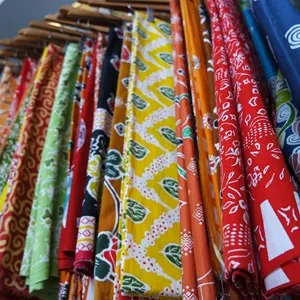
Jalan Jaksa has long been known as Jakarta’s backpacker hub, and its jumble of antique and craft shops still reflects that bohemian spirit. It’s the place to browse for Indonesian and Chinese pottery, wood carvings, textiles, and colonial-style furniture. Be prepared to bargain, as haggling is part of the experience.

Jalan Thamrin

Jalan Thamrin

Jalan Thamrin

Jalan Thamrin is Jakarta’s main shopping artery, home to some of the city’s most iconic retail landmarks. Grand Indonesia and Plaza Indonesia anchor the area with luxury brands, designer boutiques, and stylish cafés, while the recently revitalised Sarinah (Jakarta’s first department store) offers an array of Indonesian-made products, from batik to local coffee. For a more budget-friendly approach, Thamrin City Mall and nearby street markets are great for hunting down textiles, souvenirs, and traditional crafts.

Mall Taman Anggrek

Mall Taman Anggrek

Mall Taman Anggrek

Mall Taman Anggrek is one of Jakarta’s biggest and busiest shopping destinations. Spanning seven floors, it’s packed with international fashion brands, sportswear, electronics, and local boutiques, plus a large food court offering cuisines from across Asia and an indoor ice-skating rink.

Pasar Seni

Pasar Seni

Pasar Seni

Founded in 1977, Pasar Seni is an open-air art market that celebrates Indonesian creativity in all its forms. Here, local painters, sculptors, and craftsmen display their work in a relaxed, village-like setting. You can often meet the artists themselves and catch live performances on weekends.

Plaza Blok M

Plaza Blok M

Plaza Blok M

Plaza Blok M is one of Jakarta’s oldest and most characterful shopping malls, popular with locals for its mix of affordable fashion, electronics, and souvenir shops. It's also home to numerous cafés, small bars, and eateries.

Plaza Indonesia

Plaza Indonesia

Plaza Indonesia

Spread over seven floors, Plaza Indonesia includes an ample assortment of upmarket shops to choose from, including luxury brands such as Chanel, Louis Vuitton, and Marc Jacobs as well as many eateries, and a supermarket.

Plaza Senayan

Plaza Senayan

Plaza Senayan

Plaza Senayan is one of Jakarta’s most refined shopping destinations, known for its mix of international luxury brands and Indonesian designer boutiques such as Sebastian’s, Ghea, and Biyan. It’s a great place to find elegant evening wear and contemporary takes on traditional Indonesian fashion. The Sogo Seni handicraft centre inside Sogo is also worth a visit, offering one of the city’s best selections of locally made art, textiles, and crafts.

Tourist Information
Passport/Visa

Passport/Visa

Passport/Visa

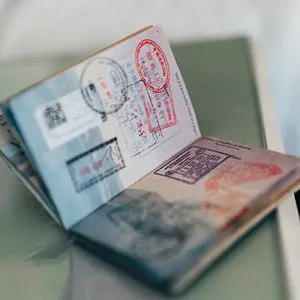
Indonesia offers various ways for travellers to enter the country depending on their nationality, residency, and length of stay. The most common options are a visa exemption, a visa on arrival (VOA), and a consular visa. Each option has its own conditions and required documents. Visa Exemption applies to nationals from select countries, such as Brunei, Cambodia, Colombia, East Timor, Hong Kong, Laos, Malaysia, Myanmar, the Philippines, Singapore, Suriname, Thailand, Vietnam, Brazil, and Turkey. These travellers can enter Indonesia for tourism without paying a visa fee, but the stay is limited to 30 days and cannot be extended. The following documents are required: a valid passport, a return or onward ticket, payment of the Bali tourist tax (if visiting Bali), and completion of the SATUSEHAT health declaration. Entry is allowed by air, land, and sea. Visa on Arrival (VOA) is available to citizens of around 75 nationalities. It allows travellers to enter Indonesia for up to 30 days, with the possibility of extending the stay once. VOA can be obtained at the airport or applied for online prior to travel. It comes with a fee. Required documents include: the visa itself (VOA or eVOA), a valid passport, proof of departure (return or onward ticket), payment of the Bali tourist tax (if applicable), and the SATUSEHAT health declaration. This option also permits entry via air, land, or sea. Tourist Visa (B211A) is needed for nationalities that are not eligible for visa exemption or VOA. It is a consular visa obtained either online or through an Indonesian embassy, and allows travellers to stay up to 60 days. Travellers must present a valid passport, a visa, a return or onward ticket, payment of the Bali tourist tax, and the SATUSEHAT health declaration. This option suits travellers who require a longer stay or come from countries not listed in the other categories. For Indonesian nationals, travel is straightforward: only a valid passport and the SATUSEHAT health pass are required. For foreign residents of Indonesia, permanent residence proof must be shown along with the passport and health pass. Travellers are encouraged to complete the SATUSEHAT form before departure to avoid delays upon arrival. If visiting Bali, make sure to pay the tourist tax online or through a registered provider. Although yellow fever vaccination isn’t commonly required, it may be requested if entering from a country listed as at-risk by the WHO.

Soekarno–Hatta International Airport (CGK)

Soekarno–Hatta International Airport (CGK)

Soekarno–Hatta International Airport (CGK)

Soekarno–Hatta International Airport (CGK) is Jakarta’s main gateway, located about 30 km northwest of the city centre. The journey typically takes between 45 minutes and 1.5 hours, depending on traffic. Travellers can reach the city via the Airport Rail Link, which connects directly to BNI City Station in central Jakarta, or by DAMRI airport buses serving major areas and hotels. Taxis and ride-hailing apps such as Grab and Gojek are also widely available from all terminals.

Public Transport

Public Transport

Public Transport

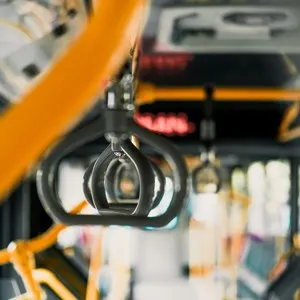
Jakarta’s public transport network offers several options for visitors. The TransJakarta BRT is a bus rapid transit system that runs on dedicated lanes, helping you avoid traffic. The MRT (Mass Rapid Transit) and LRT (Light Rail Transit) are rail systems connecting the city centre with southern districts, while the KRL Commuter Line links Jakarta with suburban areas, including attractions like Kota Tua (Old Town) and Monas. Travellers can use the JakLingko card across buses, trains, and the MRT for convenience. Ride-hailing apps like Grab and Gojek provide flexible car and motorcycle options. Peak hours can still be busy, but these combined choices make exploring Jakarta manageable.

Taxi

Taxi

Taxi

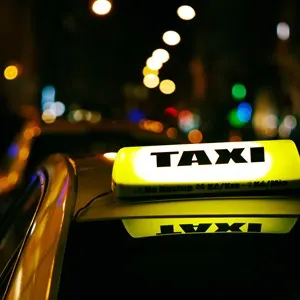
Taxis are readily available in Jakarta, with the most reliable taxi companies including Silver Bird and Blue Bird. Blue Bird taxis are easily recognisable by their blue colour, while Silver Bird taxis are black and offer a more luxurious experience. While it's possible to hail taxis on the street, using a reputable company is recommended to avoid scams. Ride-hailing apps like Grab and Gojek are also widely used in Jakarta, offering both car and motorcycle options.

Electricity

Electricity

Electricity

Indonesia operates on a 230V voltage and 50Hz frequency. The power sockets are Type C and Type F, which are the same types commonly used in most European countries.

Pharmacy

Pharmacy

Pharmacy

Pharmacies in Jakarta are easy to find in major districts and malls across the city. Look for signs with the word 'Apotek'. Major chains like Kimia Farma, Guardian, Watsons, and Century are the most reliable, offering prescription and over-the-counter medications, vitamins, and basic health products.

Post

Post

Post

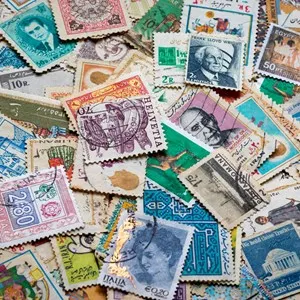
Post offices in Jakarta typically operate from 8am to 4pm, Monday through Friday, and from 8am to noon on Saturdays, offering a range of services including mail and parcel delivery and financial services such as money transfers and bill payments.

Telephone

Telephone

Telephone

Country code: +62 Area code: 21

Frequently Asked Questions

Jakarta is home to several must-see attractions, including the National Monument (Monas), Istiqlal Mosque, Jakarta Cathedral, and the historic Kota Tua (Old Town) area. The Taman Mini Indonesia Indah offers a cultural overview of Indonesia's diverse heritage.

The best time to visit Jakarta is during the dry season, from May to October, when the weather is more pleasant and there's less rainfall, making it ideal for sightseeing.

Jakarta's public transportation includes TransJakarta buses and the MRT system, which are efficient for navigating the city. Taxis and ride-hailing apps like Grab are also widely available for more convenience.

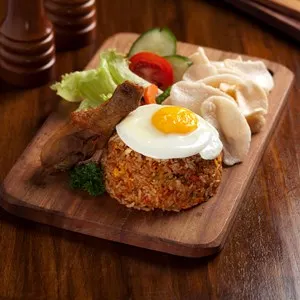
In Jakarta, try local dishes such as nasi goreng (fried rice), soto Betawi (beef soup), and kerak telor (spicy omelet). Street food is abundant and offers a taste of authentic Indonesian flavors.

Spending 3 to 4 days in Jakarta is typically enough to explore the main attractions, enjoy the local cuisine, and experience the city's vibrant culture.

Popular areas to stay in Jakarta include Central Jakarta for its proximity to major attractions, and South Jakarta for its upscale neighborhoods and shopping centers.

Yes, consider a day trip to Bogor to visit the Bogor Botanical Gardens or to the Thousand Islands for a beach escape. Both offer a refreshing break from the city's hustle and bustle.

Vacation Planner Banner