

Details for Jerusalem
:no_upscale()/LocalImage/PictureLibrary/Middle%20East/Israel/Jerusalem/Jerusalem%20Via%20Dolorosa%20.jpg)
:no_upscale()/LocalImage/PictureLibrary/Middle%20East/Israel/Jerusalem/Jerusalem%20street.jpg)
:no_upscale()/LocalImage/PictureLibrary/Middle%20East/Israel/Jerusalem/Jerusalem.jpg)
:no_upscale()/LocalImage/PictureLibrary/Middle%20East/Israel/Jerusalem/Israel%20Jerusalem%20Mosque.jpg)
:no_upscale()/LocalImage/PictureLibrary/Middle%20East/Israel/Jerusalem/Israel%20Jerusualem%20Night%20view.jpg)
:no_upscale()/LocalImage/PictureLibrary/Middle%20East/Israel/Jerusalem/IsraelJerusalem%20City%20View.jpg)
:no_upscale()/LocalImage/PictureLibrary/Middle%20East/Israel/Jerusalem/Jerusalem%20Night%20City%20View.jpg)
:no_upscale()/LocalImage/PictureLibrary/Middle%20East/Israel/Jerusalem/Jerusalem%20Tomb%20of%20King%20David.jpg)

:no_upscale()/LocalImage/PictureLibrary/Middle%20East/Israel/Jerusalem/Jerusalem%20Via%20Dolorosa%20.jpg)
:no_upscale()/LocalImage/PictureLibrary/Middle%20East/Israel/Jerusalem/Jerusalem%20street.jpg)
:no_upscale()/LocalImage/PictureLibrary/Middle%20East/Israel/Jerusalem/Jerusalem.jpg)
:no_upscale()/LocalImage/PictureLibrary/Middle%20East/Israel/Jerusalem/Israel%20Jerusalem%20Mosque.jpg)
:no_upscale()/LocalImage/PictureLibrary/Middle%20East/Israel/Jerusalem/Israel%20Jerusualem%20Night%20view.jpg)
:no_upscale()/LocalImage/PictureLibrary/Middle%20East/Israel/Jerusalem/IsraelJerusalem%20City%20View.jpg)
:no_upscale()/LocalImage/PictureLibrary/Middle%20East/Israel/Jerusalem/Jerusalem%20Night%20City%20View.jpg)
:no_upscale()/LocalImage/PictureLibrary/Middle%20East/Israel/Jerusalem/Jerusalem%20Tomb%20of%20King%20David.jpg)
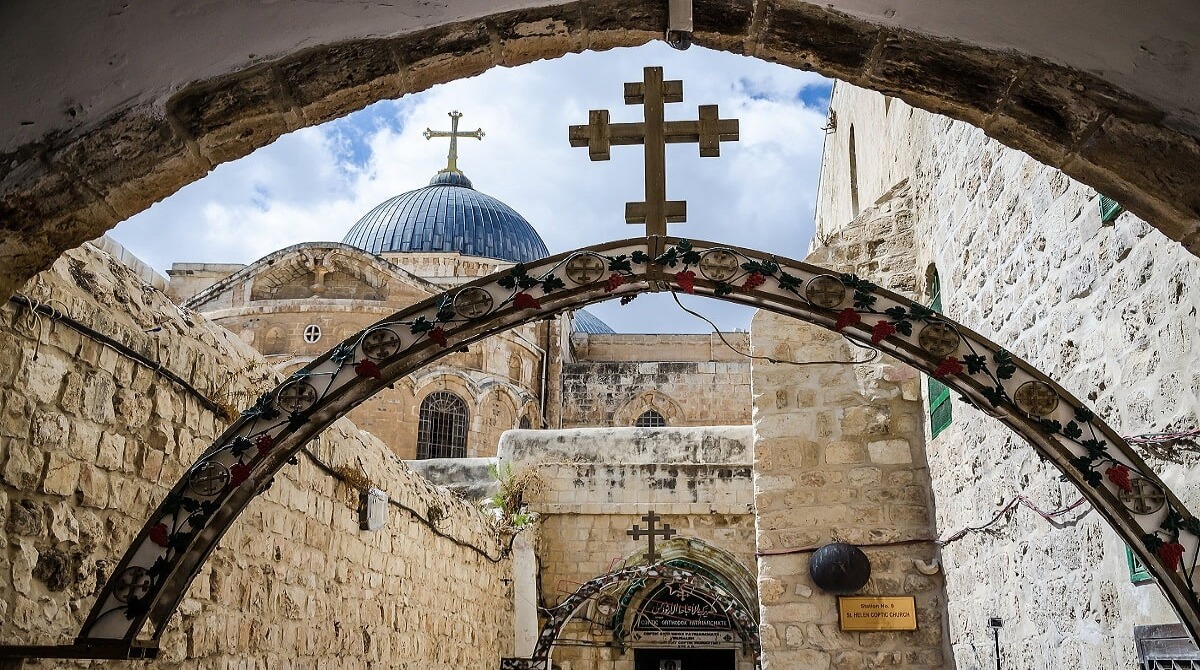
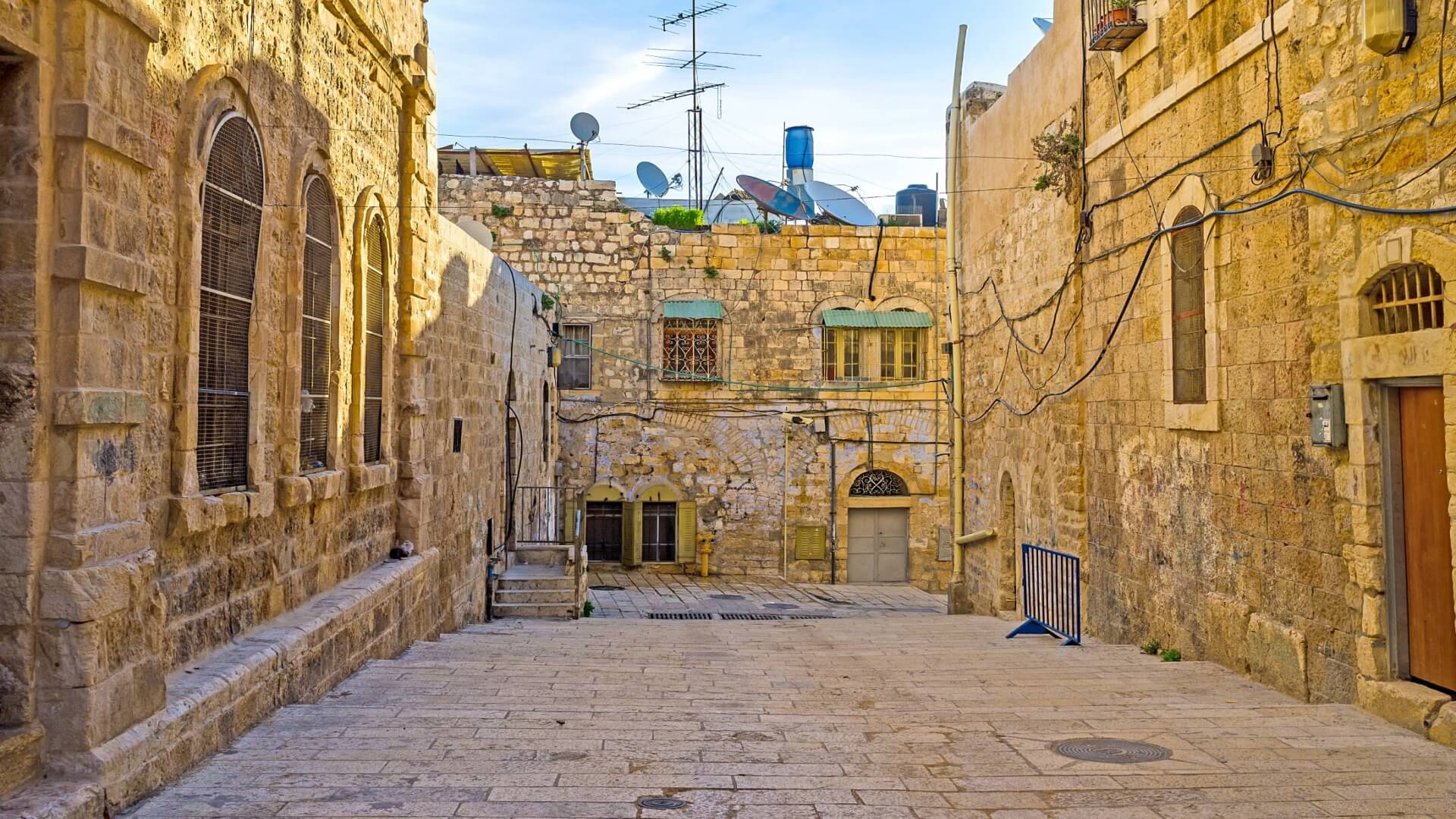
Whether you're trying to grasp its history, contemplate its spirituality, or understand its different cultures, experiencing Jerusalem is a fascinating undertaking. The Old City is Jerusalem's most popular attraction, with an array of religious and historical buildings. However, don't miss the newer districts that started spreading in the 1860s — start with the quarters of Mishkenot Sha'ananim and Nahalat Shiva. For fashion, novelties, and nightlife, head to the Downtown Triangle, between Jaffa Road, King George Street, and Ben Yehuda Street. But be sure to explore further: you will find a bustling cultural scene and lively entertainment throughout the city. A wild, dusty natural landscape surrounds the urban area. The history of Jerusalem is restless and runs through thousands of years. The Canaanite population settled in the area 6,000+ years ago, near the Gihon Spring. After biblical king David conquered the city, his successor Solomon built a legendary Temple — the shrine was the most sacred place for Jewish people, who developed a strong and tormented connection with the land. Jerusalem then became part of the Roman Empire through a dramatic conquest. The Temple was definitively destroyed in 70 AD during a brutal repression by the emperor Titus. The site of Jesus Christ's death and alleged resurrection, Jerusalem saw the birth of a new religion; it was also the site of an important spiritual journey for Muhammad, the founder of Islam. During the Crusades and Middle Ages, Jerusalem played a significant role in the region's history, with important orders like the Templar Knights founded there. Since the State of Israel was proclaimed in 1947, a tortuous conflict between the state and the city's previous inhabitants has divided its people.
Metro area: 983,000 (2024)
New Israel Shekel (ILS)
Police: 100
Emergency Medical Services: 101
Fire and Rescue: 102
Most shops open Sunday to Thursday from 9am to 7pm. Jewish-owned stores are closed on Friday afternoon and Saturday to mark Shabbat. Some re-open on Saturday after sundown. The Muslim day of rest is Friday, while Christians do not work on Sunday.


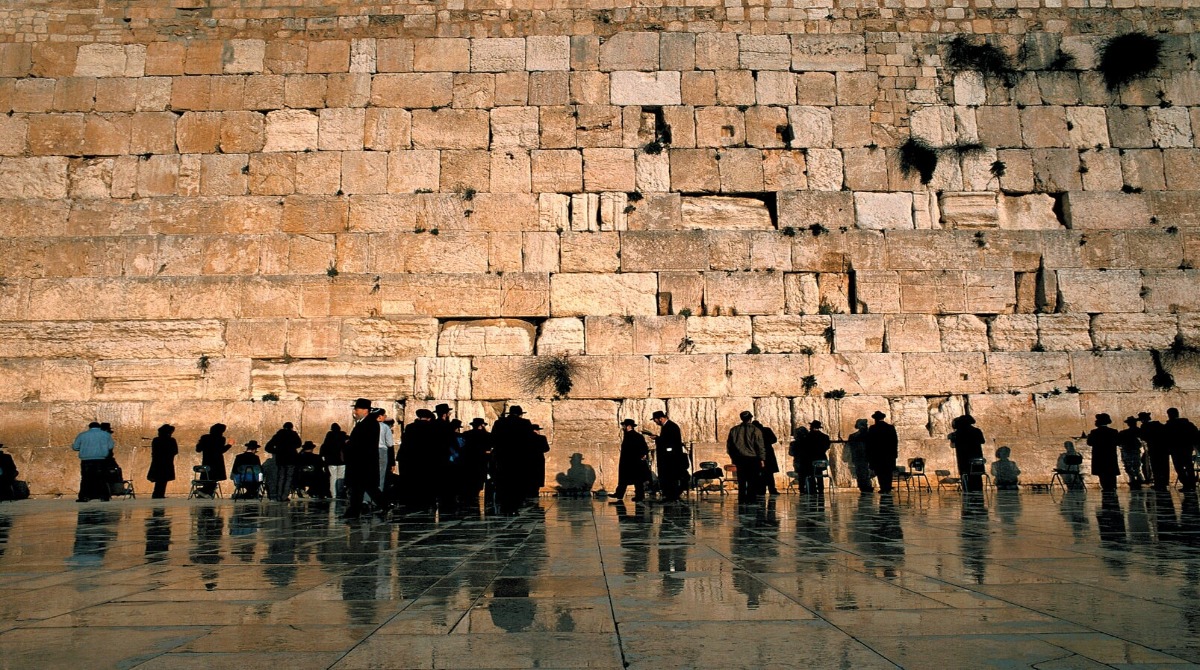
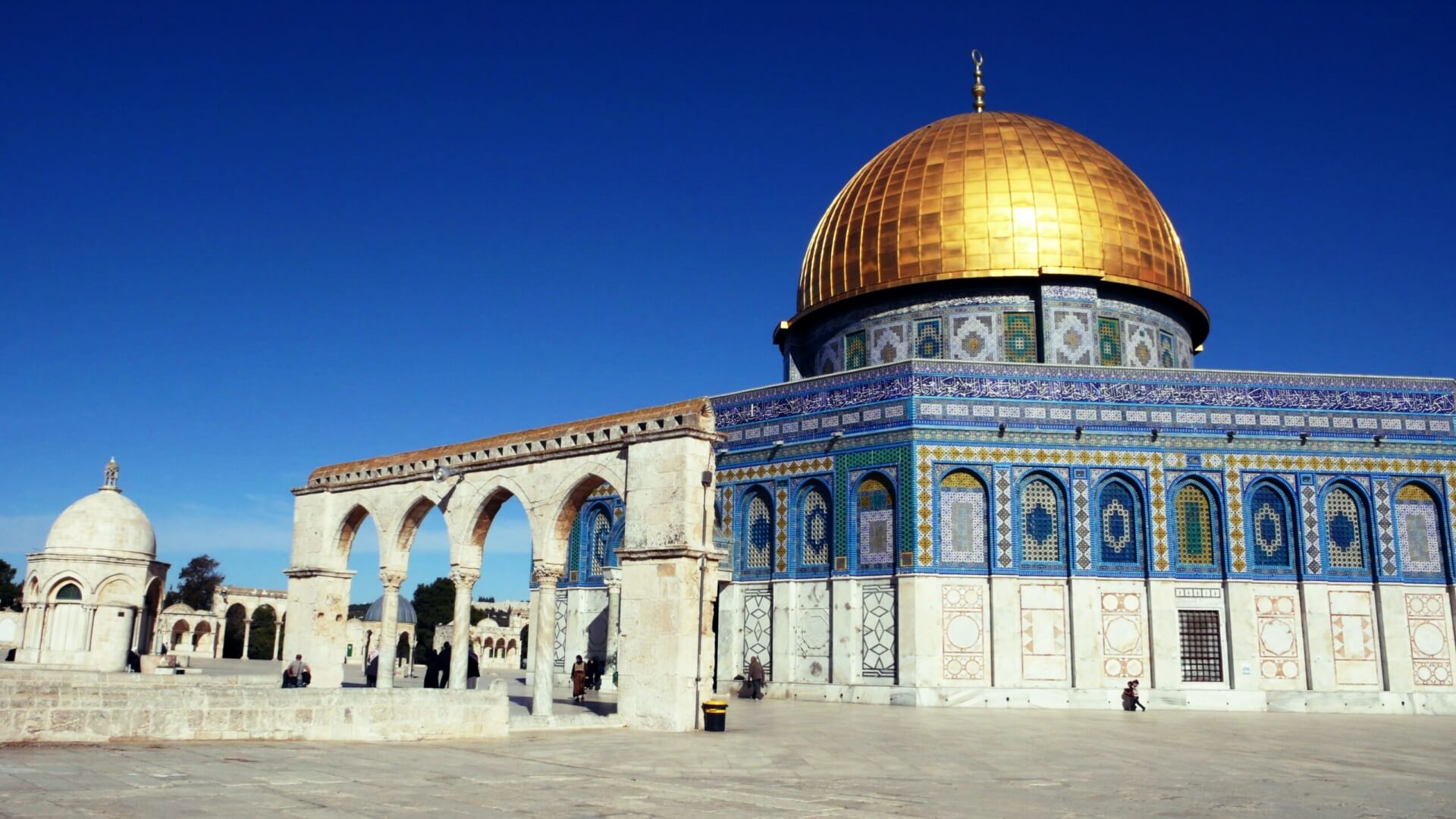
Jerusalem is home to iconic sites like the Western Wall, the Dome of the Rock, and the Church of the Holy Sepulchre. The Old City, divided into Jewish, Muslim, Christian, and Armenian quarters, offers a rich tapestry of history and culture. Don't miss the Tower of David Museum and the Yad Vashem Holocaust Memorial.
The best time to visit Jerusalem is during spring (April to May) or fall (September to November) when the weather is mild and pleasant. These seasons also avoid the summer crowds and the winter rains, making it ideal for exploring the city's outdoor attractions.
Jerusalem has an efficient public transportation system, including buses and the light rail, which connects key points in the city. Taxis and rideshare services are also available. Walking is a great way to explore the Old City, as many areas are pedestrian-only.
In Jerusalem, try traditional dishes like falafel, hummus, and shawarma. Don't miss out on the local specialty, Meorav Yerushalmi, a mixed grill dish. For dessert, try rugelach or kanafeh, a sweet cheese pastry.
A visit to Jerusalem typically requires at least three to four days to fully explore its historical and cultural landmarks. This allows time to visit major sites, enjoy local cuisine, and take in the unique atmosphere of the city.
Yes, popular day trips from Jerusalem include visiting the Dead Sea, Masada National Park, and the ancient city of Bethlehem. These destinations offer a mix of natural beauty and historical significance, easily accessible within an hour or two from Jerusalem.
In Jerusalem, dress modestly, especially when visiting religious sites. Respect the local customs by covering shoulders and knees. Be mindful of the Sabbath from Friday evening to Saturday evening, when many businesses close, and public transport is limited.
:no_upscale()/LocalImage/PictureLibrary/Middle%20East/Israel/Jerusalem/Israel%20Jerusalem%20Mosque.jpg)