
Details for Johannesburg
:no_upscale()/LocalImage/PictureLibrary/Africa/South%20Africa/Landmarks/South%20Africa,%20Johannesburg,%20Pretoria-02.jpg)
:no_upscale()/LocalImage/PictureLibrary/Africa/South%20Africa/Landmarks/South%20Africa,%20Johannesburg,%20Nelson%20Mandela%20Bridge-01.jpg)
:no_upscale()/LocalImage/PictureLibrary/Africa/South%20Africa/Landmarks/South%20Africa,%20Johannesburg,%20Pretoria%20Union%20Buildings-01.jpg)
:no_upscale()/LocalImage/PictureLibrary/Africa/South%20Africa/Landmarks/South%20Africa,%20Johannesburg,%20Pretoria-01.jpg)
:no_upscale()/LocalImage/PictureLibrary/Africa/South%20Africa/City%20Shots/South%20Africa,%20Soweto-01.jpg)


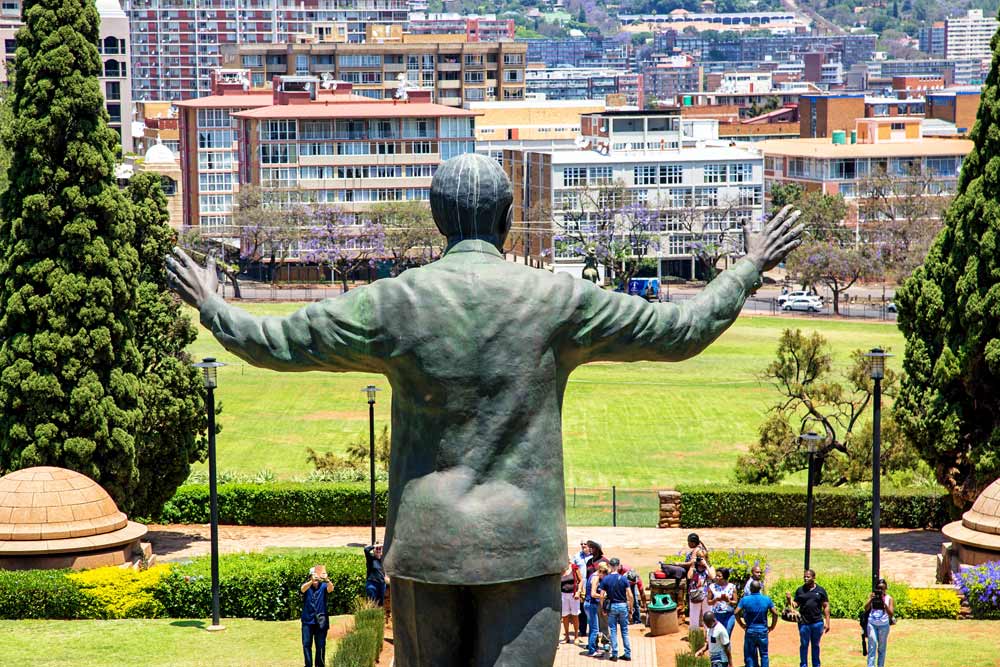
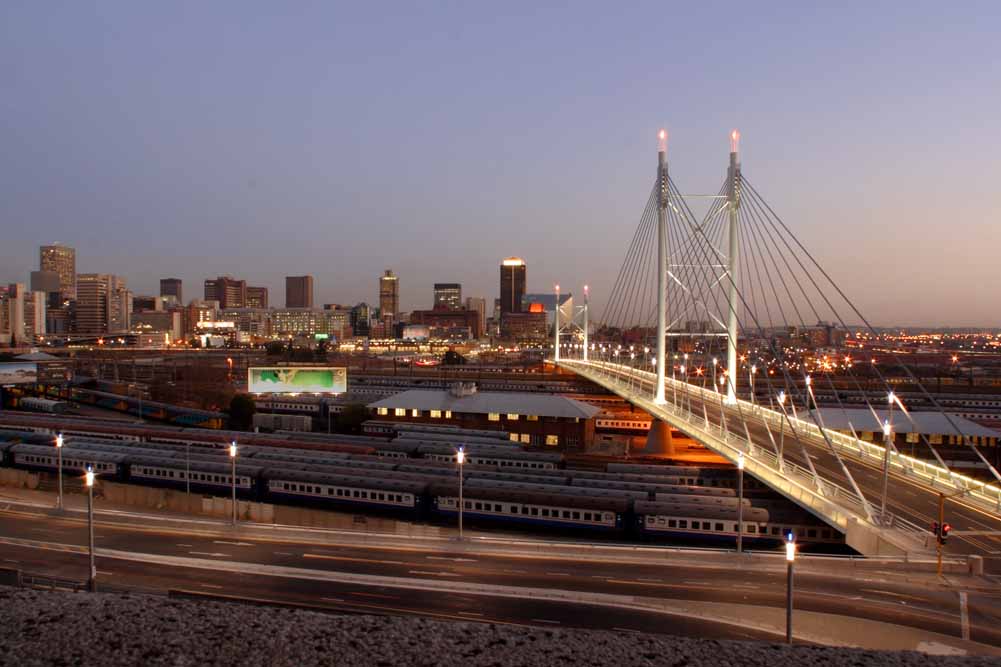
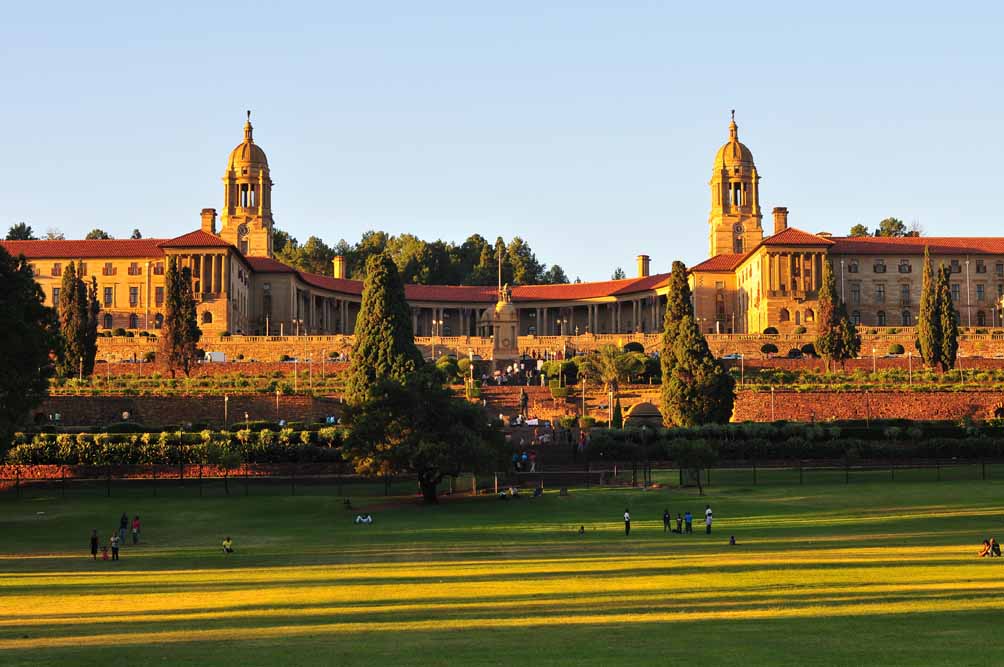
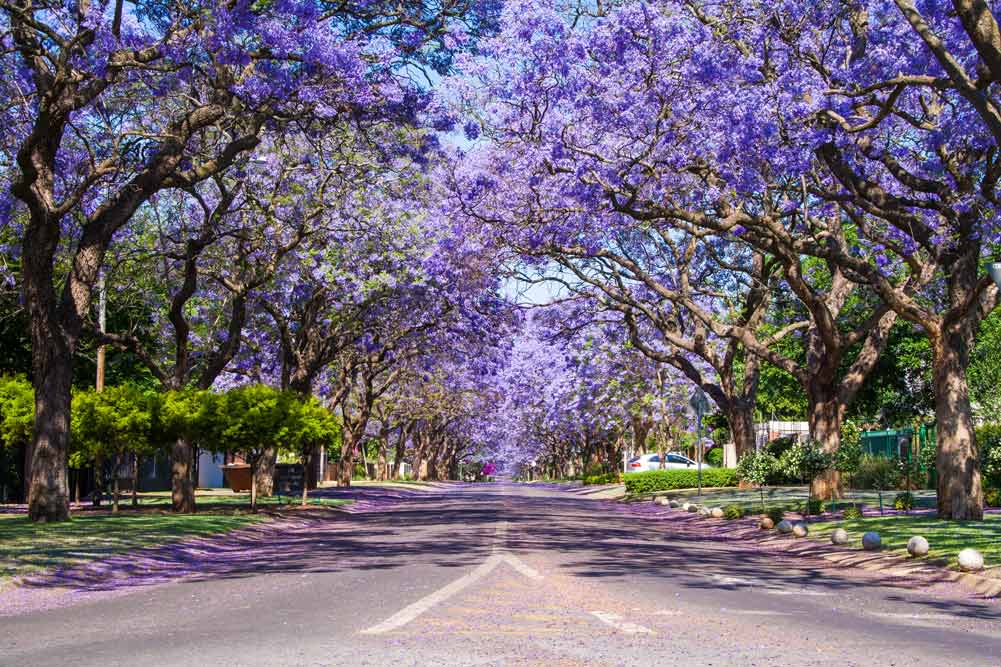
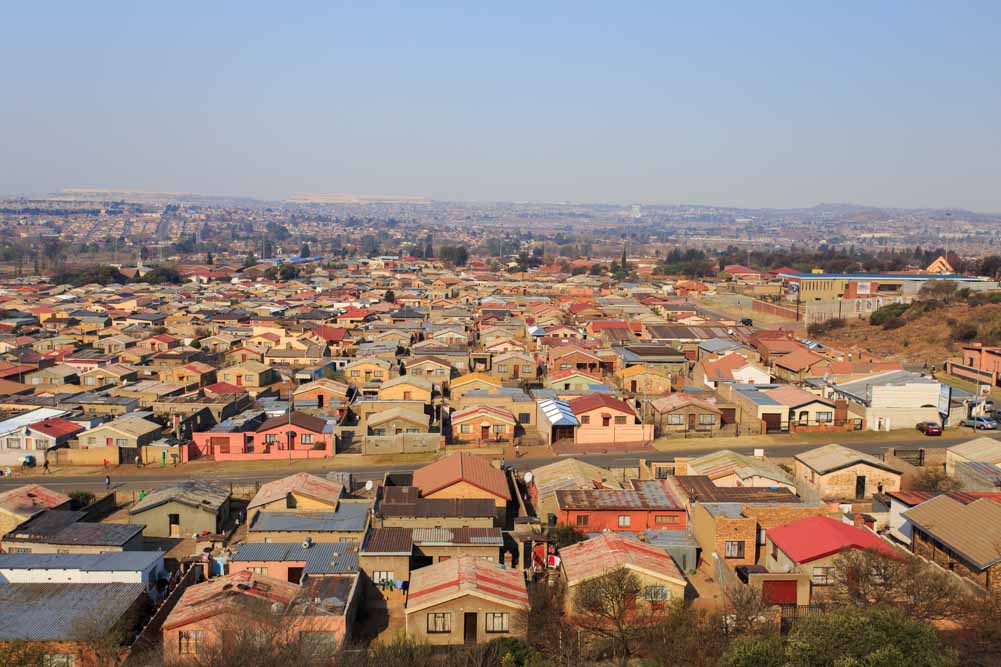
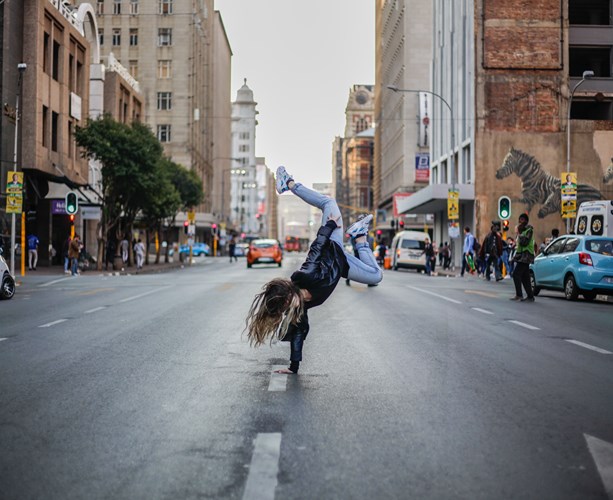
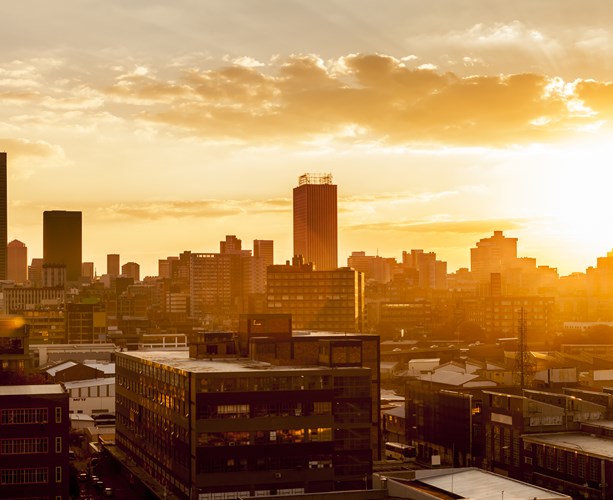
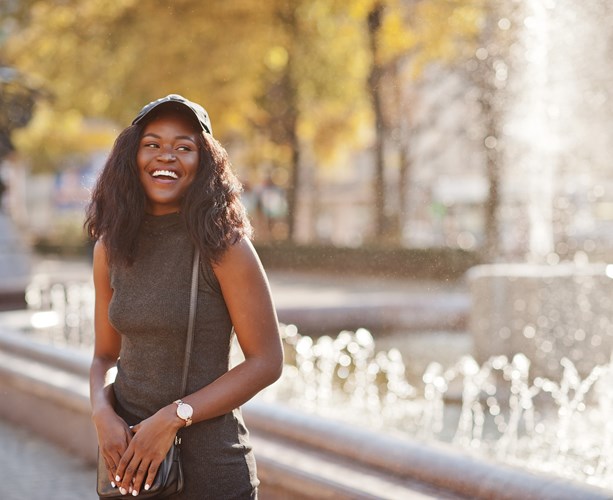
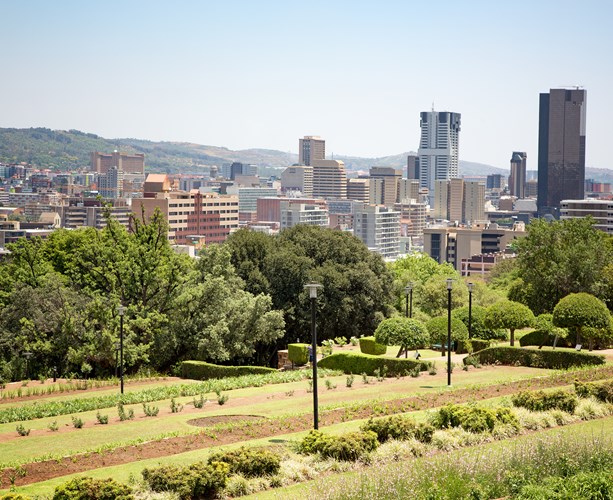
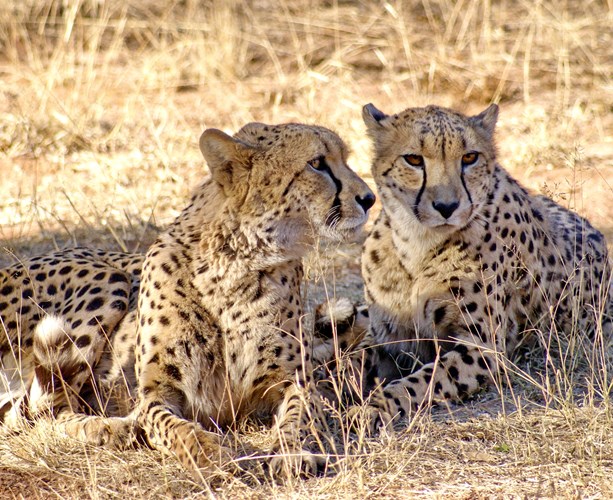
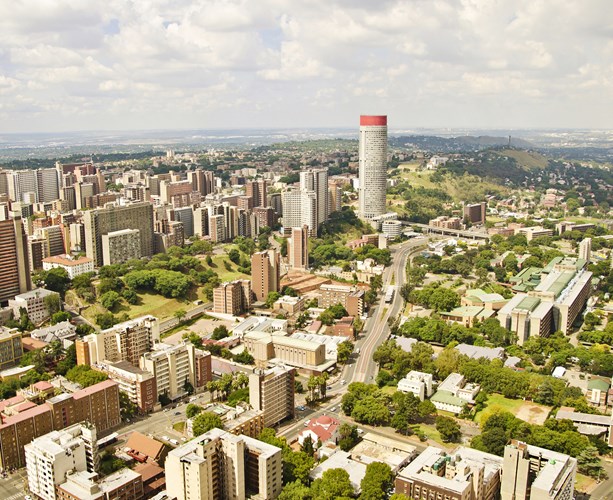
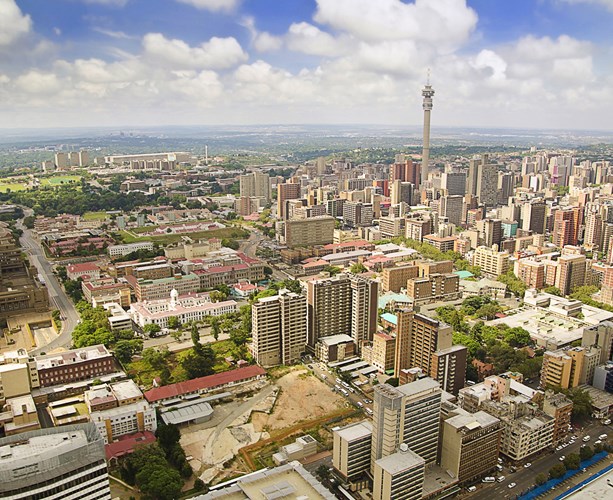
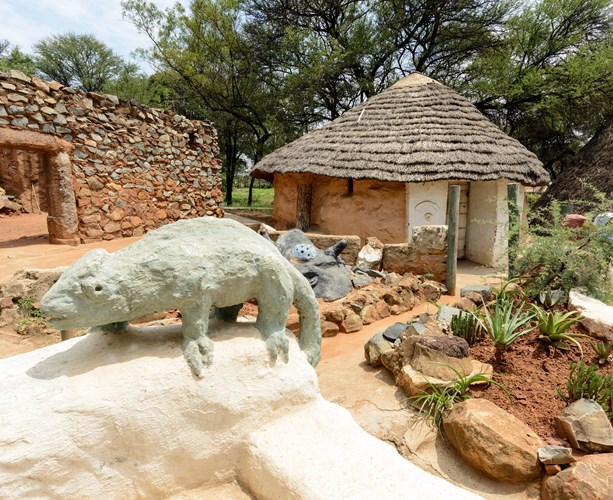
Johannesburg is South Africa’s largest city and economic engine. Known as “Joburg” or “Jozi,” it developed from gold mining origins into a global financial center. The city offers vibrant cultural districts, world-class shopping, museums like the Apartheid Museum, and lively nightlife. It is also near Soweto, a township rich in political history. Johannesburg serves as the main transport hub of southern Africa and provides access to safari destinations and neighboring provinces. Dynamic and fast-paced, it reflects modern South Africa’s diversity and resilience.

:no_upscale()/LocalImage/PictureLibrary/Africa/South%20Africa/Landmarks/South%20Africa,%20Johannesburg,%20Pretoria-02.jpg)
:no_upscale()/LocalImage/PictureLibrary/Africa/South%20Africa/Landmarks/South%20Africa,%20Johannesburg,%20Nelson%20Mandela%20Bridge-01.jpg)
:no_upscale()/LocalImage/PictureLibrary/Africa/South%20Africa/Landmarks/South%20Africa,%20Johannesburg,%20Pretoria%20Union%20Buildings-01.jpg)
:no_upscale()/LocalImage/PictureLibrary/Africa/South%20Africa/Landmarks/South%20Africa,%20Johannesburg,%20Pretoria-01.jpg)
:no_upscale()/LocalImage/PictureLibrary/Africa/South%20Africa/City%20Shots/South%20Africa,%20Soweto-01.jpg)


Cosmopolitan Johannesburg (also known as Jo’burg or Jozi) sprawls for miles, sprouting upper-income suburbs like satellite towns — one of them, sophisticated Sandton, is the business and economic capital of South Africa. Soweto, home to most of Johannesburg’s black population, lies to the southwest, a 20 square km conglomeration of townships with homes that range from millionaire mansions and neat middle-income housing to the tin shacks of squatter camps. The city built on gold has seen its landmark yellow mine dumps recycled and replaced by highrise buildings and glitzy shopping malls, and its recent apartheid history remembered in superb new museums. Soaring chrome and glass buildings, housing opulent international hotels and corporate giants, pepper the leafy streets of a string of exclusive northern suburbs — among them, the rich Rosebank, elite Sandhurst, bohemian Melrose Village and foody Greenside. Across a canopy of green, the horizon is spiked by the outline of downtown Johannesburg, slowly stirring from its no-go dilapidation. Six-lane highways and swirling freeways indicate the importance of the car.
5.6 million
1 Rand (ZAR) = 100 cents
Jo’burg Connect
+27 11 375 5911 (Accidents, Fire, Medical, Crime)
10111 Police
10177 Ambulance
Mall shopping hours are generally from 9 am until 5 pm from Monday to Saturday, and from 9 am 2 pm on Sundays. Most museums and galleries are closed on Mondays.


Johannesburg offers several must-see attractions including the Apartheid Museum, which provides a deep dive into South Africa's history, and Constitution Hill, a living museum that tells the story of South Africa’s journey to democracy. The vibrant Maboneng Precinct is also worth visiting for its art galleries, restaurants, and shops.
The best time to visit Johannesburg is during the spring (September to November) and autumn (March to May) months. During these periods, the weather is mild and pleasant, making it ideal for outdoor activities and sightseeing.
In Johannesburg, you should try local dishes such as biltong, a type of cured meat, and boerewors, a traditional South African sausage. For a sweet treat, try malva pudding, a sticky dessert with a caramelized texture.
Getting around Johannesburg is convenient with options like the Gautrain, a rapid transit railway system connecting the city to the airport and surrounding areas. Taxis and rideshare services are also widely available for more flexible travel within the city.
Spending about three to four days in Johannesburg is ideal to explore its main attractions, delve into its rich history, and enjoy its vibrant cultural scene. This timeframe allows for a balanced itinerary without feeling rushed.
Worthwhile day trips from Johannesburg include visiting the Cradle of Humankind, a UNESCO World Heritage site that offers insights into human evolution, and the Pilanesberg National Park, where you can enjoy a safari experience and see the Big Five.
Rosebank and Sandton are popular neighborhoods to stay in Johannesburg. Rosebank offers a vibrant atmosphere with shopping and dining options, while Sandton is known for its upscale hotels and proximity to major business centers.
:no_upscale()/LocalImage/PictureLibrary/Africa/South%20Africa/cape%20town%20shutterstock_92510755WEB.jpg)
:no_upscale()/LocalImage/PictureLibrary/Africa/South%20Africa/Landscapes/South%20Africa,%20Cape%20Town,%20Boulders%20Beach-01.jpg)