

Konya Travel & Vacation Guide
Current Weather

Frequently Asked Questions
The best time to visit Konya is during the spring (April to June) and fall (September to November) when the weather is mild and pleasant. These seasons offer comfortable temperatures for exploring the city's cultural and historical sites. Summers can be quite hot, while winters are cold and may bring snow.
A stay of 2 to 3 days in Konya is ideal to explore its main attractions. This allows time to visit the Mevlana Museum, Alaeddin Hill, and the Ince Minaret Medrese, as well as to experience the city's vibrant culture and cuisine. If you're interested in day trips to nearby sites, consider extending your stay.
Konya is renowned for its rich history and spiritual significance. Must-see attractions include: - Mevlana Museum: Dedicated to the Sufi mystic Rumi. - Alaeddin Mosque: An impressive example of Seljuk architecture. - Ince Minaret Medrese: A beautifully decorated former Islamic school. - Karatay Medrese: Known for its exquisite tile work. - Sille Village: A charming historical village just outside the city.
Konya offers a variety of traditional dishes that reflect its rich culinary heritage. Be sure to try: - Etli Ekmek: A thin, pizza-like bread topped with minced meat. - Fırın Kebabı: Slow-cooked lamb, a local specialty. - Tirit: A dish made with bread, broth, and meat. - Höşmerim: A sweet dessert made from cheese and semolina.
Konya has a well-developed public transportation system, including trams and buses, making it easy to navigate the city. Taxis are also available and relatively affordable. For those who prefer more flexibility, renting a car can be a convenient option, especially if planning to explore areas outside the city.
One of the most significant cultural events in Konya is the annual Mevlana Festival, held in December to commemorate the death of Rumi. The festival features mesmerizing Whirling Dervish ceremonies, music, and poetry readings, offering a deep insight into Sufi culture and spirituality.
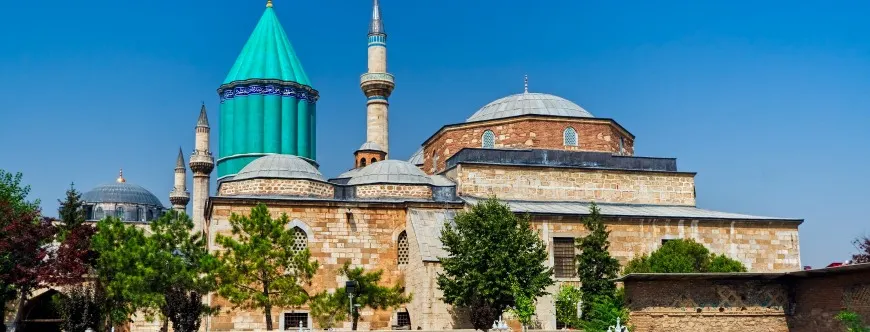
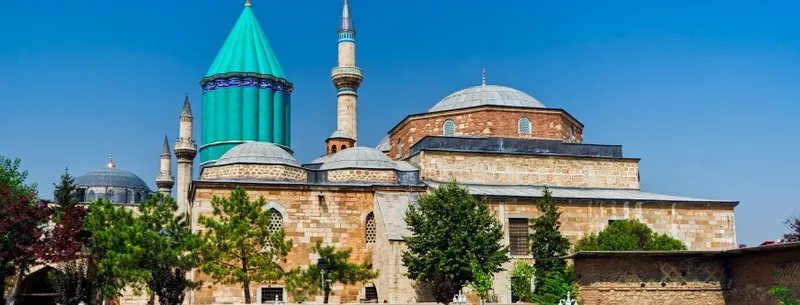
The Mevlana Museum is one of Konya's most important landmarks, dedicated to the life and teachings of the 13th-century Sufi mystic, Rumi. It houses his tomb and various artifacts related to the Mevlevi Order, known for the Whirling Dervishes. The museum is a place of pilgrimage for many and offers a profound cultural and spiritual experience.