
Details for Kyoto
:no_upscale()/LocalImage/PictureLibrary/Asia/Japan/Japan,%20Kyoto,%20Fushimi%20Inari%20Shrine,%20Geisha,%20PeopleWEB.jpg)



:no_upscale()/LocalImage/PictureLibrary/Asia/Japan/Japan,%20Kyoto,%20Fushimi%20Inari%20Shrine,%20Geisha,%20PeopleWEB.jpg)


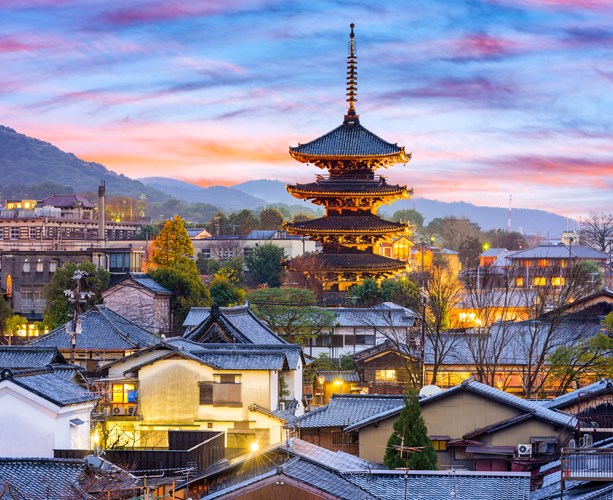
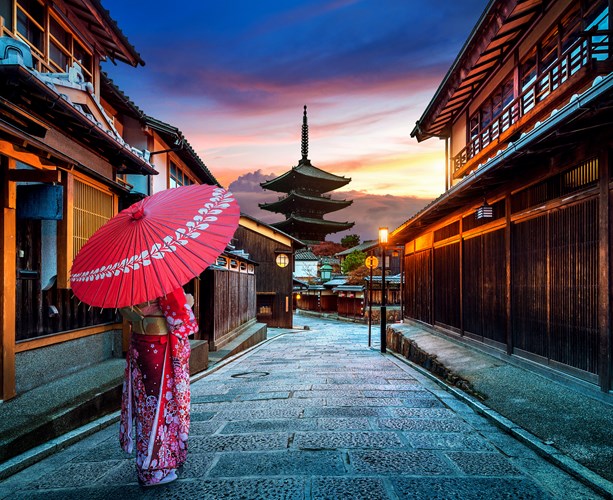
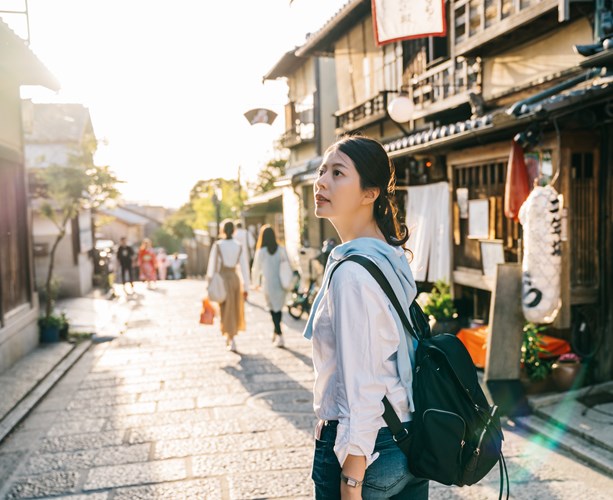
Nestled among the mountains of Western Honshu, Heian-kyō (which translates to 'capital of peace and tranquillity'), the former name of Kyōto, was the capital of Japan and the seat of the imperial court from 794 until the Meiji Restoration in 1868. The city, built on the model of the ancient Chinese capital, modern-day Xian, was the religious, commercial, and artistic hub during the Heian period, and preserved its significance as a seat of power even after 1868 when the capital was moved to Edo (now Tōkyō). Nowadays, Kyōto is the 8th largest city in Japan, with a population of close to 1.5 million. With over 1,200 Buddhist temples and 400 Shintō shrines, it is depicted as the heart of Japan where past and present coexist together in perfect harmony. Despite the major industrial revolution of the Meiji period, wandering around Kyōto is still like a blast from the past: the ancient temples, shrines, inns, and palaces are a delight for the eyes, and represent exactly what old Japan is in the global imaginary.
1.4 million (2024)
Japanese Yen (JPY, ¥)
Police: 110
Fire department & Ambulance: 119
Department stores and large shops operate 7 days a week, from 10am to 8pm. Independent shops are open from 9am to 5/6pm (this may vary by shop). Snacks, drinks and coffee to-go can be purchased at 24/7 convenience stores. Banks operate from 9am to 3pm, Monday to Friday. Most tourist attractions, such as temples and shrines, are open from 9am to 5pm.


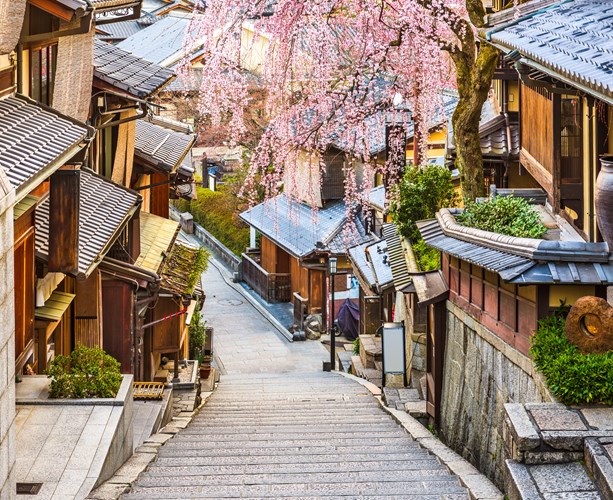
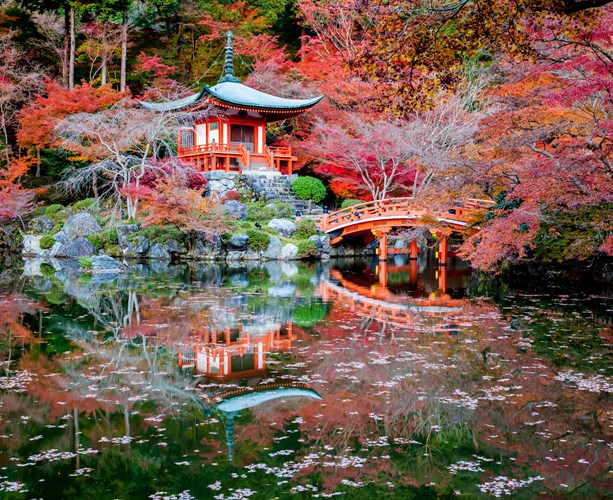
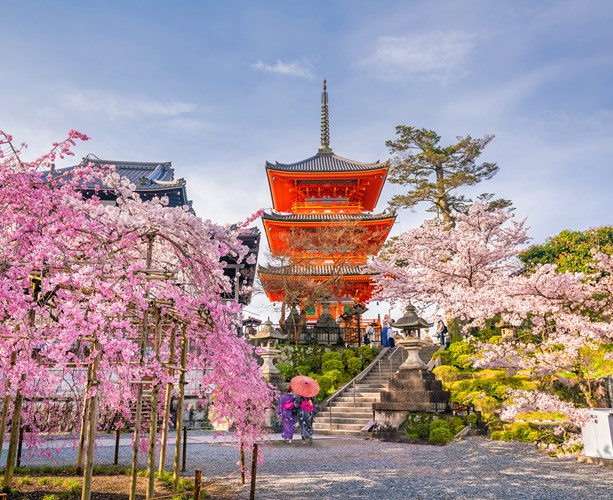
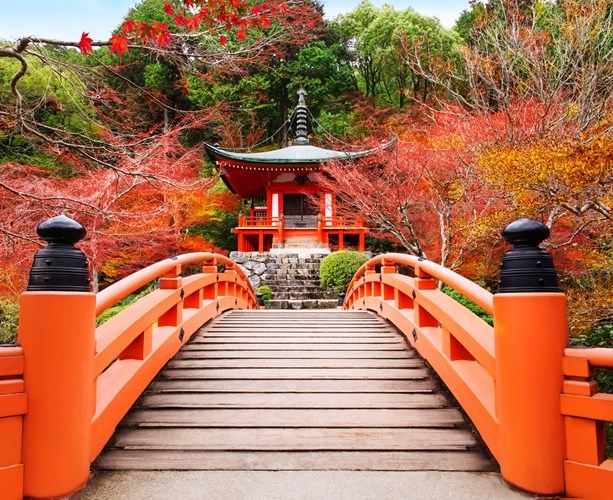
The best time to visit Kyoto is during the spring months of March to May when cherry blossoms are in full bloom, or in the fall from September to November when the foliage is vibrant.
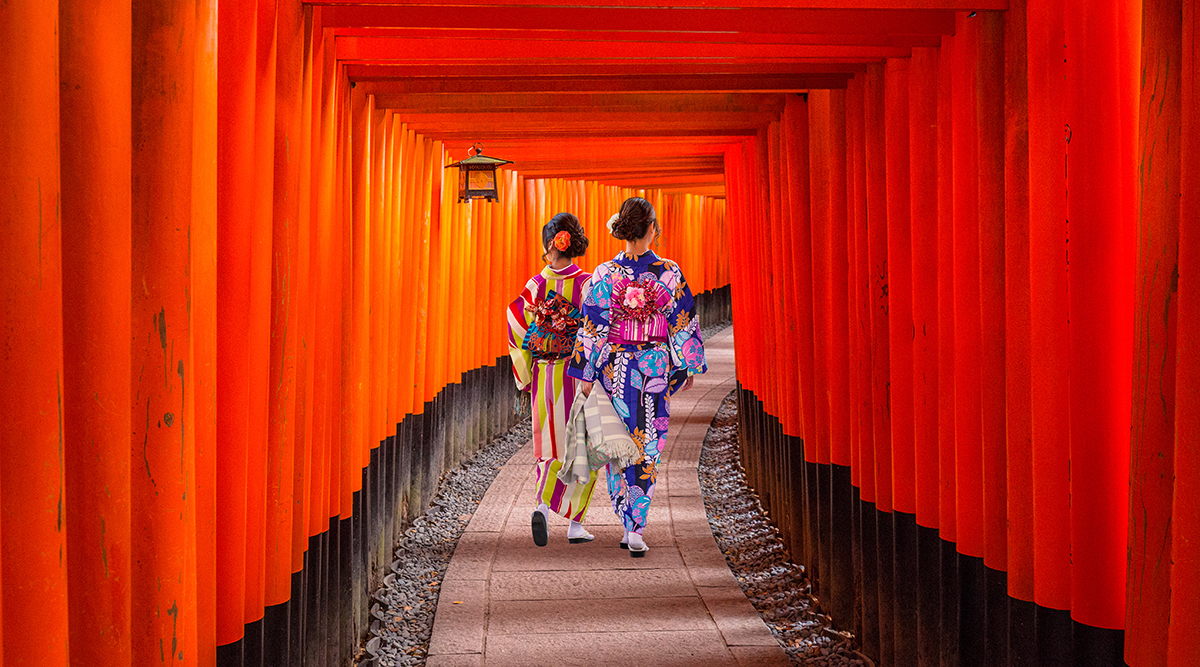
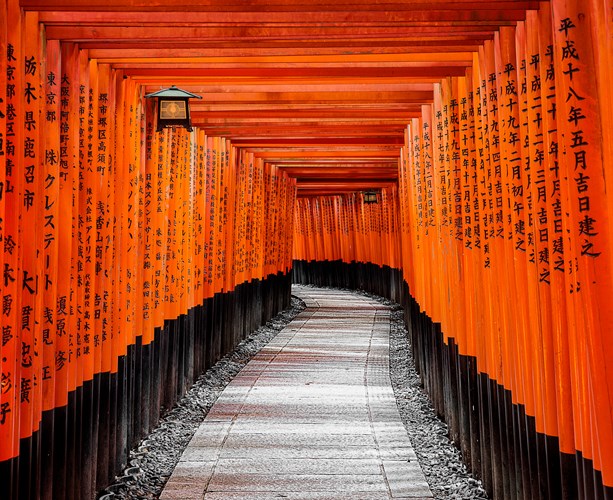
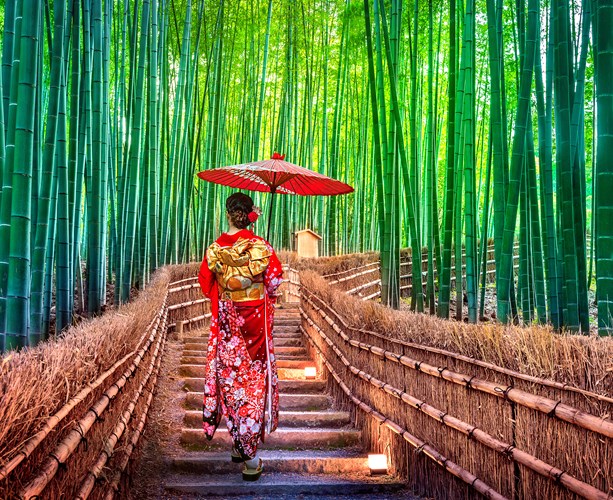
Must-see attractions in Kyoto include the Fushimi Inari Shrine with its famous torii gates, the historic Kinkaku-ji (Golden Pavilion), and the Arashiyama Bamboo Grove.
To fully experience Kyoto's main attractions and cultural sites, plan to spend at least three to four days exploring the city.
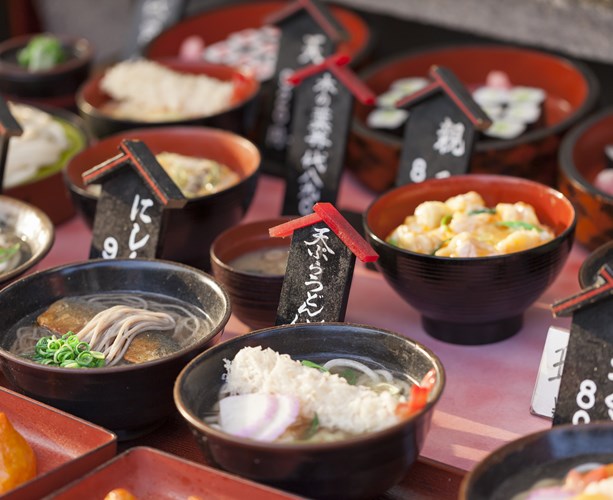
In Kyoto, try traditional dishes such as kaiseki, a multi-course meal, yudofu (tofu hot pot), and matcha-flavored sweets like mochi and ice cream.
Kyoto is best explored using its efficient public transportation system, including buses and trains, or by renting a bicycle for a more leisurely pace.
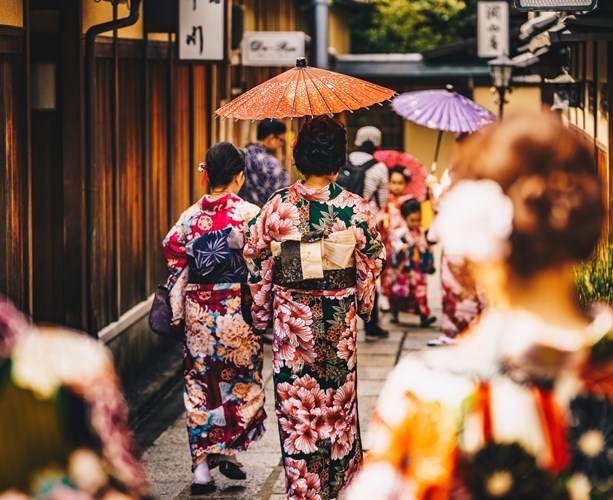
Popular areas to stay in Kyoto include Gion for its traditional atmosphere, Kawaramachi for shopping and dining, and Arashiyama for a more serene experience.
Yes, consider day trips to Nara to see the giant Buddha and deer park, or to Uji for its historic tea culture and Byodoin Temple.
:no_upscale()/LocalImage/PictureLibrary/Asia/Japan/Landmarks/Japan,%20Kyoto,%20Heian%20Shrine-01.jpg)
:no_upscale()/LocalImage/PictureLibrary/Asia/Japan/Smary%20Luxury/Fushimi%20and%20Sake%20Brewery%20Tour%20pg.%20191.jpg)
:no_upscale()/LocalImage/PictureLibrary/Asia/Japan/Smary%20Luxury/Osaka%20Street%20Gourmet%20pg.%20191.jpg)
:no_upscale()/LocalImage/PictureLibrary/Asia/Japan/kyoto%20kiyomizu%20dera%20temple%20shutterstock_403209976WEB.jpg)
:no_upscale()/LocalImage/PictureLibrary/Asia/Japan/Landmarks/Japan,%20Kyoto,%20Kinkakuji%20Temple-02.jpg)