
:no_upscale()/LocalImage/PictureLibrary/Asia/Japan/Japan,%20Kyoto,%20Fushimi%20Inari%20Shrine,%20Geisha,%20PeopleWEB.jpg)


:no_upscale()/LocalImage/PictureLibrary/Asia/Japan/Japan,%20Kyoto,%20Fushimi%20Inari%20Shrine,%20Geisha,%20PeopleWEB.jpg)


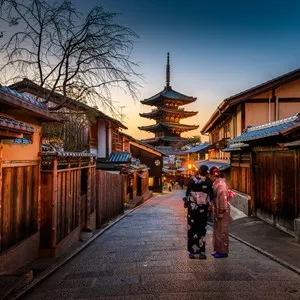
Nestled among the mountains of Western Honshu, Heian-kyō (which translates to 'capital of peace and tranquillity'), the former name of Kyōto, was the capital of Japan and the seat of the imperial court from 794 until the Meiji Restoration in 1868. The city, built on the model of the ancient Chinese capital, modern-day Xian, was the religious, commercial, and artistic hub during the Heian period, and preserved its significance as a seat of power even after 1868 when the capital was moved to Edo (now Tōkyō). Nowadays, Kyōto is the 8th largest city in Japan, with a population of close to 1.5 million. With over 1,200 Buddhist temples and 400 Shintō shrines, it is depicted as the heart of Japan where past and present coexist together in perfect harmony. Despite the major industrial revolution of the Meiji period, wandering around Kyōto is still like a blast from the past: the ancient temples, shrines, inns, and palaces are a delight for the eyes, and represent exactly what old Japan is in the global imaginary.
1.4 million (2024)
Japanese Yen (JPY, ¥)
Police: 110
Fire department & Ambulance: 119
Department stores and large shops operate 7 days a week, from 10am to 8pm. Independent shops are open from 9am to 5/6pm (this may vary by shop). Snacks, drinks and coffee to-go can be purchased at 24/7 convenience stores. Banks operate from 9am to 3pm, Monday to Friday. Most tourist attractions, such as temples and shrines, are open from 9am to 5pm.

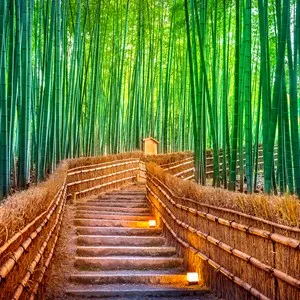
In the Arashiyama district, you will find the mesmerising and seemingly endless Arashiyama bamboo grove, showcased in the movie "Memoirs of a Geisha". The walkway starts from the Tenryu-ji Temple (a UNESCO World Heritage Site) and ends at the sublime Okochi-Sanso Villa, wrapped by tranquil emerald green gardens. The grove itself is a world unto its own, and strolling amidst the towering bamboo stalks is a must-experience in Kyoto.

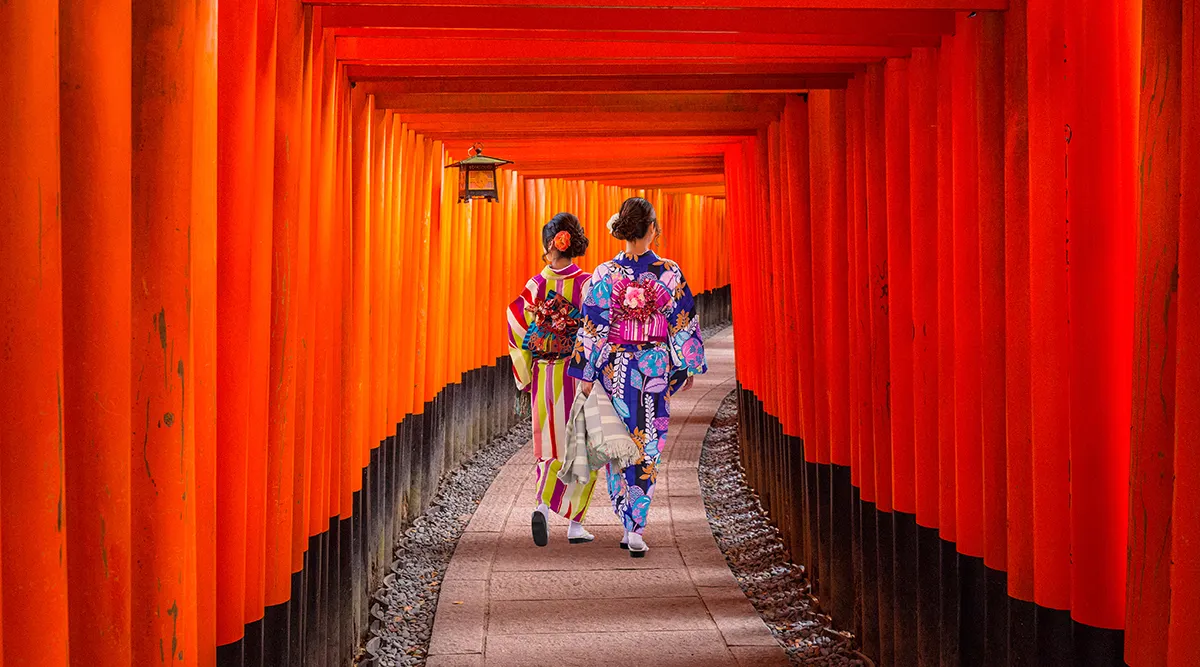
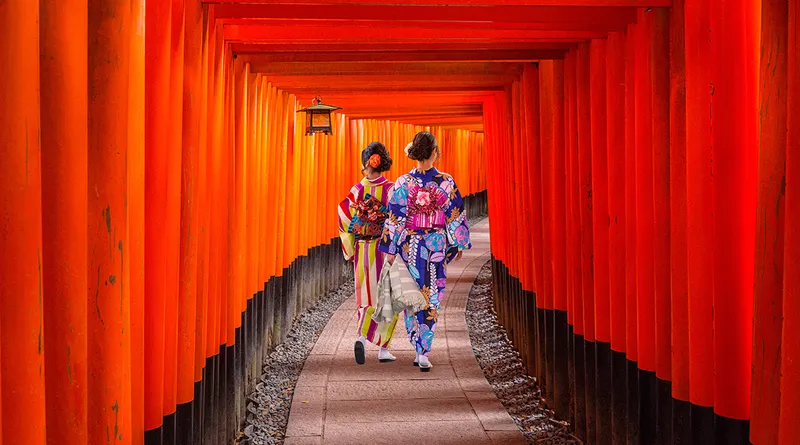
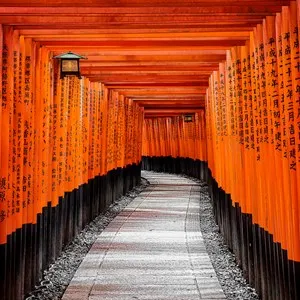
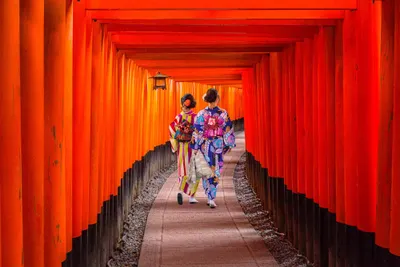
The complex of Fushimi Inari Shrine is one of the most remarkable sights in southern Kyōto. The impressive complex was dedicated to a Shinto god (Shinto gods are known as 'kami') by the Hata family in the 8th century, and encompasses five shrines. Curiously, the deity the entire complex is dedicated to – Inari Ōkami – is one of the principle Shinto kami, whose circle of influence includes foxes, rice, sake, agriculture and industry, and even general success and prosperity. The spotlight here goes to the 5,000 of vermilion gates (known as Senbon torii), that lead up to the summit of 233m Mt. Inari-san. The Romon Gate at the shrine’s entrance was donated in 1589 by the samurai warlord, Toyotomi Hideyoshi. Stone foxes also play an important role here, as they are considered to be messengers of Inari.

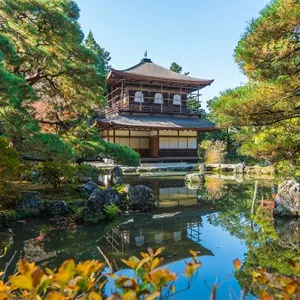
At the foot of Kyōto's eastern mountains, Ginkaku-ji (Temple of the Silver Pavillion) was completed in 1490 by Shogun Ashikaga Yoshimasa, and, much like its sibling Kinkaku-ji, it belongs to the Rinzai Zen sect. Despite still being known as the Silver Temple, the Shogun's goal of covering the building in leaf silver was never accomplished. Today, the wooden building is considered a prime example of the Japanese concept of 'wabi-sabi' (embracing imperfection).

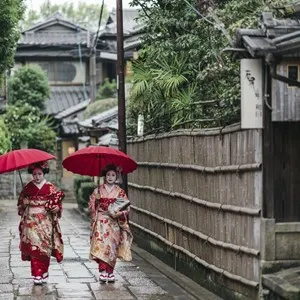
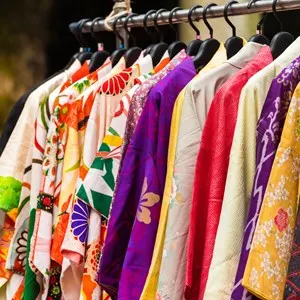
Developed in the Sengoku period as a village for the visitors of the nearby shrine (Yasaka Shrine), the historic district is famous for being the home of geisha (the Japanese entertainment). Narrow streets dotted with teahouses, local eateries, traditional wooden houses, and bars and nightclubs are crammed with tourists from all over the world, wishing to see a geisha in their colourful kimono. The best way to explore the picturesque district is from Hanami-kōji street towards Shijō-dōri.

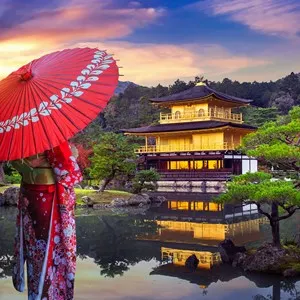
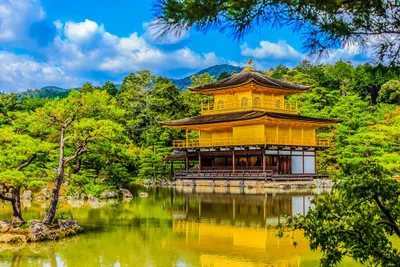
As Kyōto's most iconic landmark, Kinkaku-Ji (literally the "Temple of the Golden Pavillion"), is undoubtedly astonishing. Built in 1397, the complex was the retirement villa of the Shogun Ashikaga Yoshimitsu. Soon after his death in 1408, the structure was converted into a Zen temple of the Rinzai sect by his son. Engulfed in flames several times throughout the ages, the current complex was rebuilt true to the original in 1955 (except for the top two floors that were both covered in gold leaf). Thousands of sightseers pack the site to glance at the breathtaking Gold Temple, its reflection shimmering in the serene pond in a picturesque setting. It's best to go early in the morning or just before closing to avoid queuing in notoriously slow-moving lines.

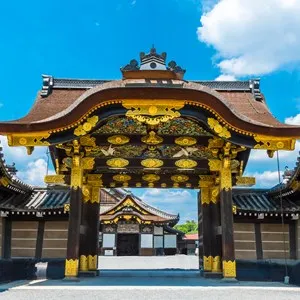
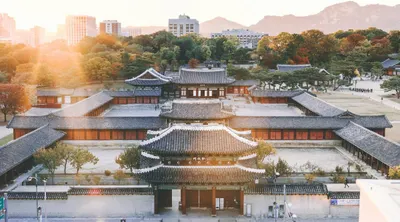
Another beautiful castle in Kyoto and one of the filming locations for the movie "Inception". The construction of this complex was initiated and completed at the beginning of the 17th century by Tokugawa Ieyasu to serve as his residence, when he would spent time in the city of Kyoto. Consequently, the castle is equipped with many defensive structures, despite the fact that the leader spent most of his time in Tokyo. Walk through the magnificent entrance to the complex and explore the estate and its history.

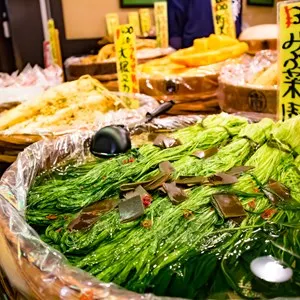
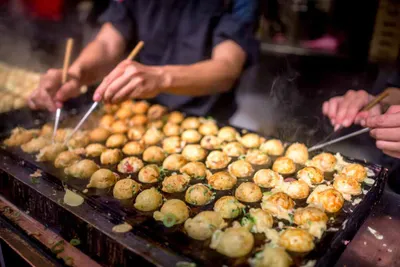
For any visit to Kyōto, a stop at Nishiki Market is a must. The over 400-year-old market with its 126 stalls is a foodie haven. All sorts of scents and flavours, from the sweet savouriness of tamagoyaki (the Japanese rolled omelette) to the fried treats, to the acidic tanginess of tsukemono (pickled goods), fill the thriving narrow shopping street. Besides the delicacies, the market is also famous for kitchen paraphernalia and tools, such as the acclaimed hand-crafted knives of Aritsugu. Fun fact: almost all edibles sold here are served on sticks.

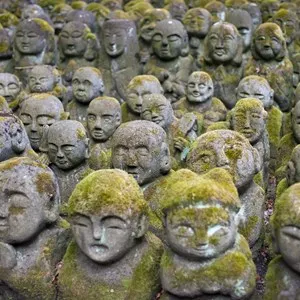
The original little temple atop a hill was destroyed by a typhoon back in the 1950s, and then later rebuilt at its current location. Walking up the path to the structure, you will pass 1200 stone statues representing the disciples of Buddha, which have been carved by a priest and townspeople who learned the craft from him. This off-the-beaten-trail temple is an amazing site for those looking to go beyond tourist staples.

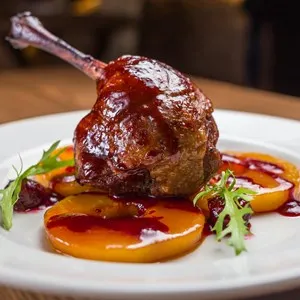
The French-style Brasserie offers authentic French cuisine in downtown Kyoto. They're known for their signature sausage but their offer goes much further than this: duck confit and steak frites, and a range of appetizers displayed on the counter to name but a few things that draw in flocks of people in search of a taste of the elegant French cuisine.

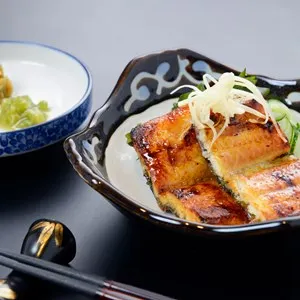
The busy Shijo Street in the district of Gion is home of the modest Chihana eatery, a three-Michelin-star restaurant specialised in kaiseki (the Japanese haute cuisine). The décor and interior are simple: an unfinished wooden counter for eight guests and two private rooms. But the food served in fine bowls and plates, including real antiques, is just an explosion of flavours in your mouth. Japanese behemoths like Yukio Mishima, Yasunari Kawabata and Shusaku Endo have been faithful patrons here. Note that the shop moved to its current location following a fire in 2018.

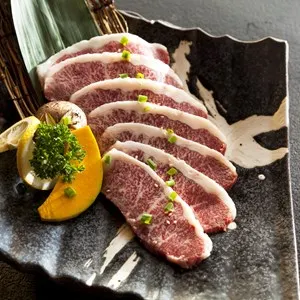
Set near Kyōto's Imperial Palace, Hafuu treats guests to top-notch beef in a modern atmosphere. Originally born as a butcher, the restaurant knows how to treat the succulent and tender Wagyū beef. The menu lists steaks, beef cutlet, or sandwiches, and – as with every proper Japanese meal – everything is accompanied by miso soup, salad, and steamed rice.

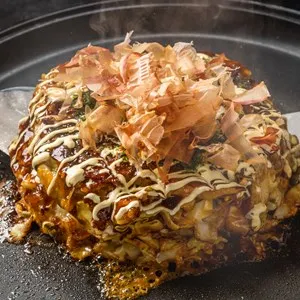
In this hole-in-the-wall eatery with only two tables and 5 counter seats, you'll get the chance to experience the real okonomiyaki (a fried batter of eggs and cabbage stuffed with your pick favourite ingredient). The friendly chefs will cook this Japanese "pizza" fresh before your very eyes.

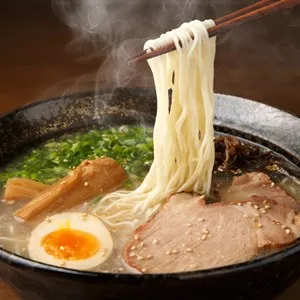
The menu of Ramen Sen-no-Kaze Kyoto stands out for its simplicity and a clear focus on Japanese-style ramen (wheat-flour Japanese noodles in broth). Before stepping inside, you will need to get a ticket. Only after that will you be able to order your customised tonkotsu (pork-based stock) or chintan (seafood-based stock) ramen. Paired with savoury gyoza or plain rice, the eatery pulls off the winning formula. Note that the queue might seem endless, but tickets are limited. It's best to go early to not miss out.

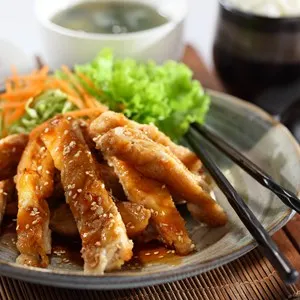
Sugarhill Kyoto is always a hot-spot of Kyoto's trendy restaurant scene. The small eatery, just 8 minutes from Kyoto station, boasts healthy food full of flavour. The chef recommends chicken teriyaki and tofu and Kyoto vegetable salad. Gluten-free options are also available.

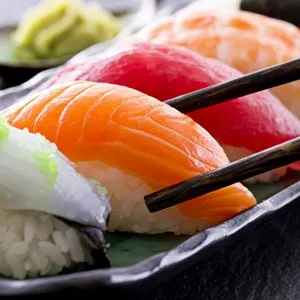
Talented chefs prepare sushi with the freshest and finest seafood just a few metres away from guests. Those handmade drops of sushi rice will melt in your mouth. The friendly staff adds an extra pleasant note to the already relaxing atmosphere.

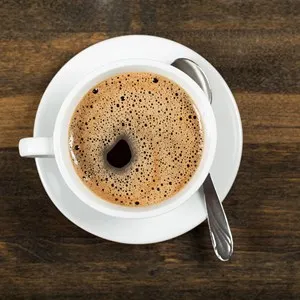
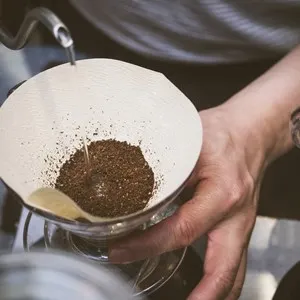
On the banks of Kamo River, the beloved % Arabica has earned a great reputation for its artisanal coffee, acclaimed as one of the best coffees in Kyōto. In addition to that, the combination of whitewashed walls with wooden elements is so visually appealing it attracts hoards or local and international customers every day. Today, to fulfil the needs of its daily-increasing clientele, the coffee shop has set up two more locations to be found at: - % ARABICA Kyoto Arashiyama - % ARABICA Kyoto Fujii Daimaru (Fujii Daimaru department store)

Housed in a century-old building, Blue Bottle Coffee—headquartered in California—opened its doors to the Japanese clientele in 2018 and has already become a local institution. With its modern and minimalist style, the cafeteria harmoniously blends both Japanese and American cultural traditions. Just a few strides from the 13th century Nanzen-ji Temple, it's the perfect setting to treat yourself to a good cup of black coffee along with scrumptious cakes.

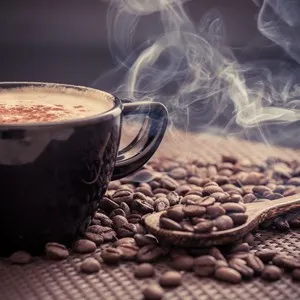
Kamogawa Cafe is more than a simple coffeehouse to Kyōto's people—it has served as a true cultural hub. The cafeteria is acclaimed for its in-house roasted single-origin coffee beans. Aside from the quality brewed coffee, the menu features a selection of affordable desserts, lunch, and dinner meals. The warm wooden interior and stained-glass windows, together with jazz music playing in the background, add a romantic undertone to the environment.

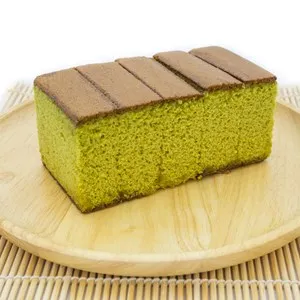
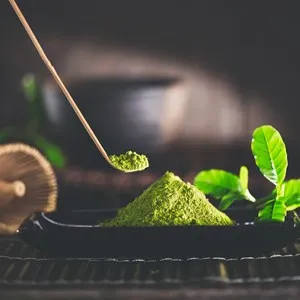
Matcha lovers will find their seventh heaven at Tsujiri Kyōto Isetan. Inside Kyōto Station, the long-standing store—hailing from Uji—serves parfaits, ice-creams, sweets and drinks, all rigorously prepared using the finest Uji matcha green tea. Try the exquisite combination of matcha milk (¥630) with the 'dango to warabimochi' (¥401). The shop is also a great spot for omiyage (souvenirs).

In the undergrounds of the Marutamachi Station, Metro sparkles by night with bands playing live for the joy of music aficionados. Since 1990, the venue has hosted both local and international bands, contributing to their fame. The nightclub also hosts alternative events, like “Non-hetero at the Metro” and “Diamond Night Cabaret Night.”

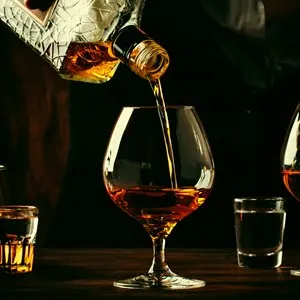
The long-lasting establishment with its Victorian wallpaper, dark wooden furniture, and dim lighting has been home to locals for over two decades, having opened in 1970. Jazz records spinning on vintage turntables, mouth-coating whiskey, and a lovely old couple behind the bar make for a wonderful night in Kyoto.

In the lively and vibrant district of Ponto Cho, Kitsune, spread across two levels, is the jewel in the crown of Kyōto's nightlife. The club boasts two large dance floors, a VIP lounge, best DJs in town, and what's said to be a top-notch sound system.

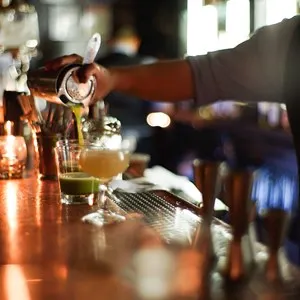
Established in 2015, L'Escamoteur is a warm cocktail bar in the heart of Kyōto, reminiscent of la belle époque. As a long-time magician, the bar's owner Marseillaise Christophe Rossi entertains guests with his mind-blowing magic tricks. Along with classic cocktails, it also serves clean-tasting liqueurs and fine wines.

Tucked away on the Shinbashi street close to Tatsumi Daimyojin shrine, The Common One Bar is a bijou bar that prides itself on offering a wide selection of cocktails and Japanese whiskies in a refined and elegant atmosphere.

In downtown Kyōto, Ippodo Tea is an old-style tea shop that has been providing the finest matcha in Kyōto since 1717. There is also an adjoining teahouse where guests can directly brew their tea. The English-speaking staff will help you choose your favourite matcha flavour.

Between Teramachi Kurabu and Nijo-dōri, on the east side of Teramachi, is Kyōto Antiques Centre, a mini department mall comprising 17 stores, set up in 1996. Ceramics, calligraphic paintings, vintage kimonos, lacquerware and many more oddities and treasures are displayed under one roof.

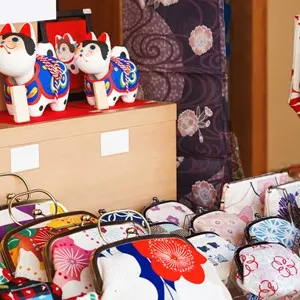
Kyoto Handicraft Centre, occupying four floors, is a great spot to pick up a gift or souvenir for the folks back home. Colourful yukata (the summer kimono), pottery, jewellery, clay dolls, umbrellas, spinning tops, tea... it lives up to all expectations.

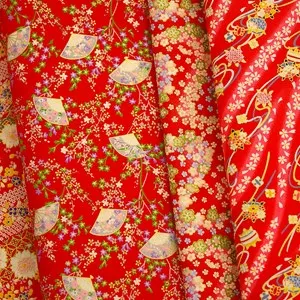
Morita Washi is known in the whole neighbourhood for its signature 'washi' (Japanese handmade paper made using fibres from the inner bark of the gampi tree, the mitsumata shrub, or the paper mulberry bush). It provides a large variety of washi, from rough country style paper to intricately patterned paper perfect for framing.

For any visit to Kyōto, a stop at Nishiki Market is a must. The over 400-year-old market with its 126 stalls is a foodie haven. All sorts of scents and flavours, from the sweet savouriness of tamagoyaki (the Japanese rolled omelette) to the fried treats, to the acidic tanginess of tsukemono (pickled goods), fill the thriving narrow shopping street. Besides the delicacies, the market is also famous for kitchen paraphernalia and tools, such as the acclaimed hand-crafted knives of Aritsugu. Fun fact: almost all edibles sold here are served on sticks.

Though you can visit the picturesque city of Kyōto any time of the year thanks to its mild weather, the best months to enjoy it to the fullest are October to November and March, April, and May. In spring, the cherry blossoms (sakura), make the city the perfect setting for a romantic getaway, while in autumn, the 'maple hunting' (momijigari) makes it a true delight to explore. If you're travelling during Golden Week (end of April/beginning of May) be aware that the city is jam-packed with tourists and hotel rates are doubled. Summer is the rainy season in Japan; the moisture in the air makes it a soggy, sweaty visit.

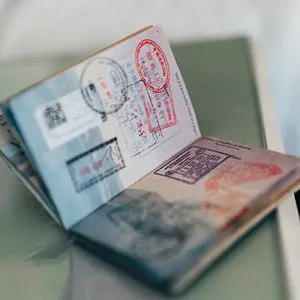
Nationals from countries such as the United States, Canada, Australia, Brazil, and many European countries can enter Japan visa-free for short-term stays (usually up to 90 days) for tourism, business, or visiting friends and relatives. However, visitors from countries not on the visa-exempt list must apply for a visa at a Japanese embassy or consulate before travelling. Always check the latest entry requirements as they can change.

For travellers heading to Kyoto, Kansai International Airport (KIX) is generally considered the best option. It offers the most direct and convenient transportation links to Kyoto, including the JR Haruka Express train, which takes about 75 minutes to reach Kyoto Station. Kansai Airport also handles a wide range of international and domestic flights, making it a more accessible entry point for most travellers. In addition, Osaka International Airport (Itami) is closer to Kyoto and can be a good option, especially for domestic flights. However, it has fewer international connections and requires a combination of bus, monorail, and train travel to reach Kyoto, taking roughly an hour.

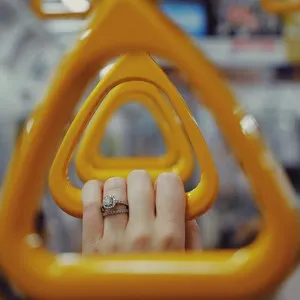
Kyoto boasts a well-integrated public transport system, comprising trains, buses, and subways. The train network includes the national JR Line and several private lines such as Keihan, Hankyu, and Kintetsu, making it the fastest option for reaching areas outside the city, like Arashiyama, Uji, and Fushimi Inari-taisha. However, within central Kyoto, buses and subways are more practical for visiting major attractions like Kinkaku-ji, Gion, and Kyoto Station. The city’s extensive bus network and two subway lines, Karasuma and Tozai, offer comprehensive coverage of tourist destinations. To simplify travel, Kyoto provides various tickets and passes, including the Kyoto City Bus All-day Pass and the Kyoto Subway & Bus Pass, which are more convenient and cost-effective than purchasing individual tickets. The ICOCA card is a prepaid smart card usable across trains, buses, and subways in Kyoto and beyond, available for purchase and recharge at station vending machines. The JR Tokaido Shinkansen Line connects Kyoto with major cities like Tokyo and Osaka, with Nozomi trains reaching Tokyo in around 140 minutes and Osaka in about 15 minutes, though the Japan Rail Pass is only valid on Hikari and Kodama services, not on Nozomi trains. Cycling remains a popular way to explore Kyoto, with many rental shops located near key landmarks. The city’s flat terrain and dedicated cycling paths make it an ideal location for biking.

In Kyoto, finding a taxi is relatively easy, particularly around major tourist spots, hotels, and train stations. While ride-sharing apps like Uber do operate in the city, they are less popular compared to taxis, and their availability can be somewhat limited. Also, most taxi drivers in Kyoto have only basic English skills, so it’s advisable to have your destination written down in Japanese or show them a map to avoid misunderstandings.

Japan operates on a 100V supply voltage and 50/60Hz. The country uses Type-A plugs, which have two flat-sided prongs.

In Kyoto, some of the main pharmacy chains include Matsumoto Kiyoshi, Tsuruha Drug, and Sugi Pharmacy. These chains have multiple locations around Kyoto, so you should be able to find one near you depending on where you're staying or visiting.

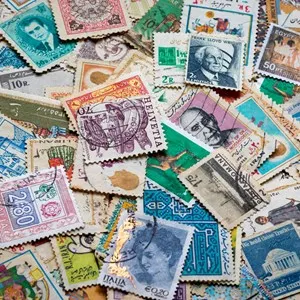
Japan Post Co. operates the postal service in Kyoto, and it is renowned for its efficiency and organisation. They provide comprehensive domestic and international mailing services, easily recognisable by the orange 'JP' logo. Stamps can be purchased at post offices or any convenience store, and letters with the correct postage can be dropped into the distinctive orange post boxes found throughout the city. Regarding operating hours, most post offices in Kyoto are open from 9am to 7pm on weekdays, with slightly shorter hours on weekends and national holidays, typically closing at 6pm.
:no_upscale()/LocalImage/PictureLibrary/Asia/Japan/Landmarks/Japan,%20Kyoto,%20Heian%20Shrine-01.jpg)
:no_upscale()/LocalImage/PictureLibrary/Asia/Japan/Smary%20Luxury/Fushimi%20and%20Sake%20Brewery%20Tour%20pg.%20191.jpg)
:no_upscale()/LocalImage/PictureLibrary/Asia/Japan/Smary%20Luxury/Osaka%20Street%20Gourmet%20pg.%20191.jpg)
:no_upscale()/LocalImage/PictureLibrary/Asia/Japan/kyoto%20kiyomizu%20dera%20temple%20shutterstock_403209976WEB.jpg)
:no_upscale()/LocalImage/PictureLibrary/Asia/Japan/Landmarks/Japan,%20Kyoto,%20Kinkakuji%20Temple-02.jpg)
:no_upscale()/LocalImage/PictureLibrary/Asia/Japan/Landmarks/Japan,%20Kyoto,%20Heian%20Shrine-01.jpg)
:no_upscale()/LocalImage/PictureLibrary/Asia/Japan/Smary%20Luxury/Fushimi%20and%20Sake%20Brewery%20Tour%20pg.%20191.jpg)
:no_upscale()/LocalImage/PictureLibrary/Asia/Japan/Smary%20Luxury/Osaka%20Street%20Gourmet%20pg.%20191.jpg)
:no_upscale()/LocalImage/PictureLibrary/Asia/Japan/kyoto%20kiyomizu%20dera%20temple%20shutterstock_403209976WEB.jpg)
:no_upscale()/LocalImage/PictureLibrary/Asia/Japan/Landmarks/Japan,%20Kyoto,%20Kinkakuji%20Temple-02.jpg)
:no_upscale()/LocalImage/PictureLibrary/Asia/Japan/Landmarks/Japan,%20Kyoto,%20Heian%20Shrine-01.jpg)
:no_upscale()/LocalImage/PictureLibrary/Asia/Japan/Smary%20Luxury/Fushimi%20and%20Sake%20Brewery%20Tour%20pg.%20191.jpg)
:no_upscale()/LocalImage/PictureLibrary/Asia/Japan/Smary%20Luxury/Osaka%20Street%20Gourmet%20pg.%20191.jpg)
:no_upscale()/LocalImage/PictureLibrary/Asia/Japan/kyoto%20kiyomizu%20dera%20temple%20shutterstock_403209976WEB.jpg)
:no_upscale()/LocalImage/PictureLibrary/Asia/Japan/Landmarks/Japan,%20Kyoto,%20Kinkakuji%20Temple-02.jpg)

Let us take care of all the details to create the perfect trip for you. With our expertise and personalized service, we will ensure that every moment of your trip is special and unforgettable. Get ready to embark on a dream adventure!