
Details for Lisbon
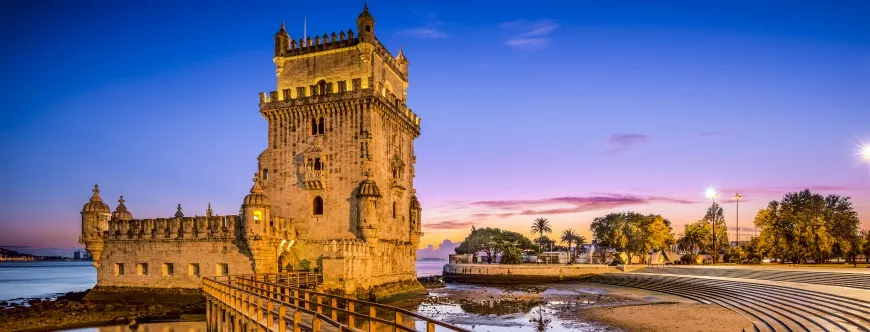

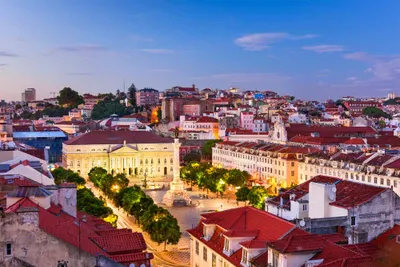
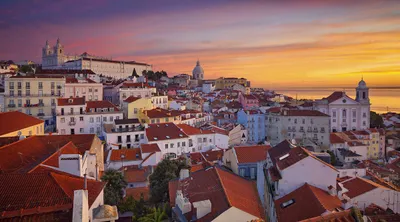
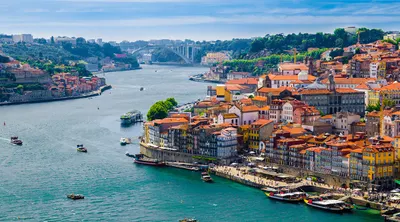
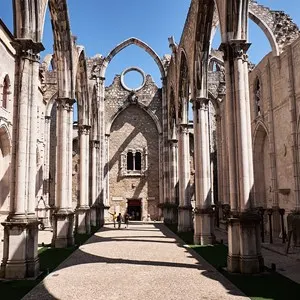
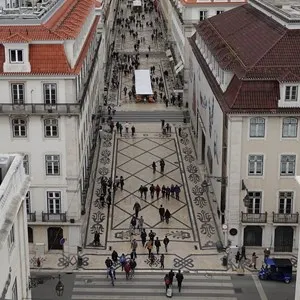
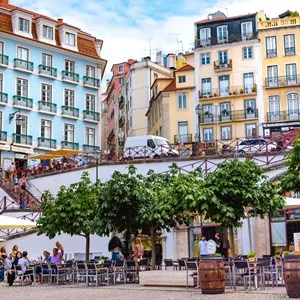
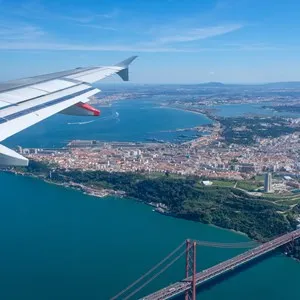
Lisbon’s heart lies beside the river, even if the city has grown in all directions. Sit down at a pavement cafe on Rossio Square and you will see the Baiza, the flat city centre that dates from the 18th century, between yourself and the river bank. Look up in one direction and you will see the São Jorge castle on the top of a hill. Look in the other direction and you will see the ruin of the Carmo Church on another hill. Walk, or take a tram to one of them and you will discover the quarters of old Lisbon, most of them with a magnificent view of the rest of the city and the river. Wander north from Rossio, you will soon end up on a stately 19th century avenue, in the part of the city which is still called "Avenidas Novas". Further north, the buildings become really new, with the city’s two large football grounds, Luz and Alvalade, and, lastly, the airport which is twenty traffic-jam-free minutes in a car from Rossio. Most of the best sights, restaurants and nightlife are situated along the river. Shopping is good along the Avenidas Novas, but otherwise the rule is to keep close to the river to get the best out of your visit.
Capital city: 544,851 Metro area: 3 million
Euro (EUR, €)
Emergency: 112
Shops are generally open between 9 am and 7 or 8 pm on weekdays. Many smaller businesses will close for lunch between 1 pm and 3 pm. Bigger shops will stay open throughout the day and will also open until early afternoon on Saturdays.



























The best time to visit Lisbon is during the spring (March to May) or fall (September to October) when the weather is mild and the city is less crowded. Summers can be hot and busy, while winters are cooler and rainier, though still relatively mild compared to other European cities.
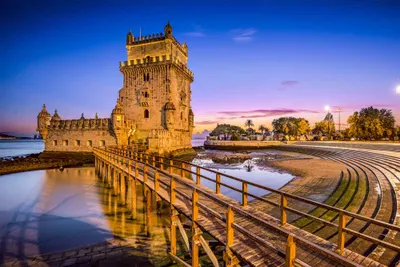
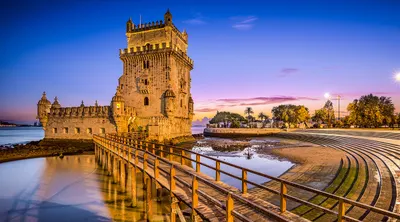
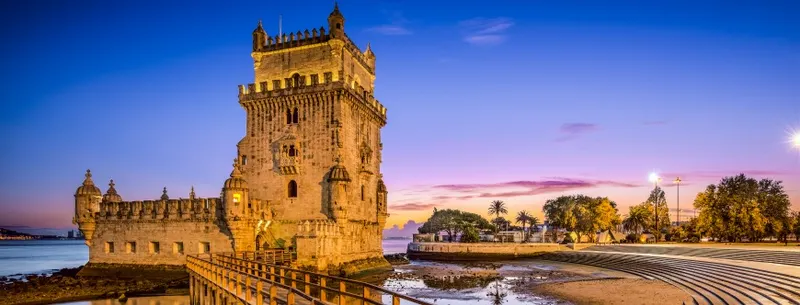
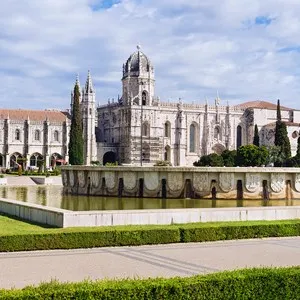
A stay of 3 to 4 days in Lisbon is ideal to explore its main attractions, neighborhoods, and nearby day trips. This allows time to visit landmarks like Belém Tower, Jerónimos Monastery, and the vibrant districts of Alfama and Bairro Alto, as well as a day trip to Sintra.
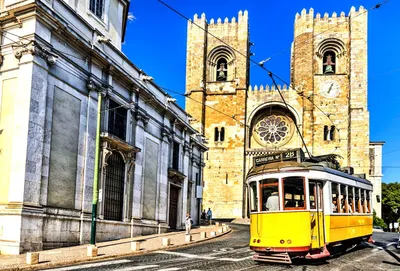
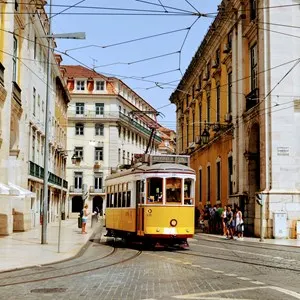
Must-see attractions in Lisbon include the historic Belém Tower, the stunning Jerónimos Monastery, and the vibrant Alfama district. Don't miss a ride on Tram 28, a visit to the São Jorge Castle for panoramic views, and exploring the lively Bairro Alto for its nightlife.
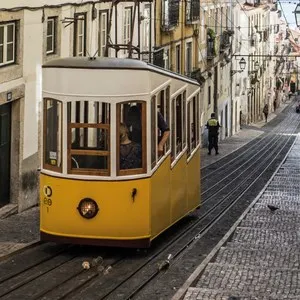
Lisbon's public transportation is efficient, with options including buses, trams, and the metro. The iconic Tram 28 is a popular way to see the city. Walking is also a great way to explore Lisbon's neighborhoods, though be prepared for some hills. Taxis and ride-sharing services are widely available.
In Lisbon, try traditional dishes like bacalhau à brás (salted cod with potatoes and eggs), pastéis de nata (custard tarts), and caldo verde (kale soup). Seafood is a highlight, with dishes like grilled sardines and arroz de marisco (seafood rice) being local favorites.
In Lisbon, it's customary to greet people with a handshake, and locals appreciate politeness. When dining, it's common to leave a small tip, though it's not obligatory. Dress is generally casual, but dressing smartly is appreciated when dining in nicer restaurants.
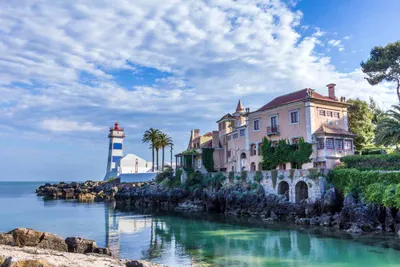
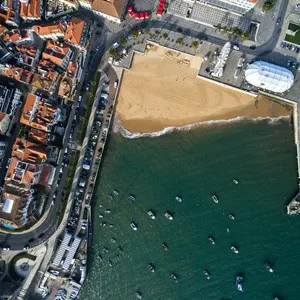
Popular day trips from Lisbon include visiting Sintra, known for its romantic 19th-century architecture and the stunning Pena Palace. Cascais, a charming coastal town with beautiful beaches, and the historic town of Óbidos, with its medieval walls and cobblestone streets, are also great options.