
Liverpool Travel & Vacation Guide
Current Weather

Description
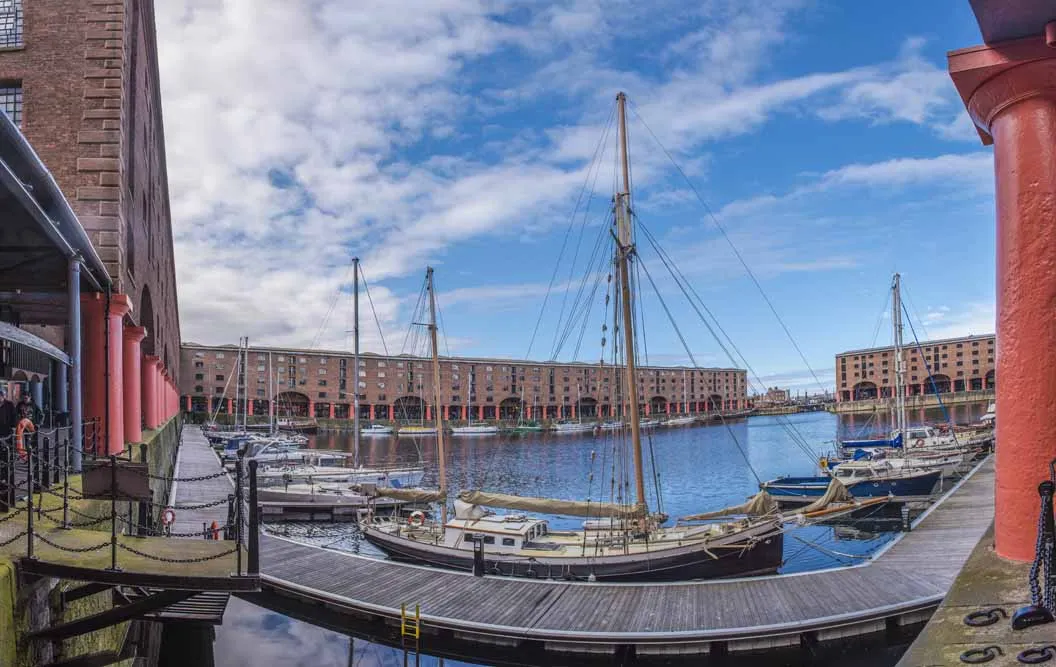
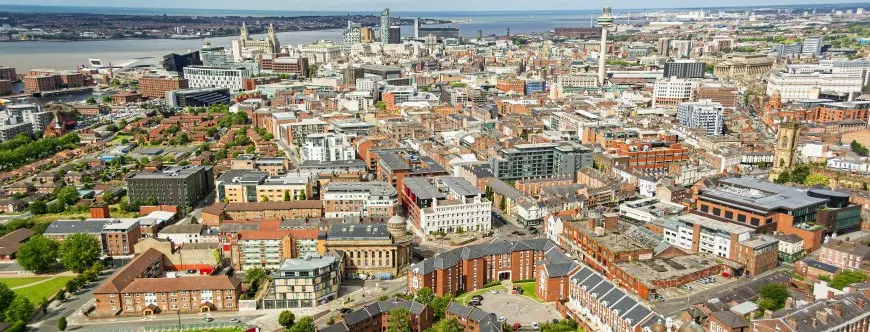
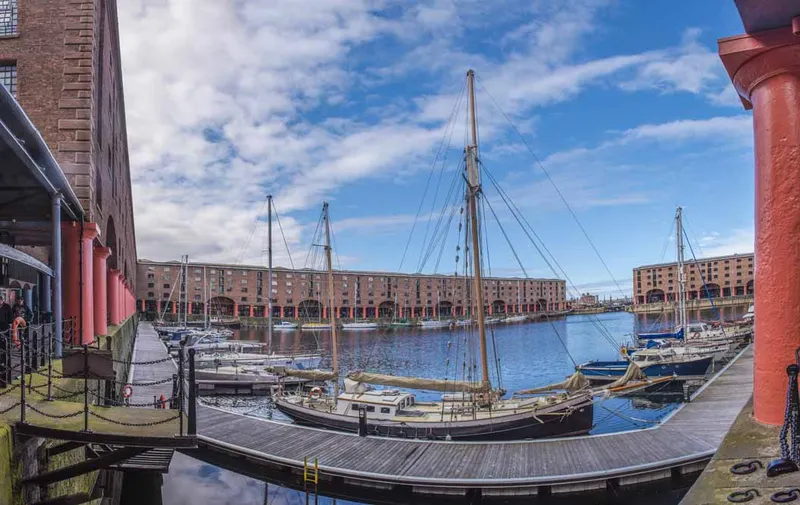
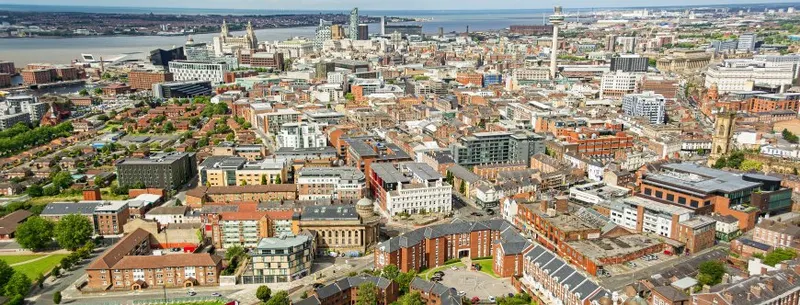
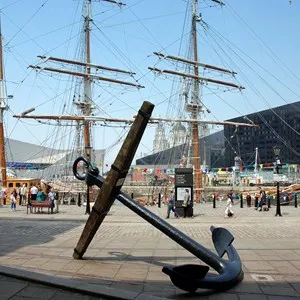
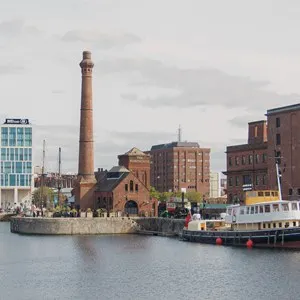
Originally a small fishing village, Liverpool began to flourish in the late 17th century as it developed into a prominent trading port — the city’s strategic location on the River Mersey made it a hub for trade with the Americas and West Indies. As the 18th century unfolded, Liverpool emerged as one of the world's foremost ports. The 19th century marked a turning point for the city, as it became a central player in the Industrial Revolution. Liverpool's factories, shipping enterprises, and commercial activities thrived, attracting a surge of people seeking employment in its docks and manufacturing sector. The city's population skyrocketed, reflecting its newfound importance on the global stage. Trade continued to grow, solidifying Liverpool's maritime significance. An important milestone in its development was the construction of the iconic Albert Dock in the mid-19th century. This monumental structure not only expanded Liverpool's capacity for trade but also cemented its reputation as a powerhouse in global commerce. In more recent times, Liverpool has undergone a remarkable transformation. In 2008, it earned the prestigious award of European Capital of Culture, leading to significant investment and revitalisation projects. The city has embraced its cultural heritage, celebrating its musical legacy, including The Beatles, and showcasing its world-class museums, art galleries, and theatres. Today, Liverpool is a vibrant and dynamic city, known for its diverse communities, thriving music and arts scene, and passionate football culture. Its waterfront, designated as a UNESCO World Heritage site, continues to be a hub of activity, attracting visitors from around the globe.
Useful information
500,500 (2022)
British pound, £1 = 100 pence
Emergency: 999 (Police, Fire and Ambulance)
Non-emergency: 101
Shops are open 9:30am–8pm in most places and may have reduced opening hours on Sundays.
Do & See

Dining


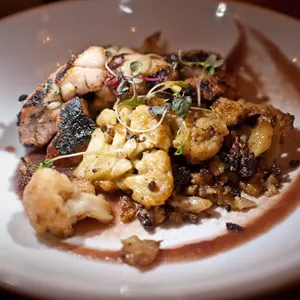
Cafés


Bars & Nightlife





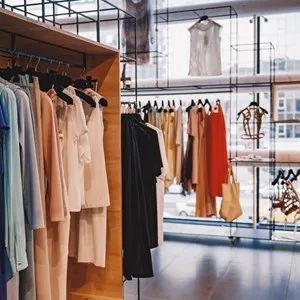
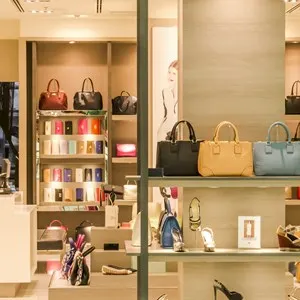
Shopping





Tourist Information

Frequently Asked Questions
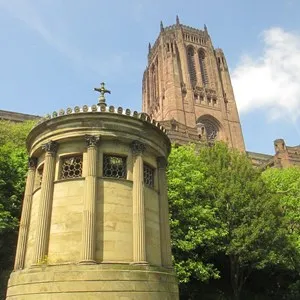
Liverpool is famous for its rich cultural heritage and vibrant music scene. Key attractions include The Beatles Story museum, the historic Albert Dock, and the stunning Liverpool Cathedral. Don't miss the Walker Art Gallery for art enthusiasts or Anfield Stadium for football fans.
To truly experience Liverpool's music scene, visit The Cavern Club, where The Beatles famously played, and explore the city's numerous live music venues. Consider taking a Beatles-themed tour to see significant sites like Penny Lane and Strawberry Field.
Liverpool has an efficient public transport system, including buses and trains. The Merseyrail network is convenient for reaching nearby areas. For a more scenic option, consider walking or cycling along the city's waterfront and through its parks.
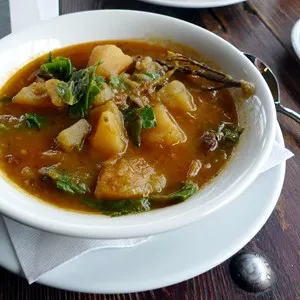
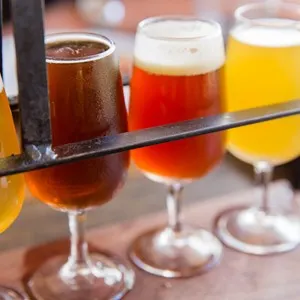
While in Liverpool, try traditional dishes like Scouse, a hearty stew made with meat and vegetables. Also, sample local delicacies such as Liverpool Tart, a sweet pastry filled with lemon and sugar, and enjoy a pint of locally brewed ale.
The best time to visit Liverpool is during late spring to early autumn (May to September) when the weather is mild and many outdoor events and festivals take place, such as the Liverpool International Music Festival and the Liverpool Biennial.
Yes, Liverpool is a great base for exploring the surrounding areas. Consider day trips to the picturesque Lake District, the historic city of Chester, or the beautiful beaches of the Wirral Peninsula. Each offers a unique experience within easy reach.
Liverpool hosts a variety of cultural events throughout the year. Highlights include the Liverpool International Music Festival, the Liverpool Biennial art festival, and the annual River of Light festival, which features stunning light installations along the waterfront.