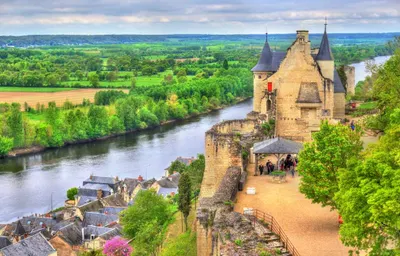

Loire Valley Travel & Vacation Guide



Current Weather

Description
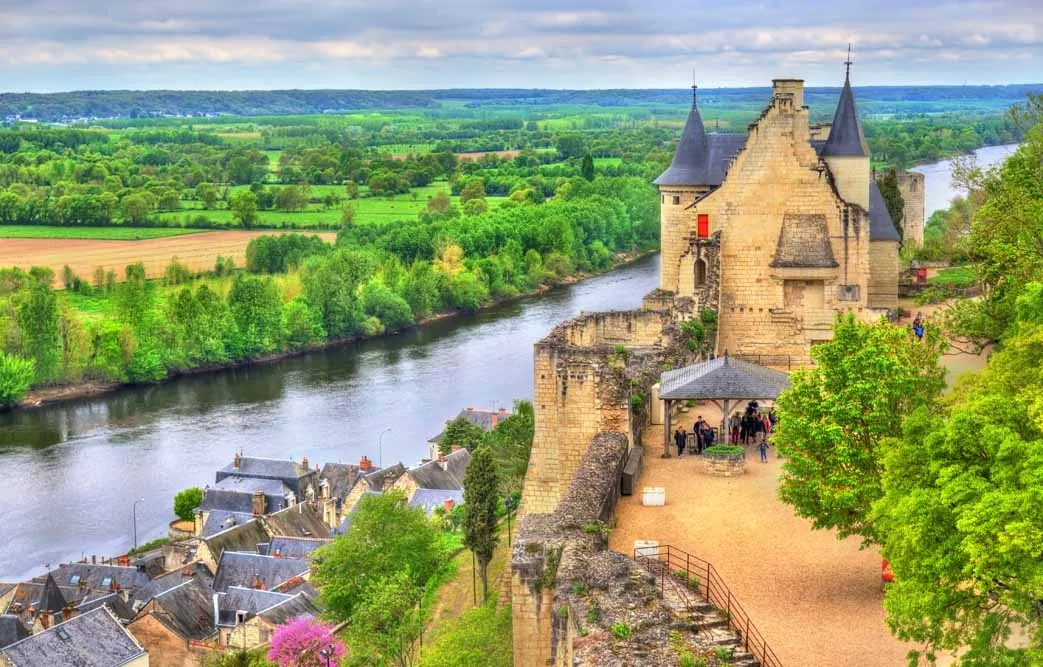
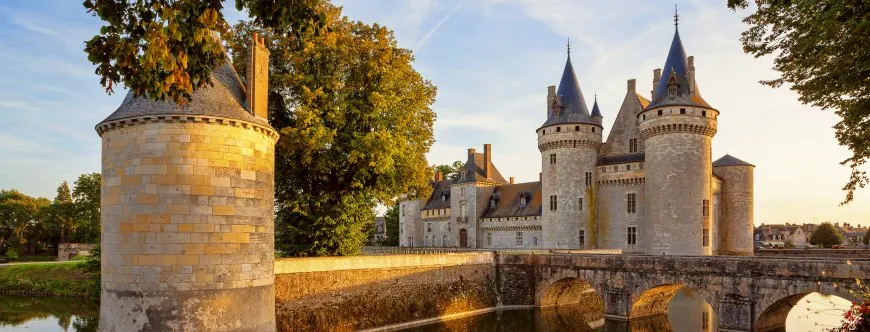
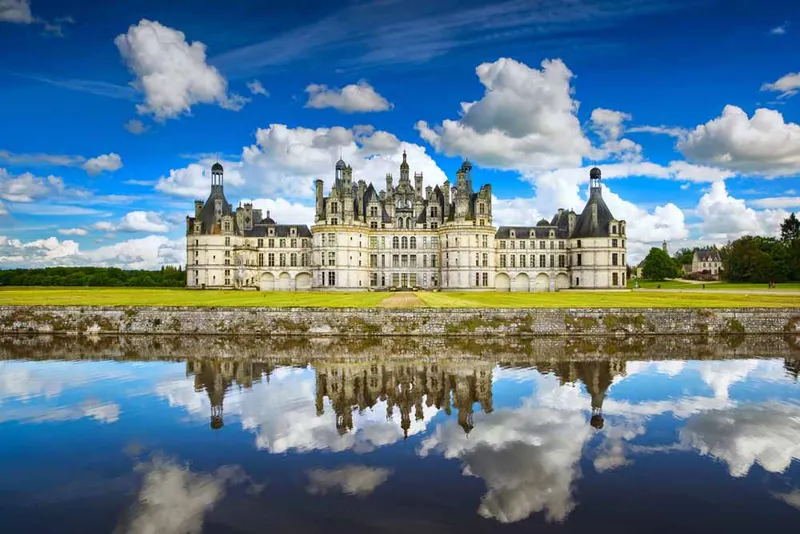
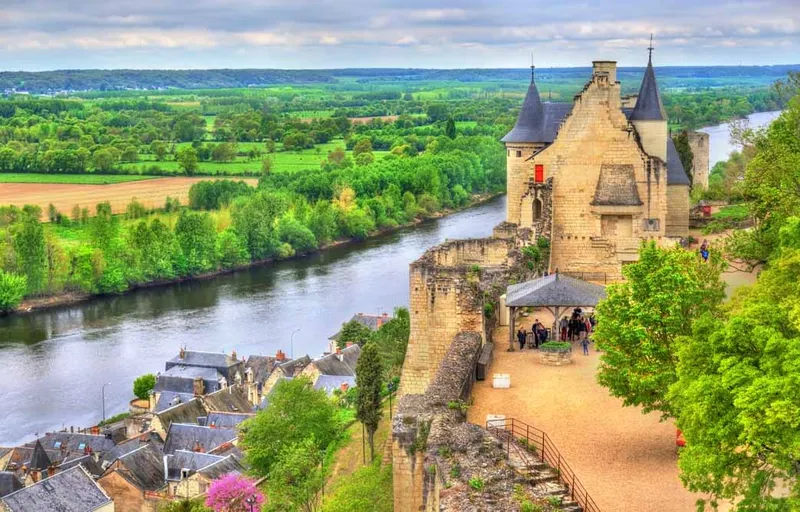
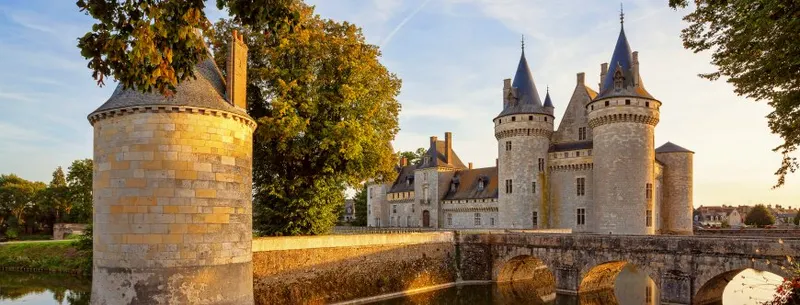
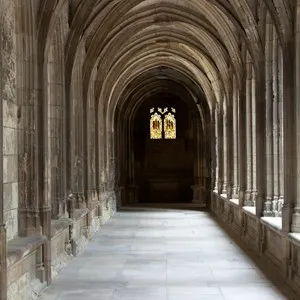
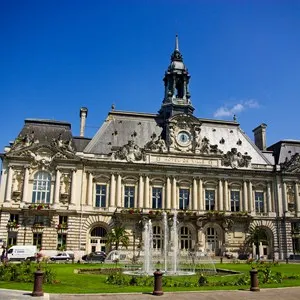
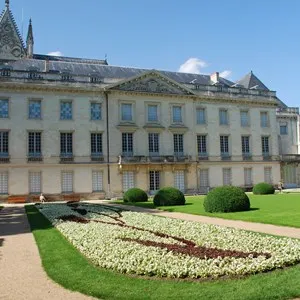
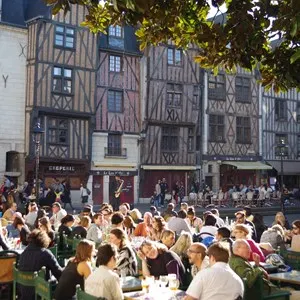
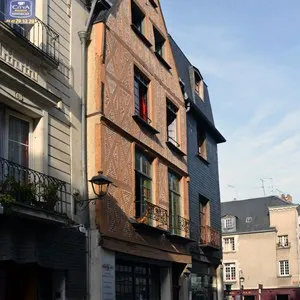
Tours (the ‘s’ is silent) lies at the heart of Loire Châteaux Country, a legacy of the centuries when it was the capital of France and the French royal court was based in the Loire Valley. The châteaux of Chenonceau, Blois, Amboise, Cheverny, Azay, Villandry, and Chaumont are all within an hour’s drive. Quality, elegance and class are the region’s hallmarks, also famous for the vineyards surrounding the city. In the city, stylish streets are adorned by neat lines of white stone and black slate. South of the Cher and north of the Loire extend the newer business districts. The main attraction though is the historic centre between the rivers. In medieval times, Rue Colbert was the main street. Mainly pedestrianized, it remains a domain of little shops and cafés, as well as the museums and Gothic cathedral, beautifully lit up at night. Today, the main street is the always bustling Rue Nationale, with department stores and dozens of interesting small shops.
Useful information
Approximately 140,000
Euro (EUR) €1 = 100 cents
Police: 17
Ambulance: 15/112
Fire Brigade: 18
Most shops are open from Tuesdays to Saturdays between 9 am-12 pm and 3-7 pm. Most supermarkets are open Mondays to Saturdays between 8.30 am-12.30 pm and 3-7.30 pm, and have late closing on certain days. Most museums and sights keep similar hours, but are closed one day a week, usually Monday or Tuesday.
Do & See

Dining







Cafés



Bars & Nightlife





Shopping





Tourist Information







Frequently Asked Questions
The best time to visit the Loire Valley is from late spring to early autumn, specifically May through September. During these months, the weather is pleasant, gardens are in full bloom, and many châteaux host special events and festivals. July and August are the peak tourist months, so visiting in May, June, or September can offer a more relaxed experience.
A minimum of three to four days is recommended to explore the Loire Valley. This allows you to visit several of the region’s famous châteaux, such as Château de Chambord and Château de Chenonceau, while also enjoying the local cuisine and perhaps a wine tour. With more time, you can explore the charming towns and beautiful countryside at a leisurely pace.
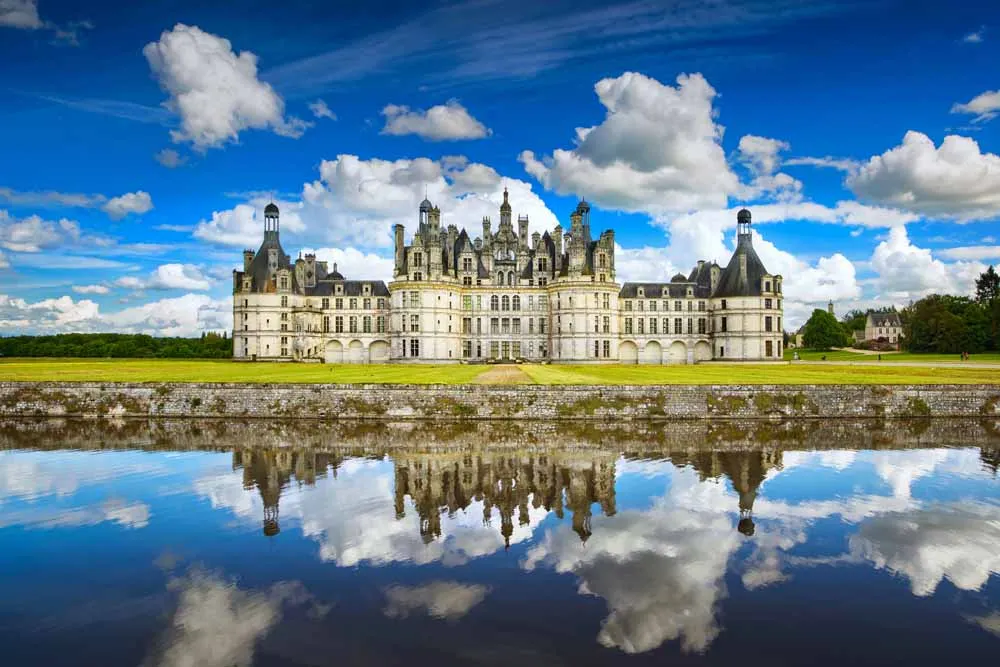
The Loire Valley is renowned for its stunning châteaux. Must-see sites include Château de Chambord, known for its distinctive French Renaissance architecture; Château de Chenonceau, which spans the River Cher; and Château de Villandry, famous for its exquisite gardens. Each château offers a unique glimpse into France’s royal history and architectural heritage.
The best way to explore the Loire Valley is by car, which provides the flexibility to visit châteaux and vineyards at your own pace. Alternatively, you can use the regional train network to travel between major towns like Tours and Blois, and join guided tours for individual château visits. Biking is also a popular option, with many scenic trails throughout the region.
The Loire Valley hosts several festivals that highlight its cultural heritage. The Fête de la Musique in June features live music in many towns. In September, the Festival de Loire in Orléans celebrates the river with boat parades and performances. Additionally, many châteaux host summer events, including night shows and historical reenactments.
The Loire Valley is known for its fresh, local produce and fine wines. Try regional specialties like rillettes (a type of pâté), goat cheese from Sainte-Maure-de-Touraine, and tarte Tatin (an upside-down caramelized apple tart). The region is also famous for its wines, including Sancerre, Vouvray, and Chinon, which pair beautifully with the local cuisine.
French is the official language spoken in the Loire Valley. While many people in the tourism industry speak English, learning a few basic French phrases can enhance your experience and interactions with locals. Signs and menus are often in French, so having a translation app or phrasebook can be helpful.