
Details for Lyon
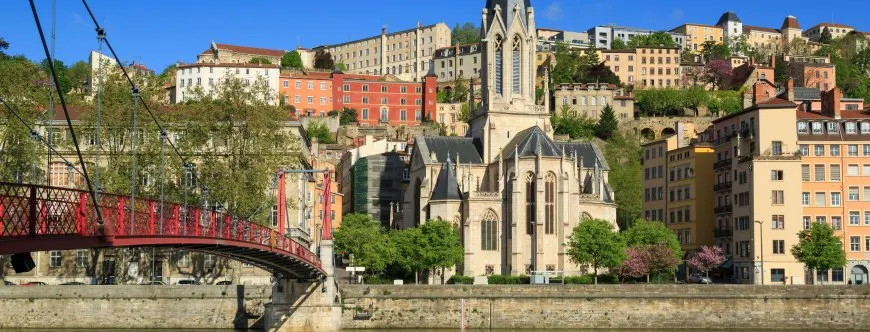

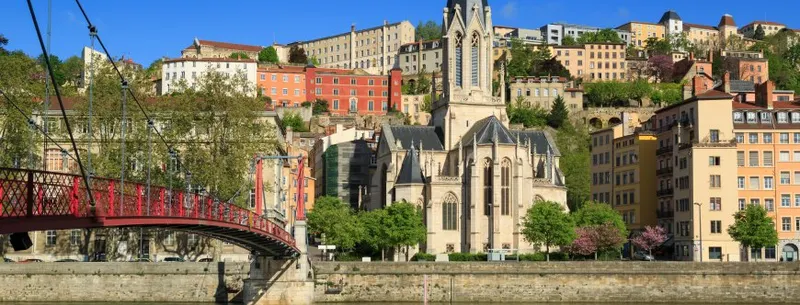
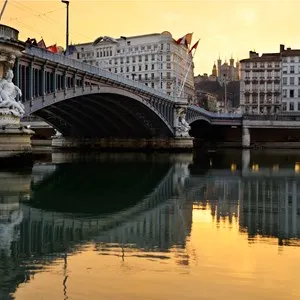
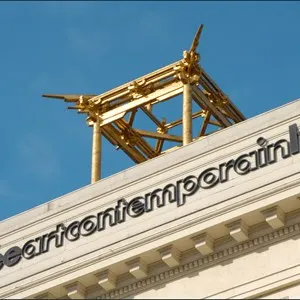
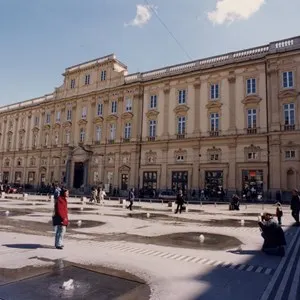
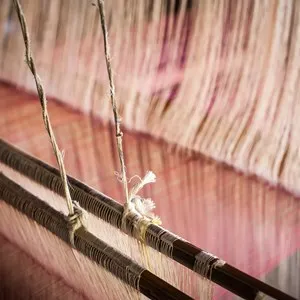
There is water everywhere, flowing under 28 bridges. Lyon is divided into different areas by two rivers, the Saône and Rhône, and two hills, La Croix-Rousse and Fourvière. In the west, by the Fourvière hill, is the bustling, historic city centre with its Renaissance pomp. It bears witness to the riches that the city’s profitable silk industry earned, following François the First’s tax reductions in 1536. In 43 BC, the Romans founded the capital city of the Gallic provinces on a peninsula, at the foot of La Croix-Rousse and in the area around the Town Hall and the Opera, France’s most prominent architects and artists were given a free hand in the 1990s. The result was Post-Modern glamour: a Rococo opera with a glass dome, a grand square with columns and 69 water jets. From the Town Hall and the Opera, the main shopping, restaurant and café streets, the rue de la République and rue Président Herriot, extend in a north-south direction. The Congress Centre with the 3,000 seat amphitheater built by Renzo Piano, the Contemporary Art Museum and Interpol sandwiched between the Rhône River and the Park de la Tête d’Or, are part of the business centre on the left bank of the river. The underground railway system is extensive - you seldom have to walk for more than 15 minutes.
Metropolitan area: 1,748,000 (2022)
1 Euro = 100 cents
112
In general, shops are open from 10am to 7pm.



























The best time to visit Lyon is during the spring (April to June) and fall (September to October) when the weather is mild and the city is less crowded. These seasons offer pleasant temperatures for exploring the city's historical sites and enjoying outdoor activities.
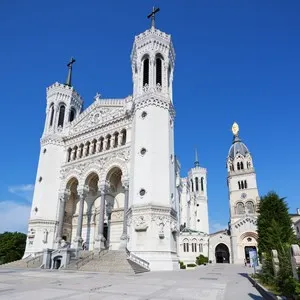
A stay of 3 to 4 days is ideal for exploring Lyon. This allows you enough time to visit key attractions such as Vieux Lyon, the Basilica of Notre-Dame de Fourvière, and the Musée des Confluences, as well as to enjoy the local gastronomy and take a leisurely stroll along the Rhône and Saône rivers.
Lyon boasts several must-see attractions including: - Vieux Lyon, the city's Renaissance district - Basilica of Notre-Dame de Fourvière, offering panoramic views - Parc de la Tête d'Or, a large urban park - Musée des Confluences, a science and anthropology museum - The traboules, hidden passageways in the old town
Lyon has an efficient public transportation system including buses, trams, and a metro. The Lyon City Card offers unlimited access to public transport and discounts on attractions. Walking is also a great way to explore the city, especially in the pedestrian-friendly areas of Vieux Lyon and Presqu'île.
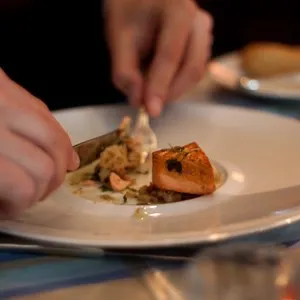
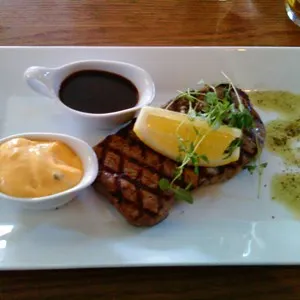
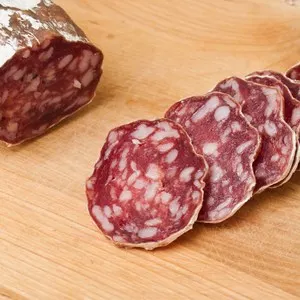
Lyon is renowned for its gastronomy. Be sure to try traditional dishes such as: - Quenelles, a type of dumpling - Salade Lyonnaise, a salad with frisée, bacon, and poached egg - Saucisson brioché, a sausage baked in brioche - Tarte aux pralines, a sweet tart made with pink pralines
Lyon hosts several notable events, including the Fête des Lumières in December, where the city is illuminated with artistic light displays. The Nuits de Fourvière festival in summer features music, dance, and theater performances. These events offer a unique cultural experience and are worth planning your trip around.
Lyon is well-situated for day trips to explore the surrounding region. Consider visiting: - Beaujolais wine region for wine tasting - Pérouges, a medieval village - Annecy, known as the 'Venice of the Alps' - The city of Grenoble, nestled in the French Alps