
Details for Masai Mara National Reserve
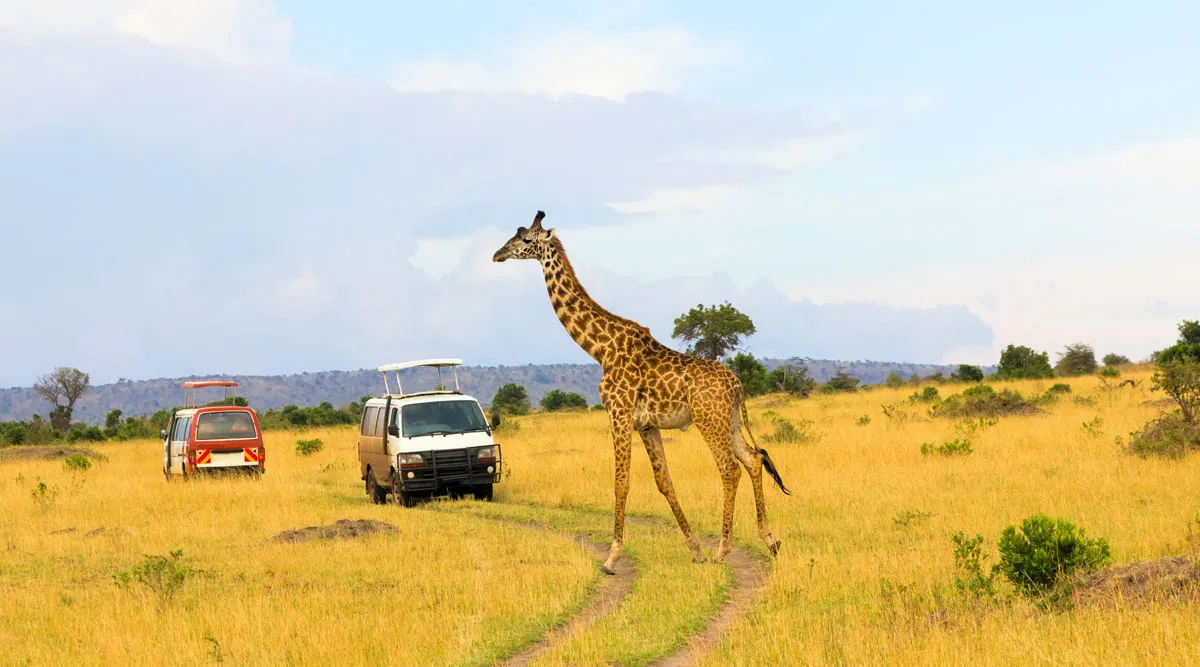
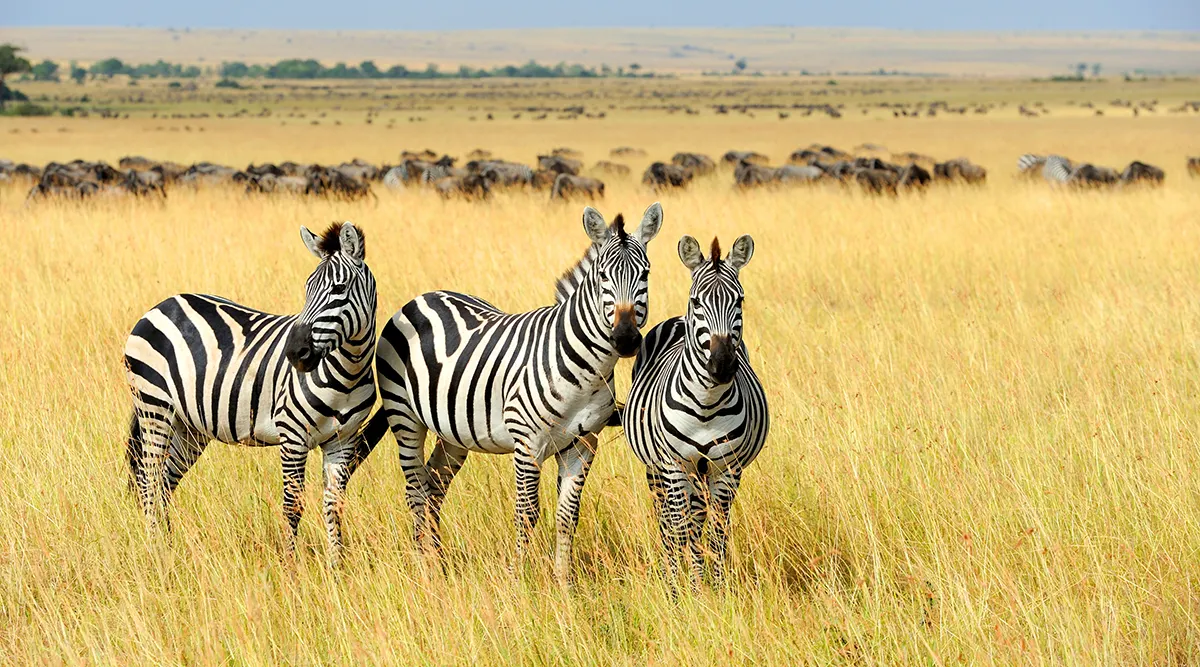

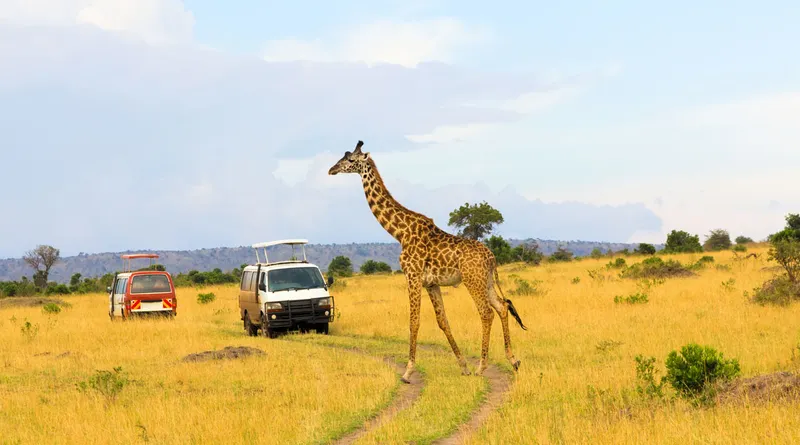
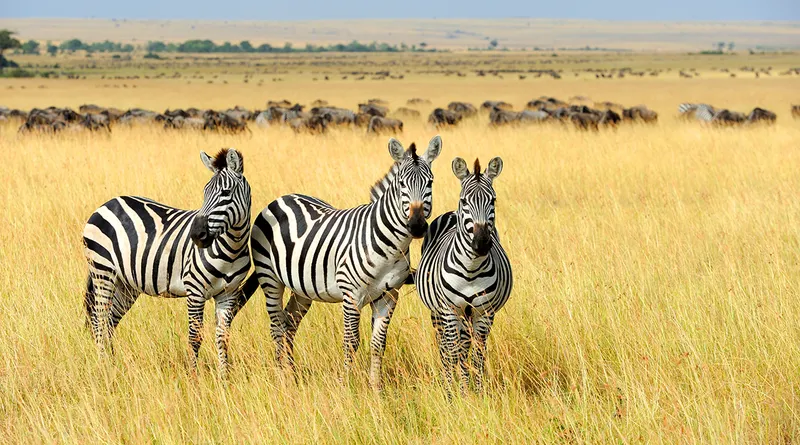
The best time to visit the Masai Mara National Reserve is during the Great Migration, which typically occurs from July to October. During this period, millions of wildebeest, zebras, and other animals migrate from the Serengeti in Tanzania to the Masai Mara, offering a spectacular wildlife viewing experience. However, the reserve is a year-round destination with abundant wildlife and different experiences depending on the season.
A stay of at least 3 to 4 days is recommended to fully experience the Masai Mara National Reserve. This allows ample time for multiple game drives, exploring different areas of the reserve, and enjoying the diverse wildlife. Longer stays can offer more in-depth exploration and relaxation at your lodge or camp.
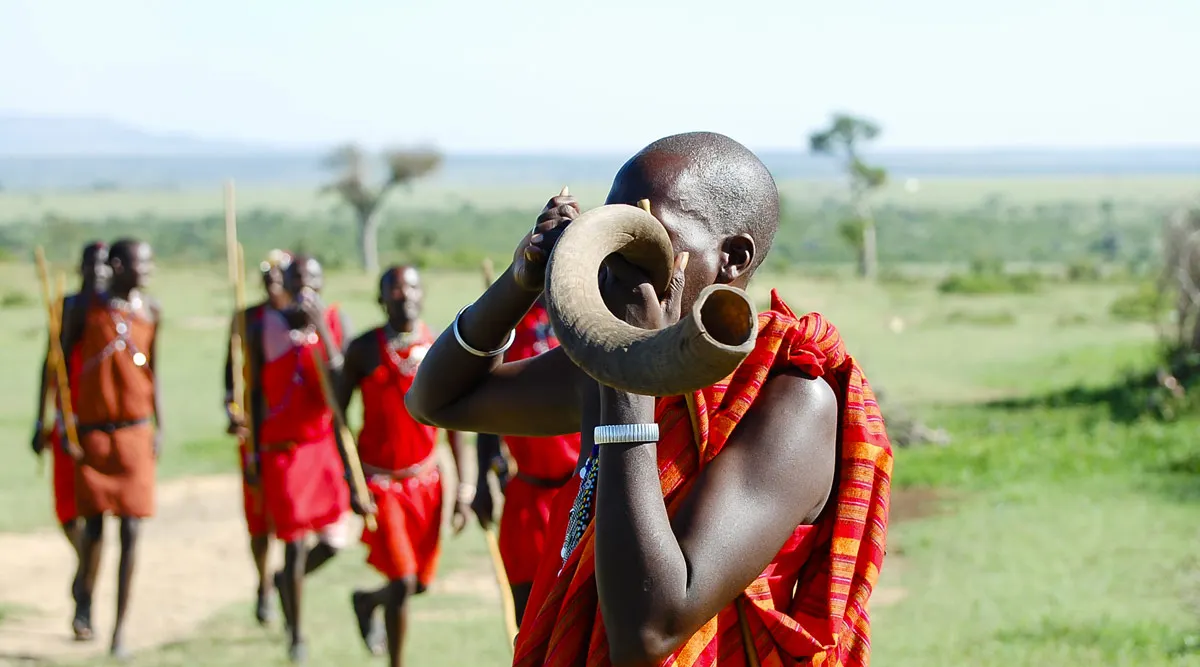
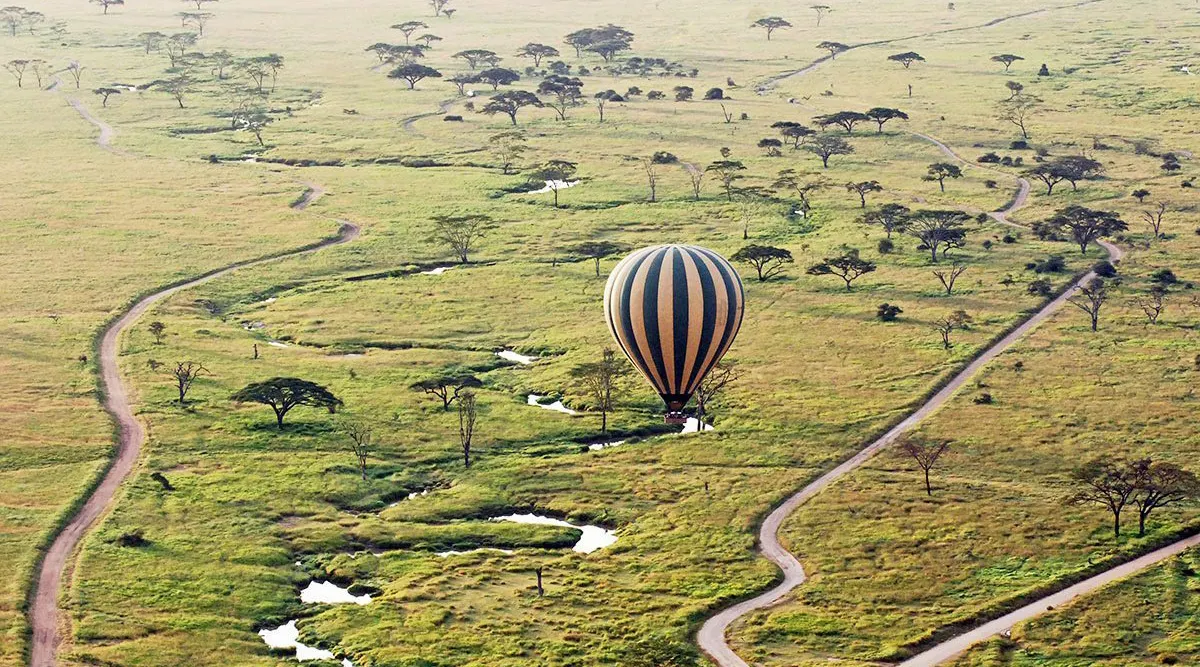
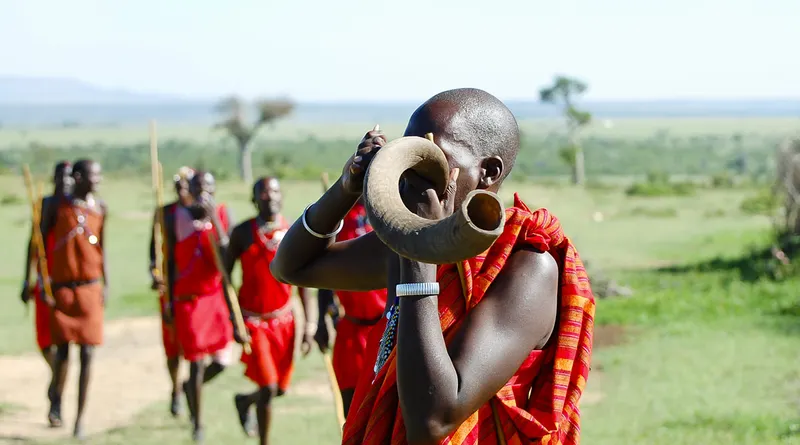
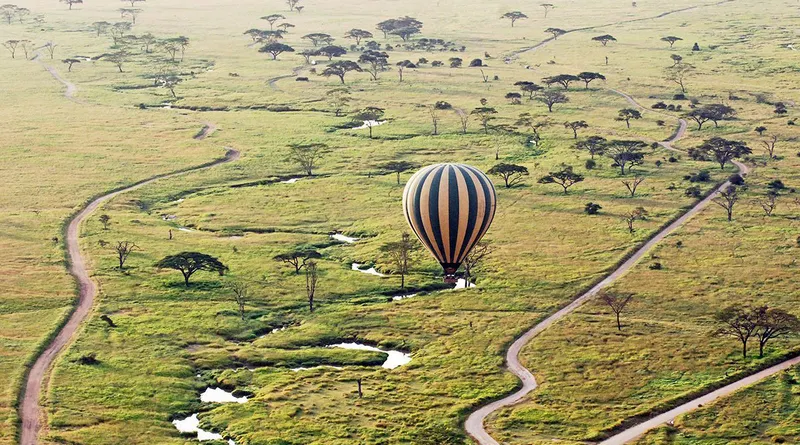
Key experiences in the Masai Mara include witnessing the Great Migration if visiting between July and October, taking a hot air balloon safari for a unique aerial view of the landscape and wildlife, and visiting a traditional Maasai village to learn about the local culture and customs.
The Masai Mara National Reserve offers a range of accommodations, from luxury lodges and tented camps to more budget-friendly options. Many lodges and camps offer all-inclusive packages with meals, game drives, and other activities. Staying within the reserve or in the surrounding conservancies allows for easy access to wildlife viewing.
When visiting the Masai Mara, pack lightweight, neutral-colored clothing suitable for safari, a warm jacket for early morning and evening game drives, comfortable walking shoes, a hat, sunglasses, sunscreen, binoculars, and a camera. It's also advisable to bring insect repellent and any necessary personal medications.
Travelers can reach the Masai Mara National Reserve by flying into Jomo Kenyatta International Airport in Nairobi, followed by a domestic flight to one of the airstrips in or near the reserve. Alternatively, a road transfer from Nairobi is possible, taking approximately 5 to 6 hours, depending on the condition of the roads.
When visiting the Masai Mara, respect local customs by asking permission before photographing people, especially the Maasai. Dress modestly when visiting villages, and be aware that bargaining is common in local markets. It's also important to follow the guidance of your safari guide to ensure safety and respect for wildlife.