

Details for Mexico City


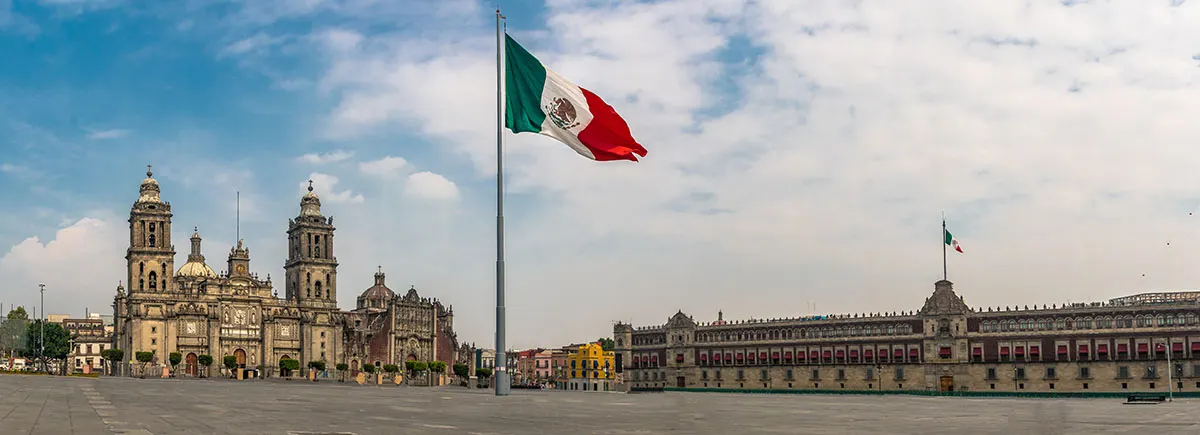






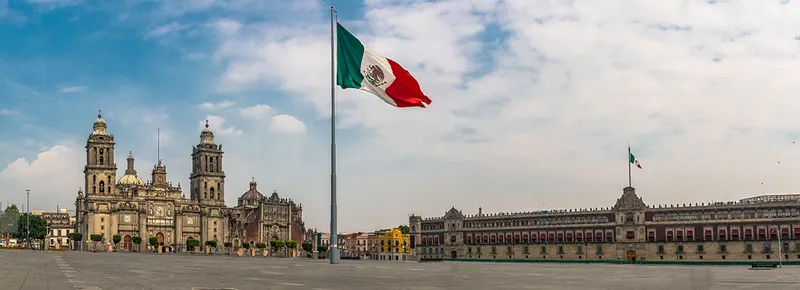
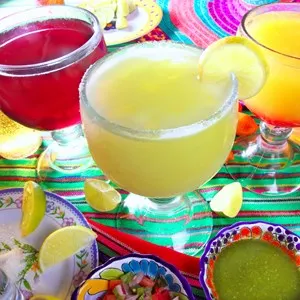
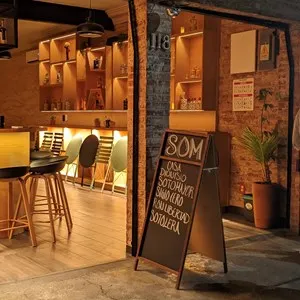
The vibrant national capital of Mexico is not only the political center but also the cultural hub of the country, whose name dates back to the old Aztecs who called themselves Mexica. The city holds sights dating back to the beginnings of the high civilization of the 14th century, and is home to one of the oldest Universities on the continent, the Universidad Nacional Autónoma de México, established in 1553. With over 9 million inhabitants, Mexico City is among the largest cities in the world by population. It is divided into several boroughs, each one holding a wide range of restaurants and sights for visitors. Located 7,350 feet (2,240 meters) above sea level and framed by high mountains and volcanoes such as the Ajusco, the Popocatepétl and the Iztaccihuatl, the city is a place for adventure seekers, city breakers and party people alike. Apart from an impressive amount of typical Mexican cantinas (where one can try traditional local drinks and food), there are many different ethnic groups that have added their cuisines and businesses to the urban landscape. With Cuban, American, Japanese, Chilean, Korean and Lebanese communities, Mexico City has got one truly multicultural identity.
The city: 9.2 million Urban area: 21.8 million
1 Mexican peso (Mex$, MXN) = 100 centavos
911
Opening hours are usually from 9am to 8pm. Big department stores or shopping centers might stay open until 9pm.
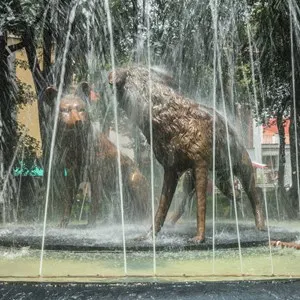
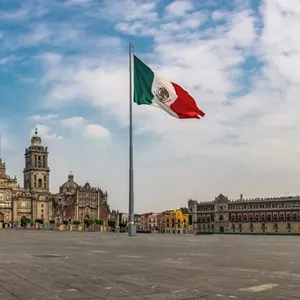

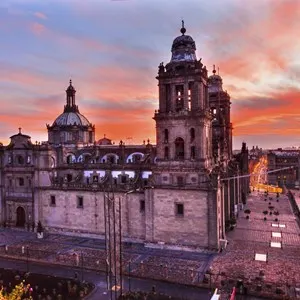
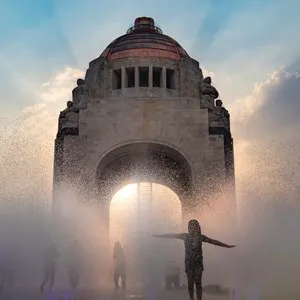
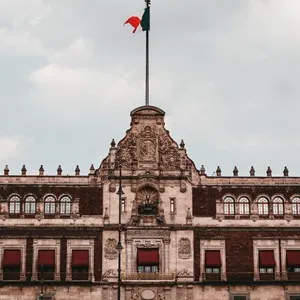
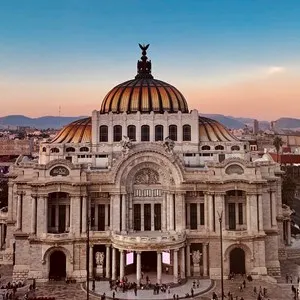
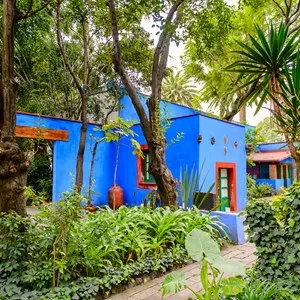


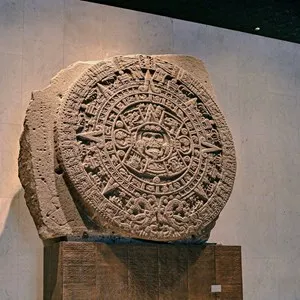

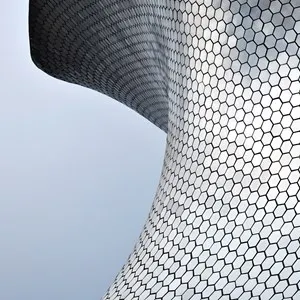


























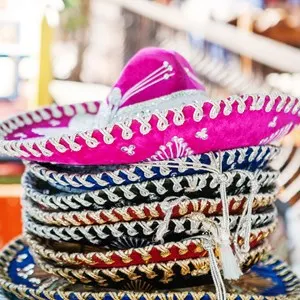


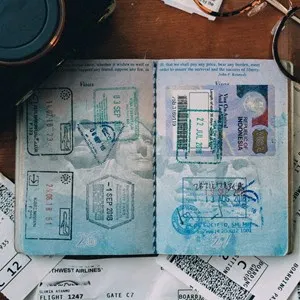





Mexico City offers a wealth of attractions for first-time visitors. Don't miss the historic Zócalo, the city's main square, and the nearby Metropolitan Cathedral. The National Museum of Anthropology is a must for understanding Mexico's rich history. Stroll through the vibrant neighborhood of Coyoacán, home to the Frida Kahlo Museum. Chapultepec Park, with its castle and zoo, is perfect for a leisurely day. Lastly, the ancient city of Teotihuacan, with its iconic pyramids, is a short drive from the city.
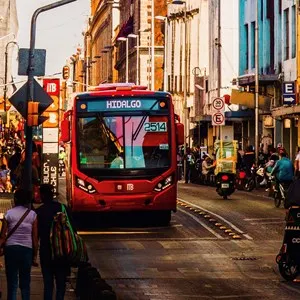
Mexico City has an extensive public transportation system, including the metro, buses, and the Metrobús. The metro is affordable and efficient, but it can be crowded during peak hours. Taxis and ride-sharing services like Uber are convenient and relatively inexpensive. Walking is also a great way to explore neighborhoods like Roma and Condesa. For longer distances, consider renting a bike through the city's Ecobici program.
The best time to visit Mexico City is during the dry season, from November to April. During these months, the weather is mild and pleasant, with less rainfall. March and April are particularly popular due to the abundance of cultural events and festivals. Avoid visiting in the summer months of June to September, when the city experiences its rainy season.
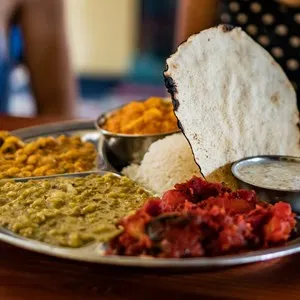
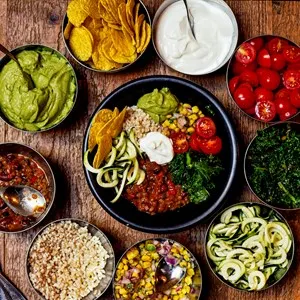
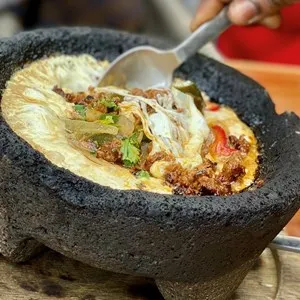
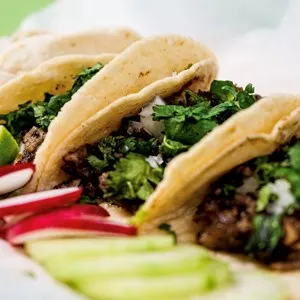
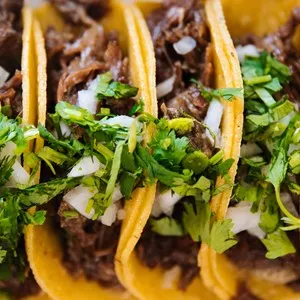
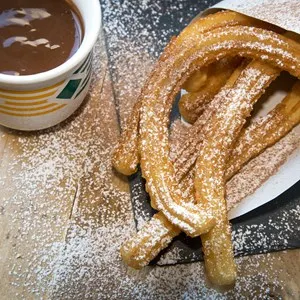
Mexico City is a culinary paradise with a variety of traditional foods to try. Be sure to sample tacos al pastor, a local favorite made with marinated pork. Chiles en nogada, a seasonal dish, is a must-try if visiting in September. Street food like tamales and elotes (grilled corn) are also popular. For dessert, try churros with hot chocolate, or indulge in a slice of tres leches cake.
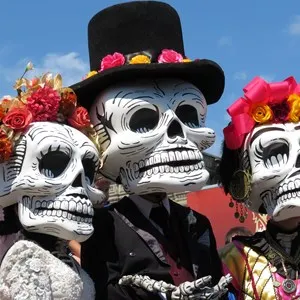
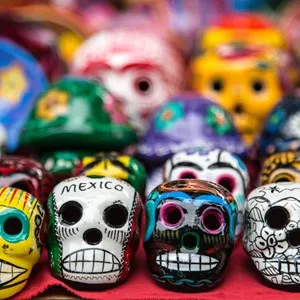
Mexico City hosts numerous cultural events and festivals throughout the year. The Day of the Dead celebrations in early November are a unique and vibrant experience, with altars and parades throughout the city. The Festival Internacional Cervantino in October offers a rich program of music, theater, and dance. Additionally, the Zócalo often hosts free concerts and cultural events, providing a taste of local culture.
Mexico City is generally safe for tourists, but it's important to stay vigilant and take standard precautions. Stick to well-populated areas, especially at night, and avoid displaying valuables. Use registered taxis or ride-sharing services rather than hailing cabs on the street. Be cautious in crowded areas to prevent pickpocketing. Staying informed about the local situation and following travel advisories can also enhance your safety.
To fully experience Mexico City, plan to spend at least 4 to 5 days. This allows time to explore major attractions like the Zócalo, Chapultepec Park, and the National Museum of Anthropology, as well as enjoy day trips to places like Teotihuacan. With additional time, you can delve deeper into neighborhoods like Roma and Condesa, known for their vibrant arts and culinary scenes.