
Details for Milan
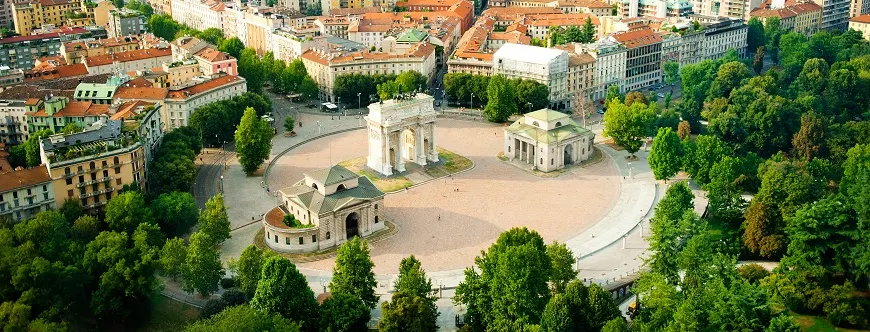

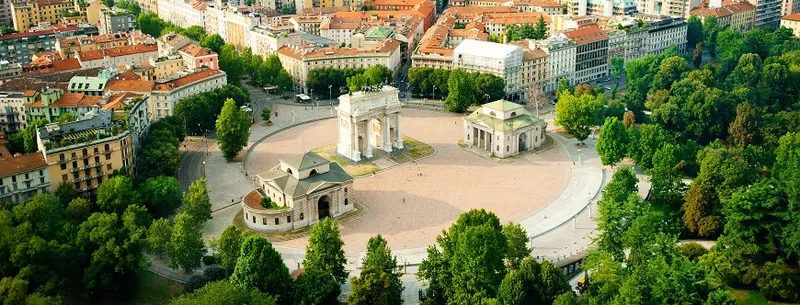
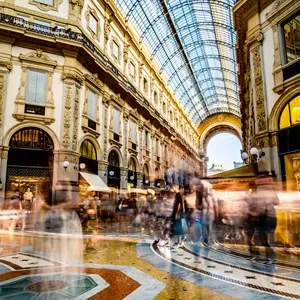
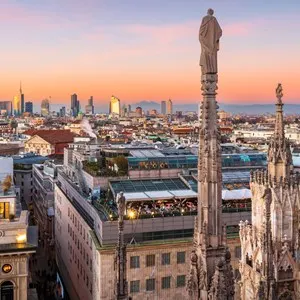
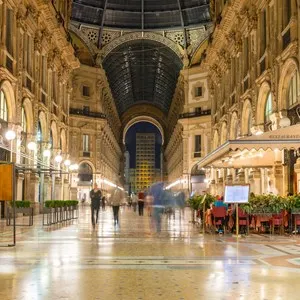
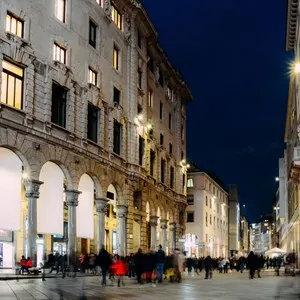
Milan was founded by Celtic tribes around 600 B.C. When the Romans conquered the city, it was renamed "Mediolanum" — the land in the middle. Thanks to Milan’s strategic location in the middle of the fertile Po River valley, it quickly became an important centre for trade in the Roman Empire. Later, it also became its western capital. Today, Milan is the second-largest city in Italy. Almost everything in Milan revolves around the fashion industry. Most famous designers and fashion houses tend to be located in the city — the area around Via Monte Napoleone and Via Della Spiga is the heart and home to many fashion industry flagship stores. Centro Storico is where many of the city’s famous sights are located, including the Duomo and La Scala Opera. Navigli, by the canals, is another exciting neighbourhood famous for its nightlife, while Brera is an artsy enclave.
Comune 1.37 million (2025) Metro 6.1 million (2025)
1 Euro, € = 100 cents
Fire brigade: 115
Medical: 118
Police: 112
Pharmacies Hotline: 800 801185
Shops in Milan are usually open 9am–1pm and 3pm–8pm with some variations depending on the time of year. The stores that are off the main shopping streets are usually closed on Mondays or only open after lunch, around 3pm. Large department stores and some of the famous fashion houses are usually open all day.














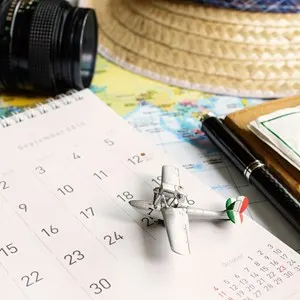
The best time to visit Milan is during the spring (April to June) and fall (September to October) when the weather is pleasant and the city is less crowded. These periods also coincide with Milan Fashion Week and various cultural events, offering a vibrant atmosphere.
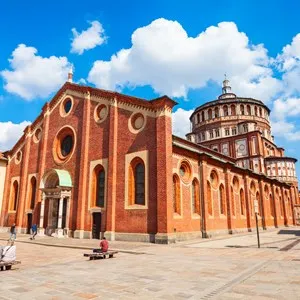
A stay of 3 to 4 days in Milan is ideal to explore its main attractions, including the Duomo, Leonardo da Vinci's 'The Last Supper,' and the shopping district of Quadrilatero d'Oro. This duration also allows for a day trip to nearby destinations like Lake Como.
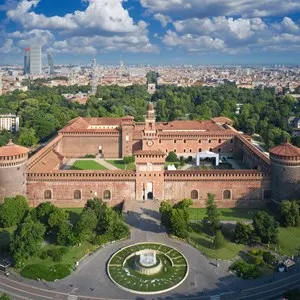
Must-see attractions in Milan include the iconic Duomo di Milano, the historic Castello Sforzesco, the renowned opera house La Scala, and the art-filled Pinacoteca di Brera. Don't miss the opportunity to view Leonardo da Vinci's masterpiece, 'The Last Supper,' at Santa Maria delle Grazie.
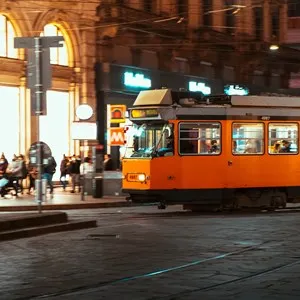
Milan has an efficient public transportation system that includes metros, trams, and buses. The metro is particularly convenient for tourists, with stops near major attractions. Consider purchasing a MilanoCard for unlimited travel and discounts at various sites.
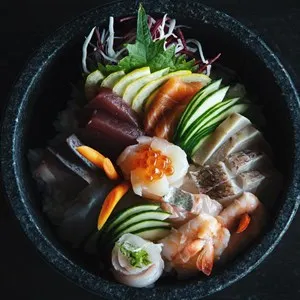
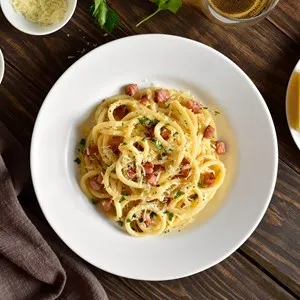
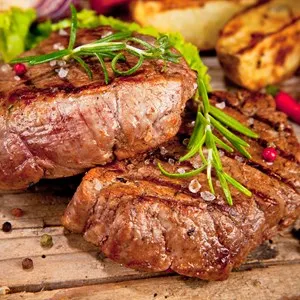
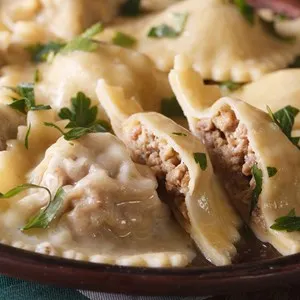
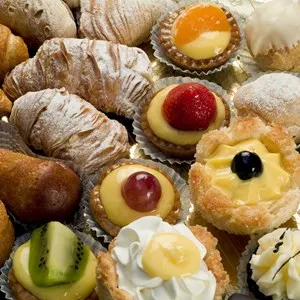
Milan is famous for its traditional dishes such as Risotto alla Milanese, a creamy saffron-infused risotto, and Cotoletta alla Milanese, a breaded veal cutlet. For dessert, try Panettone, a sweet bread loaf traditionally enjoyed during the holiday season.
Milan hosts several notable events, including Milan Fashion Week in February/March and September/October, and the Milan Furniture Fair (Salone del Mobile) in April. These events highlight Milan's status as a global fashion and design capital.
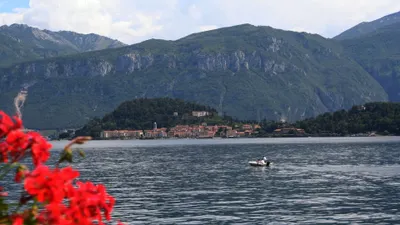
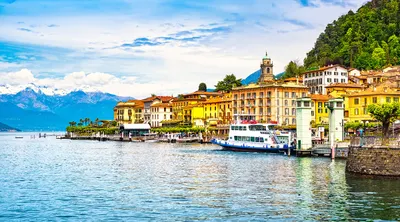
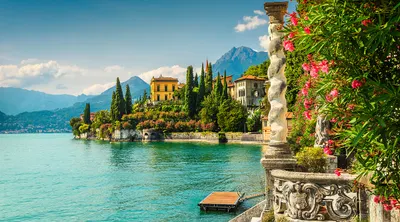
Consider day trips to Lake Como for its stunning scenery, Bergamo for its medieval charm, or the Franciacorta wine region for tasting tours. Each destination is easily accessible by train or car from Milan, offering diverse experiences beyond the city.