
Discover Montreal’s French-Canadian Character






Current Weather

Description
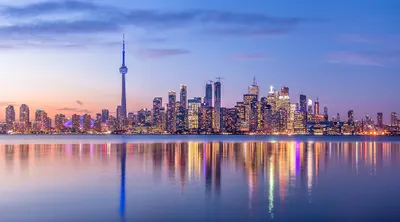
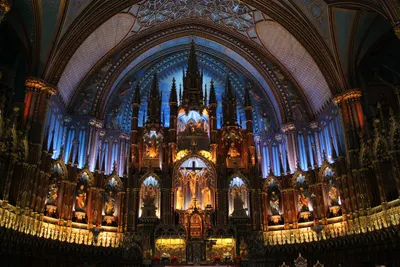
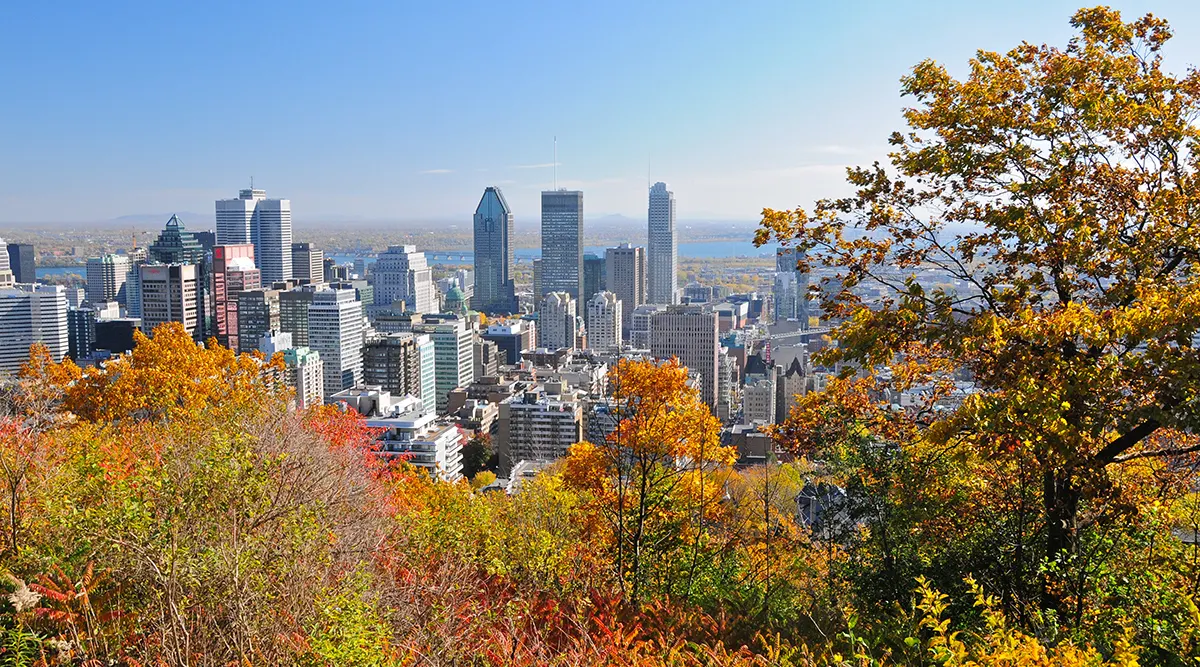
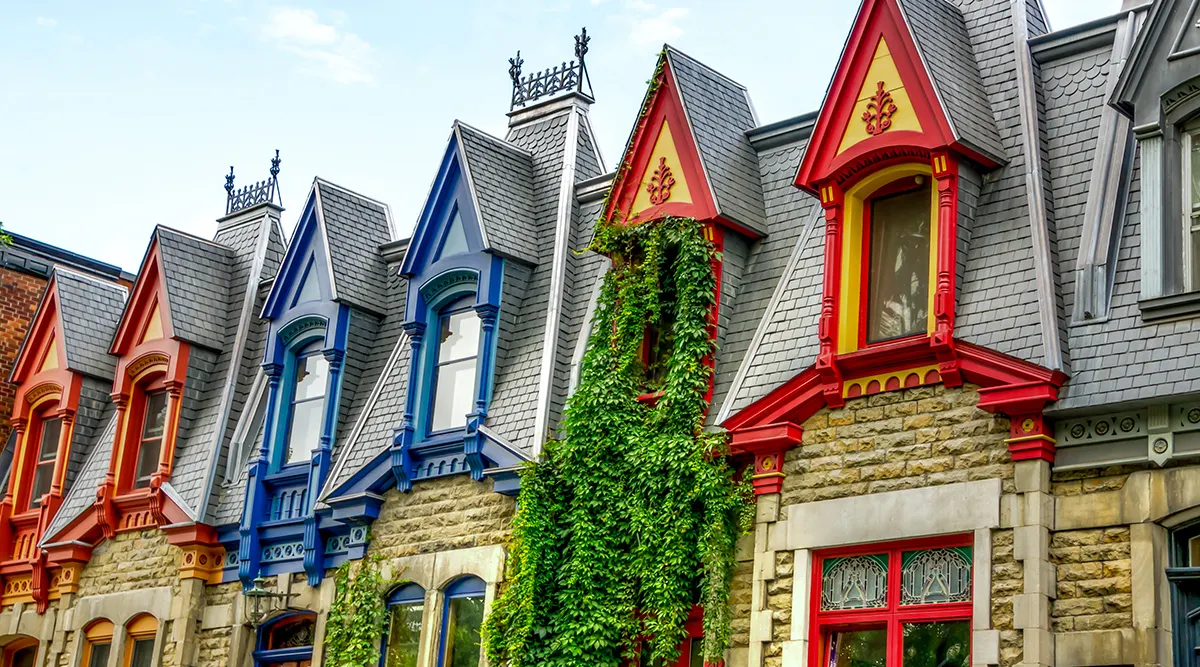
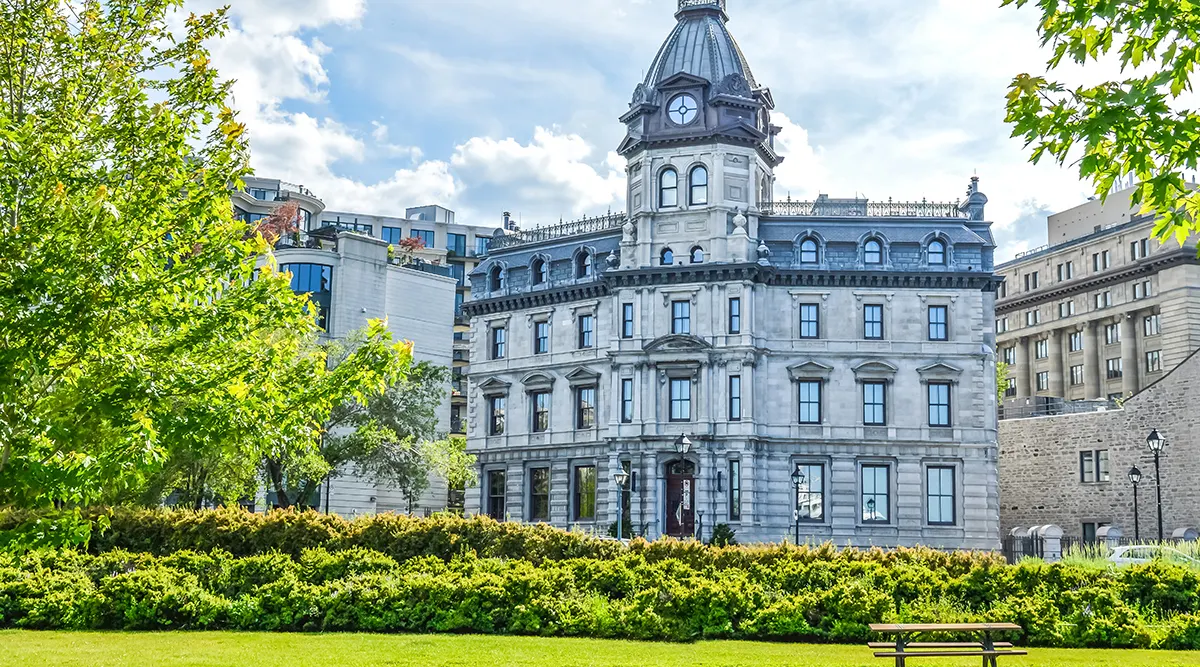
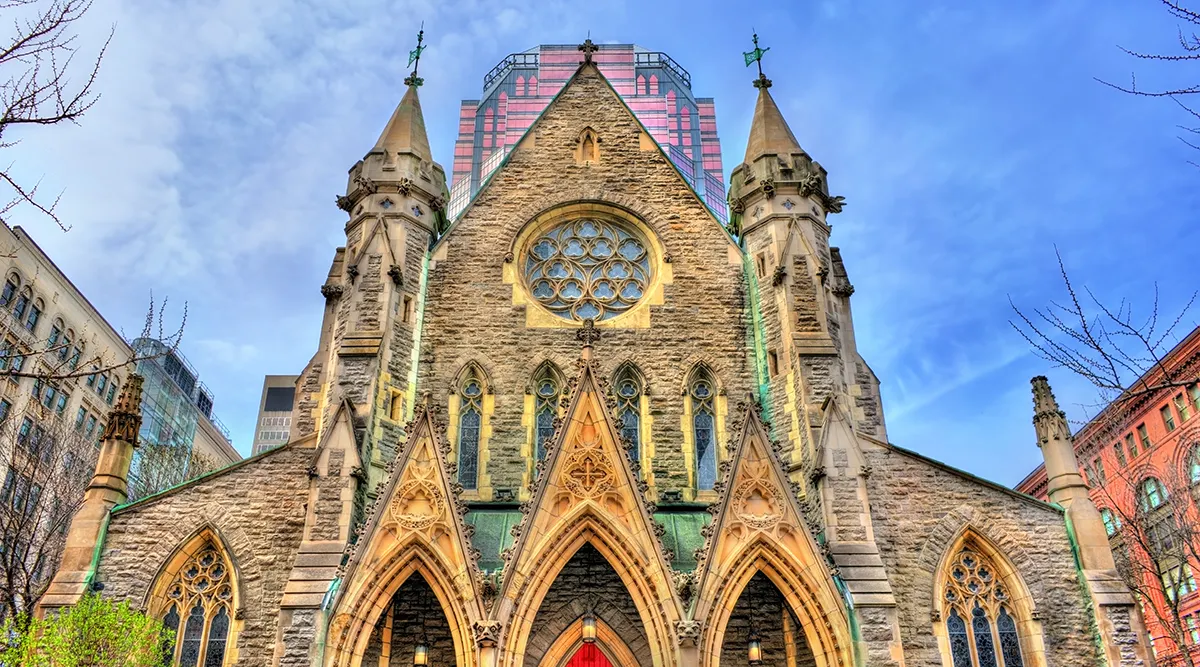
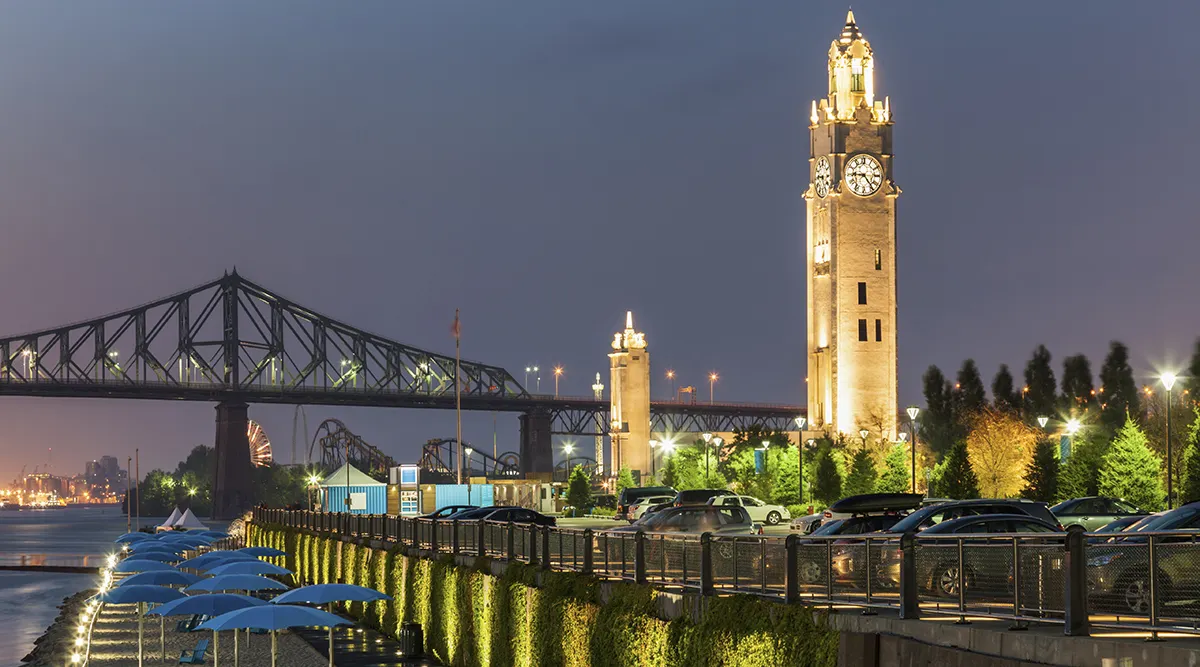
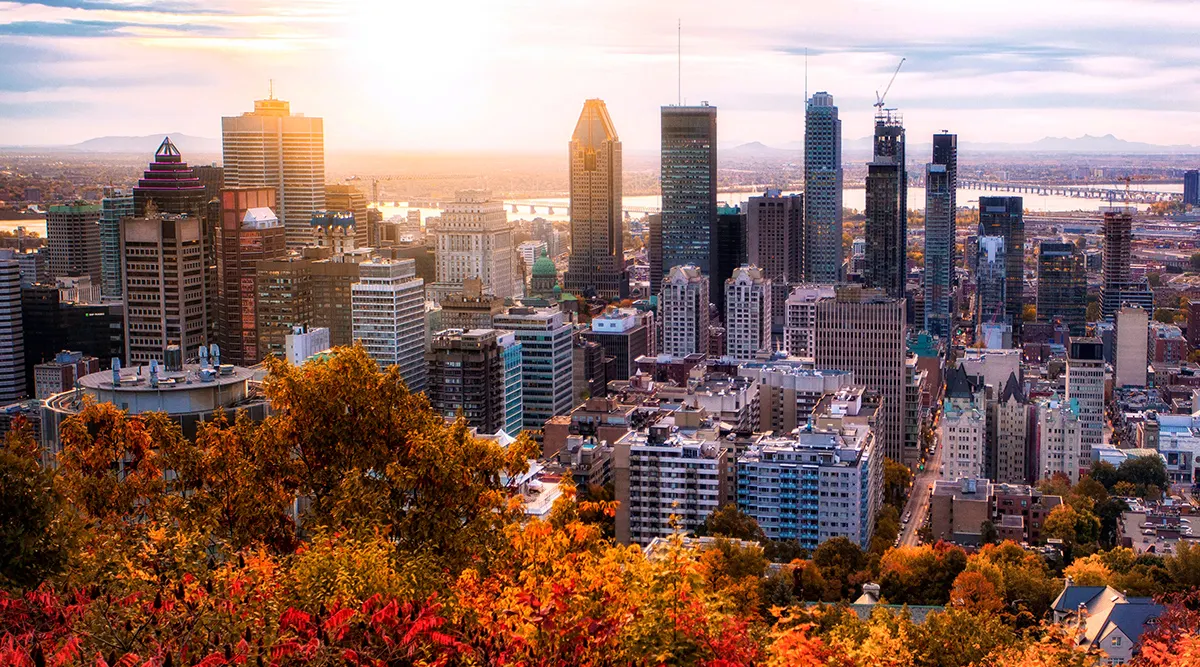
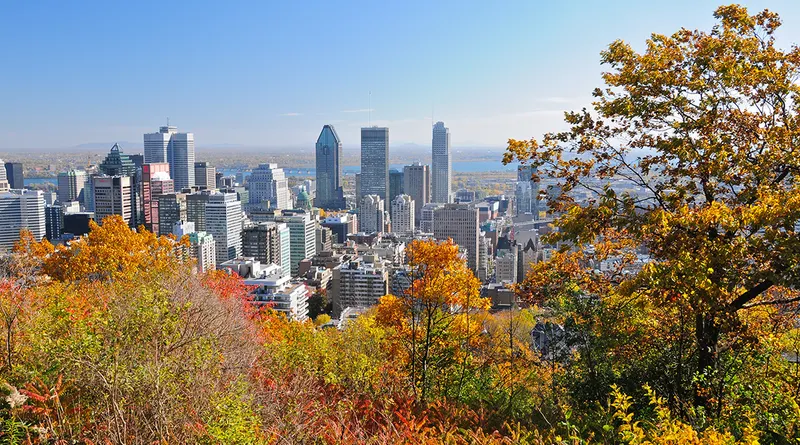
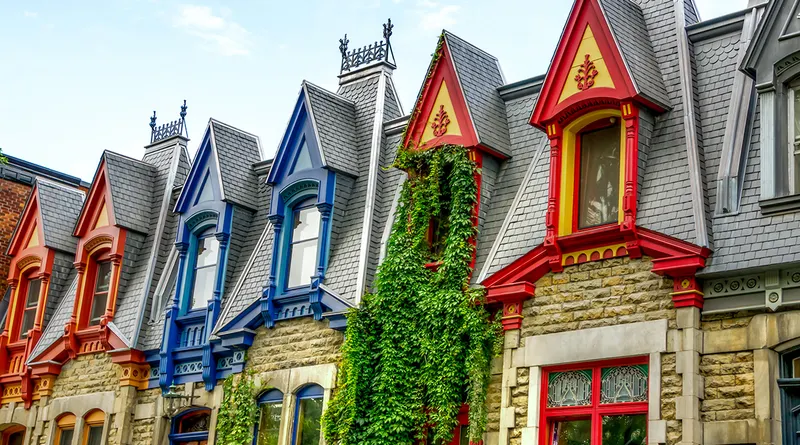
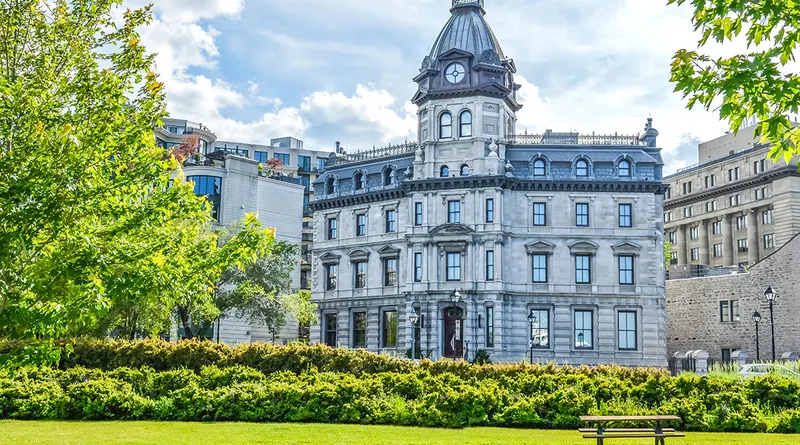
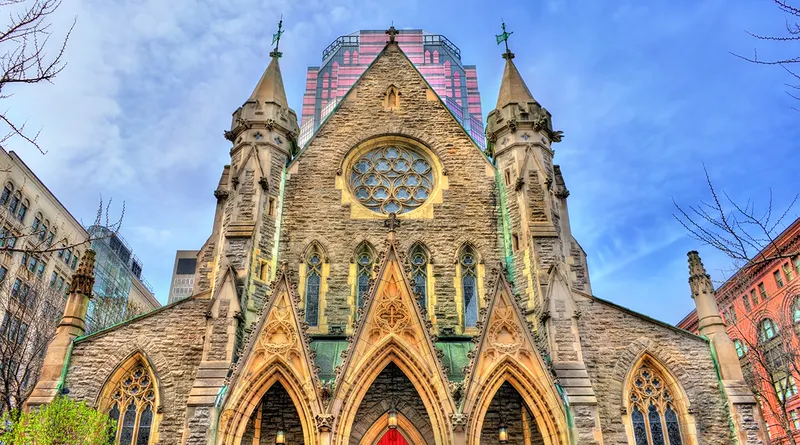
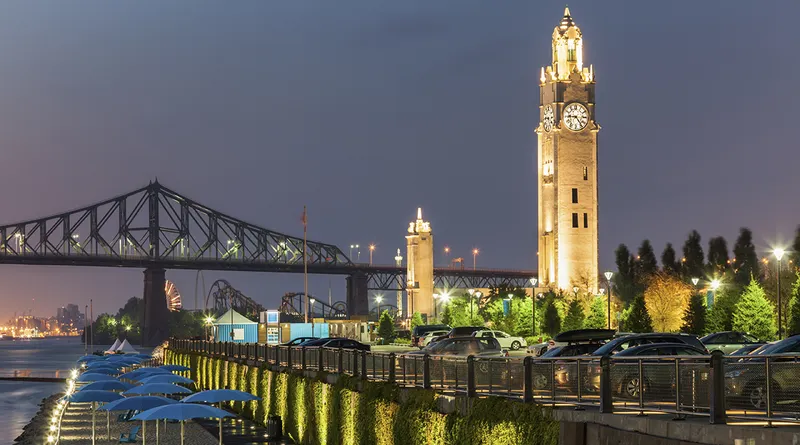
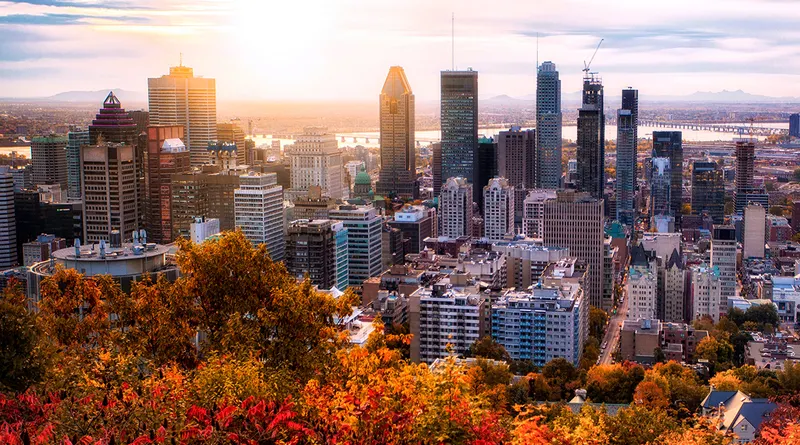
Founded as a French colonial settlement in the 17th century, Montreal has grown into a city shaped by centuries of migration, trade, and cultural exchange. Downtown’s wide streets and modern towers sit alongside older neighbourhoods that still reflect the city’s European roots. From Little Italy to Chinatown, Montreal has long been defined by communities living side by side, each leaving a mark on the city’s character. The cityscape mirrors this mix. Long shopping streets and residential neighbourhoods lead into clusters of glass and steel, while reminders of the past remain firmly in place. Often called the City of a Hundred Bell Towers, Montreal still has landmarks like Saint Joseph’s Oratory and the Basilique Notre-Dame anchoring its skyline and history. After dark, the city takes on a different rhythm. Festivals, fireworks, late-night dining, and a packed cultural calendar keep streets busy well into the evening, making Montreal as engaging at night as it is during the day.
Useful information
City: 1.97 million (2025)
Canadian Dollar (CAD, $)
911
Do & See



Dining






Cafés







Bars & Nightlife








Shopping







Tourist Information








Frequently Asked Questions
The best time to visit Montreal is from late spring to early fall, particularly between May and September. During these months, the weather is pleasant, and the city hosts numerous festivals, including the Montreal International Jazz Festival and Just for Laughs. Fall offers beautiful foliage, while summer provides warm temperatures perfect for exploring the city's outdoor attractions.
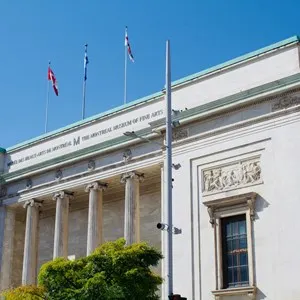
A visit to Montreal is best enjoyed over three to four days. This allows time to explore the city's diverse neighborhoods, such as Old Montreal, the Plateau, and Mile End, as well as visit key attractions like the Notre-Dame Basilica, Mount Royal Park, and the Montreal Museum of Fine Arts. Additional days can be spent enjoying the city's vibrant food scene and attending local events.
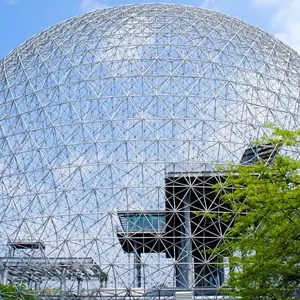
Must-see attractions in Montreal include the historic Old Montreal with its cobblestone streets and the Notre-Dame Basilica. Mount Royal Park offers panoramic views of the city, while the Montreal Museum of Fine Arts showcases impressive art collections. The Jean-Talon Market is a must for food lovers, and the Biosphere on Île Sainte-Hélène provides an intriguing look at environmental issues.
Montreal's public transportation system is efficient and includes buses and a metro system, making it easy to navigate the city. The metro is particularly useful for reaching major attractions. Walking and cycling are also popular, especially in pedestrian-friendly areas like Old Montreal. Taxis and ride-sharing services are available for more convenience.
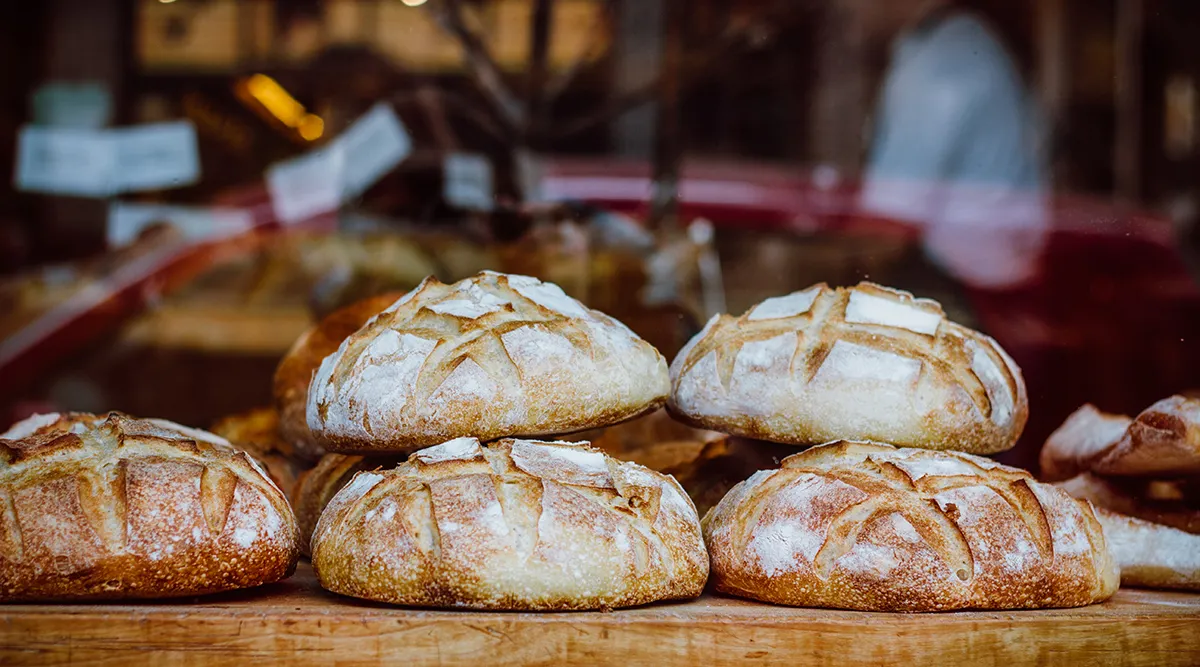
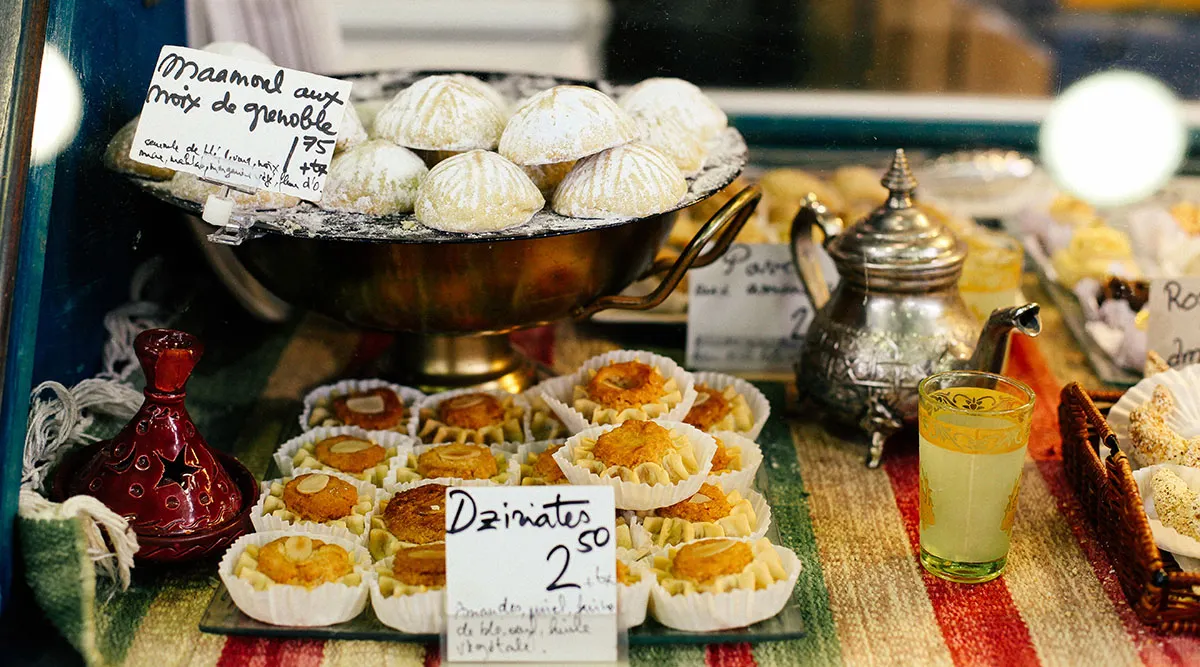
Montreal is famous for its culinary delights. Be sure to try poutine, a dish of fries topped with cheese curds and gravy. Montreal-style bagels, known for their sweetness and dense texture, are a must, as is smoked meat, typically served on rye bread with mustard. For dessert, try a maple syrup pie or a pastry from one of the city's renowned patisseries.
Montreal is known for its vibrant festival scene. The Montreal International Jazz Festival, held in late June to early July, is one of the largest of its kind. Just for Laughs, a comedy festival in July, attracts top comedians from around the world. In winter, the Montreal en Lumière festival celebrates food, art, and light, brightening the city during the colder months.
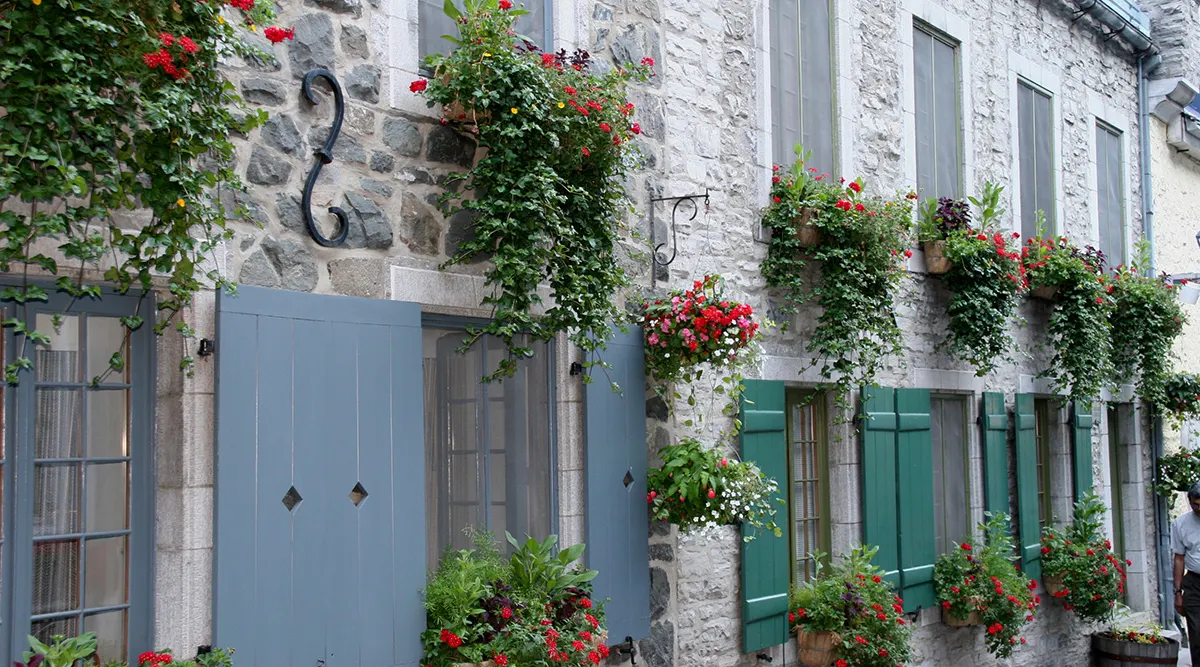
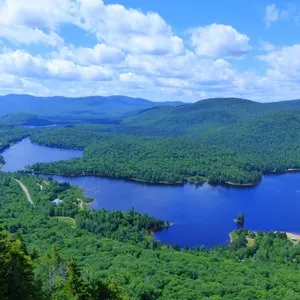
There are several excellent day trips from Montreal. The charming town of Quebec City, with its historic architecture, is about a three-hour drive away. The Laurentian Mountains offer outdoor activities like hiking and skiing. The Eastern Townships, known for their vineyards and quaint villages, provide a relaxing escape, while Mont-Tremblant is perfect for adventure seekers.