
Nairobi Travel & Vacation Guide



Current Weather


Description
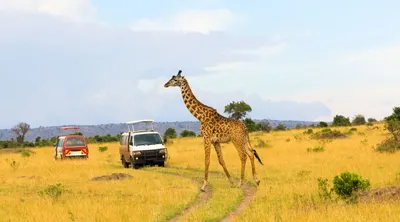
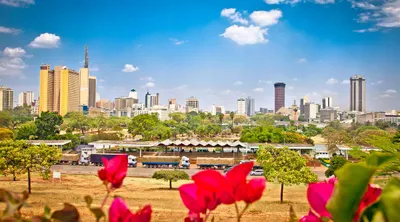
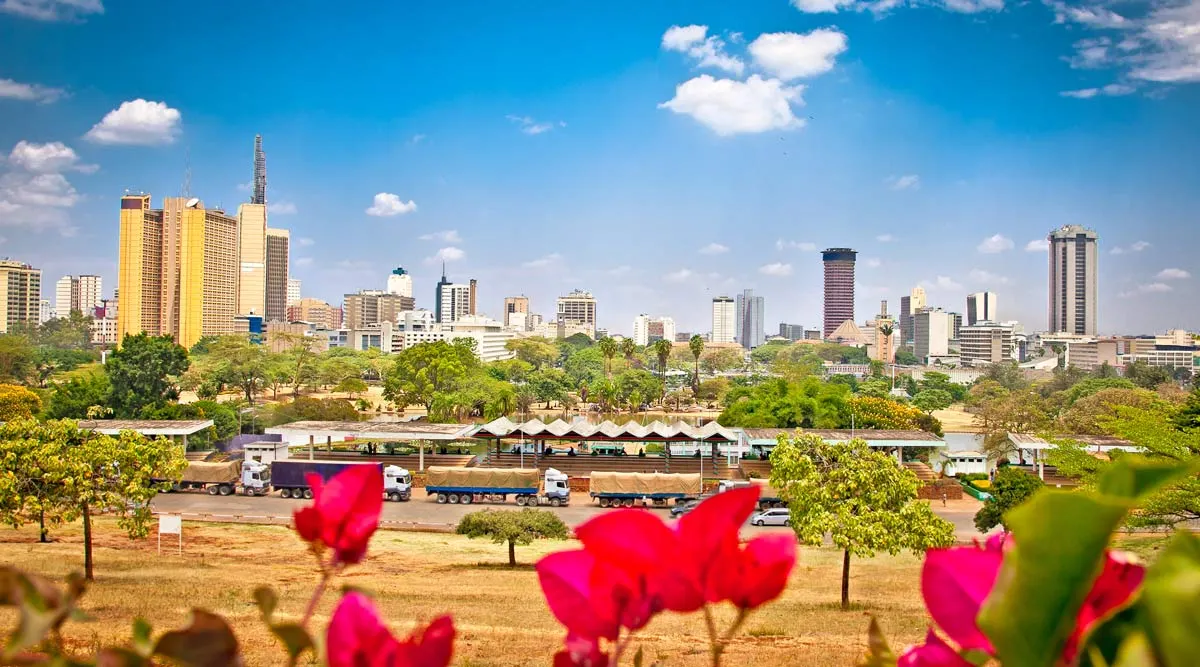
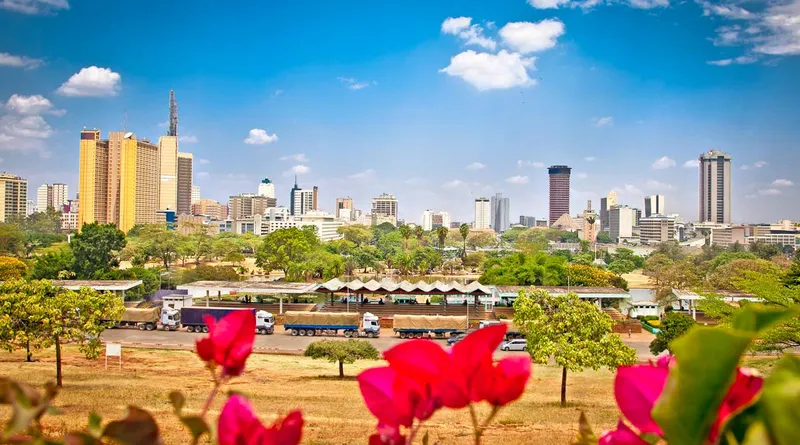
Nairobi has a history just as diverse as the rich wildlife surrounding it. For its abundance of fertile lands, the country was colonised by the British East Africa Protectorate in the 19th century, and served as a significant hinterland for the mother country during the WWI era. However, upon its foundation in 1899, Nairobi was far from being a deserted swamp deep hidden in the mighty ridges of Kenya: settlers were soon confronted with the persistence of the indigenous Maasai people, who eventually regained the country's independence in 1963. Today, what once caused large turbulence has since transformed into peaceful coexistence, giving Nairobi a charmingly eclectic feel. This incredible diversity can be experienced all over the city. In the over 50 national parks and reserves Kenya has, flora and fauna have remained incredibly rich, and are only disturbed by goggling safari-goers. But Nairobi, once a humble depot used for the construction of the Uganda railway, has in no time developed into East Africa's major economic hub, with a steady influx of investments further adorning the city's skyscraper-rich horizon year by year.
Useful information
3.5 million (2017 estimate)
Kenyan Shilling (KES), 1 Ksh = 100 cents
999, 112, 911
Business hours are usually from 8.00 to 17.00. Many shops are open as late as 21.00, with several 24-hour stores in town. Popular supermarket chains include Naivas, Chandarana, Tumaini, Tuskys.
Do & See







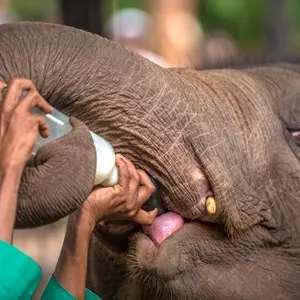
Wildlife







Dining








Cafes








Bars & Nightlife







Shopping







Tourist Information








Frequently Asked Questions
The best time to visit Nairobi is during the dry seasons, from June to October and from January to February. These months offer pleasant weather, with less rainfall and cooler temperatures, making it ideal for exploring the city and nearby attractions. Additionally, wildlife viewing is excellent during these periods as animals congregate around water sources.
A stay of 3 to 4 days in Nairobi is ideal for first-time visitors. This allows enough time to explore the city's main attractions, such as the Nairobi National Park, the Karen Blixen Museum, and the Giraffe Centre, while also enjoying the local culture and cuisine. If you plan to take day trips to nearby areas like the Great Rift Valley, consider extending your stay.
Nairobi offers a range of attractions that cater to diverse interests. Must-see sites include: - Nairobi National Park: A unique park where you can see wildlife against a city skyline. - David Sheldrick Wildlife Trust: Known for its elephant orphanage. - Giraffe Centre: Offers an up-close experience with endangered Rothschild giraffes. - Karen Blixen Museum: The former home of the 'Out of Africa' author. - Bomas of Kenya: A cultural center showcasing traditional Kenyan music and dance.
Nairobi offers various transportation options, including taxis, ride-sharing services like Uber, and matatus (shared minibuses) for local travel. For a more comfortable and reliable option, consider hiring a private car with a driver, especially for day trips or airport transfers. Nairobi's traffic can be heavy, so plan your travel times accordingly.
Nairobi's culinary scene offers a taste of traditional Kenyan dishes. Be sure to try: - Nyama Choma: Grilled meat, often goat or beef, served with sides like ugali (maize porridge) and kachumbari (tomato and onion salad). - Ugali: A staple made from maize flour, often served with stews. - Sukuma Wiki: A popular dish made from collard greens. - Chapati: A type of flatbread enjoyed with various meals. - Kenyan coffee: Renowned for its rich flavor, perfect for coffee enthusiasts.
Nairobi hosts several cultural events and festivals throughout the year. The Nairobi International Book Fair in September is a must for literature lovers. The Koroga Festival, held multiple times a year, celebrates African music and food. Additionally, the Nairobi Film Festival showcases local and international films, providing a vibrant cultural experience for visitors.
While Nairobi is generally safe for tourists, it's wise to take certain precautions. Avoid displaying valuables in public, be cautious when using ATMs, and stick to well-lit and populated areas, especially at night. Use reputable transportation services and seek local advice on areas to avoid. It's also important to stay informed about current safety advisories before your trip.
Trips