
Details for New Orleans
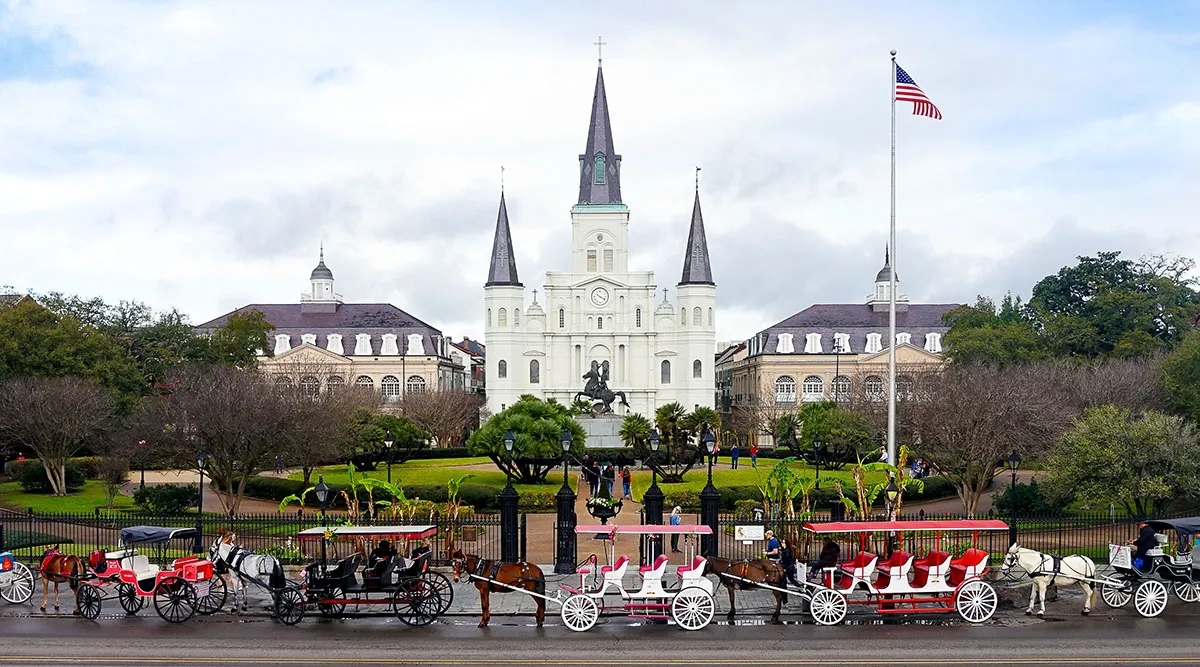
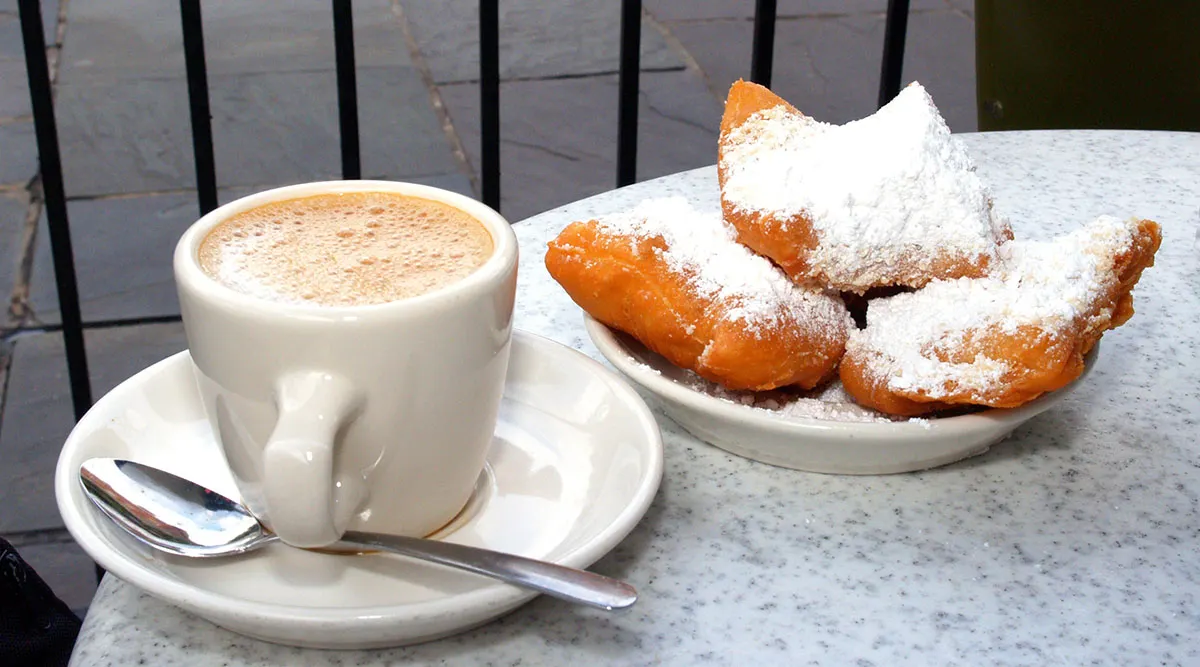
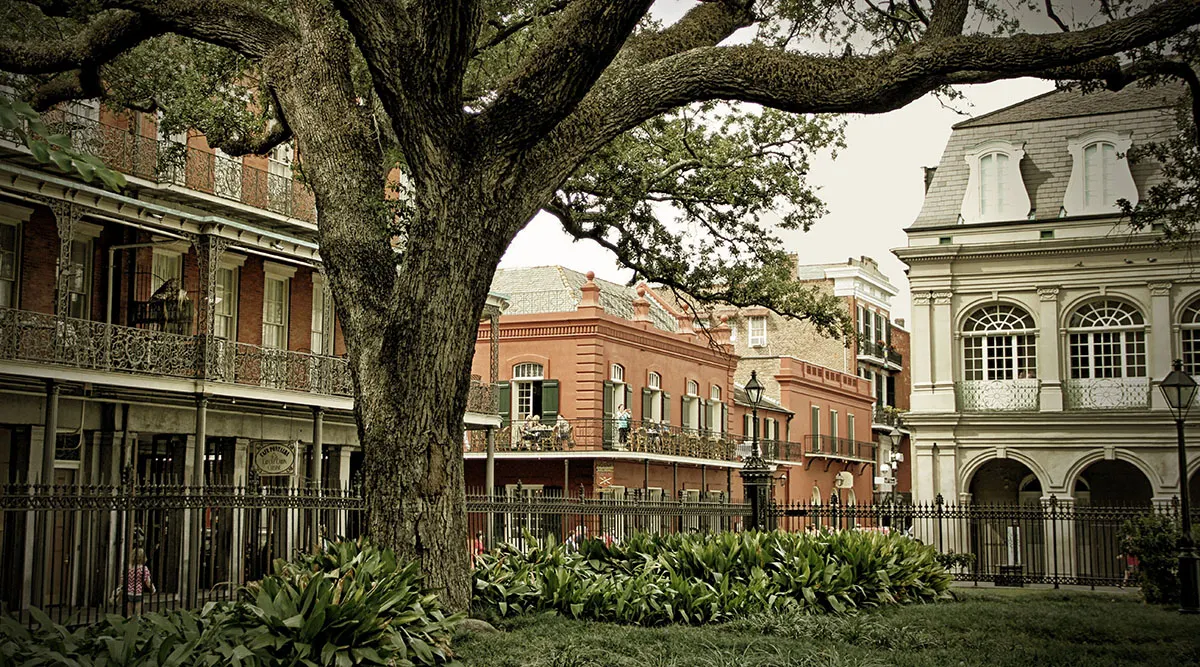
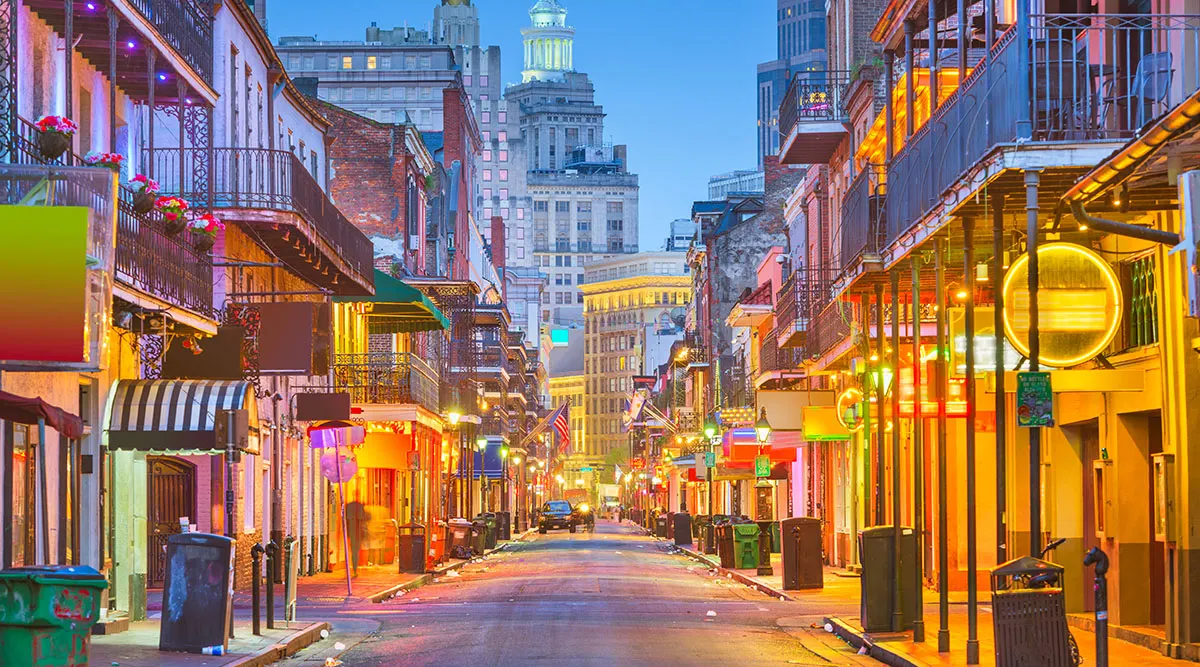





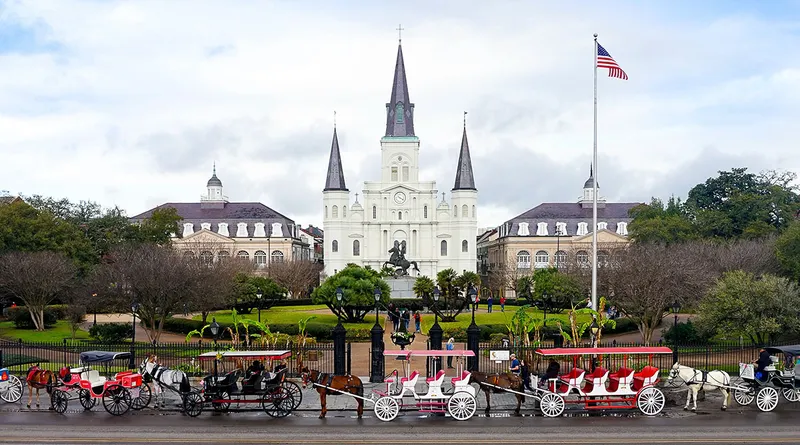
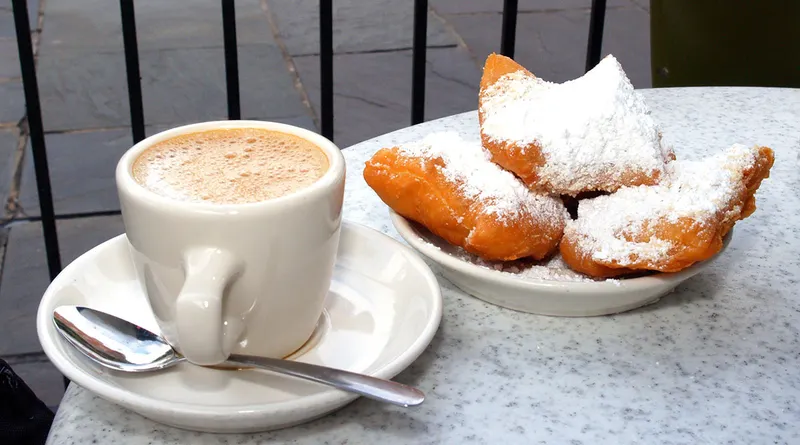
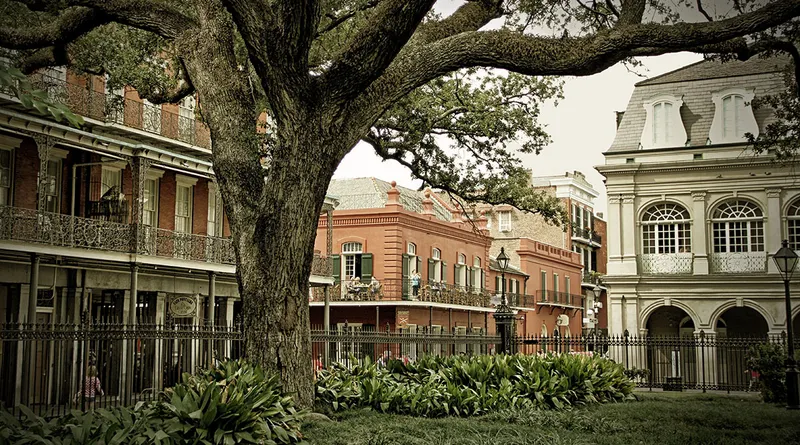
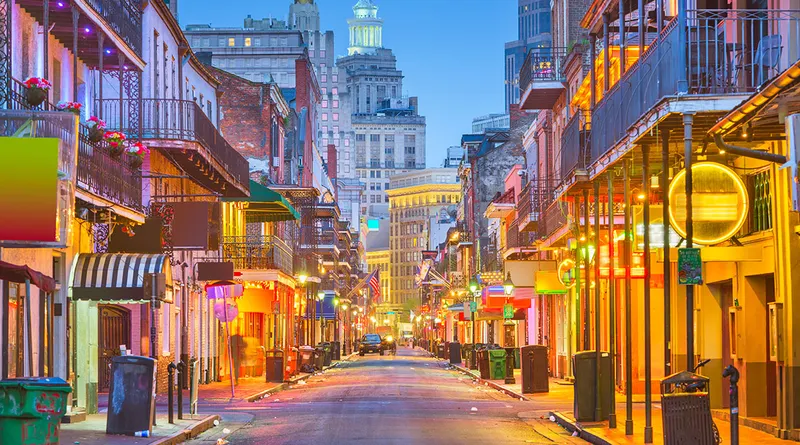
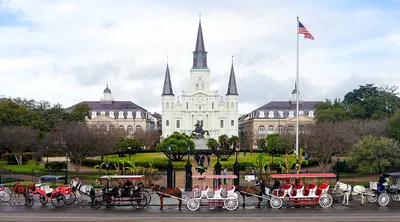
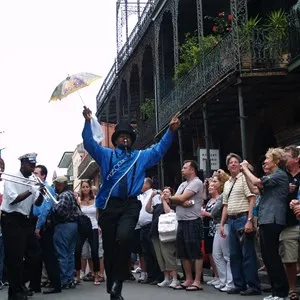
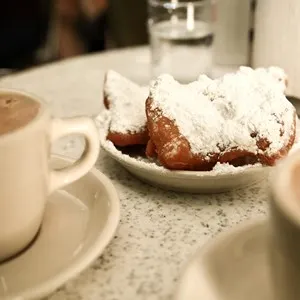
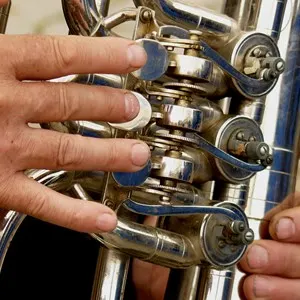
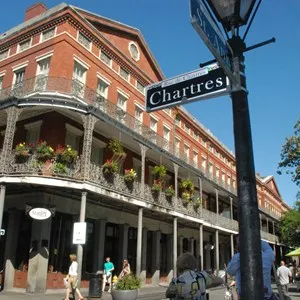
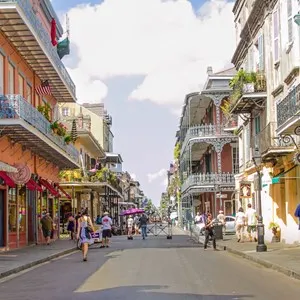
New Orleans is a city where history seeps from every corner, brick, and building. The Crescent City, as it is known, has undergone transformation upon transformation to become the vibrant hub of tourism and culture it is today. With its roots in Spanish and French rule, European influence is still evident in the French Quarter's architecture—from the charming courtyards to the stately, multi-story buildings. Over the years, thousands of Americans, Germans, Sicilians, Irish, and Haitians have made New Orleans their home, creating a melting pot of cultures that has sometimes boiled over. This cultural tension led to the Americans settling in what is now the Central Business District, seeking distance from the Creoles of the French Quarter. The term "neutral grounds," still used to describe city medians, originates from the Canal Street median, which served as a neutral business zone between the Americans and Creoles. It seems natural that "New Orleans" and "culture" are uttered in the same breath, as the city is awash with passion, verve, and history. Also nicknamed "The Big Easy," perhaps to contrast with the hustle and bustle of "The Big Apple," New Orleans has maintained its relaxed, easy-going vibe. With its abundant parks, preserves, bayous, and waterways, the city offers a natural escape for both locals and visitors. Cozy cafés and restaurants stand ready to serve up a warm beignet and café au lait, while the sounds of live jazz fill the air each night, embodying the city’s timeless spirit.
City: 357,767 (2024) Metro area: 1 million (2024)
US Dollar (USD)
911
General business hours typically run from 9am to 5pm, Monday through Friday. Some retail stores, especially those in tourist areas like the French Quarter, may stay open later, often until 7/8pm. Banks operate from 9am to 4/5pm, Monday through Friday.








































The best time to visit New Orleans is from February to May when the weather is comfortable and the city hosts its famous Mardi Gras celebrations. Alternatively, the fall months from September to November offer pleasant weather and fewer crowds, making it a great time to explore the city.
A stay of 3 to 4 days in New Orleans is ideal to explore the main attractions. This allows you to enjoy the French Quarter, take a steamboat cruise on the Mississippi River, visit the Garden District, and experience the vibrant nightlife and culinary scene.
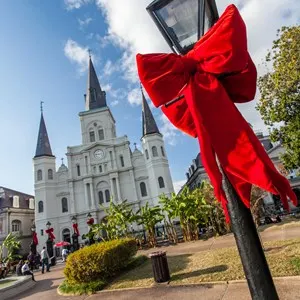
New Orleans offers a variety of must-see attractions, including: - The French Quarter, with its historic architecture and lively atmosphere - Jackson Square and St. Louis Cathedral - The National WWII Museum - A jazz performance on Frenchmen Street - A stroll through the Garden District to admire its beautiful homes
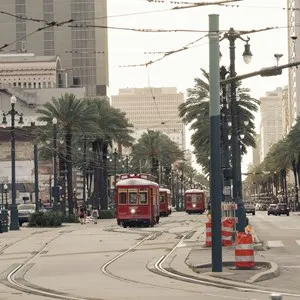
The best way to get around New Orleans is by using the city's streetcar system, especially for exploring the French Quarter and Garden District. Walking is also a great option in these areas. For longer distances, consider using rideshare services or taxis.
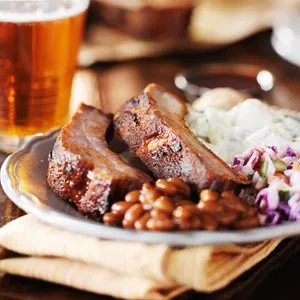
New Orleans is famous for its unique cuisine. Be sure to try: - Gumbo, a hearty stew with seafood or meat - Jambalaya, a spicy rice dish with sausage, chicken, and shrimp - Beignets, deep-fried pastries covered in powdered sugar - Po'boys, traditional sandwiches served on French bread - Crawfish étouffée, a rich, spicy stew served over rice
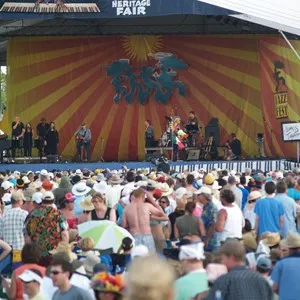
Yes, New Orleans hosts several unique festivals throughout the year. The New Orleans Jazz & Heritage Festival, held in late April and early May, celebrates the city's musical roots. The French Quarter Festival in April features local music and food, while the Voodoo Music + Arts Experience in October offers a mix of music, art, and culture.
While New Orleans is generally safe for tourists, it's important to stay aware of your surroundings. Stick to well-lit, populated areas, especially at night. Be cautious with your belongings in crowded places and avoid walking alone late at night in unfamiliar areas. It's always a good idea to check local advisories for any specific safety concerns.