

Details for New York
:no_upscale()/LocalImage/PictureLibrary/U.S.A/New%20York/New%20York%20City/shutterstock_1673096350.jpg)

:no_upscale()/LocalImage/PictureLibrary/U.S.A/New%20York/New%20York%20City/shutterstock_1673096350.jpg)
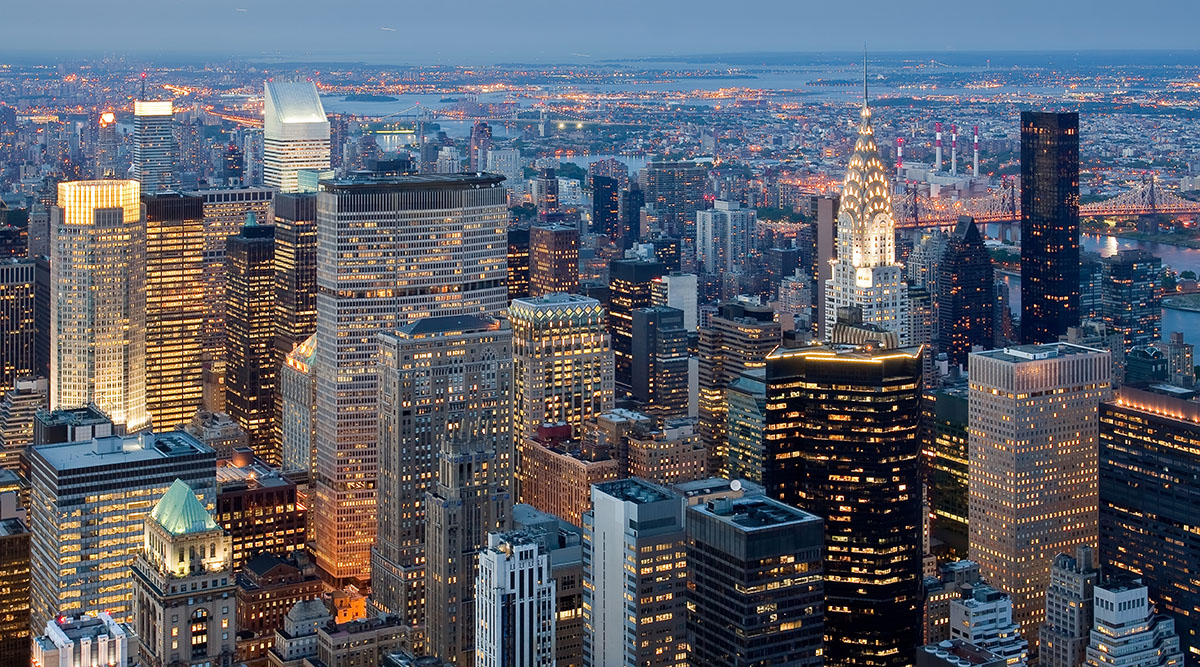
New York City may be small in size, but it’s huge in character and energy. With 8 million residents packed into just 830 square kilometers, it’s the most densely populated city in North America. From its earliest days, New York has been a city of immigrants, and today about one-third of its residents are foreign-born. Roughly 138 languages are spoken here, and new cultural and culinary enclaves continue to emerge, making the city a living mosaic of global traditions. While the city pulses with the energy of its newest residents, echoes of old New York remain. Opera still resonates from Lincoln Center, Wall Street hums with the tension of the markets, and stately apartments around Central Park recall the grandeur of the city’s Gilded Age. These contrasts are part of what gives New York its unique rhythm. The city is surprisingly walkable, and exploring on foot is often the best way to take it all in. Manhattan’s grid of numbered streets and avenues makes navigation easy, while the neighborhoods of Brooklyn, Queens, the Bronx, and Staten Island each offer their own distinct character. Nightlife thrives nearly every night of the week, and a young, vibrant energy flows through the city’s universities, bars, and music venues. From the historic landmarks to the newest cultural hotspots, New York is a city that never stops surprising.
8.48 million (2025)
US Dollar (USD)
911

9/11 Memorial & Museum
9/11 Memorial & Museum
The 9/11 Memorial & Museum honors the lives lost at the World Trade Center and tells the story of that day through exhibits, artifacts, and personal accounts. Nearby, One World Trade Center rises 1,776 feet, a nod to American independence and now the tallest building in the Western Hemisphere. Visiting both gives a full sense of the history, loss, and resilience tied to the site.

Broadway Shows
Broadway Shows
Broadway is the center of New York’s theatre scene, where long-running musicals, new plays, and performances from top actors draw crowds from around the world. While you’re in the city, try to see a show; it’s an experience unique to New York.

Bronx Zoo
Bronx Zoo
With over 650 different species, this 250-acre zoo, the largest metropolitan zoo in the United States, gives visitors the chance to admire and experience a huge variety of wildlife. Popular exhibits and sections include the Wild Asia Monorail safari, Congo Gorilla Forest, and, of course, everything to do with big cats.

Bryant Park
Bryant Park
Bryant Park is a green space in the heart of Midtown, tucked between Grand Central Station and Times Square. Locals come here to relax, grab a coffee, or join one of the many events held throughout the year, from outdoor concerts to film screenings and theater performances. The New York Public Library sits right on the park’s edge and is also worth a quick visit while you’re in the area.

Carnegie Hall
Carnegie Hall
This world-famous concert venue is a New York City landmark and must-see music attraction. Carnegie Hall presents classical, jazz, folk, world, and popular music with breakthrough and veteran performers. Since its opening in 1891, this concert hall has become the emblem of musical achievement around the globe. It has showcased the world’s finest artists, from Tchaikovsky to Mahler, Horowitz and Callas to Bernstein, and even Judy Garland and the Beatles.

Central Park
Central Park
Central Park is New York’s backyard, a green stretch of calm right in the middle of Manhattan. Spend some time on the Great Lawn, rent a bike, or find a quiet bench by the lake; it’s easy to forget how close the city really is. The park’s surrounded by cultural landmarks too, including the Met on the east side and the Museum of Natural History just across the west side. Summer brings concerts, open-air theater, and plenty of locals just soaking up the sun.

Empire State Building
Empire State Building
The Empire State Building is one of those landmarks that still makes people stop and look up. The real payoff comes from the observatories on the 86th and 102nd floors, where the views stretch across the city in every direction. Try to go close to sunset for a mix of daylight and city lights.

Governors Island
Governors Island
Governors Island feels like a different pace from the city, with open lawns, art, and views of the Statue of Liberty and the harbor. Take the ferry over and wander the Hills for elevated perspectives, slide down Slide Hill, or check out Rachel Whiteread’s permanent installation. Bikes, picnics, and strolling the paths are all part of the experience, and the island is open year‑round with seasonal events and pop-ups.

Biking
Biking
New York is more bike-friendly than you might think, with options for short rides or full-day explorations. The Citi Bike program makes it easy to hop on and off around the city, whether you’re cruising Central Park, Brooklyn Bridge Park, Prospect Park, or the Hudson River Greenway. For a change of pace, Governors Island is car-free and perfect for a relaxed ride. Over on Staten Island, the Franklin D. Roosevelt Boardwalk gives views of the Verrazano-Narrows Bridge, while the Bronx River Path offers a quiet paved trail. In Queens, a ride to the Rockaways lets you enjoy the beach and city skyline along the water.

Boating
Boating
New York is surrounded by water, so there are plenty of ways to get out on it. In Central Park, rent a rowboat at the Loeb Boathouse between April and October and paddle across the lake for a quiet break from the city noise. Over in Queens, Flushing Meadows Corona Park offers paddleboats and open water views, along with plenty of space to relax after exploring the park’s World’s Fair landmarks. If you’d rather be by the ocean, head to Midland or South Beach on Staten Island for canoeing, kayaking, or just a swim and some sun.

Botanical Gardens
Botanical Gardens
New York City has a few botanical gardens that are worth a visit when you need a break from the city. In Queens, the Queens Botanical Garden in Flushing offers themed areas like the Bee Garden and Fragrance Walk across 39 acres of green space. On Staten Island, the New York Chinese Scholar’s Garden inside Snug Harbor has koi ponds, curved bridges, and quiet corners inspired by traditional Chinese design. In the Bronx, the New York Botanical Garden is the biggest of them all, with more than 250 acres, a tram tour, and seasonal exhibits. In Brooklyn, the Botanic Garden is best in spring, when the cherry blossoms reach full bloom during Sakura Matsuri.

Bridge Crossing
Bridge Crossing
Walking New York’s bridges offers a different view of the city. The Brooklyn Bridge is the classic choice: cars and trucks buzz below while you take in skyline views and the East River. Crossing from Manhattan into Brooklyn, you can spend a few hours wandering around Brooklyn Bridge Park, with its playgrounds, bike paths, and even a small beach. For something quieter, head to Central Park and stroll across Gapstow or Bow Bridge for some of the park’s best views and photo spots.

City Parks
City Parks
A picnic in one of New York City’s parks is practically a rite of passage for all New Yorkers. When the weather is nice, head to the Great Lawn in Central Park. Dotted with sunbathers, picnickers, and families, this iconic green space is Manhattan’s own version of the great outdoors, complete with a backdrop of gleaming skyscrapers. Farther downtown on a scenic stretch of elevated railway, the High Line in Manhattan is a popular pedestrian park with casual cafés and fantastic views of the city. Over in Brooklyn, plan for an afternoon barbecue at Prospect Park, visiting the zoo and the Audubon Center while you’re there.

Ice Skating
Ice Skating
When winter hits, ice skating is one of the best ways to enjoy New York outdoors. The rink at Rockefeller Center is the classic spot, open from October to April and always busy with visitors taking a spin under the city lights. In Central Park, Wollman Rink and Lasker Rink both offer rentals and lessons through the colder months. Over in Brooklyn, the LeFrak Center at Lakeside in Prospect Park has two rinks for skating, hockey, and broomball, plus a café nearby to warm up afterward.

Kayaking
Kayaking
Water’s never far in New York, and kayaking is one of the best ways to see the city from a different angle. On Staten Island, Kayak Staten Island at South Beach offers free public sessions on select summer weekends, perfect for beginners. In Brooklyn, the Brooklyn Bridge Park Boathouse runs a free kayaking program from June through August, with sessions on weekends and weekday evenings. Over in Queens, the Long Island City Community Boathouse hosts walk-up kayaking on select weekend afternoons at Hallett's Cove. Most sessions last about 20 minutes, and all gear is provided.

Running
Running
New York has plenty of options for runners of all levels. Van Cortlandt Park in the Bronx has wooded trails and a track that are especially scenic in the fall when the leaves change. Central Park’s Reservoir Loop offers 2.5 kilometers of soft-surface running with skyline views and is popular with local joggers. For something a bit off the beaten path, Roosevelt Island sits between Manhattan and Queens. You can reach it via the aerial tram over the East River, then follow paved trails past landmarks like the Gothic-revival North Point Lighthouse at the northern tip.

Arturo's Coal Oven Pizza
Arturo's Coal Oven Pizza
Want a New York City pizza experience to remember? Order a coal-oven baked pie at Arturo’s and enjoy the kitschy vibe of the restaurant, along with a fantastic bar and live jazz. This Greenwich Village staple has been around for over 60 years.

Atomix
Atomix
Atomix is a Korean restaurant offering a creative 10-course chef’s tasting menu in a refined, minimalist setting. Each dish highlights regional flavors and is served with attention to detail, often accompanied by a short note explaining its inspiration. The horseshoe-shaped counter puts diners close to the kitchen, letting you watch the chefs at work.

Chinatown
Chinatown
Chinatown is one of New York’s best bets for food. In this traditional and colorful neighborhood, you'll find hundreds of places packed into a few blocks, so the best approach is to wander and follow the crowds or the smell of fresh dumplings. Try a classic banquet hall for dim sum, grab a quick bowl of noodles at a small counter, or stop by a bakery for sweet buns and bubble tea. The secret is to come hungry and not rush it.

Emma's Torch
Emma's Torch
Emma’s Torch serves seasonal American food with global influences, all prepared by chefs in training through its culinary program for refugees and asylees. The menu changes often and there's a garden seating when the weather’s nice. Eating at Emma's Torch feels good in every sense, not only you get to enjoy a tasty meal but you also get to help New York's community.

Grand Central Oyster Bar
Grand Central Oyster Bar
Grand Central Oyster Bar sits beneath the iconic vaulted arches of Grand Central Terminal, where the rush of commuters forms a constant backdrop. The menu focuses on fresh seafood, with raw oysters, pan roasts, and chowders as staples. You can grab a seat at the bar for a more social experience or settle into the dining room to watch the terminal’s bustling energy while enjoying your meal.

Indochine
Indochine
Indochine is a SoHo staple serving French-Vietnamese dishes in a setting of low light, palm fronds, and vintage 1980s flair. The menu includes classics like crab-stuffed avocado and lemongrass chicken, with a daily pre-theater option for those heading to nearby shows.

Junoon
Junoon
Junoon brings Indian fine dining into the modern era without losing its roots. The menu draws from regional Indian flavors: smoky tandoor dishes, layered curries, and clever seasonal plates all served in a cozy and polished setting.

Keens Steakhouse
Keens Steakhouse
Keens Steakhouse is one of Midtown’s true classics, a place that feels like stepping back into old New York. Open since the late 1800s, it once drew actors from the nearby Garrick Theater who’d rush over between acts for a quick bite. The menu hasn’t strayed far from its roots: huge, perfectly cooked steaks and the house specialty, a thick-cut mutton chop that regulars swear by. The dark wood-paneled rooms and low ceilings lined with vintage clay pipes make it feel cozy and a little grand at the same time. It’s the kind of spot that’s worth planning ahead for, especially at dinner.

2nd Ave Deli
2nd Ave Deli
2nd Ave Deli is a classic New York institution serving traditional Jewish comfort food with no shortcuts. Try the matzo ball soup that locals swear by, grab a corned beef or pastrami sandwich, and finish with a slice of rugelach or a black-and-white cookie. It’s the kind of place where the portions are generous and the flavors taste like they’ve been perfected over generations.

Abraço Espresso
Abraço Espresso
Abraço Espresso is a small East Village counter-serve café known for strong espresso and pastries made from fresh, local ingredients. The olive oil cake is a favorite, and the rest of the pastry menu is just as carefully curated. The café is tiny and can get crowded, especially in the morning, so plan for a short wait if you’re stopping by for breakfast or a midday snack.

Caffe Reggio
Caffe Reggio
Founded in 1927 by Domenico Parisi, the first to introduce Italian cappuccino to America, Caffe Reggio is the oldest and most historic café in New York. You can still see the original machine after you enter from the bright green facade. Pastries like sfogliatelle and cannoli can be coupled with your cup of coffee, while you enjoy the paintings that decorate the walls, one of them made by an artist of the school of Caravaggio.

Junior's Restaurant & Bakery
Junior's Restaurant & Bakery
Junior’s Restaurant & Bakery is a classic Brooklyn diner‑bakery best known for its thick, creamy New York‑style cheesecake made on a sponge‑cake crust. Go ahead and grab a slice (or maybe two) and see what all the fuss is about.

Katz’s Deli
Katz’s Deli
Katz’s Deli has been slicing up thick, hand-carved pastrami on the Lower East Side since 1888, making it one of New York’s oldest and most iconic delis. Stop by for a pastrami sandwich stacked so high it barely fits in your hands, grab a pickle on the side, and soak in the old-school chaos that makes this place a true New York experience.

Little Italy
Little Italy
Little Italy still holds pockets of old‑school Italian flavor, even as Chinatown has expanded into much of the neighborhood. Mulberry and Mott Streets have several cafés where you can grab a smooth espresso, a fresh cannoli, and take a short break while soaking in the street’s Italian character.

Little Owl
Little Owl
Little Owl is like the name suggests: compact, yet romantic and cozy, serving Mediterranean-inspired dishes like gravy meatball sliders and spiced sugar beignets. You might recognize the building from the famous TV show "Friends," which makes it a popular photo stop too.

Mile End Delicatessen
Mile End Delicatessen
Mile End Delicatessen is a Brooklyn institution famous for its Montreal-style smoked meat sandwiches and Canadian comfort food with a twist. Forget the calories and order the Ruth Wilensky, a seared beef salami sandwich, or a classic poutine loaded with fries, cheese curds, and gravy.

Avant Gardner
Avant Gardner
Step into the pulsating heart of New York City's nightlife at Avant Gardner, a sprawling indoor-outdoor events complex nestled in East Williamsburg, Brooklyn. Formerly a warehouse turned rave haven, Avant Gardner hosts some of the most renowned DJs and electronic dance music artists. From the open-air Brooklyn Mirage during the summer months to the year-round allure of the Great Hall and Kings Hall, this music venue leaves nothing to be desired.

Brooklyn Brewery
Brooklyn Brewery
Brooklyn Brewery helped kickstart the borough’s craft beer scene and still draws a steady crowd to its Williamsburg taproom. The lineup usually includes house favorites like Local 1 and several seasonal or experimental brews. Weekend tours are short, free, and a fun way to see where it all started before grabbing a pint in the tasting room.

Elsewhere
Elsewhere
Elsewhere is a colossal live music venue in Brooklyn that has been a cornerstone of New York City's nightlife for years. Split into three main rooms (and during the summer, The Rooftop), Elsewhere offers an eclectic array of music and atmospheres to suit every taste; from intimate sets by underground DJs to electrifying performances by A-listers. Remember to secure your ticket in advance through their website and Instagram page.

SOB’s
SOB’s
SOB’s, aka "Sounds of Brazil," is a live music venue in SoHo that aims to introduce guests to (and supply old-timers with ever-increasing servings of) music other than tired pop hits, which ranges from hip-hop to Brazilian, Caribbean, Haitian, and Latin music, as well as tunes from all across the world.

The Bowery Ballroom
The Bowery Ballroom
The Bowery Ballroom is a historic venue in the Lower East Side that hosts a mix of up-and-coming bands and established acts. The space is intimate, so you feel closer to the stage than in a typical arena, and the balcony offers a great view if you want to step back.

The DL
The DL
The DL is a three-story venue on the Lower East Side with a restaurant on the ground floor, a lounge on the second, and a rooftop bar with skyline views on top. The rooftop has a retractable roof, so it works even if the weather isn’t perfect, and the crowd tends to pick up in the evenings and on weekends. Dress neat and plan ahead if you want a spot on the rooftop.

The Long Island Bar
The Long Island Bar
Originally established in 1951 as a humble haunt for dockworkers, the Long Island Bar is a Brooklyn landmark steeped in history and nostalgia. After being closed for seven years, this iconic spot underwent a remarkable revival by legendary bartender Toby Cecchini (creator of the Cosmopolitan) and partner Joel Tompkins, who have preserved its Art Deco charm and vintage floral wallpaper. Come here to sip on expertly crafted cocktails, each as smooth as they are flavorful, while indulging in local favorites like the updated Reuben sandwich or the Long Island burger with a bacon wheel.

8th Street and St. Mark's Place
8th Street and St. Mark's Place
Right where Greenwich Village meets the East Village, 8th Street and St. Mark’s Place make for an easy, low-key shopping wander. The stretch is dotted with independent boutiques, vintage spots, and small jewelry shops. It’s a good area to pick up an accessory or a new outfit without spending half your budget in one go.

B&H Photo Video
B&H Photo Video
B&H Photo Video in Midtown Manhattan is a landmark for anyone shopping for cameras, lenses, audio gear, and other tech. The store serves both professionals and hobbyists, with new and used equipment across multiple floors. Hours are limited on Fridays, and it’s closed all day Saturday for Shabbat, so plan accordingly.

Bergdorf Goodman
Bergdorf Goodman
Bergdorf Goodman on Fifth Avenue is a landmark for luxury shopping in New York. Beyond high-end designer clothing and accessories, the store often features emerging designers and exclusive collections you won’t find anywhere else.

Bloomingdale's
Bloomingdale's
Bloomingdale’s on Lexington Avenue is an Art Deco landmark and one of New York’s most famous department stores. From designer labels to more accessible mid-range brands, it offers a wide range of apparel, accessories, cosmetics, and home goods. Whether you’re hunting for a special gift or just browsing, there’s almost always something worth slipping into “the little brown bag.”

Century 21 NYC
Century 21 NYC
Century 21’s flagship returned to Lower Manhattan after its long closure, and it’s once again a go-to stop for bargain hunters, offering designer clothing, shoes, bags, and accessories at steep discounts. New shipments come in often, so the racks change fast, and it’s easy to walk out with something you didn’t even plan on buying.

Chinatown/Canal Street
Chinatown/Canal Street
Canal Street and the surrounding Chinatown are full of street stalls and small shops offering everything from handbags and shoes to watches and perfumes. Bargaining is part of the experience, and wandering beyond the main drag often leads to unusual finds you won’t see anywhere else.

Erie Basin
Erie Basin
Erie Basin specializes in antique and vintage jewelry, with pieces you won’t find anywhere else. The collection ranges from 1920s emeralds to Victorian-era rings and delicate diamond designs. Browsing this store feels like a treasure hunt; you never know what unique find might catch your eye.

Lower East Side/St. Marks Ave
Lower East Side/St. Marks Ave
St. Marks Avenue and the surrounding Lower East Side are full of independent boutiques and vintage shops, each with its own distinct style. Beyond clothes and accessories, you’ll find trendy spots for haircuts, coffee, and small bites.

Best Time to Visit
Best Time to Visit
The best time to visit New York City is from late spring to early fall. During this period, the city awakens to a symphony of events, from outdoor concerts and festivals to cultural exhibitions and Broadway shows, ensuring there is never a dull moment. On top of that, the weather is pleasantly mild, which makes it perfect for exploring iconic landmarks like the Statue of Liberty and Central Park. However, if you are seeking a quieter experience with more affordable lodging, consider visiting The Big Apple in the shoulder seasons of spring or fall when crowds thin, and accommodation prices dip slightly. Ultimately, the best time to visit New York City depends on your preferences, but whenever you choose to go, the city promises an unforgettable adventure.

Passport/Visa
Passport/Visa
Citizens of Schengen Area countries, along with Andorra, Australia, Brunei, Canada, Ireland, Japan, Monaco, New Zealand, San Marino, Singapore, South Korea, Taiwan, and the United Kingdom, can visit the United States for up to 90 days without needing a visa, provided they obtain an approved ESTA (Electronic System for Travel Authorization) before their trip. All other travelers must secure a visa before visiting the U.S. In addition, international travelers must ensure their passport is valid for at least six months beyond their intended stay. For the most current information and any updates on entry requirements, it is advisable to consult the U.S. Department of State website or contact the nearest U.S. embassy or consulate before traveling.

John F. Kennedy International Airport (JFK)
John F. Kennedy International Airport (JFK)
John F. Kennedy International Airport (JFK) is located in Queens, about 24 km from Midtown Manhattan, and depending on traffic, a taxi ride typically takes 45–90 minutes. The most reliable public-transport option is the AirTrain, which connects all terminals to Jamaica and Howard Beach stations. There, you can transfer to the LIRR (Long Island Rail Road) for a faster ride into Manhattan or switch to the subway (lines E, A, J, Z) for a more budget-friendly route. Taxis offer a flat fare (plus tolls and tip), while ride-share services like Uber and Lyft drop off and pick up from designated areas.

LaGuardia Airport (LGA)
LaGuardia Airport (LGA)
LaGuardia Airport (LGA) is the closest airport to Manhattan, located about 13 km from Midtown, with travel times typically ranging from 20 to 40 minutes depending on traffic. Travelers have several reliable ways to reach the city: taxis and ride-share services are available curbside at all terminals; the free Q70 LaGuardia Link bus connects directly to the subway and LIRR at Jackson Heights; and the M60 SBS provides service to Manhattan along 125th Street.

Newark Liberty International Airport (EWR)
Newark Liberty International Airport (EWR)
Newark Liberty International Airport (EWR) is located in New Jersey, about 24 km from Midtown Manhattan. In light traffic, a taxi ride to the city typically takes 35-60 minutes. For public transit, you can take the free AirTrain to the Newark Airport train station, then catch an NJ TRANSIT train to Penn Station, the primary rail gateway for NJ–NYC commuters.. If you prefer to take the bus, the Newark Airport Express runs from the airport to Grand Central, Bryant Park, and the Port Authority Bus Terminal, with a journey time of approximately one hour, depending on traffic.

Public Transport
Public Transport
Public transport is one of the easiest and most efficient ways for visitors to get around New York City. The system is operated mainly by the Metropolitan Transportation Authority (MTA) and includes subways, buses, ferries, and even a few trams. The subway is the backbone of the network, running 24/7 on most lines and covering Manhattan as well as Brooklyn, Queens, and the Bronx. Buses provide connections along routes that the subway doesn’t reach, including east–west travel and local neighborhoods. For a more scenic journey, the NYC Ferry and Staten Island Ferry offer convenient water crossings, while the Roosevelt Island Tram provides a unique view of the East River. For tourists, the subway is often the fastest and most budget-friendly way to explore the city. It's also a great chance to see New Yorkers in action and experience the city like a local. Clear signage, maps, and announcements make navigation manageable even for first-time riders, though apps like MTA Subway Time or Google Maps are useful for real-time updates and planning. Payment is easy with the OMNY contactless system, which accepts mobile wallets, contactless credit or debit cards, and OMNY cards. It’s important to use the same device or card for each trip to ensure proper fare tracking.

Taxi
Taxi
Taxis are readily available throughout the city. You can hail a yellow cab on almost any street corner. Keep in mind that there are nighttime and rush hour surcharges, and remember to leave a tip. Also, Manhattan has very long streets and avenues, so it’s important to know both the address and the cross street of your destination. A taxi is vacant if the yellow light on top of the car is completely lit. Ride-sharing services like Uber, Lyft, Curb, and Myle offer convenient alternatives, especially late at night or in areas with limited public transportation options.

Electricity
Electricity
US standard voltage is 110-115V, and the standard frequency is 60Hz. The sockets and the power plugs are of type A and B. Type A plugs have two flat parallel pins, while Type B plugs have two flat parallel pins plus a grounding pin.
New York City is home to iconic attractions such as the Statue of Liberty, Central Park, Times Square, the Empire State Building, and the Metropolitan Museum of Art. Each offers a unique glimpse into the city's culture and history.
The best times to visit New York City are in the spring (April to June) and fall (September to November) when the weather is pleasant, and the city is vibrant with events and beautiful foliage.
The New York City subway is the most efficient way to get around, with extensive coverage and frequent service. Taxis, rideshares, and buses are also widely available, and walking is a great way to explore neighborhoods.
Be sure to try New York-style pizza, bagels, and hot dogs. For a more upscale experience, sample dishes at one of the city's many world-renowned restaurants offering diverse cuisines.
A first-time visitor should plan to spend at least four to five days in New York City to explore the major attractions, experience the diverse neighborhoods, and enjoy some leisure time.
Consider staying in neighborhoods like Midtown for proximity to major attractions, the Upper West Side for a more residential feel, or Williamsburg in Brooklyn for a trendy, artistic vibe.
Yes, consider visiting the nearby destinations such as the Hudson Valley for scenic views and wineries, Long Island for beaches, or the historical sites of Philadelphia, which is a short train ride away.
:no_upscale()/LocalImage/PictureLibrary/U.S.A/New%20York/New%20York%20City/times-square-2835995.jpg)
:no_upscale()/LocalImage/PictureLibrary/U.S.A/New%20York/New%20York%20City/lincoln-center-582936.jpg)
:no_upscale()/LocalImage/PictureLibrary/U.S.A/New%20York/New%20York%20City/Christmas%20in%20NYC/shutterstock_1418089289.jpg)

Let’s plan your next vacation
Let us take care of all the details to create the perfect trip for you. With our expertise and personalized service, we will ensure that every moment of your trip is special and unforgettable. Get ready to embark on a dream adventure!