
Details for Ngorongoro Conservation Area
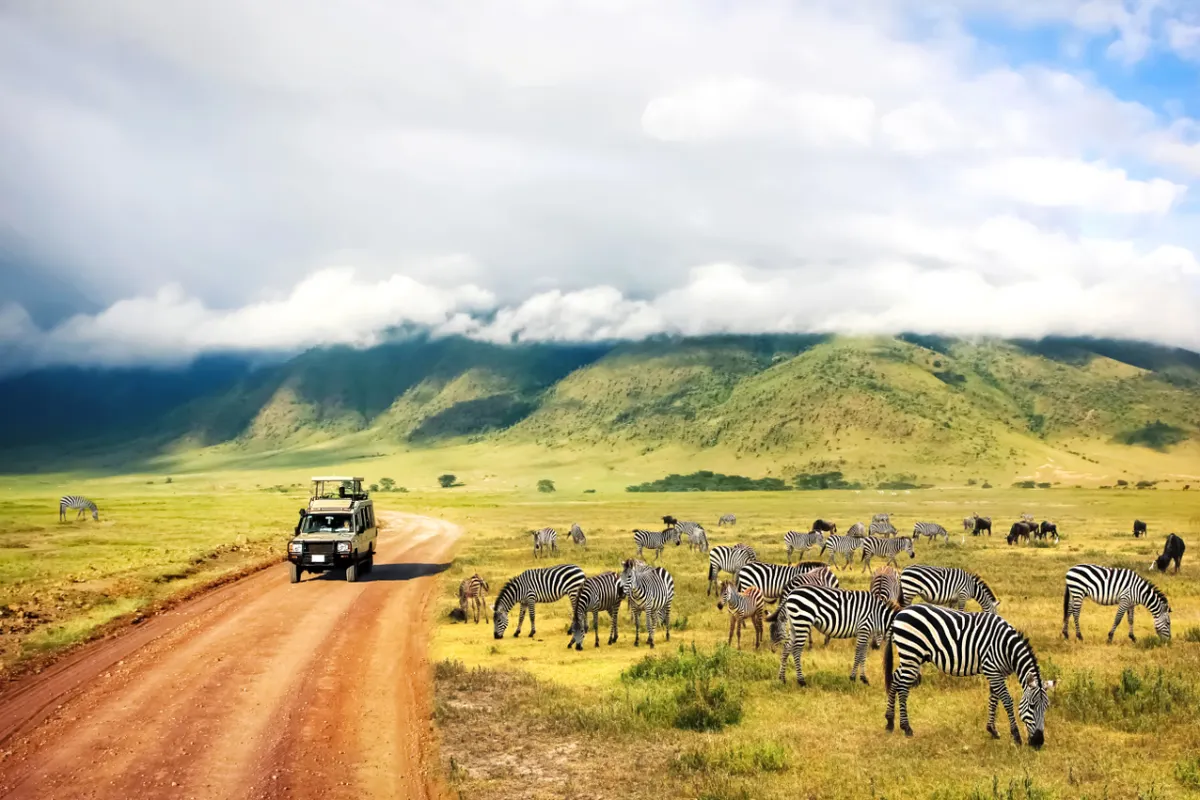
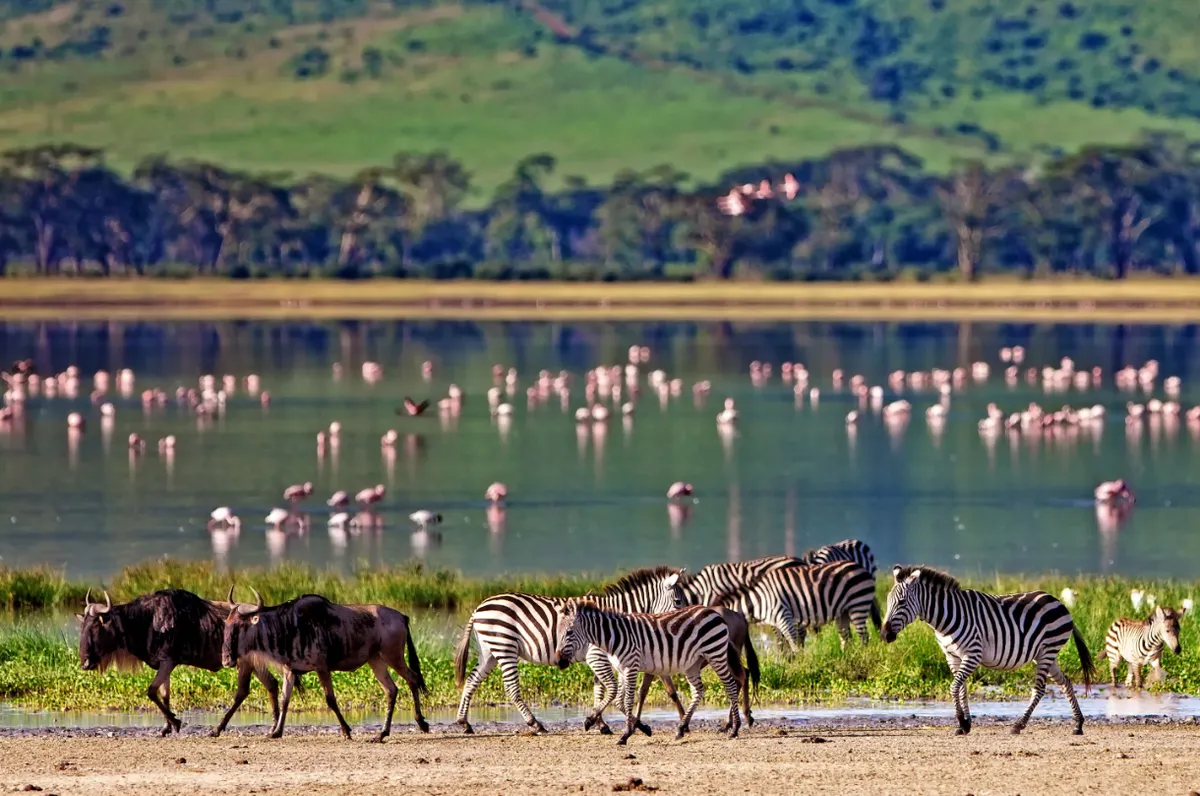
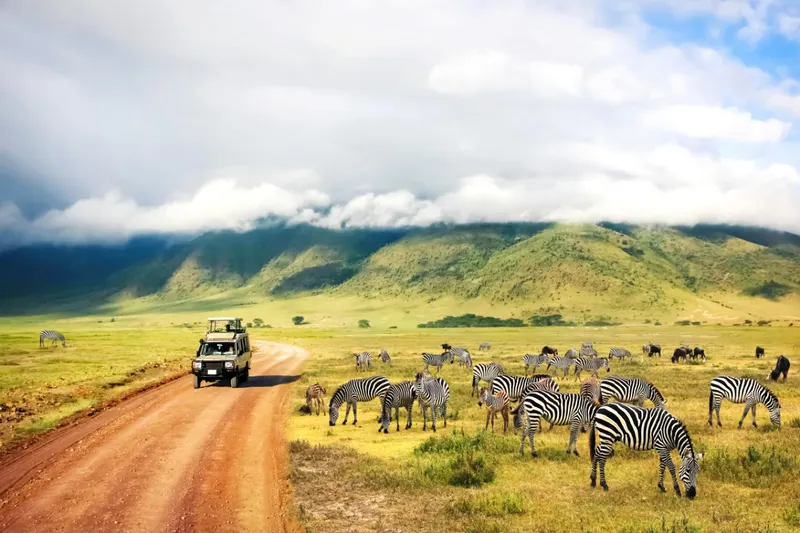
Step into the Ngorongoro Conservation Area, a UNESCO World Heritage Site where wildlife, culture, and history converge. At the heart of this vast wilderness lies the iconic Ngorongoro Crater, a breathtaking volcanic caldera teeming with lions, elephants, rhinos, and an array of other wildlife. Known as the "Eighth Wonder of the World," the crater offers unmatched game viewing in a stunning setting of lush grasslands, acacia forests, and soda lakes.
Beyond the crater, the conservation area is home to the Maasai people, who coexist harmoniously with the wildlife. Explore Olduvai Gorge, one of the most important paleoanthropological sites in the world, and immerse yourself in the rich history of early human life.
Perfect for adventure seekers and nature enthusiasts, Ngorongoro Conservation Area offers a glimpse into the past while surrounding you with unparalleled natural beauty and thriving biodiversity.

The best time to visit the Ngorongoro Conservation Area is during the dry season, from June to October. During these months, wildlife is easier to spot as animals gather around water sources, and the weather is generally pleasant with less rain. The Great Migration can also be observed in the nearby Serengeti during this period.
A stay of 2 to 3 days is ideal for exploring the Ngorongoro Conservation Area. This allows you ample time to descend into the Ngorongoro Crater for a safari, visit the Olduvai Gorge, and explore the surrounding highlands and Maasai villages. Each of these experiences offers a unique perspective on the area's rich biodiversity and cultural heritage.
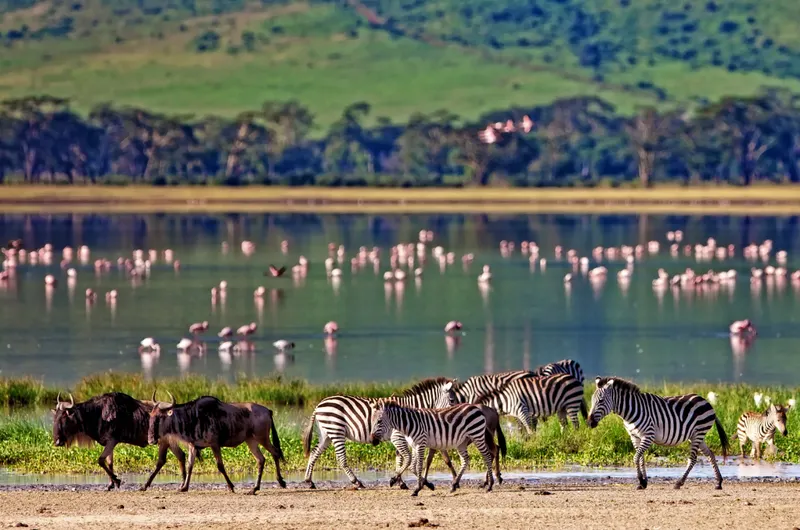
The Ngorongoro Conservation Area is home to a diverse range of wildlife, including the Big Five: lions, elephants, rhinos, leopards, and buffalo. The Ngorongoro Crater, in particular, is known for its dense population of wildlife, including zebras, wildebeests, and a variety of bird species. It's one of the best places in Tanzania for wildlife viewing.
Accommodations within the Ngorongoro Conservation Area range from luxury lodges to tented camps. Popular options include the Ngorongoro Crater Lodge, known for its stunning views and opulent design, and the more rustic Rhino Lodge, which offers a cozy and affordable stay. Booking in advance is recommended, especially during peak season.
Most travelers reach the Ngorongoro Conservation Area by flying into Kilimanjaro International Airport or Arusha Airport, followed by a drive of approximately 4 to 5 hours. Alternatively, charter flights are available to the nearby Lake Manyara Airstrip, reducing travel time. Organized tours often include transportation from major cities.
Visitors to the Ngorongoro Conservation Area can engage with the local Maasai community, known for their vibrant culture and traditions. Many tours offer visits to Maasai villages, where travelers can learn about traditional crafts, music, and dance. The Olduvai Gorge, an important archaeological site, also offers insights into early human history.
Travelers should be aware of health considerations such as malaria, which is present in Tanzania. It's advisable to take antimalarial medication and use insect repellent. The high altitude of the Ngorongoro Crater may also affect some visitors, so it's important to stay hydrated and acclimatize gradually. Consult with a healthcare provider before your trip for personalized advice.