

Details for Nice
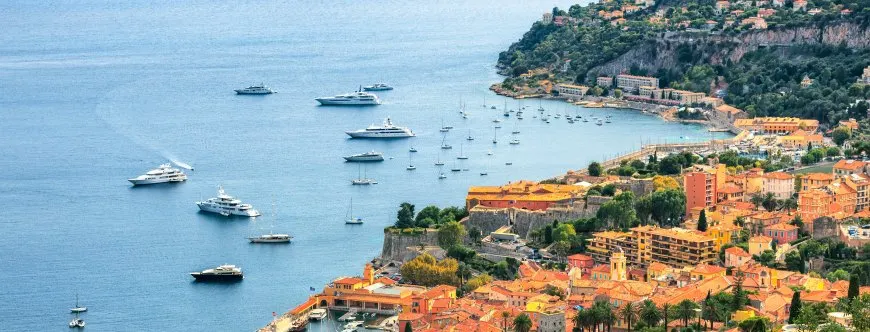


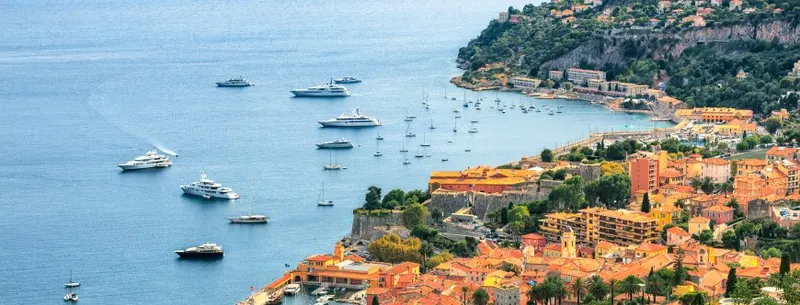
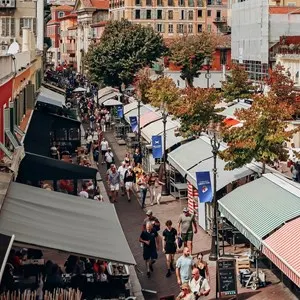
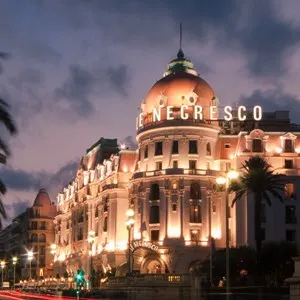
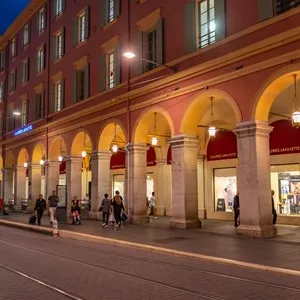
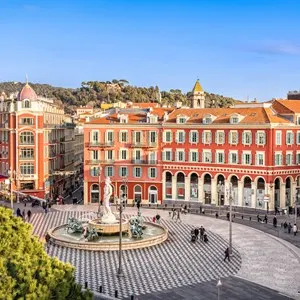
If you arrive in Nice by air, you will get straight into the city’s most beautiful avenue — the Promenade des Anglais — the Mediterranean’s Champs-Elysées. The magnificent seaside promenade runs between the luxury hotels and the beach, all in the shade of the very typical feather duster palms. Roller skaters glide easily between sun chairs, limousines, and beach restaurants. This is Nice’s cosmetic face. The city’s heart is a bit further away — by the Cours Saleya market square. The main artery is la Rue Droite. Stroll around the maze of small streets in the old town, la Vieille Ville, you can wind up into a tiny square here, a tiny alley there, or a cool church beyond it. Are you looking for shopping? You will find the shopping district above Place Masséna, where the big department stores and surrounding streets with names like Rue Paradis and Rue de la Liberté display their shops. Most buses depart from Place Masséna if you want to travel up into the hills above Nice. A number of fairly sleepy and well-heeled suburbs stretch from the Chagall museum to the inescapable Cimiez hills to the north. The hills are a must, both for the Matisse museum and the view or just for a picnic in an olive grove, with or without the summer jazz festival. Eastern Nice is a bit more down-market and needs more local knowledge — apart from the area close to the harbour at Port Olympia. The nightlife there has been given a boost recently, ever since a low-cost cruise ship started to drop anchor at the port in the summer of 2005. To the east lies the billionaires’ playground of Cap Ferrat, the Eagle’s Nest of Eze, and Beaulieu-sur-Mer, which has been there since antiquity. To the west, the road passes world-famous artist’s colonies such as Saint-Paul de Vence.
Nice: 342,669 Cannes: 74,545 Saint-Tropez: 5,600
1 Euro, € = 100 cents
National Emergency: 112
Shops generally are open from 10 am to 5pm Monday to Saturday, and they are closed on Sundays. Banks are open from 10 am to 5:30 pm Monday to Saturday.
















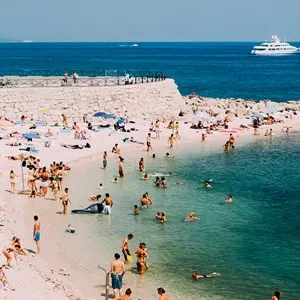





The best time to visit Nice is during the spring (April to June) and fall (September to October) when the weather is pleasantly warm, and the tourist crowds are smaller. These months offer a perfect balance of mild temperatures and fewer visitors, allowing you to enjoy the city's attractions comfortably.
A stay of 3 to 4 days in Nice is ideal to explore the main attractions. This allows you to visit the Promenade des Anglais, the Old Town (Vieux Nice), the Marc Chagall National Museum, and take day trips to nearby destinations like Monaco or the French Riviera.
Must-see attractions in Nice include the Promenade des Anglais, a scenic walkway along the Mediterranean Sea, the vibrant Old Town (Vieux Nice) with its narrow streets and colorful markets, the Castle Hill (Colline du Château) for panoramic views, and the Marc Chagall National Museum showcasing the artist's works.
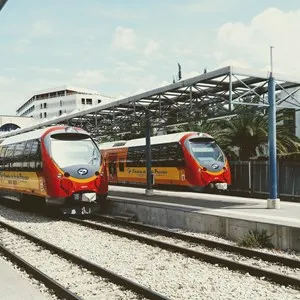
The best way to get around Nice is by using public transportation, such as trams and buses, which are efficient and cover most areas of the city. Walking is also a great option, especially in the compact Old Town. For day trips, consider renting a car or taking the train to nearby destinations.
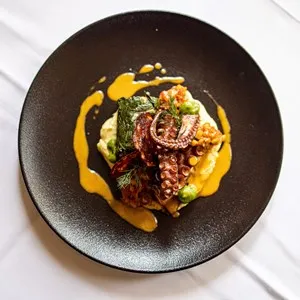
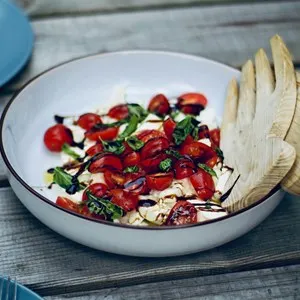
While in Nice, try local dishes such as Socca, a chickpea flour pancake, Salade Niçoise, a salad with tuna, olives, and anchovies, and Ratatouille, a vegetable stew. Don't miss the chance to sample Pissaladière, a savory tart topped with onions, olives, and anchovies.
Yes, the Nice Carnival is a major event held in February, featuring parades, floats, and music. Another notable event is the Nice Jazz Festival in July, which attracts international artists. These festivals offer a vibrant glimpse into the local culture and are worth planning your visit around.
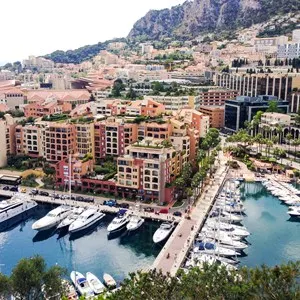
Popular day trips from Nice include visiting Monaco, known for its luxury casinos and the Prince's Palace, and exploring the picturesque village of Èze, perched on a hilltop with stunning views. Another option is Antibes, famous for its old town and the Picasso Museum.