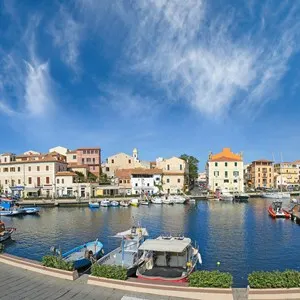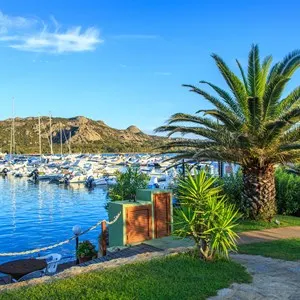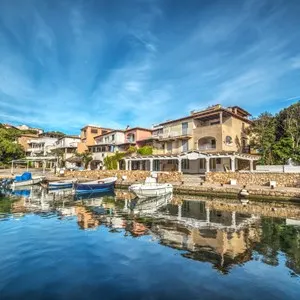






In the region known as Gallura, the Gulf of Olbia is spectacularly backed by an amphitheatre of granite mountains and extraordinary wind-sculpted rock formations. To the south of the city rises the knife-edge of Tavolara Island, towering over the bay. To the north is the glamorous Costa Smeralda and other resorts, all lapped by the same limpid turquoise seas. Inland awaits a different world, going back 30.000 years when the first human settlements were established in Gallura. The area around Arzachena is honeycombed with prehistoric sites, all reminders that this is one of Europe’s oldest islands. Olbia itself often surprises visitors who venture beyond its functional port area. The compact historic centre reveals a genuine Sardinian character, with narrow streets lined with independent shops and traditional enotecas serving local Vermentino wines. Unlike the manufactured glamour of nearby resorts, the city maintains an unpretentious atmosphere where cafe life unfolds in sun-dappled piazzas.
Olbia: 61,000 Province of Gallura North-East Sardinia: 159,098
Euro, €1 = 100 cents
Emergency: 113
Police (Carabinieri): 112
Fire Brigade (Vigili del fuoco): 115
Ambulance (Ambulanza): 118
Shops are usually open 9am–1pm and 4pm–8pm. Larger shops are normally open continuously throughout the day. Shops are open on Sundays at their own discretion.
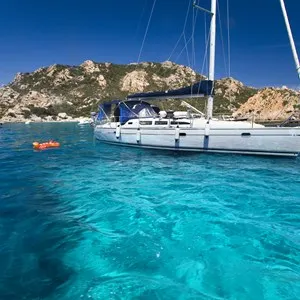
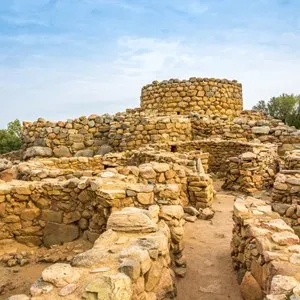
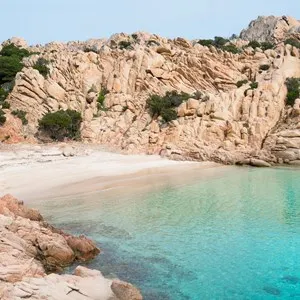
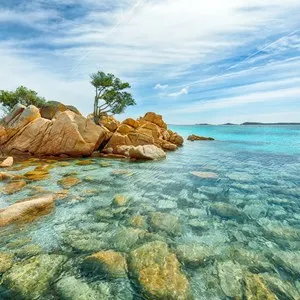
Dreamy islands with Caribbean-blue seas make up this archipelago on the northeast coast, near the Costa Smeralda. Rocks hewn over thousands of years characterise the landscape. The only inhabited island is La Maddalena, linked with a causeway to Garibaldi’s island, Caprera. You can go on a boat trip and see five of the other main islands, including Budelli, which has a glorious pale pink beach called Spiaggia Rosa, and Spargi.

Moving away from the coast you can discover megalithic stone circles in the prehistoric remains honeycombing the woods and fields around Arzachena. The Nuraghe Albucciu, 2 kilometres southeast of Arzachena, is one of Gallura’s best preserved nuraghi. About 4 kilometres south of Arzachena lies Coddu Vecchiu, one of the island’s most complete 'giants’ tombs'. Nearby you can also find another giant's tomb, Tomba dei Giganti di Li Lolghi, and the Li Muri Necropolis. Regarded as Gallura’s finest example, the "Necropoli di Li Muri" is estimated to date back to 3,500 BC.

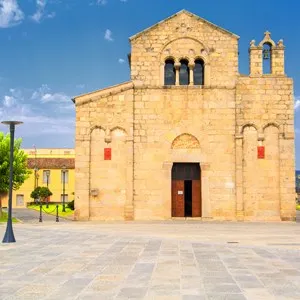
Olbia’s top sight is this medieval Pisan-Romanesque church, hewn out of Galluran granite. In the apse, there are two 13th-century frescoes — the left-hand one depicting San Simplicio, the patron saint of Olbia. The Festa di San Simplicio, Olbia’s biggest festival, is celebrated for three days in mid-May.

A causeway links La Maddalena to the pine-covered, macchia-scented Caprera Island. This is an idyllic spot for walking and cycling, as well as visiting the Garibaldi museum.

Corso Umberto I is one of the main shopping streets in Olbia. Every night from 7pm this street is closed off from traffic and becomes the perfect place for strolling among shops, restaurants and beautiful architecture.

Costa Smeralda lies between Golfo di Cugnana and Golfo di Arzachena, and boasts an extraordinarily beautiful 56-kilometre coastline. This is a real billionaire’s playground, but everyone is welcome to enjoy its spectacular beaches, views and water. There are so many beaches ("spiagge") to choose from on Costa Smeralda, including Spiaggia del Principe, Liscia Ruja and Capriccioli, all famous and fabulous on this dreamy coastline. With warm sands and crystal-clear waters, you're spoiled for choice.

Olbia is the hub for excursions to the northeast and its fabled coast. Buses leave just off the Corso Umberto I in all directions, all within easy reach for just a few euros. The town beach is the Lido del Sole, but far better is the white beach of Pittulongu, located 5 kilometres away, with its dreamy views across to Tavolara Island.

Stroll around this town full of character, cobbled streets and piazzas, and enjoy the decorous passeggiata along the main street, Via Garibaldi. There are also some good restaurants around the squares and pleasant bars in which to linger over a cool drink. The Diocesan Museum is located in the heart of town and has some fascinating exhibits, including two silver candlesticks and a crucifix gifted by Lord Horatio Nelson.

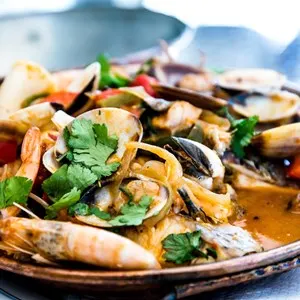
The creative menu, nice decor and friendly service are highly appreciated among guests of this family-run restaurant, which offers Ligurian or Sardinian specialities in a relaxed atmosphere. Dolceacqua is located in the centre of Olbia and serves various types of dishes including meat, pasta and seafood, all with Sardinian influences.

Il Mattacchione describes itself as a 'modern traditional restaurant', because it keeps a strong relationship with the land's culinary legacy and genuine products, while always striving to revisit this tradition and present it in a modern way. Fresh ingredients and high-quality standards are guaranteed in every meal they prepare.

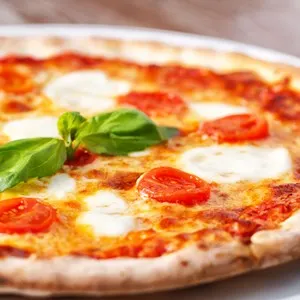
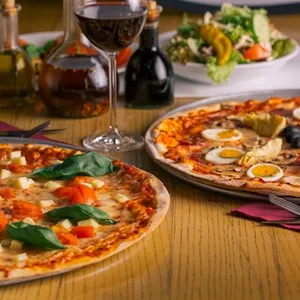
La Lanterna is a small restaurant and pizzeria in the centre of Olbia, almost hiding in plain sight. It doesn't look like much from the outside, but offers excellent dishes made from fresh produce and seafood. The pizzas also come highly recommended.

La Taverna is an atmospheric sea tavern in the centre of Palau, very close to the port. Set menus are available for fishy feasts of freshly-caught delicacies. It is an off-the-beaten-track family restaurant, so expect hearty portions and traditional home cooking.

This restaurant opened in Porto Cervo in 2002, but has now continued its story in Cala di Volpe. Here you can find inexpensive pizzas and good salads as well as fish dishes on offer in the stylish dining room.

Whether you're in the mood for an innovative interpretation of typical Sardinian dishes, an authentic Neapolitan pizza, or some live music and good wine in the outdoor veranda, at Mediterraneo you'll find a cosy atmosphere, genuine ingredients and attentive, friendly staff.

Right next to a park and close to the waterside, this friendly restaurant is truly a favourite among both locals and visitors in Olbia. Ristorante Barbagia serves large and delicious Sardinian dishes, including a whole piglet, pizza, roe, and for dessert — some home-made tiramisu.

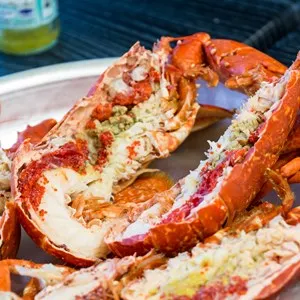
Boasting a privileged location on Tavolara Island, Ristorante Re di Tavolara prepares absolutely wonderful seafood, grilled dishes and typical Sardinian cuisine, all served in style. The dining area is on a vast veranda right on the beach, offering unbeatable views.

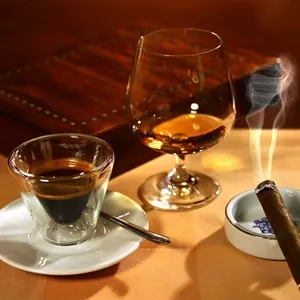
At this café you'll find a wide range of snacks, pastries, food, drinks and ice cream. Choose between tasty drinks and Italian coffee. At night this spot transforms into a sleek bar and specialist tobacconist, selling high-quality cigars and cool drinks.

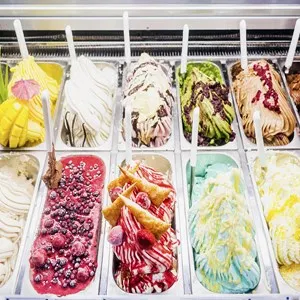
La Pecora Nera is a lovely gelateria with a surprisingly wide selection of creative flavours (the dark chocolate with orange comes highly recommended), as well as toppings, like nuts, cherries, cream, and many more. Vegans and people with lactose intolerance can try the rice milk ice cream.

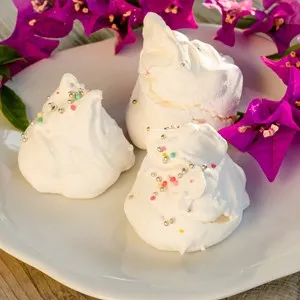
This little ‘pasticceria’ was established in 1963 and specialises in high-quality home-made pastries and cookies. Pasticceria Loi has always been an authority for both locals and tourists when it comes to producing Sardinian sweets.

An outlet for a more alternative crowd, Devil Kiss Rock Club plays music you would be surprised to hear at a regular club. Rock, metal, indie and alternative all make the playlist, and bands perform live regularly.

Il Portico is an infinitely cool and laid-back outdoor bar and restaurant located directly on the Piazzetta at Porto Cervo. The location is unbeatable if you want to watch the yachts coming in to the port while sipping on some exclusive vintage or cocktail.

Lord Nelson is an English-style pub, an example of a more relaxed side to Sardinian nightlife. Beer, cocktails and regular live music set the tone at this laid-back place, much loved by tourists and locals.

Anticas Licanzias is a real gem in the city. It is the perfect little boutique and bistro with homemade Sardinian snacks such as bread, pasta, cheese and sweets. All products are made in-house using only fresh ingredients.

If you're not into restaurants and street-food, then this organic food shop might be just what you are looking for. Bio-Food is also a great spot for buying high-quality oil and other specialities from the region.
Frama Concept is a cutting edge fashion and design store that showcases innovative and daring items ranging from clothes and accessories for both men and women to homeware and decor. They feature some of the best contemporary design that Italy has to offer.

Olbia's Old Town (in Italian, "centro storico") offers a pleasant and memorable shopping experience, housing over 100 boutique shops in its historical buildings, open squares and narrow alleyways, also crowded with restaurants and cafes. Corso Umberto I can be a good starting point for a shopping trip in this area.

Glitzy Porto Cervo is a popular place to go shopping for high fashion and designer brands. Names include top international options like Dolce & Gabbana, Gucci and Versace. You can also find shoes from Italian Tod's, and jewellery and watches from Bulgari, Cartier and Rolex, among others.

Located just 10 minutes away from Olbia, the village of Porto Rotondo is another popular shopping destination, offering brand name clothing, accessories, shoes, jewellery and even furs. Many visitors enjoy the handmade sandals, available in many shops in town.
Profumerie Douglas offers high-quality fragrances, beauty and skin-care products right in the centre of Olbia on Corso Umberto. Here you will find a wide range of different brands, and knowledgeable staff.
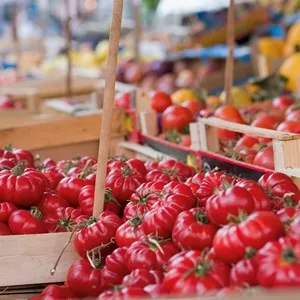
Great weekly markets can be found in different locations throughout Olbia, where craftsmen, farmers and merchants sell their goods. On Saturdays there is a farmers market on Via Sangallo, on Via Belli and Piazza Cascella on Wednesdays, and on Via Milan on Tuesdays.

Sardinia is probably at its best in summer, when it offers beautiful days at the seaside and streets vibrant with events and street performers. July and August are the most popular months to go, and on August 15th huge celebrations are held for the religious festival of Ferragosto, so expect the beaches to be crazy crowded the whole week. June and the first weeks in September will probably be as pleasant, a little bit colder and less packed with people. If you're not a fan of beach life, visiting in April and May can be a great alternative: you won't risk super hot days, you'll enjoy nature, and you'll find some interesting events dedicated to gardening and outdoor activities.

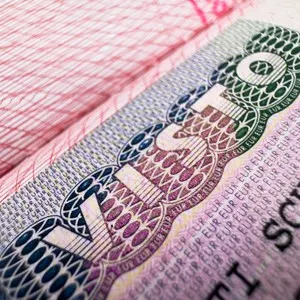
Citizens of European Union (EU) and European Economic Area (EEA) countries do not need a visa to enter Italy, only a valid ID. Many other countries, including the United Kingdom, United States, Canada, United Arab Emirates, Australia, and New Zealand, benefit from visa-free entry for short stays of up to 90 days within a 180-day period. Visitors from visa-exempt countries must hold a valid passport and, starting in late 2025, will need to apply for an ETIAS (European Travel Information and Authorisation System) authorisation online before travelling. For those requiring a visa, such as travellers from some Middle-East, African or Asian nations, a Schengen visa must be obtained prior to arrival. All travellers should ensure their passport is valid for at least three months beyond their intended stay.

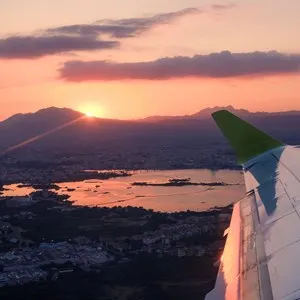
Aeroporto Olbia Costa Smeralda (OLB) is located 5 kilometres southeast of Olbia. The airport buses (numbers 2 and 10) will take you to the city centre and depart approximately every 20–30 minutes. The last departure is at 11:40pm on bus number 10. Tickets are available on board or from the ticket machine in the terminal. The journey takes about 10 minutes. The taxi rank is open 24 hours and can be found in front of the arrivals terminal.

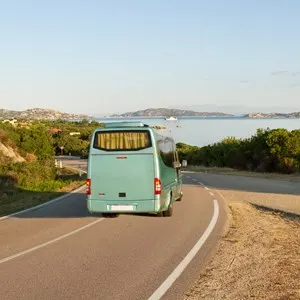
Olbia’s compact centre is easily explored on foot, while renting a car lets you access Sardinia’s secluded beaches and inland treasures. Sardinia has an extensive network of buses that link villages, towns and beaches. The main operator, ARST, has good service covering routes between the major cities.

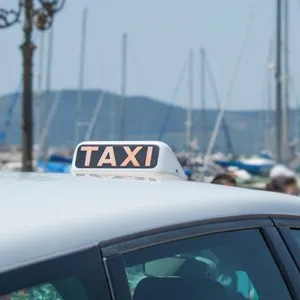
Taxis are generally inexpensive. There are cab ranks in larger towns and villages, and your hotel will book a car for you if needed. The fare should be determined by the meter, and if it isn't — agree on the price in advance. Olbia Taxi service by Christian Pasquetto is a reliable choice.

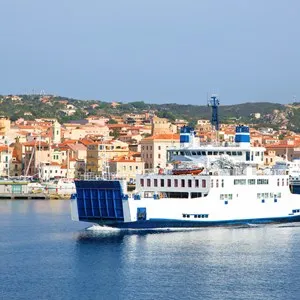
Regular ferries depart from Porto di Olbia for Livorno, Civitavecchia and Genoa. There are regular ferries from Palau to the island of La Maddalena, operated by the Delcomar shipping company (www.delcomar.it). There are also frequent services between Santa Teresa Gallura and Corsica’s Bonifacio, operated by Moby Lines (www.mobylines.it).

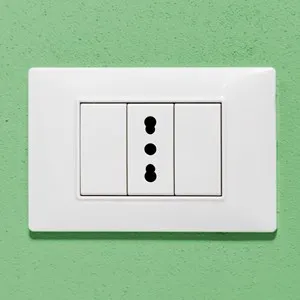
Italy uses the Type F electrical sockets with two round holes, the same as in many countries in Continental Europe. You will also encounter Type L sockets with three round holes arranged in a line. A “universal“ socket, that accepts Type C, E, F and L plugs, is commonly used in Italy. The standard voltage is 230 volts, but some hotels have special plugs for 110 or 120-volt shavers.

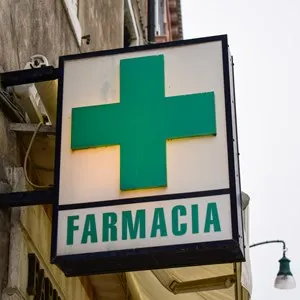
Pharmacies are normally identified by an illuminated green cross. If closed, there is usually a notice on the door with the address of the nearest open Farmacia, day and night.


Let us take care of all the details to create the perfect trip for you. With our expertise and personalized service, we will ensure that every moment of your trip is special and unforgettable. Get ready to embark on a dream adventure!