
Details for Osaka
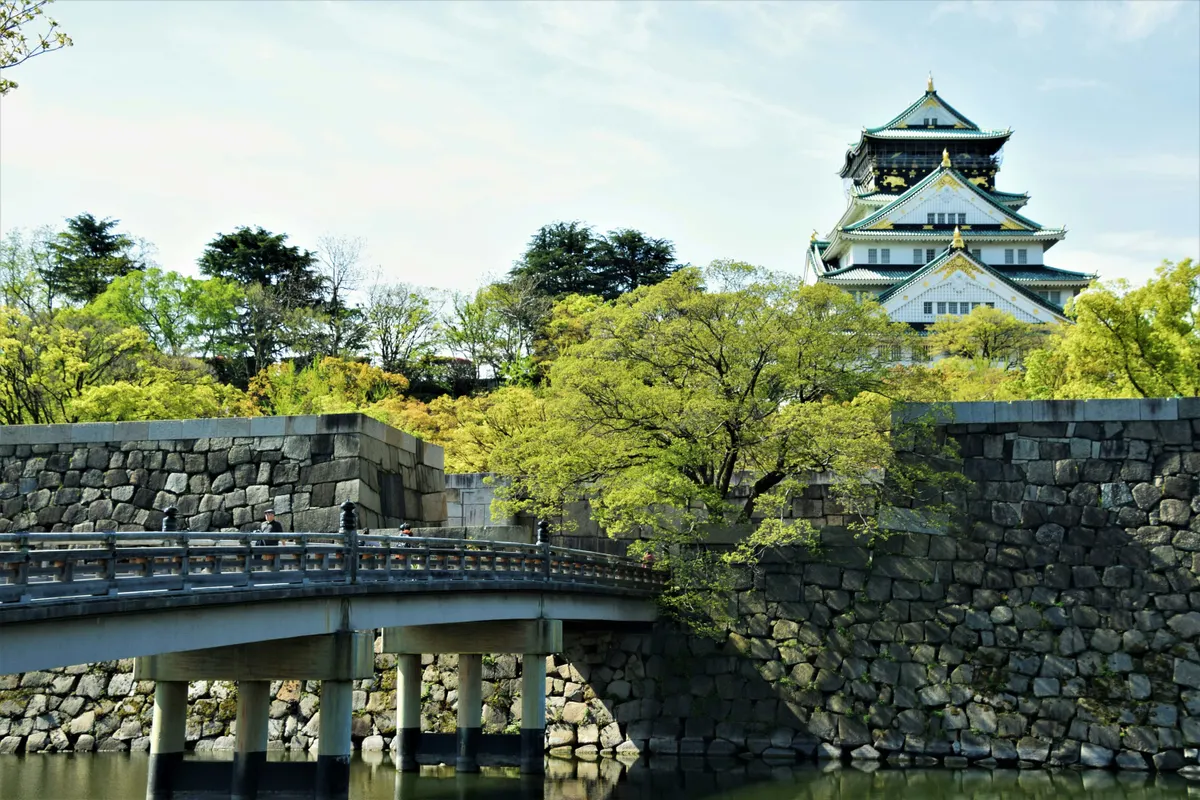
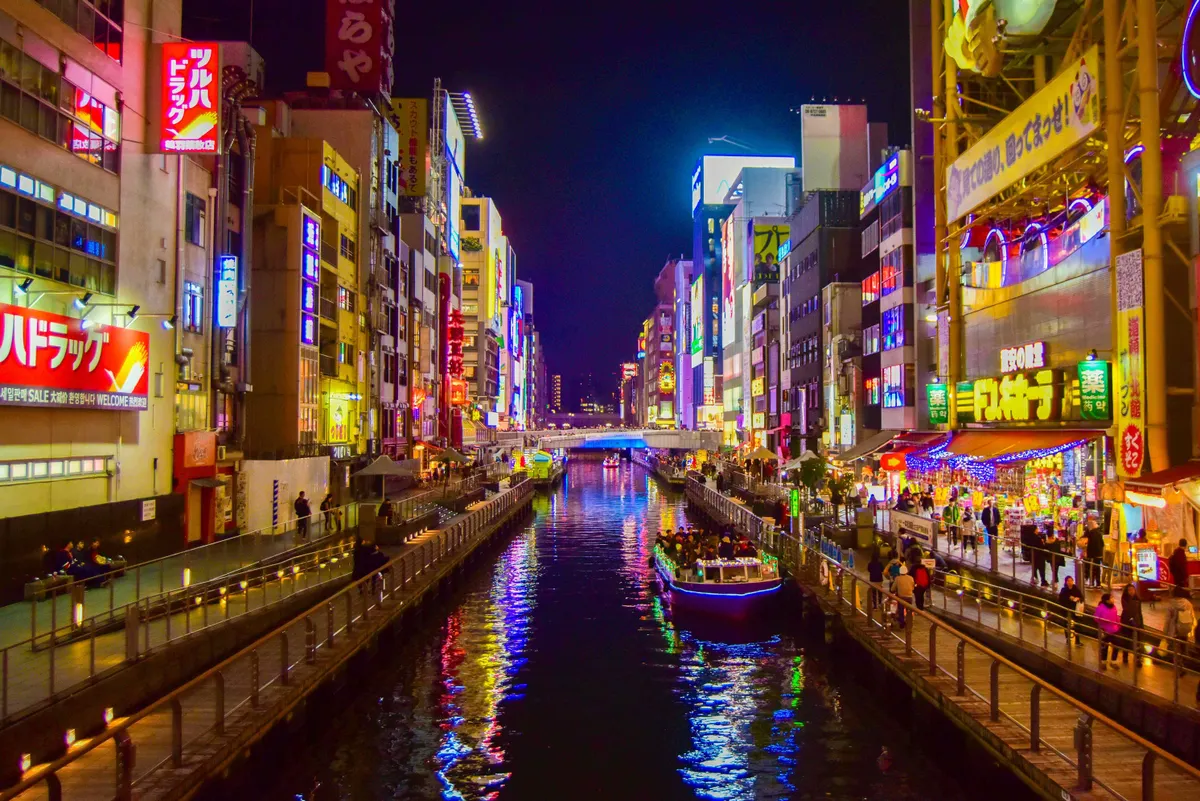
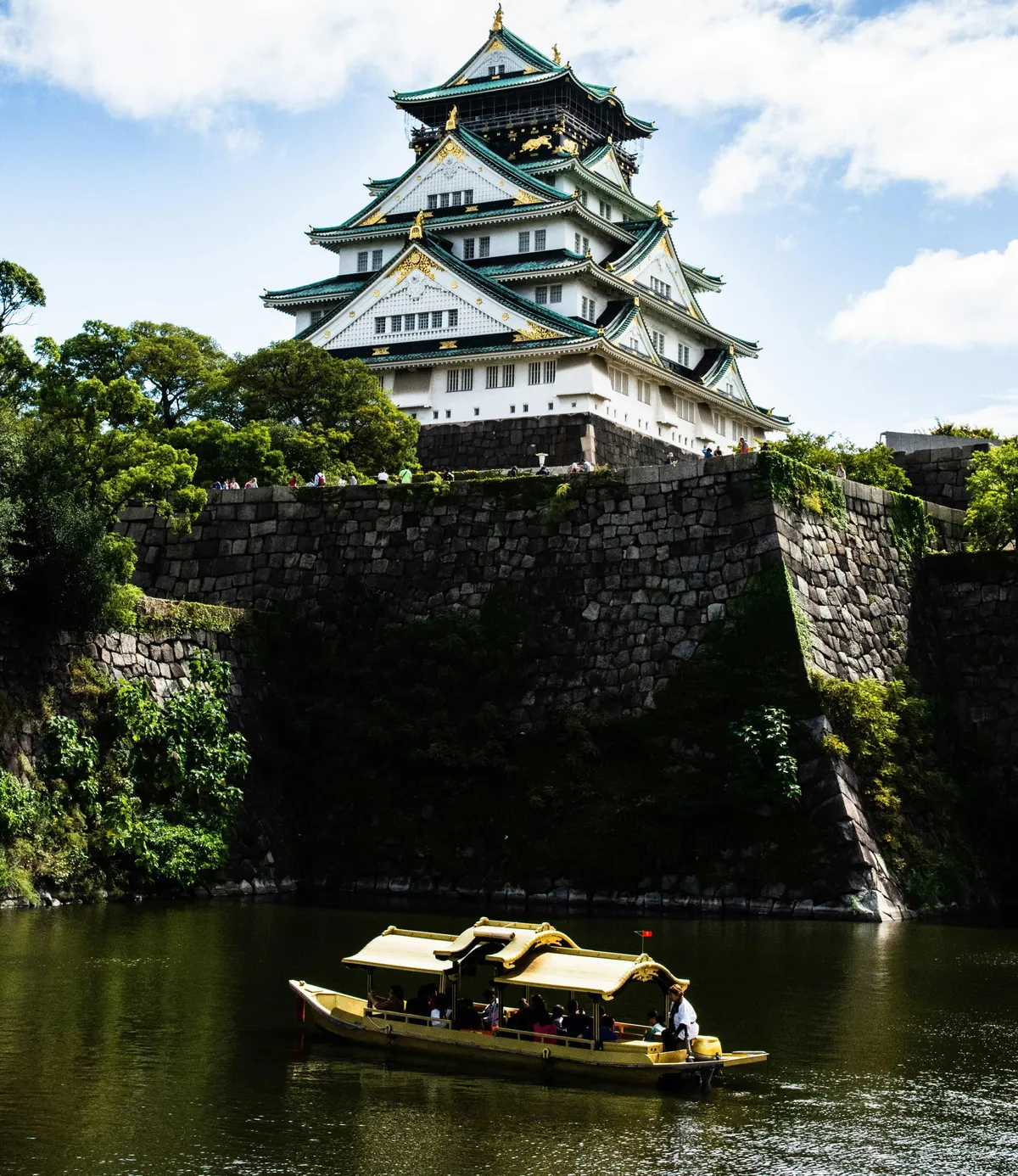

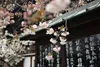
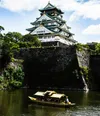



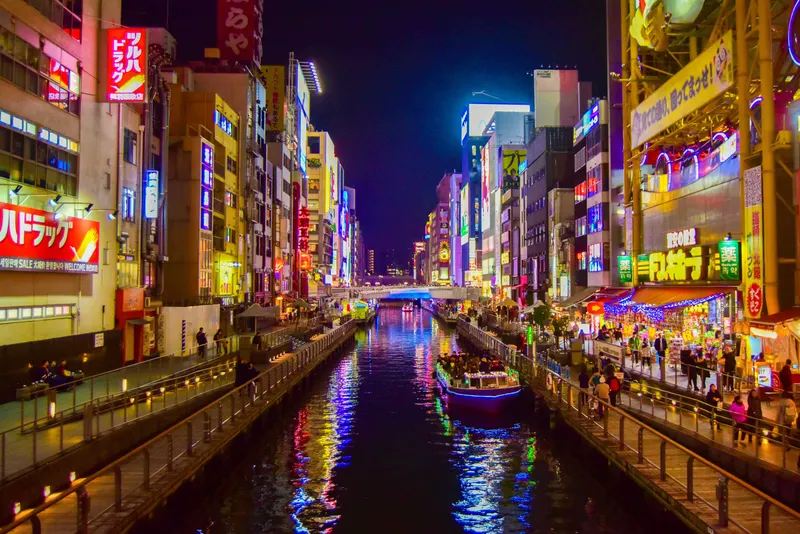
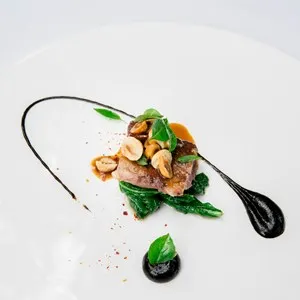
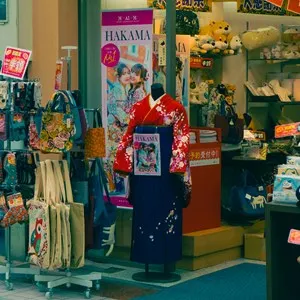
Osaka is predominantly divided into wards which are referred to as 'ku' in Japanese. Kita-ku, located in the North is primarily the business and commercial area. Minami-ku in the south is principally the shopping and entertainment hub of the city. From the outset, Osaka seems like a futuristic city which is in part due to the impressive modern architecture that lines the streets. However, more recently, it has been looking back to its past – now restoring beautiful parks and public areas that showcase a long history of excellence and attention to detail. The people of Osaka are often called “kuidaore,” meaning that they become poor because of their extravagance in eating and drinking. Shopping and eating are certainly the preferred activities here.
City: 2,592,413 (2024) Metropolitan Area: 18,967,000 (2024)
Japanese Yen (JPY)
Ambulance/Fire Brigade: 119
Police: 110
General business hours are from 7.30am to 4.30pm and facilities are usually closed on Sundays. Banks are open from Monday to Friday between 9am and 3pm. Times may vary depending on stores and banks.
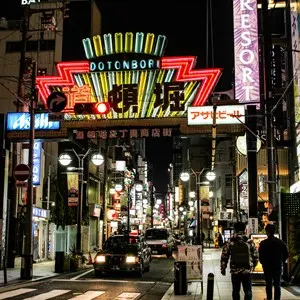
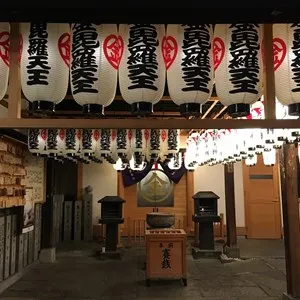

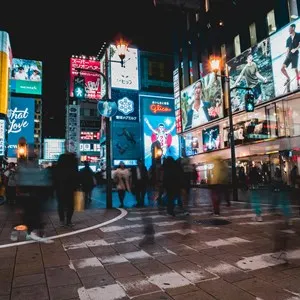

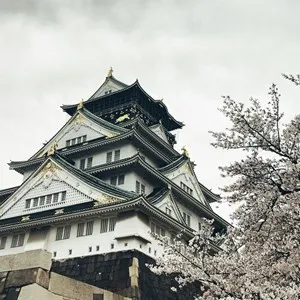

















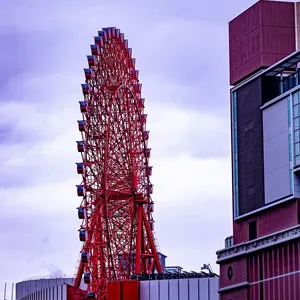

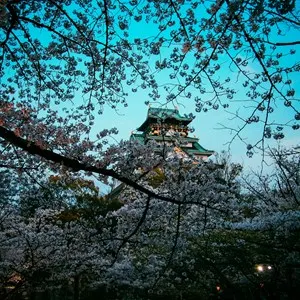
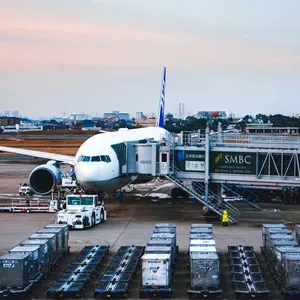




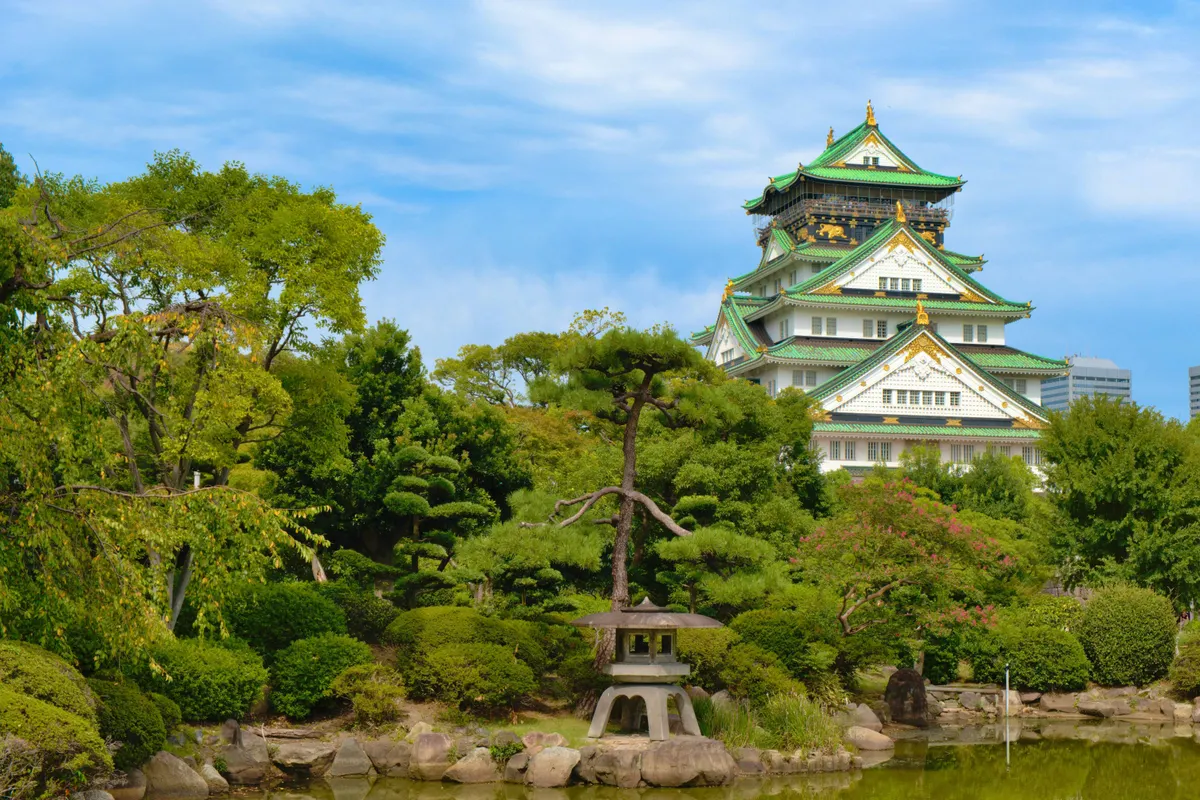
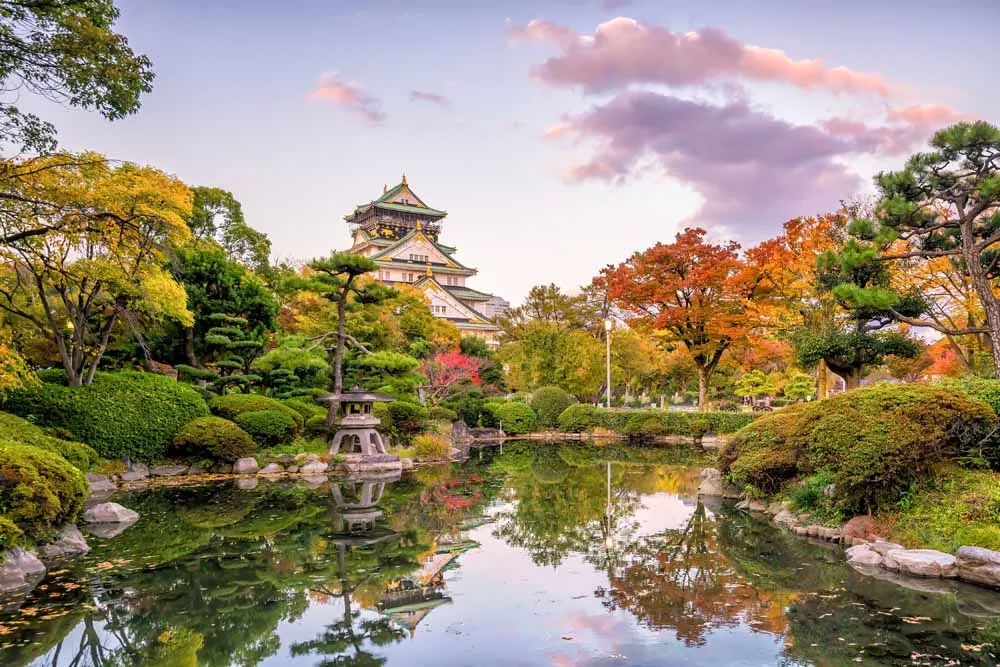
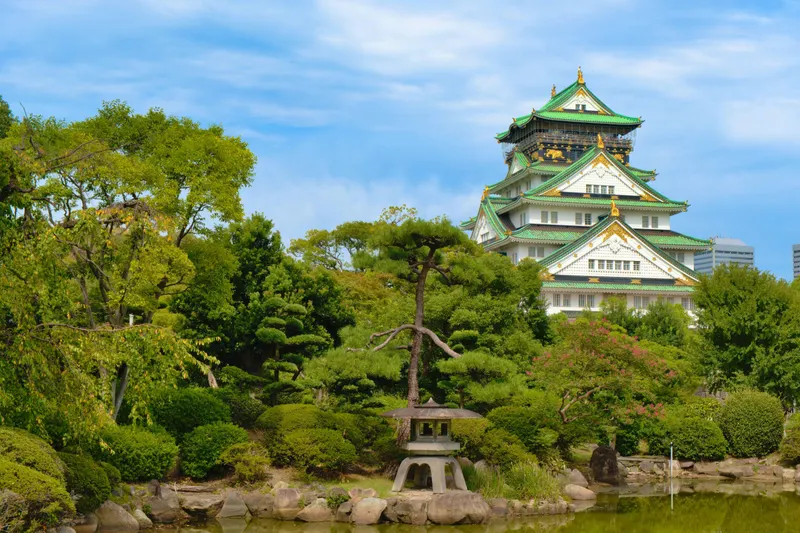
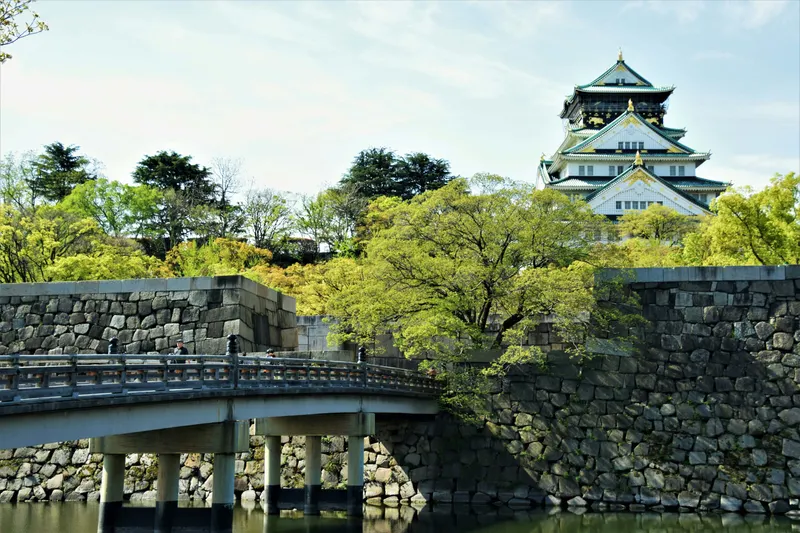
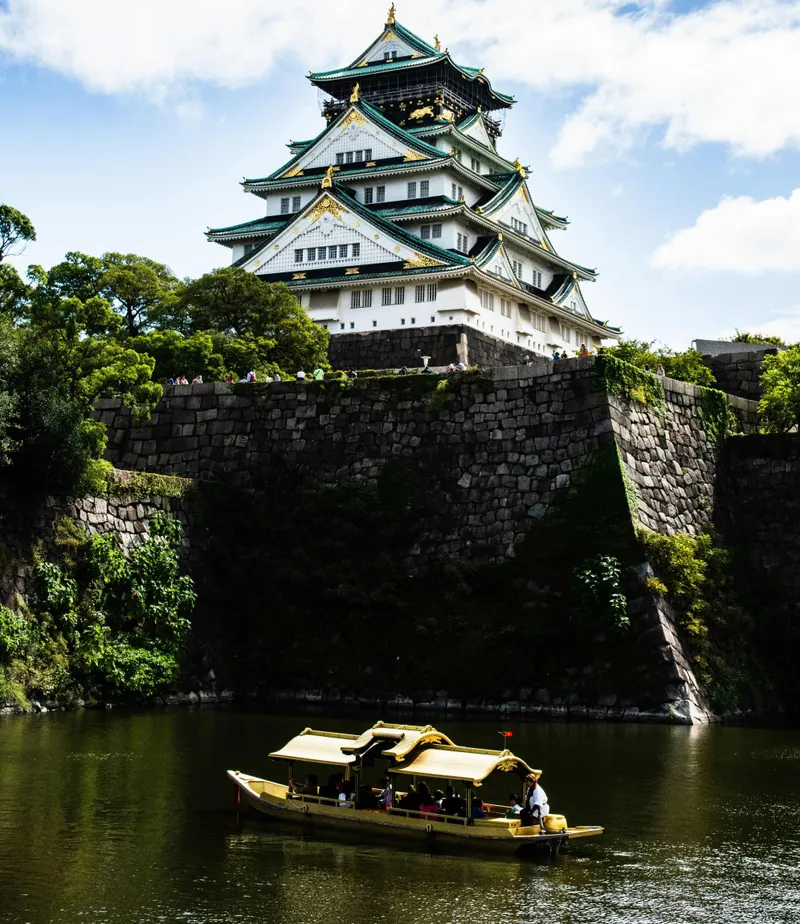
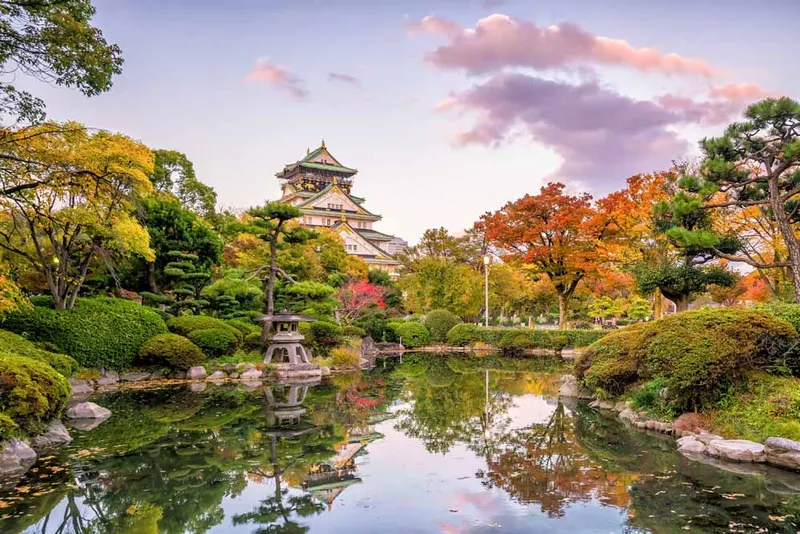
Osaka is known for its vibrant urban culture and historical landmarks. Don't miss Osaka Castle, a symbol of the city with beautiful gardens. Visit Dotonbori for its neon lights, street food, and entertainment. Universal Studios Japan offers thrilling rides and attractions. The Osaka Aquarium Kaiyukan is one of the largest in the world, showcasing diverse marine life. Lastly, explore the Umeda Sky Building for panoramic views of the city.
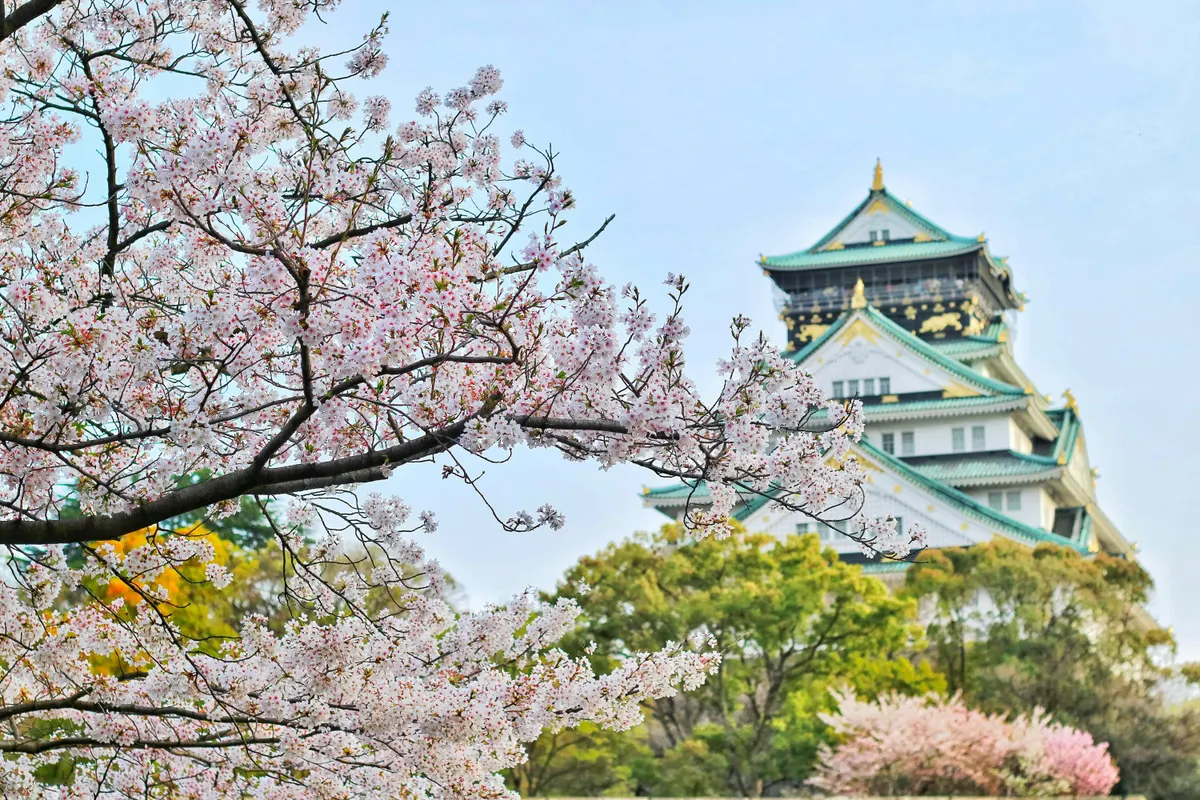
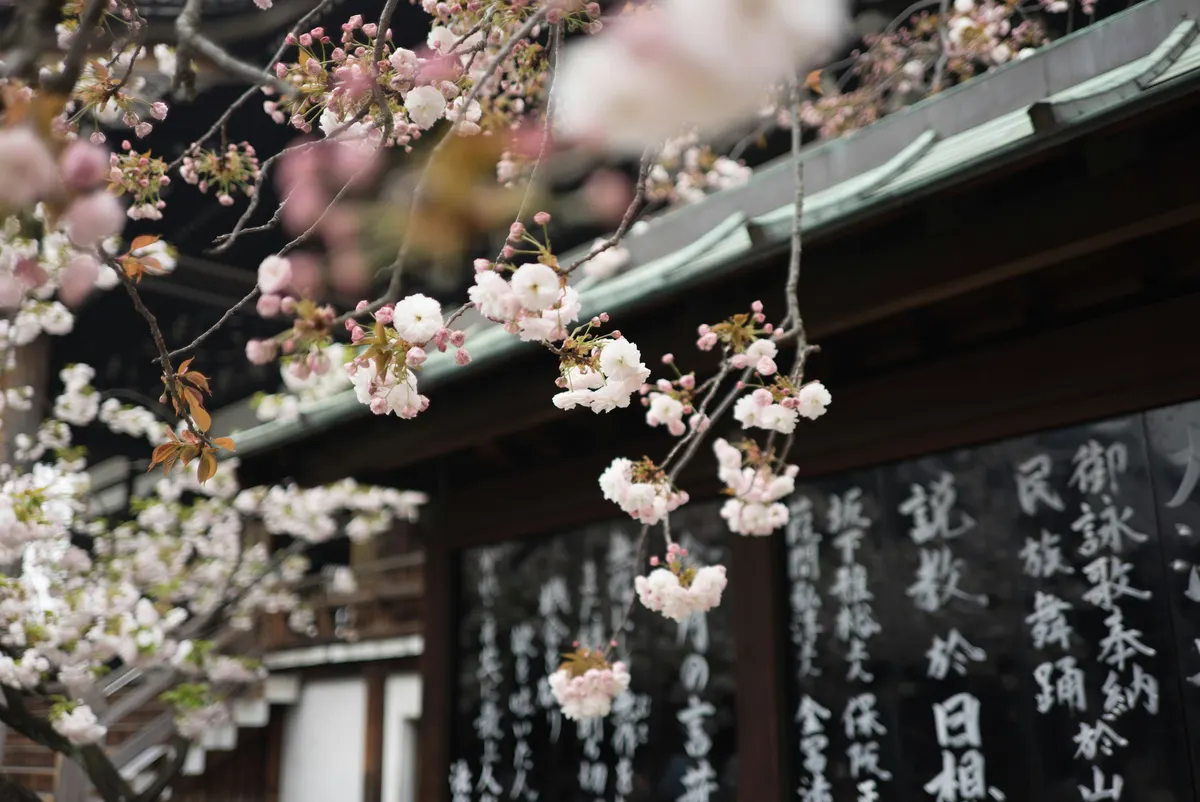
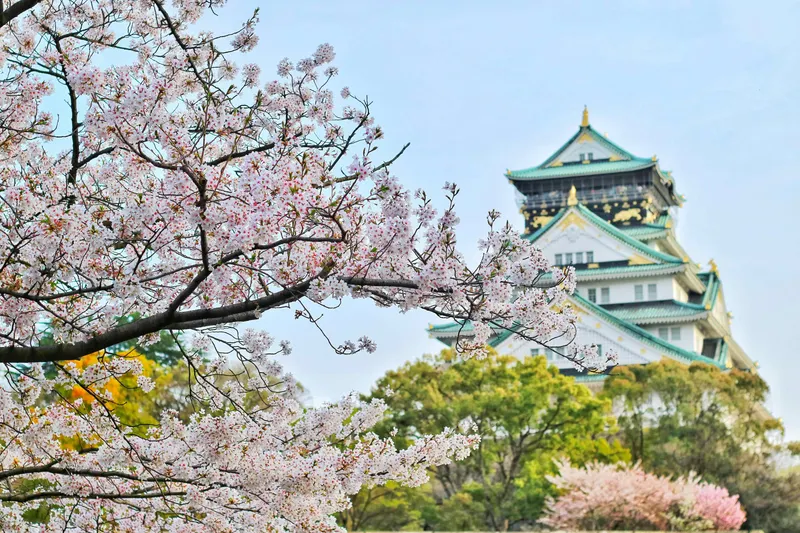
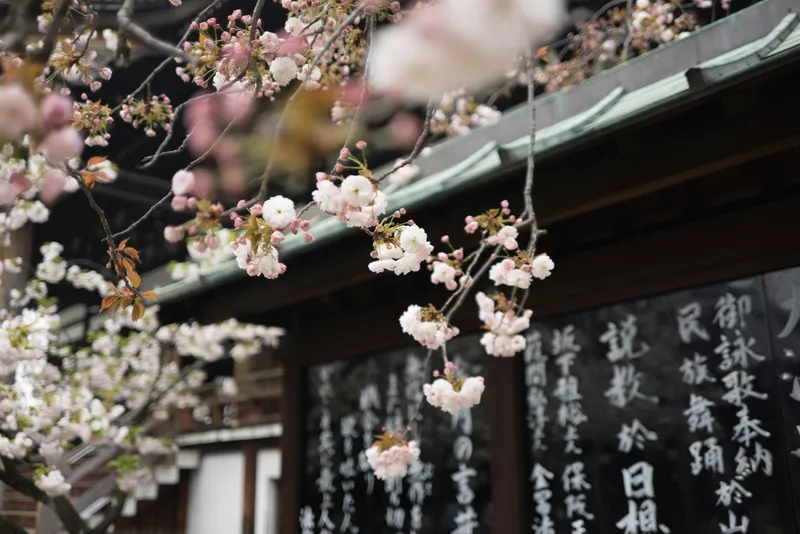
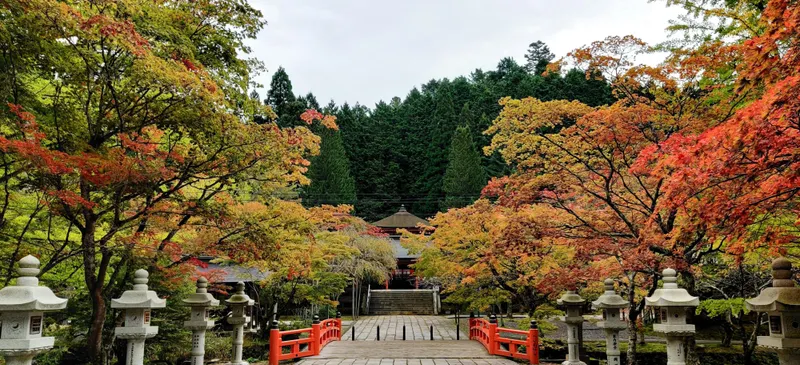
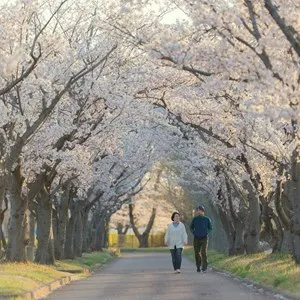
The best time to visit Osaka is during the spring (March to May) and autumn (September to November) when the weather is mild and pleasant. Cherry blossoms in spring and colorful foliage in autumn make these seasons particularly beautiful. Summers can be hot and humid, while winters are generally mild but can be chilly.
A 3 to 4-day stay in Osaka is ideal to explore the city's main attractions and enjoy its vibrant culture. This allows time to visit key sites like Osaka Castle, Dotonbori, and Universal Studios Japan, as well as experience local cuisine and shopping. If you plan day trips to nearby cities like Kyoto or Nara, consider extending your stay.
Osaka has an efficient public transportation system, including subways, trains, and buses. The Osaka Metro is the most convenient way to travel around the city. Consider purchasing an ICOCA card for easy access to public transport. Taxis are available but can be more expensive. Biking is also popular, with rental services available throughout the city.
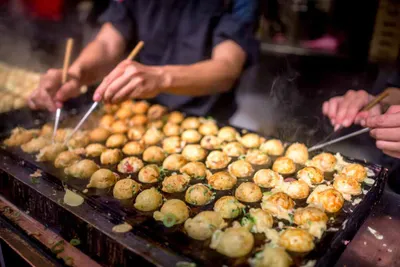
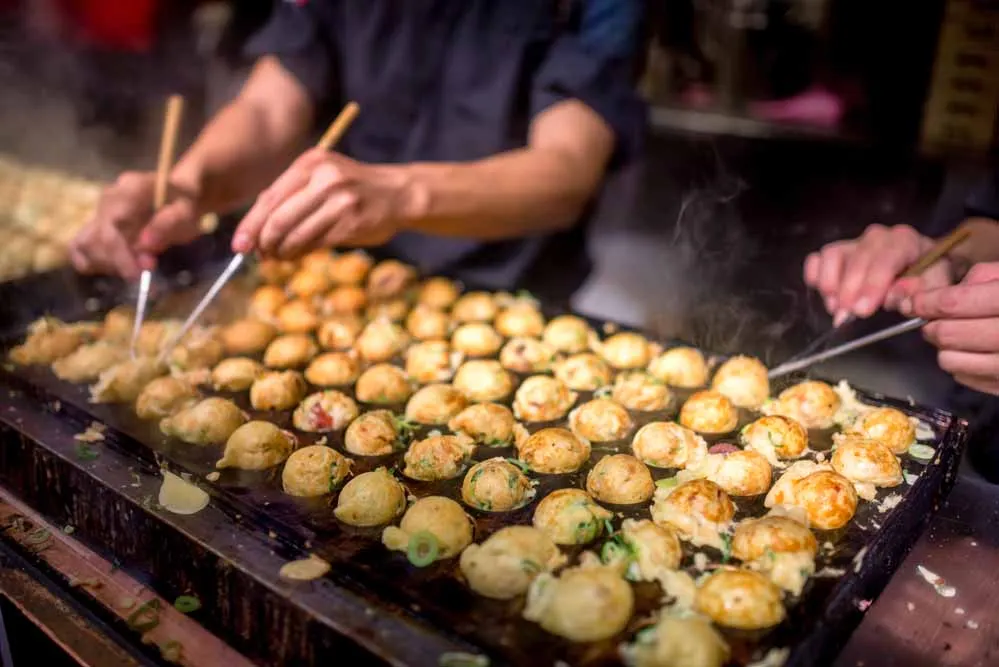
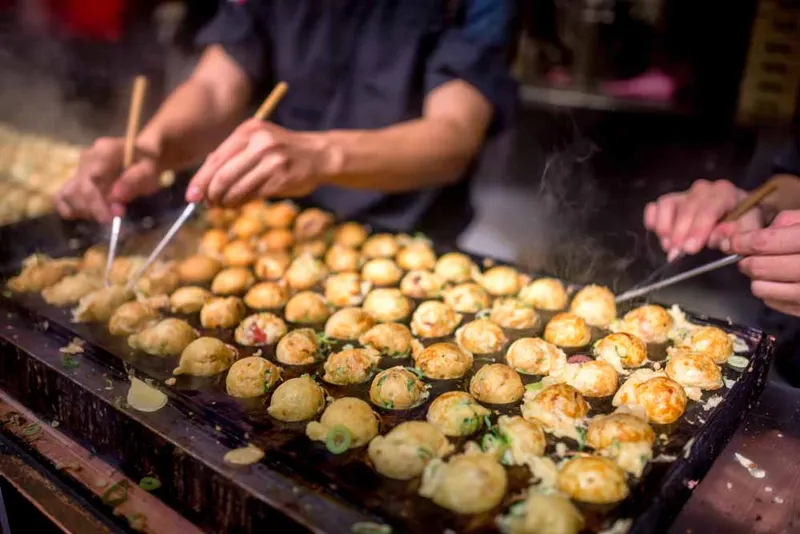
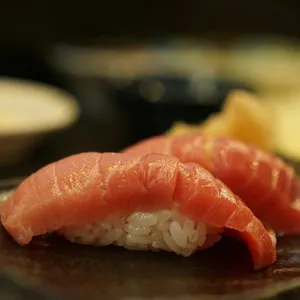
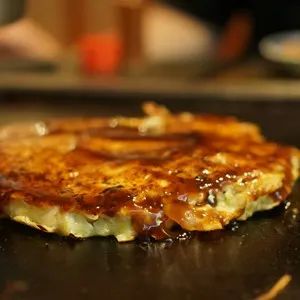
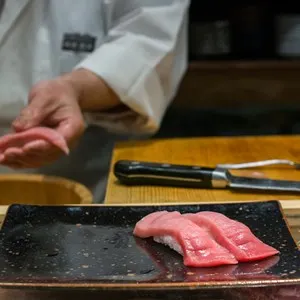
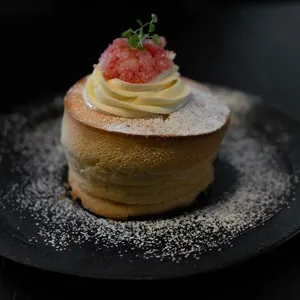
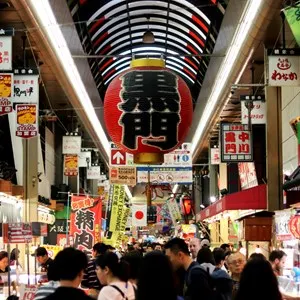
Osaka is a food lover's paradise, known for its street food and local specialties. Try takoyaki, delicious octopus-filled balls, and okonomiyaki, a savory pancake with various toppings. Kushikatsu, deep-fried skewers, and yakiniku, grilled meat, are also must-tries. Don't miss the fresh seafood at Kuromon Ichiba Market.
Osaka hosts several vibrant festivals throughout the year. The Tenjin Matsuri in July is one of Japan's most famous festivals, featuring boat processions and fireworks. In spring, the Osaka Castle Park is a popular spot for cherry blossom viewing. The Sumiyoshi Taisha Shrine hosts the Sumiyoshi Matsuri in July, celebrating traditional music and dance.
Osaka's location makes it perfect for day trips to nearby cities. Kyoto, known for its temples and gardens, is just a short train ride away. Nara, home to free-roaming deer and historic sites, is another popular option. Kobe offers a scenic harbor and delicious beef, while Himeji is famous for its stunning castle, a UNESCO World Heritage site.