
Phnom Penh Travel & Vacation Guide
Current Weather

Description
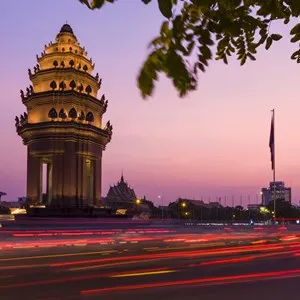
Phnom Penh took its name from a legendary tale involving a woman called Penh, who is said to have discovered four Buddhas washed ashore by the great river. Following French colonisation in 1869, which lasted until King Norodom Sihanouk declared independence in 1953, the city underwent significant urban development, marked by the construction of impressive villas and wide avenues that now define its city centre. However, the vibrant atmosphere of the 1960s was abruptly disrupted on April 17, 1975, when the Khmer Rouge seized control of the country, causing Phnom Penh to empty almost overnight. After four years, Cambodians returned to rebuild their capital from a small riverside village into the bustling commercial hub it is today. Despite its growth, Phnom Penh retains its unique charm as an unspoiled Asian gem, where cyclo drivers navigate through a sea of motorbikes, embodying the city's dynamic spirit.
Useful information
2.281 million (2023)
Cambodian Riel (KHR): 1 KHR = 10 kak = 100 sen
Ambulance: +855 023 724 891 (or 119 if you have a Cambodian phone number).
Police: +855 023 366 841 - +855 023 720 235 (or 117 if you have a Cambodian phone number).
Fire: +855 023 723 555 (or 118 if you have a Cambodian phone number).
Most shops are open Monday to Sunday from 8am–7pm. Markets open from 6am–5pm. Stores and markets are only closed on public holidays.
Do & See
Dining

Cafés


Bars & Nightlife


Shopping



Tourist Information




Frequently Asked Questions
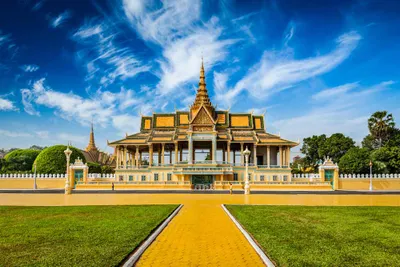
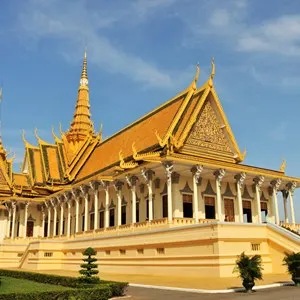
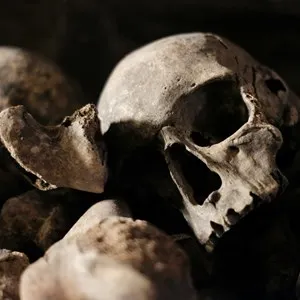
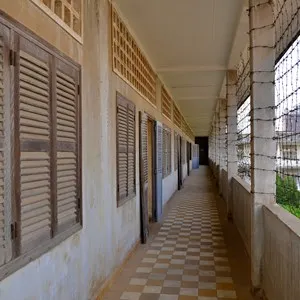
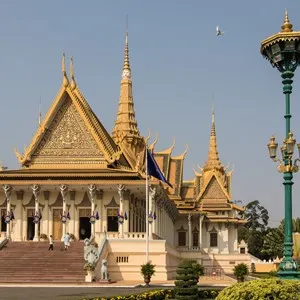
Phnom Penh, the capital of Cambodia, offers a mix of historical and cultural attractions. Don't miss the Royal Palace, home to the Silver Pagoda, and the National Museum, which showcases Khmer art and history. The Tuol Sleng Genocide Museum and the Killing Fields of Choeung Ek provide sobering insights into Cambodia's past. For a more relaxed experience, stroll along the riverside or visit the bustling Central Market.
The most convenient way to get around Phnom Penh is by tuk-tuk, a motorized rickshaw that is both affordable and readily available. Alternatively, you can use ride-hailing apps like Grab for cars and motorbikes. Bicycles and scooters are also popular for short distances. While public buses exist, they are less frequent and may not cover all tourist areas.
The best time to visit Phnom Penh is during the dry season, from November to March, when the weather is cooler and less humid. This period is ideal for sightseeing and outdoor activities. The wet season, from May to October, brings heavy rains, which can make travel more challenging but also offers lush landscapes and fewer tourists.
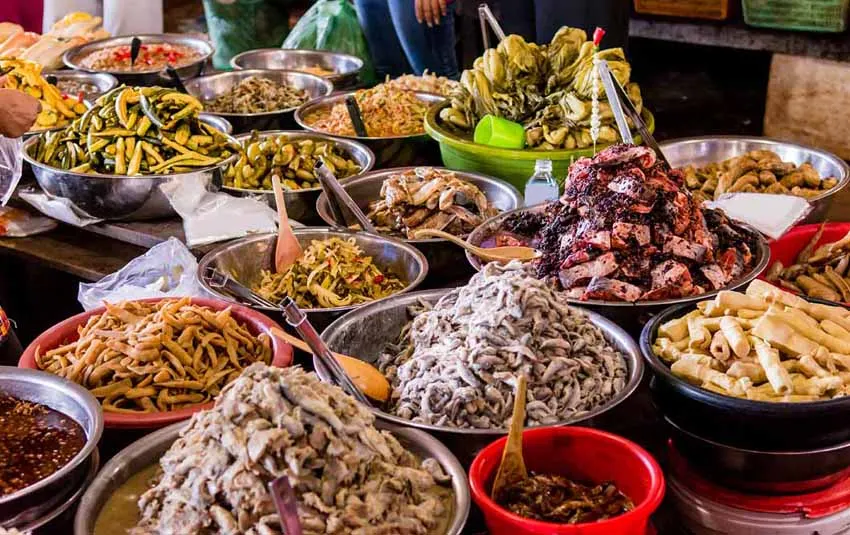
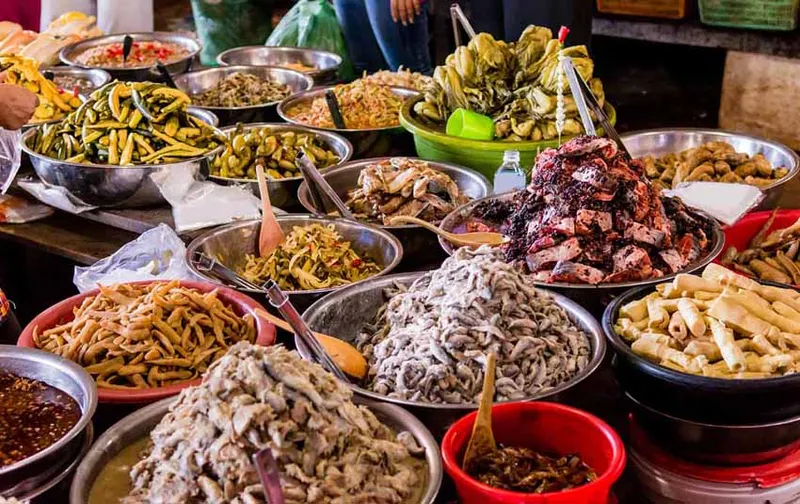
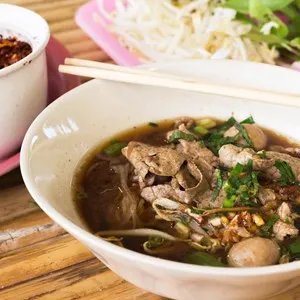
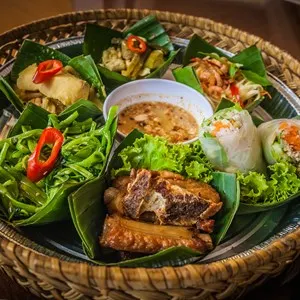
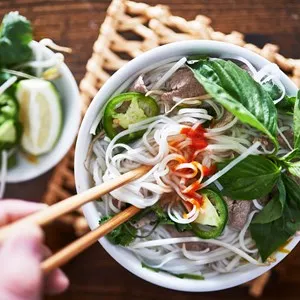
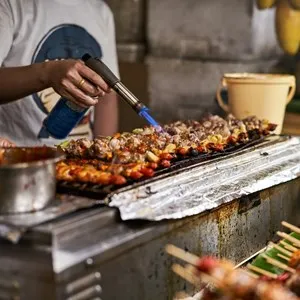
Phnom Penh offers a variety of traditional Cambodian dishes. Be sure to try fish amok, a creamy coconut curry dish, and kuy teav, a popular noodle soup. Lok lak, stir-fried beef served with rice and a tangy dipping sauce, is another favorite. For dessert, try num ansom chek, a banana sticky rice cake. Street food stalls and local markets are great places to sample these dishes.
When visiting Phnom Penh, it's important to dress modestly, especially when visiting temples or religious sites. Remove your shoes before entering homes or temples. It's also customary to greet people with a slight bow and a 'sampeah,' pressing your palms together in front of your chest. Avoid touching someone's head or pointing your feet at people or religious objects.
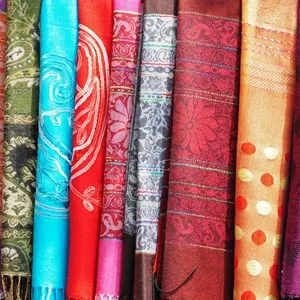
There are several interesting day trips you can take from Phnom Penh. Consider visiting Oudong, the former royal capital, known for its hilltop stupas and panoramic views. The Silk Island, or Koh Dach, offers a glimpse into traditional silk weaving and rural life. Alternatively, explore the Tonle Bati, a serene lake with ancient temples nearby, perfect for a peaceful retreat.
Phnom Penh hosts several vibrant festivals throughout the year. The Water Festival, or Bon Om Touk, in November, celebrates the end of the rainy season with boat races and fireworks. The Khmer New Year in April is marked by traditional games and ceremonies. The Pchum Ben festival, in September or October, is a time for Cambodians to honor their ancestors with offerings and prayers.
Trips