
Details for Rabat
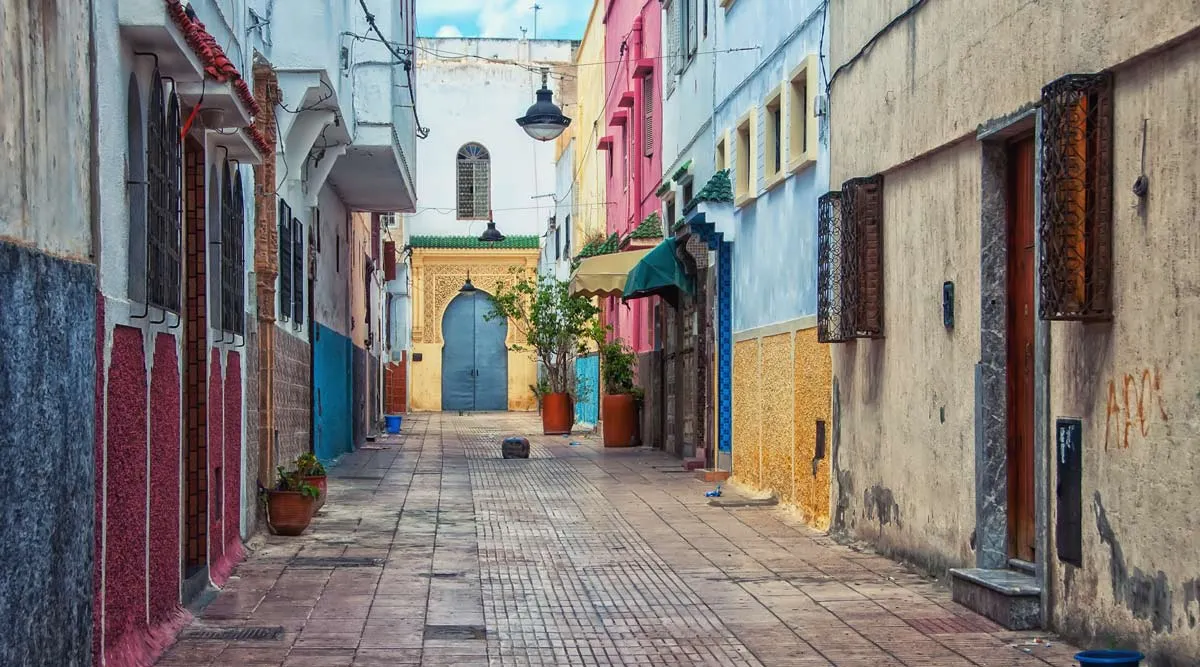
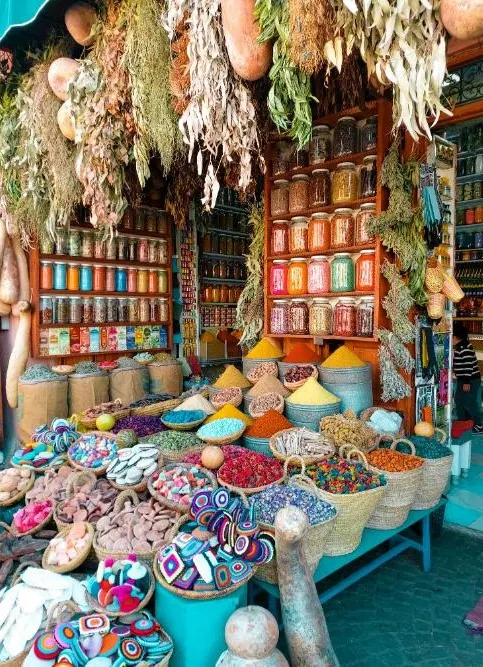
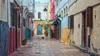
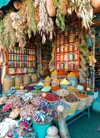

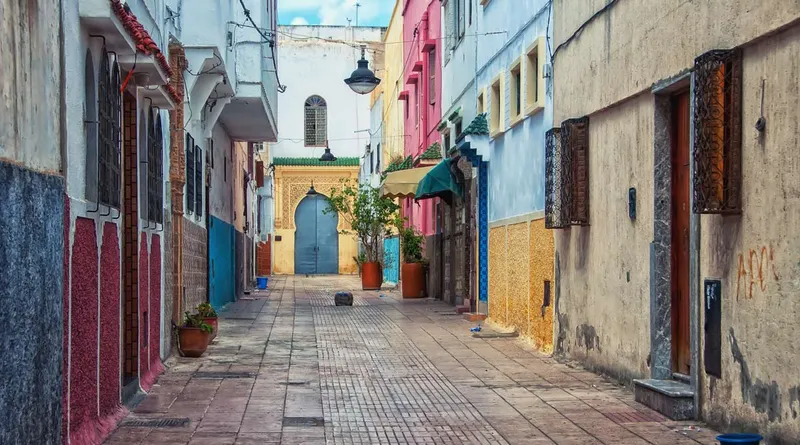
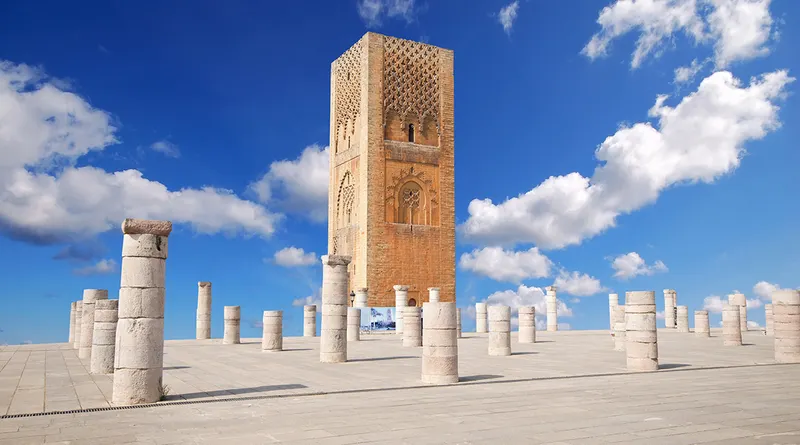
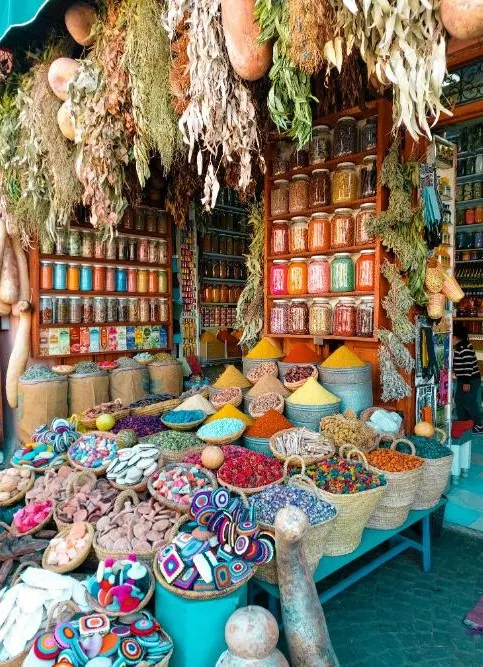
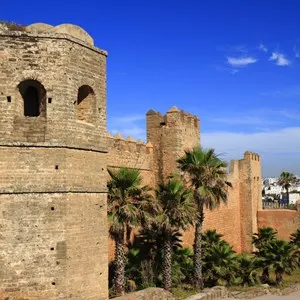
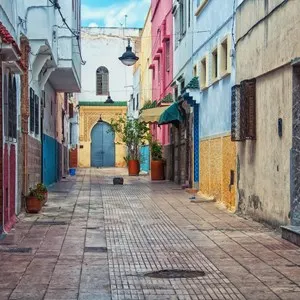
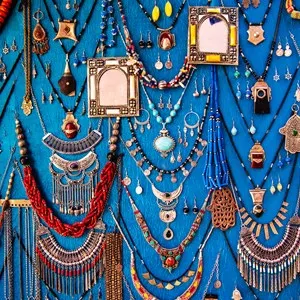
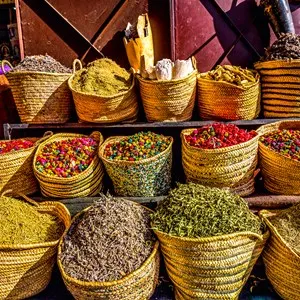
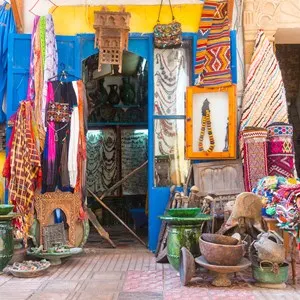
Rabat may not be the first destination that comes to mind when planning a trip to Morocco - resulting in a more laid-back atmosphere compared to other cities. Nevertheless, Rabat is buzzing with life and attracts visitors with several must-sees. Protected by powerful ramparts, the medina reflects the soul of the old Almohad city. Souika street and its shops present magnificent rugs, the delicate work of copperware artisans, succulent pastries and appetizing brochettes. Rue des Consuls – which got its name because this is where representatives of foreign nations resided – is flanked by elegant residences where the craftsmen practice their art under the watchful eyes of passersby. Rabat offers commercial, modern districts as well – plus a busy marina and a city beach. Salé, vis-à-vis Bouregreg river, is also worth a visit.
The City: 620,996 Metro Area: 2 million
Moroccan dirham (MAD) 1 dirham = 100 centimes
19 (Police - city)
177 (Police - countryside)
15 (Ambulance)
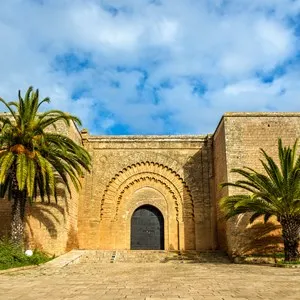
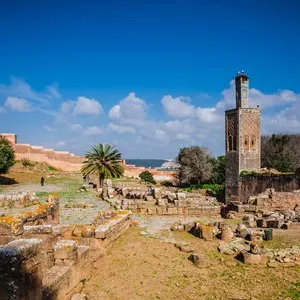

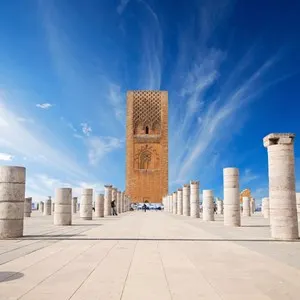





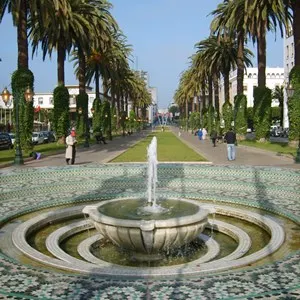




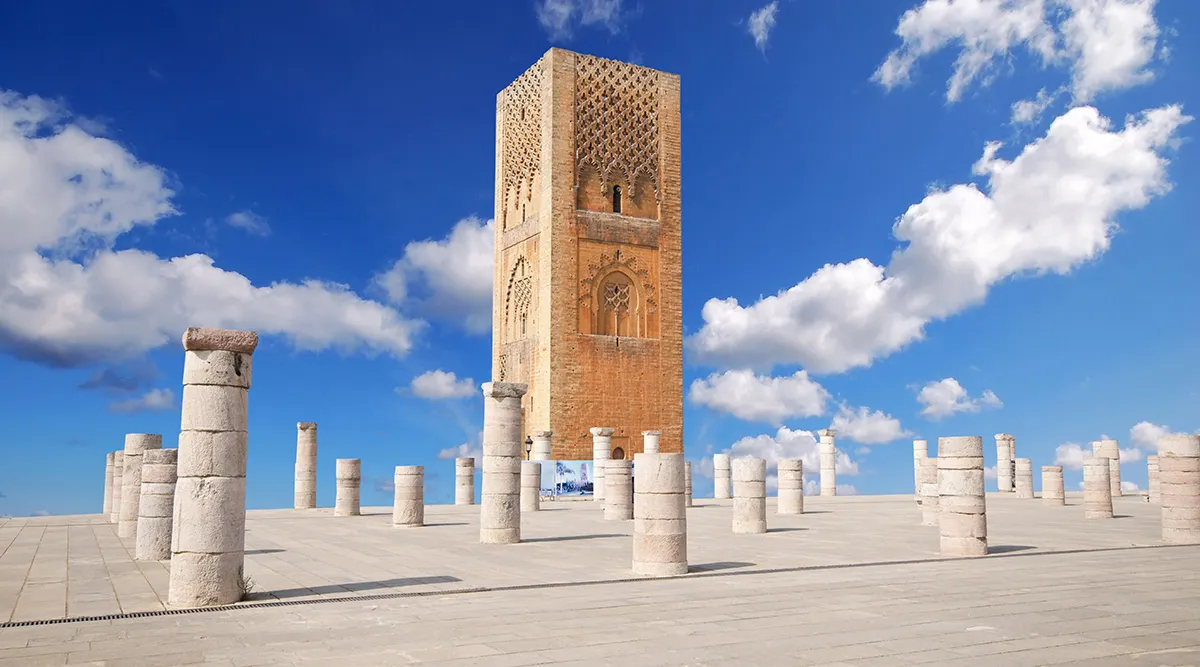
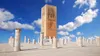
Rabat, the capital of Morocco, offers a blend of historical and modern attractions. Don't miss the Hassan Tower, an unfinished minaret of a grand mosque, and the Mausoleum of Mohammed V, a stunning example of modern Alaouite dynasty architecture. The Kasbah of the Udayas, a UNESCO World Heritage site, offers beautiful views of the Atlantic Ocean. The Chellah, an ancient Roman and medieval ruin, provides a glimpse into Rabat's past. Finally, the Royal Palace is a must-see, though only the exterior is accessible to visitors.
Rabat has a well-developed public transportation system, including trams and buses, which are efficient for getting around the city. Taxis are also widely available and affordable. For a more local experience, consider renting a bicycle to explore the city at your own pace. Walking is another great option, especially in the medina and along the scenic Bouregreg River.
The best time to visit Rabat is during the spring (March to May) and fall (September to November) when the weather is mild and pleasant. Summers can be hot, while winters are generally mild but can be rainy. These shoulder seasons offer comfortable temperatures for sightseeing and exploring the city's outdoor attractions.
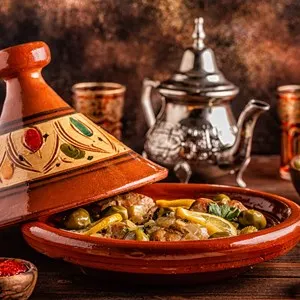
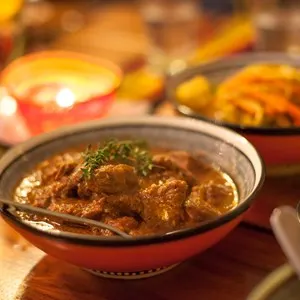
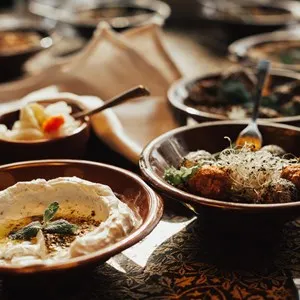
In Rabat, you can enjoy a variety of traditional Moroccan dishes. Try couscous, a staple grain dish often served with vegetables and meat. Tagine, a slow-cooked stew, is another must-try, with variations including lamb, chicken, or fish. Harira, a hearty soup made with lentils and chickpeas, is popular during Ramadan. For a sweet treat, try pastilla, a pastry filled with spiced meat and almonds, dusted with cinnamon and sugar.
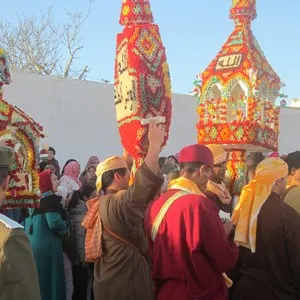
Rabat hosts several cultural events and festivals throughout the year. The Mawazine Festival, held annually in May or June, is one of Africa's largest music festivals, featuring international and local artists. The Rabat International Film Festival, usually in November, showcases a diverse range of films. Additionally, the city celebrates various religious and cultural festivals, such as Eid al-Fitr and Eid al-Adha, which offer a unique insight into Moroccan traditions.
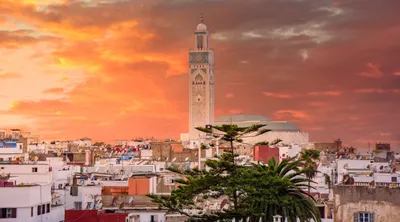
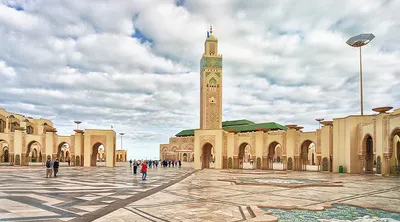
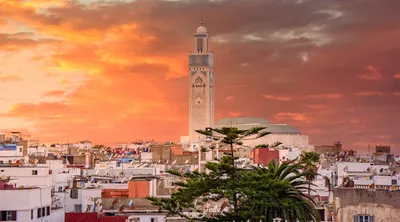
Rabat's location makes it an excellent base for day trips. Consider visiting the nearby city of Casablanca to see the Hassan II Mosque, one of the largest mosques in the world. Meknes, another imperial city, offers historical sites like the Bab Mansour gate and the Mausoleum of Moulay Ismail. For nature lovers, the Mamora Forest provides a peaceful escape with opportunities for hiking and picnicking.
In Rabat, the official languages are Arabic and Amazigh (Berber), but French is widely spoken, especially in business and tourism sectors. While knowing some basic Arabic phrases can be helpful, you can generally get by with English and French in most tourist areas, hotels, and restaurants.