

Details for Jerusalem
:no_upscale()/LocalImage/PictureLibrary/Middle%20East/Israel/Jerusalem/Jerusalem%20Via%20Dolorosa%20.jpg)
:no_upscale()/LocalImage/PictureLibrary/Middle%20East/Israel/Jerusalem/Jerusalem%20street.jpg)
:no_upscale()/LocalImage/PictureLibrary/Middle%20East/Israel/Jerusalem/Jerusalem.jpg)
:no_upscale()/LocalImage/PictureLibrary/Middle%20East/Israel/Jerusalem/Israel%20Jerusalem%20Mosque.jpg)
:no_upscale()/LocalImage/PictureLibrary/Middle%20East/Israel/Jerusalem/Israel%20Jerusualem%20Night%20view.jpg)
:no_upscale()/LocalImage/PictureLibrary/Middle%20East/Israel/Jerusalem/IsraelJerusalem%20City%20View.jpg)
:no_upscale()/LocalImage/PictureLibrary/Middle%20East/Israel/Jerusalem/Jerusalem%20Night%20City%20View.jpg)
:no_upscale()/LocalImage/PictureLibrary/Middle%20East/Israel/Jerusalem/Jerusalem%20Tomb%20of%20King%20David.jpg)


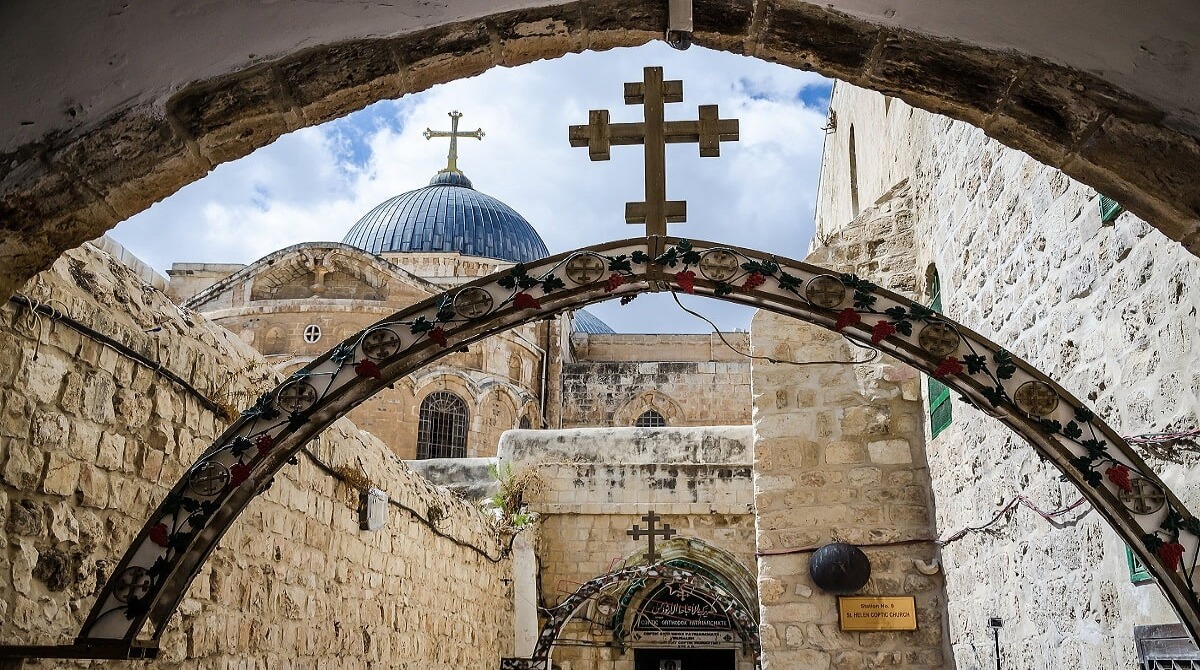
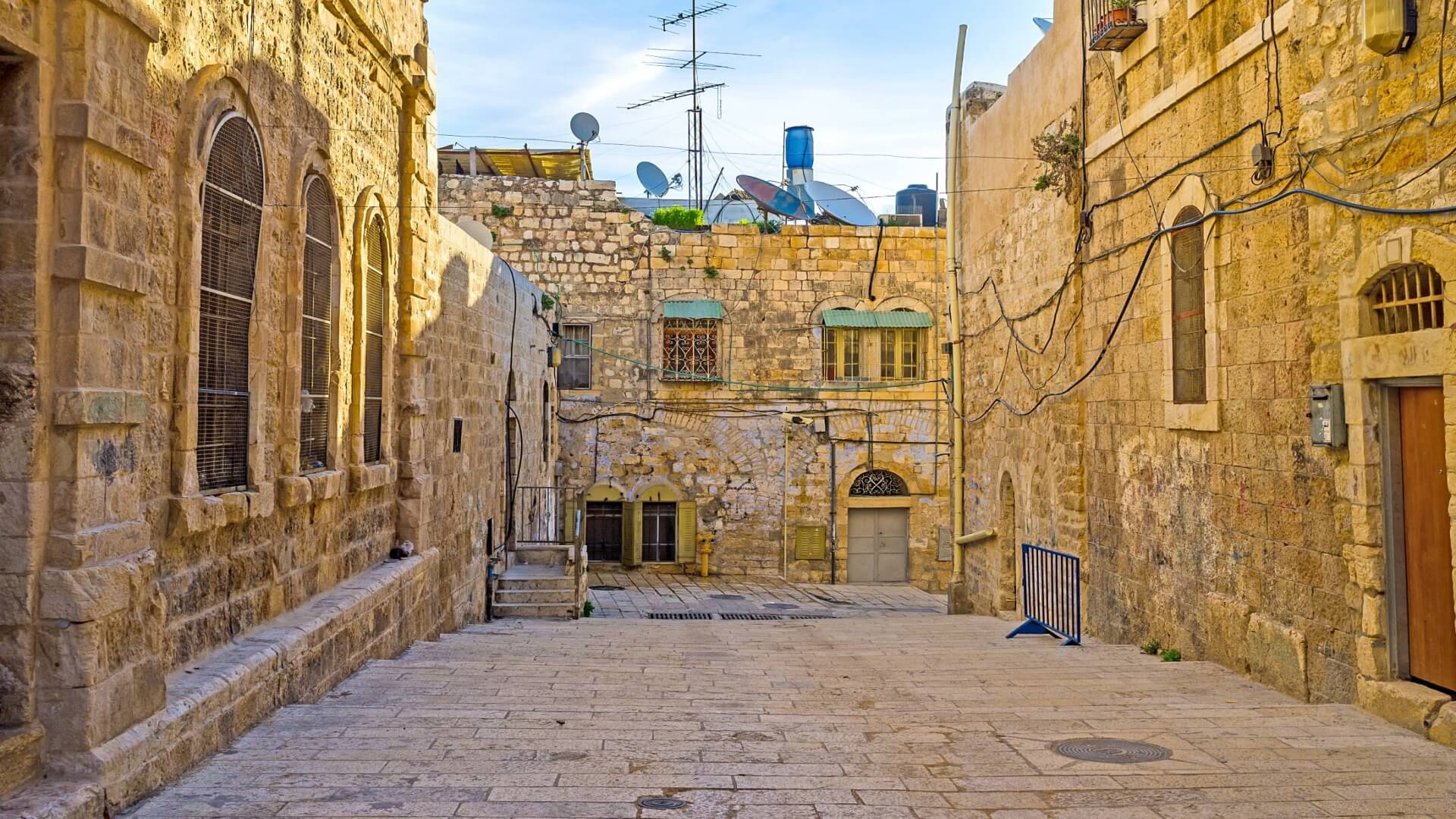
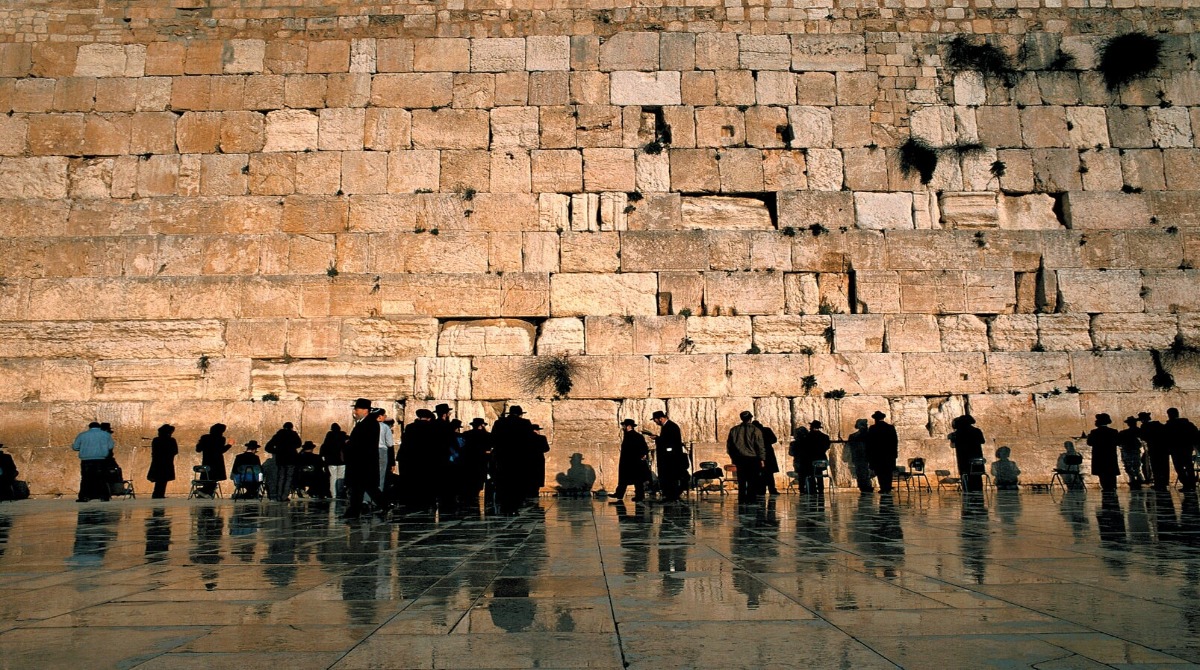
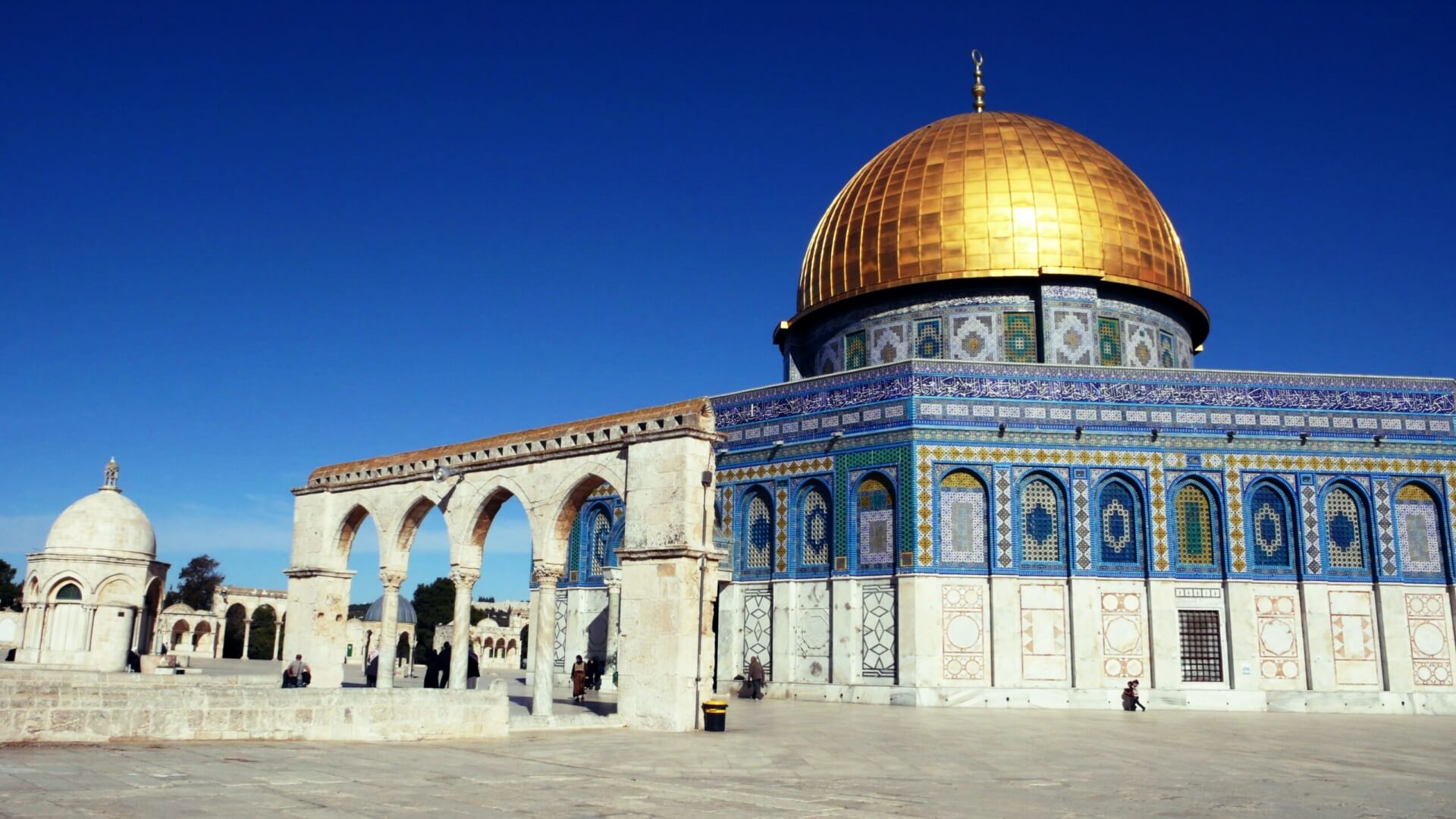

:no_upscale()/LocalImage/PictureLibrary/Middle%20East/Israel/Jerusalem/Jerusalem%20Via%20Dolorosa%20.jpg)
:no_upscale()/LocalImage/PictureLibrary/Middle%20East/Israel/Jerusalem/Jerusalem%20street.jpg)
:no_upscale()/LocalImage/PictureLibrary/Middle%20East/Israel/Jerusalem/Jerusalem.jpg)
:no_upscale()/LocalImage/PictureLibrary/Middle%20East/Israel/Jerusalem/Israel%20Jerusalem%20Mosque.jpg)
:no_upscale()/LocalImage/PictureLibrary/Middle%20East/Israel/Jerusalem/Israel%20Jerusualem%20Night%20view.jpg)
:no_upscale()/LocalImage/PictureLibrary/Middle%20East/Israel/Jerusalem/IsraelJerusalem%20City%20View.jpg)
:no_upscale()/LocalImage/PictureLibrary/Middle%20East/Israel/Jerusalem/Jerusalem%20Night%20City%20View.jpg)
:no_upscale()/LocalImage/PictureLibrary/Middle%20East/Israel/Jerusalem/Jerusalem%20Tomb%20of%20King%20David.jpg)


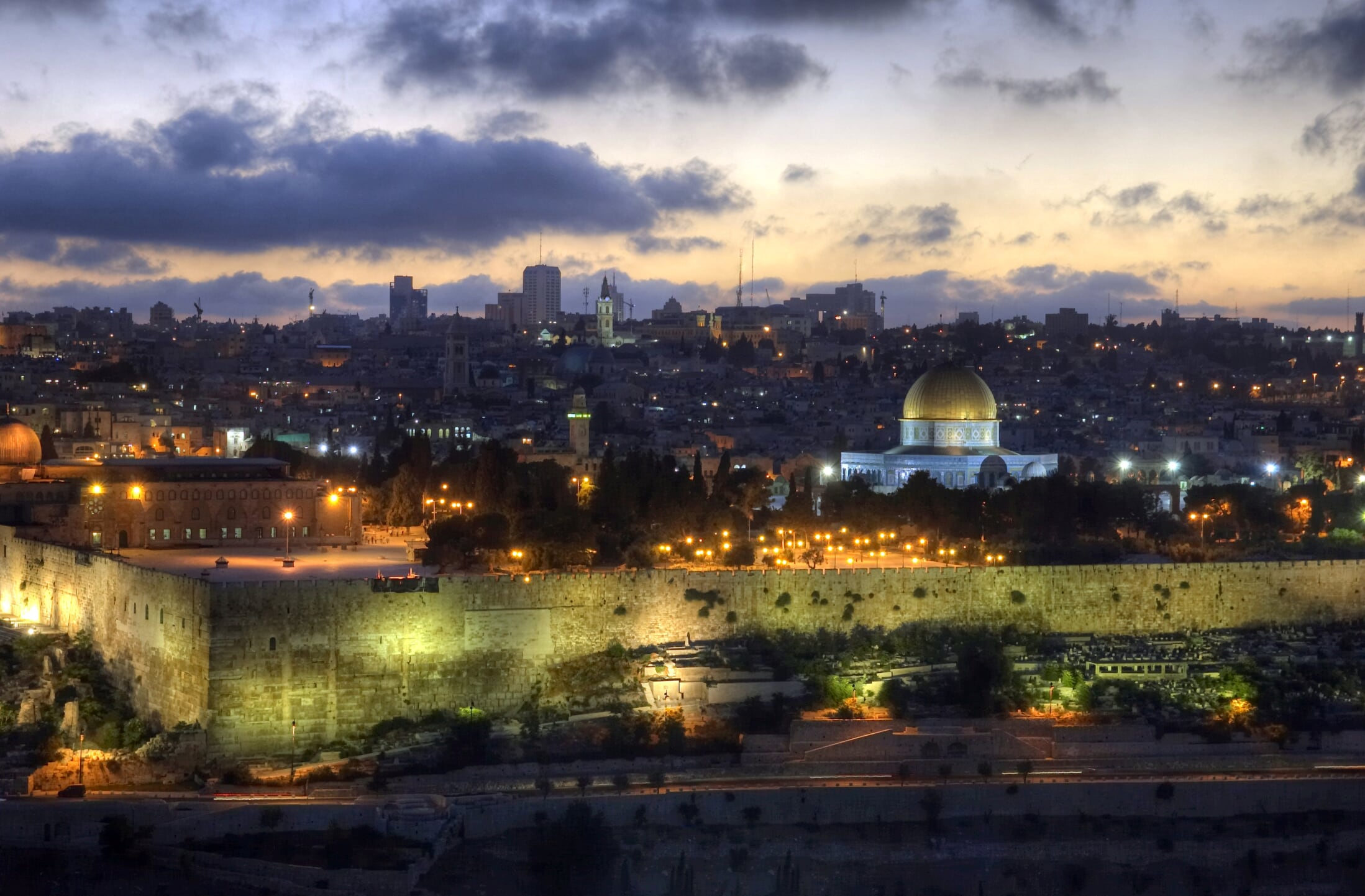
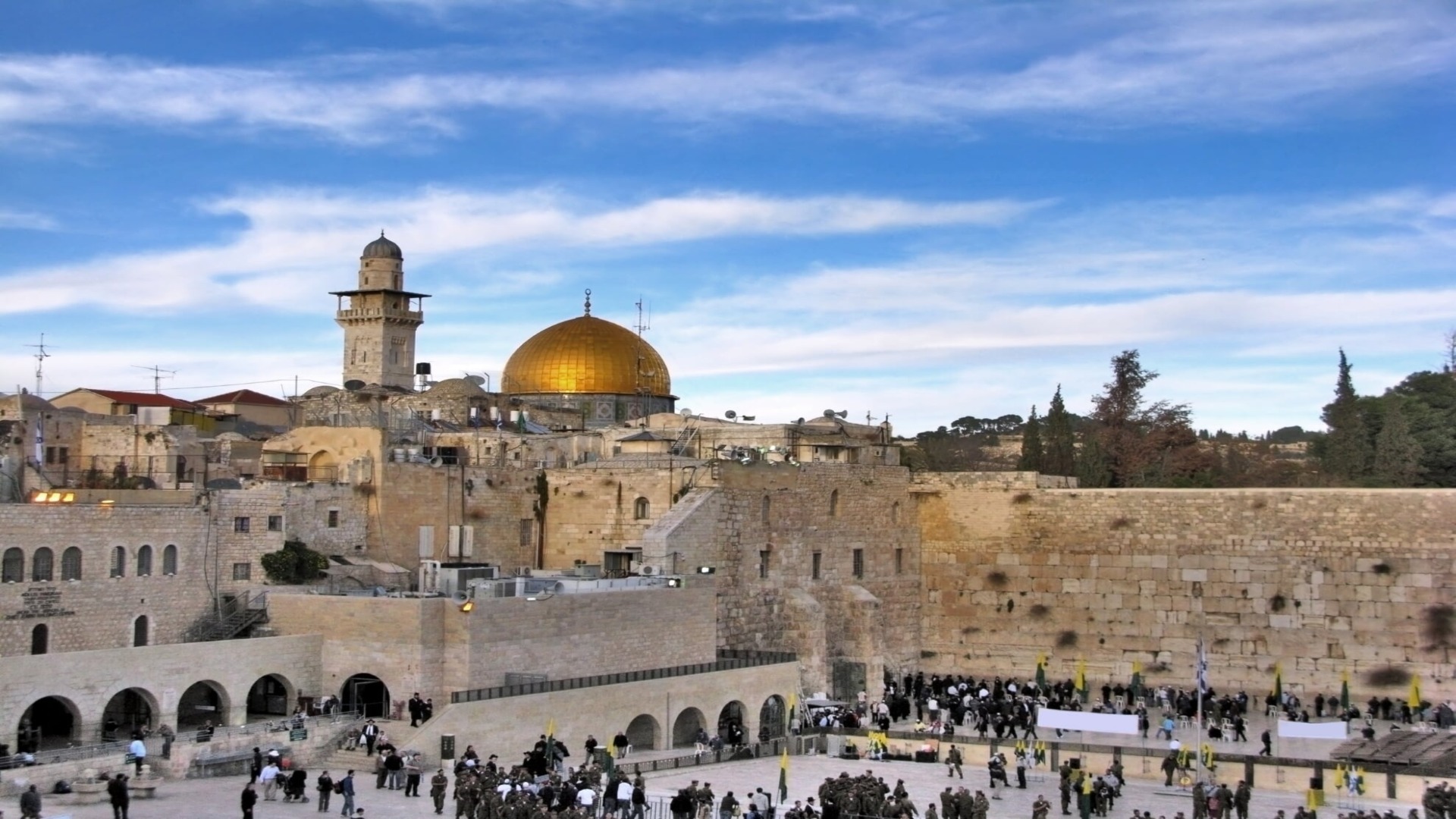
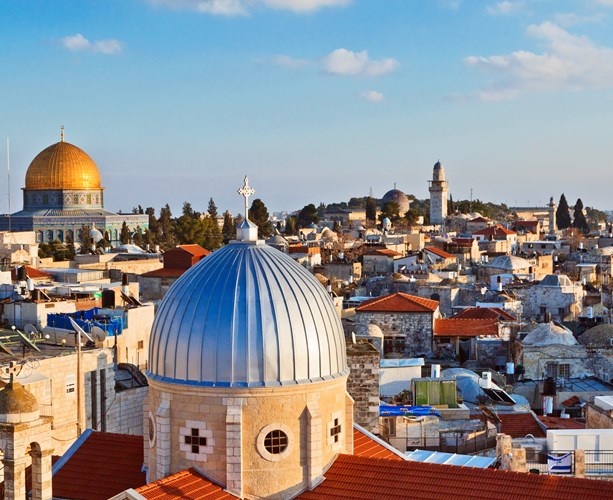
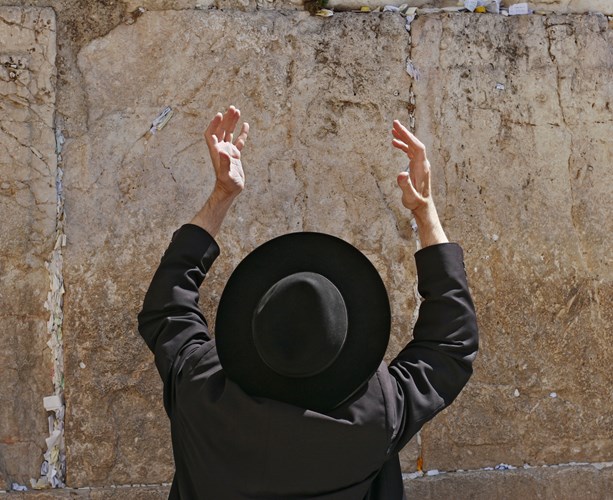
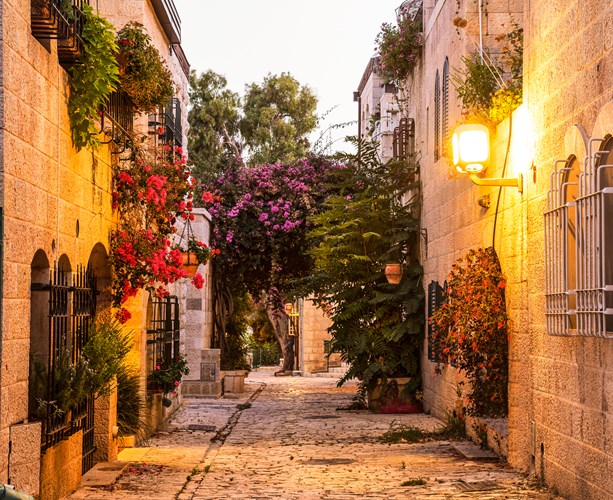
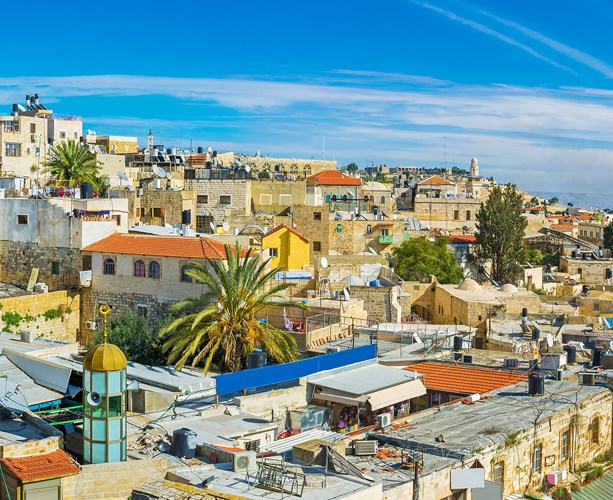
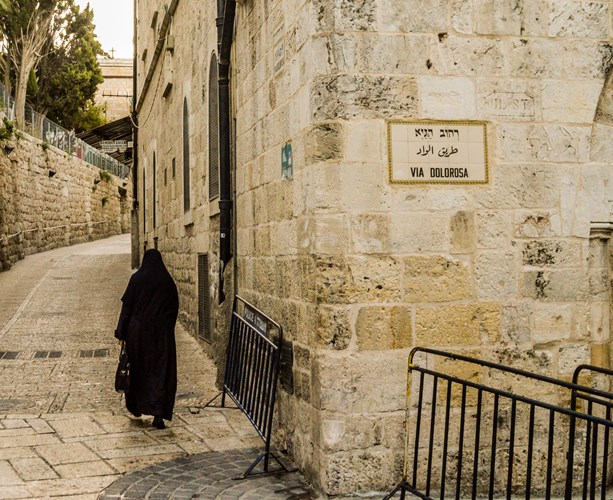
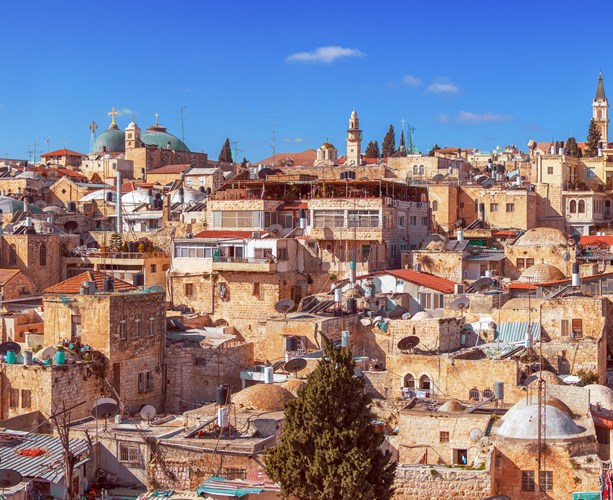
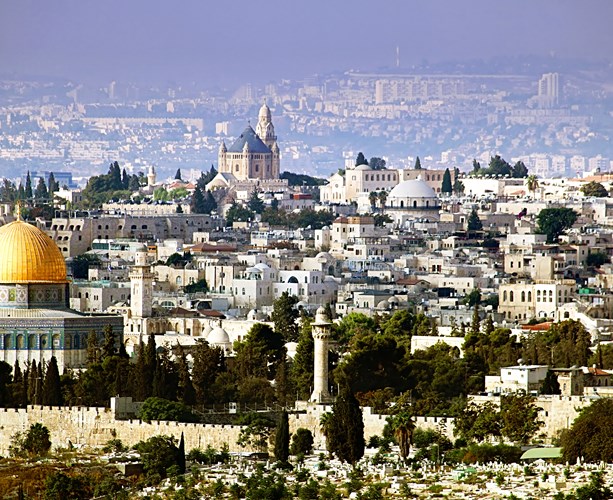
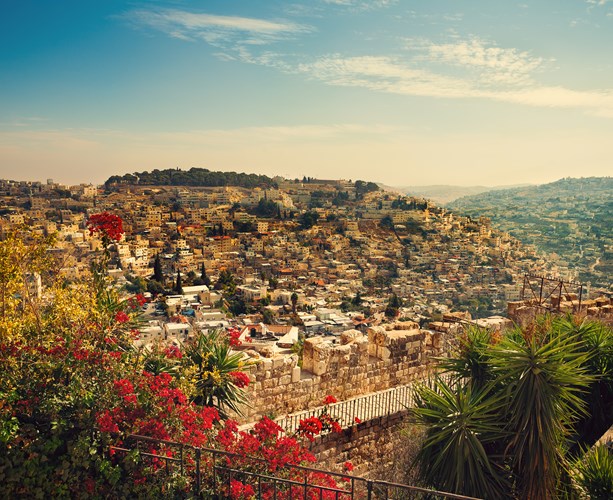
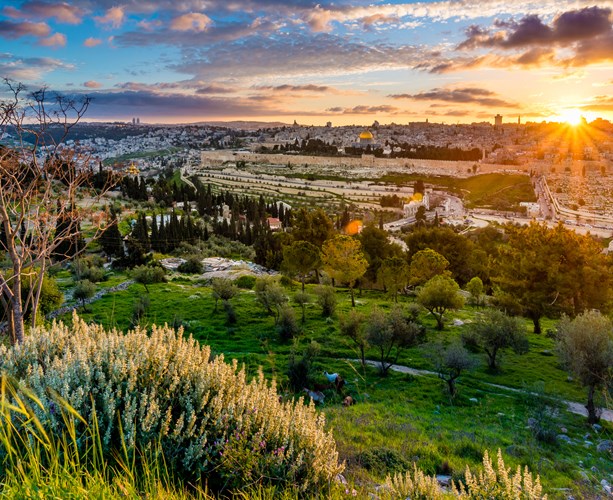
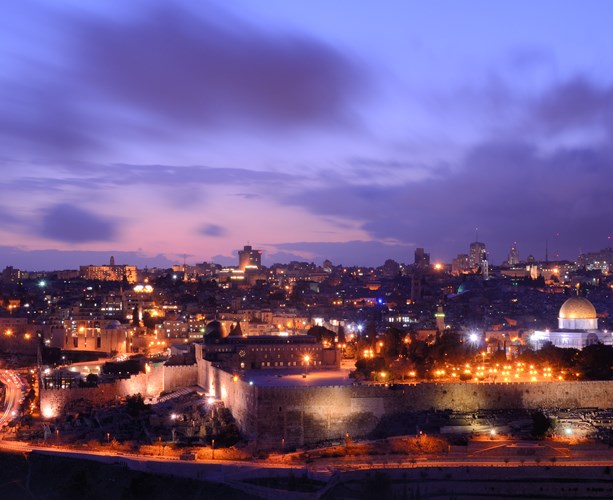
Whether you're trying to grasp its history, contemplate its spirituality, or understand its different cultures, experiencing Jerusalem is a fascinating undertaking. The Old City is Jerusalem's most popular attraction, with an array of religious and historical buildings. However, don't miss the newer districts that started spreading in the 1860s — start with the quarters of Mishkenot Sha'ananim and Nahalat Shiva. For fashion, novelties, and nightlife, head to the Downtown Triangle, between Jaffa Road, King George Street, and Ben Yehuda Street. But be sure to explore further: you will find a bustling cultural scene and lively entertainment throughout the city. A wild, dusty natural landscape surrounds the urban area. The history of Jerusalem is restless and runs through thousands of years. The Canaanite population settled in the area 6,000+ years ago, near the Gihon Spring. After biblical king David conquered the city, his successor Solomon built a legendary Temple — the shrine was the most sacred place for Jewish people, who developed a strong and tormented connection with the land. Jerusalem then became part of the Roman Empire through a dramatic conquest. The Temple was definitively destroyed in 70 AD during a brutal repression by the emperor Titus. The site of Jesus Christ's death and alleged resurrection, Jerusalem saw the birth of a new religion; it was also the site of an important spiritual journey for Muhammad, the founder of Islam. During the Crusades and Middle Ages, Jerusalem played a significant role in the region's history, with important orders like the Templar Knights founded there. Since the State of Israel was proclaimed in 1947, a tortuous conflict between the state and the city's previous inhabitants has divided its people.
Metro area: 983,000 (2024)
New Israel Shekel (ILS)
Police: 100
Emergency Medical Services: 101
Fire and Rescue: 102
Most shops open Sunday to Thursday from 9am to 7pm. Jewish-owned stores are closed on Friday afternoon and Saturday to mark Shabbat. Some re-open on Saturday after sundown. The Muslim day of rest is Friday, while Christians do not work on Sunday.

Ades Synagogue
Ades Synagogue
Lesser known by tourists, Ades Synagogue boasts typical, well-kept interiors, with chandeliers and a walnut ark inlaid with mother-of-pearl. If you're visiting in winter and you're interested in Jewish religious culture, come early on Saturday (Shabbat) morning and listen to bakashot, songs based on Kabbalistic poetry.

Bible Lands Museum
Bible Lands Museum
The Bible Lands museum focuses on the history of various cultures listed in the Bible, mixing archaeological findings, information from sacred texts and historical research. You will see religious representations and funerary art as well as jewellery, secular artwork and everyday items. The collection is so extensive it can easily become overwhelming: it's best to get an audio guide or join a free guided tour (in English or Hebrew).

Biblical Zoo & Tisch Zoological Gardens
Biblical Zoo & Tisch Zoological Gardens
If you feel in need of a break from cultural sightseeing, find some natural beauty and light-hearted entertainment in this 62-acre-big zoo. Children will enjoy exploring the zoo and seeing the animals up close. The facility hosts a variety of endangered species. The zoo's main theme is peculiar: it focuses on animals mentioned in the Bible — you're in the cradle of Western religion, after all.

Church of Saint Peter in Gallicantu
Church of Saint Peter in Gallicantu
The Church of Saint Peter in Gallicantu, a Byzantine-style Catholic church located on Mount Zion, offers stunning views of the City of David and the village of Silwan, a Palestinian community. The current building, which has some interesting decorations such as stained glass windows, was completed in the 1930s on the site of earlier churches, including a Byzantine monastery. Inside, visitors can admire mosaics and remains from previous churches. According to tradition, the church marks the spot where the Apostle Peter wept in regret after denying Jesus before his death. The Roman stairs next to the church are believed to have been used by Jesus on his way to Gethsemane.

City of David & Hezekiah's Tunnel
City of David & Hezekiah's Tunnel
At the City of David, you can explore the remains of the oldest part of Jerusalem and walk through the meanders of a subterranean stream. The archaeological site spans two levels: an aboveground area and underground excavations. It is much older than Jerusalem's Old City, with the ancient Canaanites building it near the waters of the Gihon Spring before 2,000 BCE. The biblical King David later conquered it and made it the capital of his domain. Located in the underground part of the site, Hezekiah's Tunnel was used to channel water from the spring. The half-hour walk inside will take you past many archaeological remains, including a millennia-old pool that was said to have healing powers. If you plan to walk through the water, be sure to bring your swimsuit and suitable shoes.

Dormition Church & Monastery
Dormition Church & Monastery
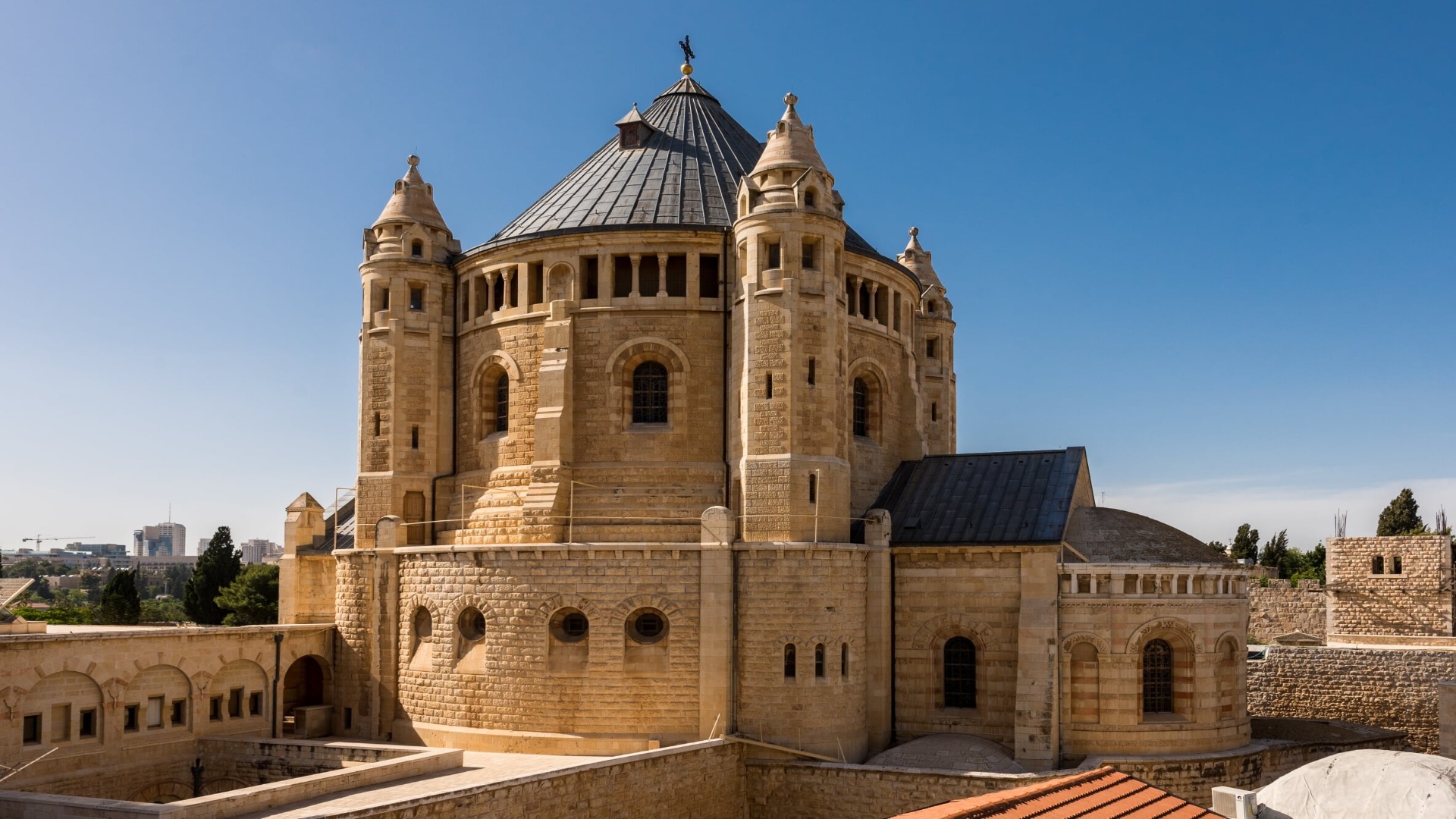
The Dormition Church and Monastery is an imposing, elegant complex just outside the Old City, near the Sion Gate. It belongs to Benedictine monks and showcases beautiful decorations and Romanesque revival architecture. The luxuriously decorated crypt celebrates the Assumption of the Virgin Mary, which is believed to have happened here.

Hebrew Music Museum
Hebrew Music Museum
The Hebrew Music museum is a different and lesser-known experience: its display of original ancient musical instruments is impressive, and it's accompanied by interactive content and fascinating historical information on Jewish diasporas. You can get to know the Jewish people's history through their musical tradition, which is quite an interesting perspective. It is also possible to hear what each of the instruments sounded like.

Herodian Quarter — Wohl Museum of Archaeology
Herodian Quarter — Wohl Museum of Archaeology
The Herodian Quarter Museum is a small but surprisingly well-preserved mansion from two thousand years ago. The house of a wealthy Jewish family until Titus's destruction in 70 AD gives a taste of what life of the richest was like in Jerusalem at the time. Tours and audio guides are available.

Abu Shukri
Abu Shukri
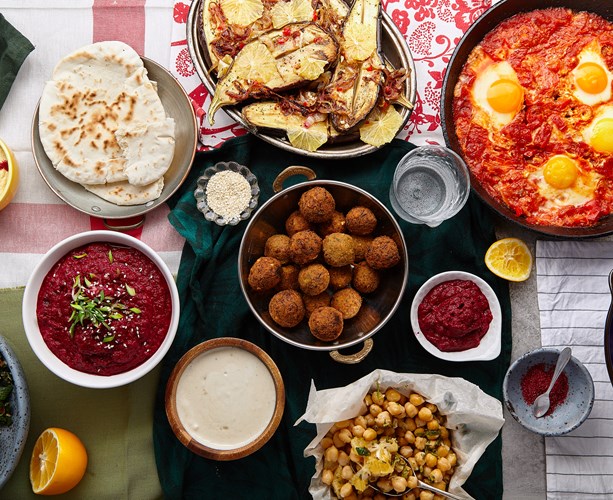
An institution in the Old City, Abu Shukri offers great value for money, serving Middle-Eastern cuisine for every budget: this traditional, unassuming restaurant is a favourite among locals, and prepares delicious hummus and falafel served with pita bread and vegetables. It is only open for lunch, and it's usually quite crowded.

American Colony Hotel
American Colony Hotel
A dinner in this historical palace is worth its price, if only for the beautiful location and peaceful, charming interiors. Found near the Damascus Gate, the building was formerly a pasha's estate, converted into a hotel in 1902. Inside, there are several high-class eateries open for non-guests: the Arabesque dining room specialises in Middle-Eastern cuisine, while Val's Brasserie Lounge offers European dishes. Underground you will find a popular, atmospheric Cellar Bar, for a refined drink after dinner.

Azura
Azura
Another well-loved and unpretentious spot for lunch, Azura serves Iraqi Jewish dishes in huge portions and also features many alternatives in the Jewish Fusion Style. The Cube Soup is a must-try. The restaurant is located in the Iraqi section of the Mahane Yehuda Market and has tables to sit outside. Expect to find it packed with people.

Azzahra
Azzahra
Try out authentic Palestinian cuisine at Azzahra, located in a beautiful mansion only a ten minute walk away from the Old City. If in doubt, choose their typical, well-reviewed makloubeh: its Arab name literally means "upside down", because this dish of lamb, rice and toasted almonds is served upside down after cooking. Their bakdoonsiyyeh, a parsley salad served with bread and tahini dip sauce, is also recommended. They also offer stone-baked pizzas, and their wine list is extensive.

Chakra
Chakra
Lively and elegant, Chakra boasts a creative and eclectic choice of dishes, accompanied by an extensive list of drinks. Located in the centre, it's the perfect place to taste different specialities – share with your friends, and maybe order a tasting menu. Just be aware that the prices are rather high.

First Station
First Station
Inaugurated at the turn of last century, this Ottoman building no longer operates as a train station, and has been transformed into a lively entertainment, culture and leisure complex. There's always something going on and plenty of restaurants to choose from, especially for dinner, when live music is played and the atmosphere is vibrant. Take the occasion to explore the nearby downtown area in the new part of Jerusalem.

HaMotzi
HaMotzi
Experience some North African cuisine in this kosher restaurant, whose creative chef mixes traditional Algerian recipes with elements from Jerusalem. In a central position inside the Old City, the restaurant is set in an ancient building, and carefully re-decorated — in a North African-inspired style, of course.

MachneYuda
MachneYuda
Loved for its vibrant, typically loud atmosphere, the MachneYuda restaurant offers great food, and music to dance to while the staff sing. They use fresh ingredients from nearby stalls of the Mahane Yehuda Market and change the menu according to seasonal produce availability. While in the Old Town, make sure to give it a try.

Austrian Hospice
Austrian Hospice
Located in the centre of the Old City, this guesthouse cafe boasts a stunning view from the rooftop and beautiful gardens. The menu is typically Austrian, with Strudel and different types of coffee. The first national pilgrim guesthouse in Israel, Austrian Hospice opened in 1863. Its architecture is inspired by the beautiful palaces of the Ring, in Vienna. Stop for a coffee break or a refreshing beer.

Bassem Gallery & Cafe
Bassem Gallery & Cafe
While visiting the Via Dolorosa, in the Old City, stopping at Bassem's is recommended. Its interiors are a burst of red and golden Middle-Eastern decor, and every corner is full of interesting items to buy. While enjoying the coffee and music, take a look at the books and ask the warm-hearted owner for some tips.

Cofix
Cofix
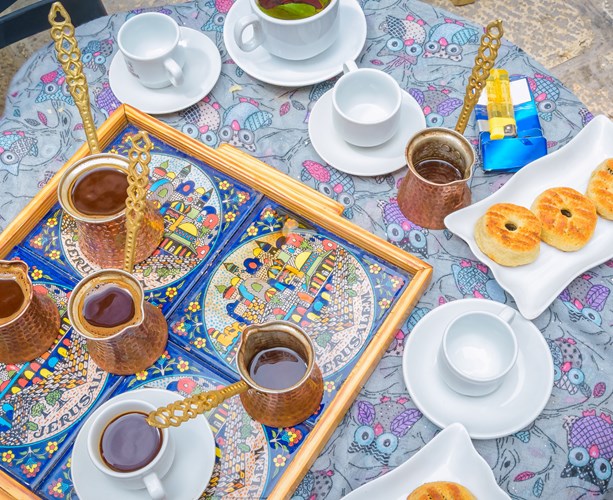
For a traditional coffee break, Cofix offers a wide range of beverages. The company has several branches around the city: the one in question is in the vibrant quarter of Nahalat Shiva, a few steps away from the Old City.

Jaffar Sweets
Jaffar Sweets
A highly recommended destination for typical middle eastern pastries, Jaffar Sweet is said to prepare the best knafeh pastry in all of Jerusalem. Knafeh is based on goat cheese and syrup, and it's a must try. Other specialities are murtabah, a stuffed pancake, and burma, a wrap of twisted dough and cashews. The pastry shop is tucked away in a busy, crowded street of the Muslim Quarter market. Search for it among clothing and souvenir stals: you won't regret it.

Mousseline Ice Cream Parlor (Mahane Yehuda)
Mousseline Ice Cream Parlor (Mahane Yehuda)
Need something sweet and refreshing? Mousseline's ice cream is one of the best and most loved in the city: it tastes homemade and comes in a variety of flavours, including some very unusual must tries — their wasabi-flavoured ice cream is probably a once-in-a-lifetime experience.

Tmol Shilshom
Tmol Shilshom
The half old-fashioned, half hippie decor give this central coffee shop a cosy, intimate vibe, and make it the perfect relaxing spot after hours of sightseeing. They serve breakfast, lunch and snacks, and are also well-loved among locals. Food is tasty - try their shakshuka, a delicious poached egg dish.

Beer Bazaar
Beer Bazaar
One of the best beer places in Jerusalem, Beer Bazaar is located in the Mahane Yehuda market. It offers a wide menu of more than 100 locally produced craft beers, which has earned it many great reviews — especially for the IPAs. Expect the place to be crowded, mostly on Thursdays.

Cactus9
Cactus9
A chill place to dance to electronic music and dubstep and sip on cocktails, this disco bar has a cosmopolitan, underground atmosphere and hosts DJs every night. The staff is friendly and relaxed, prices affordable, and crowds made up primarily of hipsters and students. Cactus9 is mostly frequented by locals, but newcomers are heartily welcomed.

Gatsby Cocktail Room
Gatsby Cocktail Room
As suggested by the name, this bar oozes retro glamour, with a sophisticated decor inspired by speakeasy bars of the Prohibition era. Cocktails are as cool and stylish as the interiors, and their food is much appreciated. Not far from the Old City, Gatsby is tucked away in an ordinary street, but it's worth the trip.

Glen Whisk(e)y bar
Glen Whisk(e)y bar
Listing hundreds of whiskey options (literally), this well-loved bar is a few steps away from Jaffa Gate. It also offers good burgers, and a careful selection of craft beers. The ambience is vibrant, and prices are fair. Try Arrack, an Israeli anise spirit with a heavy liquorice taste.

Jerusalem Cinémathèque
Jerusalem Cinémathèque
Located in an atmospheric setting on Hebron Hill, this historical cinema was opened by a couple of movie enthusiasts in the 1970s. Today it has a hugely varied program of night screenings: classics, art film from all over the world, commercial works, and rare finds from the owners' archives. The Cinémathèque also hosts several film festivals.

Mazkeka
Mazkeka
An alternative event venue, Mazkeka is best known for its concerts, which feature avant-garde music proposals, a great sound system and an eclectic mix of genres. The place is a lively cultural centre and lab, also focusing on performing arts, film and new media; it hosts famous personalities as well as emerging artists. Frequented by hip people, it also serves nice drinks, excellent pizza and typical brunch dishes.

The Sira Pub
The Sira Pub
An institution in Jerusalem, Sira is a carefree (if somewhat chaotic) student bar offering good beer and a crowded dance floor. DJs play electronic music as well as jazz and funk, keeping up a cool eclectic mix.

Yellow Submarine
Yellow Submarine
This concert venue boasts a rich offer of live music in different genres, and has been a favourite in Jerusalem for almost 30 years. Head to their performance stage and bar to discover Israeli and international artists — the complete list of events is available on their website.

Alrov Mamilla Avenue
Alrov Mamilla Avenue
This big, fancy open air shopping mall is located close to the Old City, and offers a huge range of stores — from locally owned boutiques and Israeli design to high end fashion brands and affordable stores like Zara and Mango. The street is full of street artists, painters and musicians, and there's plenty of cafes and dining options.

Baltinester Bros. Jewelry
Baltinester Bros. Jewelry
For an unique, luxury souvenir of your trip, visit one of the most loved jewellery shops in Jerusalem. Baltinester Bros. have been working since 1949: they create custom pieces of jewellery, greeting every customer with friendly and knowledgeable service. They also sell Judaica.
Bassem Gallery & Cafe
Bassem Gallery & Cafe
While visiting the Via Dolorosa, in the Old City, stopping at Bassem's is recommended. Its interiors are a burst of red and golden Middle-Eastern decor, and every corner is full of interesting items to buy. While enjoying the coffee and music, take a look at the books and ask for some tips to the warm-hearted owner.

Holzer Books
Holzer Books
Every available shelf at Holzer Books is packed with volumes, both new and second hand: this atmospheric bookshop near the Old City has an impressive selection of texts in Hebrew, English, and more languages. Cultural events, talks and laboratories are frequently held in the cosy reading area upstairs.

Hutzot Hayotzer Artists Colony
Hutzot Hayotzer Artists Colony
Established in 1967, this lane hosts more than 20 art shops: come for a variety of handmade craft products, including jewellery, metal art, paintings, sculptures, photography, and pottery. You can meet the creators in a lively environment, and find both traditional and modern items. The Collective is found near the Mamilla Mall and on the way to the Old City. In August, during the Jerusalem Arts and Crafts Festival, you can visit the artists' studios and listen to live music at night.

Old City Markets
Old City Markets
The Old City teems with stalls and vendors selling a wide array of typical items: religious items such as rosaries and crucifixes, nativity sets and Christmas decorations, wood-carved chess, semi-precious stones and much more. The restored Cardo used to be the city's main street during Roman times, and today its stalls sell souvenirs and Judaica ceremonial art; you will also find jewellery and artwork, well-made but often high-priced. The Jewish Quarter is filled with bronze menorahs, kippahs and other traditional craftwork.

Ophir
Ophir
Don't miss a visit to Ophir: open since 1956, this shop is an institution. Their jewellery is hand-crafted and draws inspiration from the European Victorian and Art Deco eras, as well as from Middle Eastern tradition. The collection of antiques is curious, unusual and well-selected. Prices are high, but fair.

Sofia
Sofia
Another interesting spot for fashion lovers, this stylish gallery boasts a carefully selected collection of clothing and accessories from local brands. Quality materials and exciting design are showcased in a tastefully decorated interior, and the staff is ready to give help and suggestions.

Best Time to Visit
Best Time to Visit
Jerusalem is pleasant to visit at any time of year. For affordable prices, relatively limited visitor numbers, and warm, enjoyable weather, choose March-May and October-November. Summer is peak season, and hosts the busy, interesting Jerusalem Season of Culture festival. Temperatures are high (around 25 to 35 °C, possibly more), and the city is packed with people. Winters are cool, much more than in nearby Tel Aviv, and can have unpredictable weather. The city gets particularly crowded and expensive during Jewish holidays (High Holy Days, Passover, and Sukkot) and the Christian Easter.

Passport/Visa
Passport/Visa
To visit Israel, your passport should be valid for at least the duration of your stay. While Israel recommends six months of validity, it's no longer a strict requirement as long as your passport remains valid during your visit. Most visitors from countries with visa exemption agreements, including the EU, USA, Canada, and Australia, can enter Israel for up to 90 days without a visa. However, as of August 2024, an Electronic Travel Authorization (ETA-IL) must be obtained online at least 72 hours before travel. For those from non-exempt countries, a visa is required in advance. In addition, Israel issues an entry card instead of stamping passports, which helps avoid complications when travelling to certain Arab or Muslim countries. Carry your passport if you plan to visit Palestinian territories, as it may be required at checkpoints.

Tel Aviv-Ben Gurion Airport (TLV)
Tel Aviv-Ben Gurion Airport (TLV)
Jerusalem does not have an airport within the city, but the closest airport is Ben Gurion International Airport, located around 50km away. This is the main international airport in Israel and offers many flight options from various destinations around the world. From Ben Gurion Airport, you can reach Jerusalem by taxi, shared shuttle, or train. Taxis and shared shuttles are available at the airport terminal. Taxi ranks at the airport are found at ground level at the Gate 3 exit, and on the second level at the Gate 21 exit. To help you hail a taxi, a taxi dispatcher service is available at two locations: Terminal 3, Level G, Gate 42 exit; or Terminal 1, near Gate 3. Alternatively, you can take the cheaper bus 485, run by the Afikim company. It goes from the airport to Jerusalem's Central Bus Station and runs around the clock 6 days a week, excluding Shabbat. The last service is at 2 pm on Friday, followed by the next bus at 7 pm on Saturday. The train station is located at the airport itself, at level S. The train is a convenient option as it offers a direct connection between the airport and Jerusalem–Yitzhak Navon Station, with a travel time of around 25 minutes. It is important to note that security measures are strict in Israel, especially at the airport, so be prepared to go through a thorough security check.

Public Transport
Public Transport
Public transport in Jerusalem includes an extensive bus network and a light rail line, operated by companies like Egged and CityPass. To use the system, you must have a 'Rav Kav' smart card, which can be purchased and reloaded at various locations, including bus and light rail stations, kiosks, and convenience stores. Tickets cannot be bought on board, so make sure your Rav Kav card is loaded with sufficient credit beforehand. The bus network covers the entire city, with key hubs around the Central Bus Station and the Downtown Triangle. The light rail runs from Mount Herzl to Pisgat Ze'ev, passing through major areas like Jaffa Road and the Mahane Yehuda Market, with the Mount Herzl station conveniently located near the Yad Vashem memorial. For planning routes, use official public transport apps or the Egged website for real-time information.

Taxi
Taxi
Taxis are widely available in Jerusalem, and they are usually white with a yellow sign on the roof. They run on meters, but it's a good idea to agree on a price beforehand to avoid any issues. It's also common to tip the driver a small amount, around 10% of the fare. You can hail them on the street, call their phone number, or ask your hotel reception. There is a small additional fare if you call by phone, and the tariff is higher at night (9pm–5:30am), on Friday afternoons and Saturdays, and on holiday eves. Make sure the taxi driver turns on the meter when you get in. For trips outside of town, you might want to negotiate a fare with the driver instead of using the meter. Ridesharing apps such as Uber (only with licensed cab drivers) and Gett operate in Jerusalem, and they can be a convenient and reliable option for transportation.

Electricity
Electricity
Israel operates on a 230V supply voltage and 50Hz. You will usually find plug type C (two round pins, common in Europe). You can also see plug H (three pins in a triangular shape), which is compatible with type C.

Health & Safety
Health & Safety
Medical care in Jerusalem is very good but very expensive — make sure you have good medical insurance for your trip. Although Jerusalem isn't usually a dangerous city, it's better to avoid the Old City at night. With Palestinian-Israeli issues coming to a boil, areas around places of worship in the Old City can become contentious, especially at noon on Friday. It is important to note that trips to the Gaza Strip, the West Bank, and Syrian and Lebanese borders must be carefully considered and require extra precautions. Make sure you get all the information you need and up-to-date travel and safety advice issued by your government prior to travel.

Pharmacy
Pharmacy
Pharmacies take turns being open on Shabbat. To find where an open pharmacy is during these off-hours, dial 106 from any local phone.
:no_upscale()/LocalImage/PictureLibrary/Middle%20East/Israel/Jerusalem/Israel%20Jerusalem%20Mosque.jpg)

Let’s plan your next vacation
Let us take care of all the details to create the perfect trip for you. With our expertise and personalized service, we will ensure that every moment of your trip is special and unforgettable. Get ready to embark on a dream adventure!