
Details for Riga
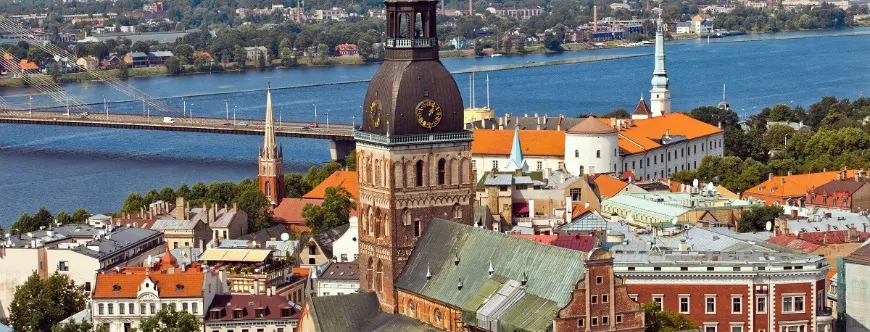


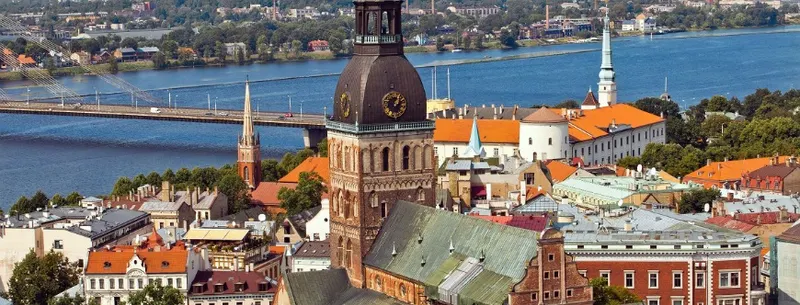
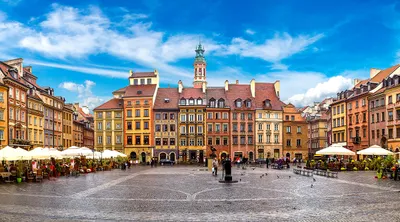
Riga is not only a pretty sight with its tall church steeples pointing to the sky, but it is also the most dynamic capital of the Baltic States. Riga is a vibrating big city, with broad avenues, majestic Art Nouveau palaces, trendy cafés, restaurants, clubs, and shopping centres. Tourism is booming and the opening of restaurants with specialities from the most remote parts of the world please the increasingly cosmopolitan locals, as well as visitors from afar. For art lovers, a simple walk around the city centre may be enough excitement: Riga is, above all, famous for its spectacular Art Nouveau architecture. There is no other European city with so many buildings featuring the particular 19th-century style. The easiest way to discover architectural extravaganza not likely to be seen elsewhere is to simply walk around with your head up.
628,000 (2021)
Euro (EUR) €1 = 100 cents
Emergency: 112
Fire&Rescue: 01
Police: 02
Emergency Medical Services: 03
Shops in Riga are normally open 9am–5pm on weekdays while on weekends opening hours are reduced. Shops are open on Sundays at their own discretion. Most supermarkets are open until 10pm.
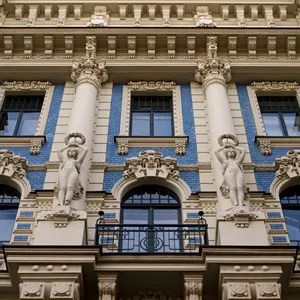
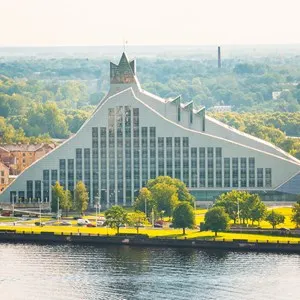
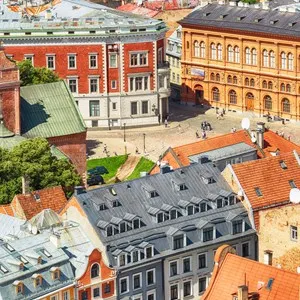

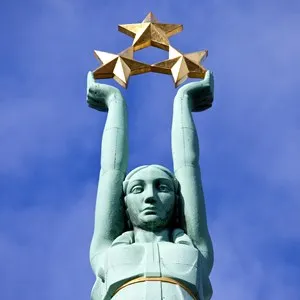
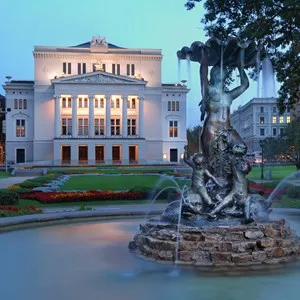
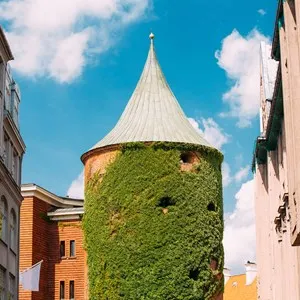


















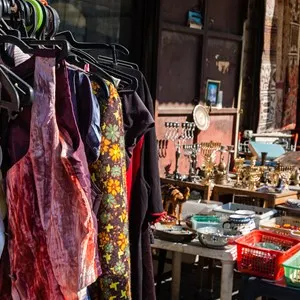

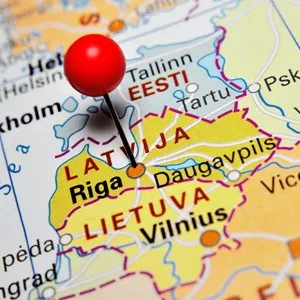





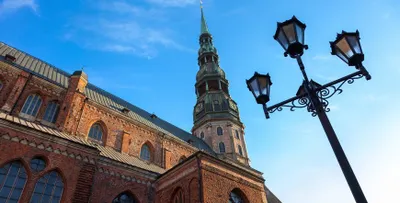
Riga, the capital of Latvia, boasts a rich tapestry of history and culture. Must-see attractions include the Old Town, a UNESCO World Heritage Site, where you can explore medieval streets and landmarks like the House of the Blackheads and St. Peter's Church. The Art Nouveau district is another highlight, featuring stunning architecture. Don't miss the Central Market, one of Europe's largest, housed in old Zeppelin hangars. For a touch of nature, visit the lush Bastejkalna Park.
Riga has an efficient public transportation system, including buses, trams, and trolleybuses. The city center is compact, making it easy to explore on foot. For longer distances, consider purchasing an e-ticket for public transport, which offers convenience and savings. Taxis and ride-sharing services like Bolt are also available, but ensure they are metered or agree on a fare beforehand.
The best time to visit Riga is during the late spring and summer months, from May to September, when the weather is pleasant and various festivals take place. The Midsummer Festival in June is particularly popular, celebrating the summer solstice with traditional songs and dances. Winter, while cold, offers a magical atmosphere with Christmas markets and snow-covered streets.
A stay of 3 to 4 days is ideal to explore Riga's main attractions at a leisurely pace. This allows time to visit the Old Town, Art Nouveau district, Central Market, and take a day trip to nearby destinations like Jurmala, a seaside resort. If you're interested in museums and cultural experiences, consider extending your stay to fully appreciate the city's offerings.
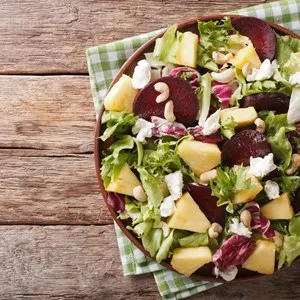
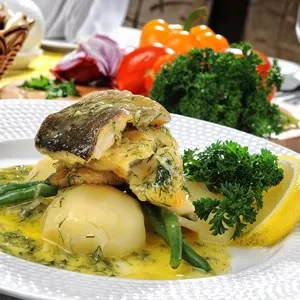
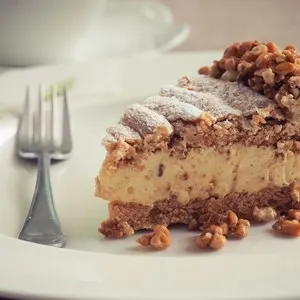
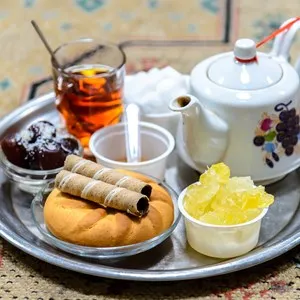
In Riga, you can savor traditional Latvian cuisine, which is hearty and flavorful. Try dishes like 'grey peas with bacon,' a popular winter dish, and 'sklandrausis,' a sweet pastry made with rye dough and carrot filling. 'Rupjmaize,' a dark rye bread, is a staple, often served with meals. For dessert, indulge in 'kliņģeris,' a sweet bread with almonds and raisins.
Riga hosts several unique cultural events throughout the year. The Riga Opera Festival in June showcases performances by the Latvian National Opera. The Riga City Festival in August offers concerts, parades, and street performances. Additionally, the Latvian Song and Dance Festival, held every five years, is a grand celebration of Latvian culture, featuring thousands of performers.
Riga is an excellent base for day trips to explore more of Latvia. Jurmala, just a 30-minute drive away, offers sandy beaches and a charming town center. The Gauja National Park, about an hour's drive, is perfect for nature lovers, with hiking trails and medieval castles like Turaida. For history enthusiasts, the Rundāle Palace, a Baroque masterpiece, is a must-visit and can be reached in about 1.5 hours.