
Details for Rome
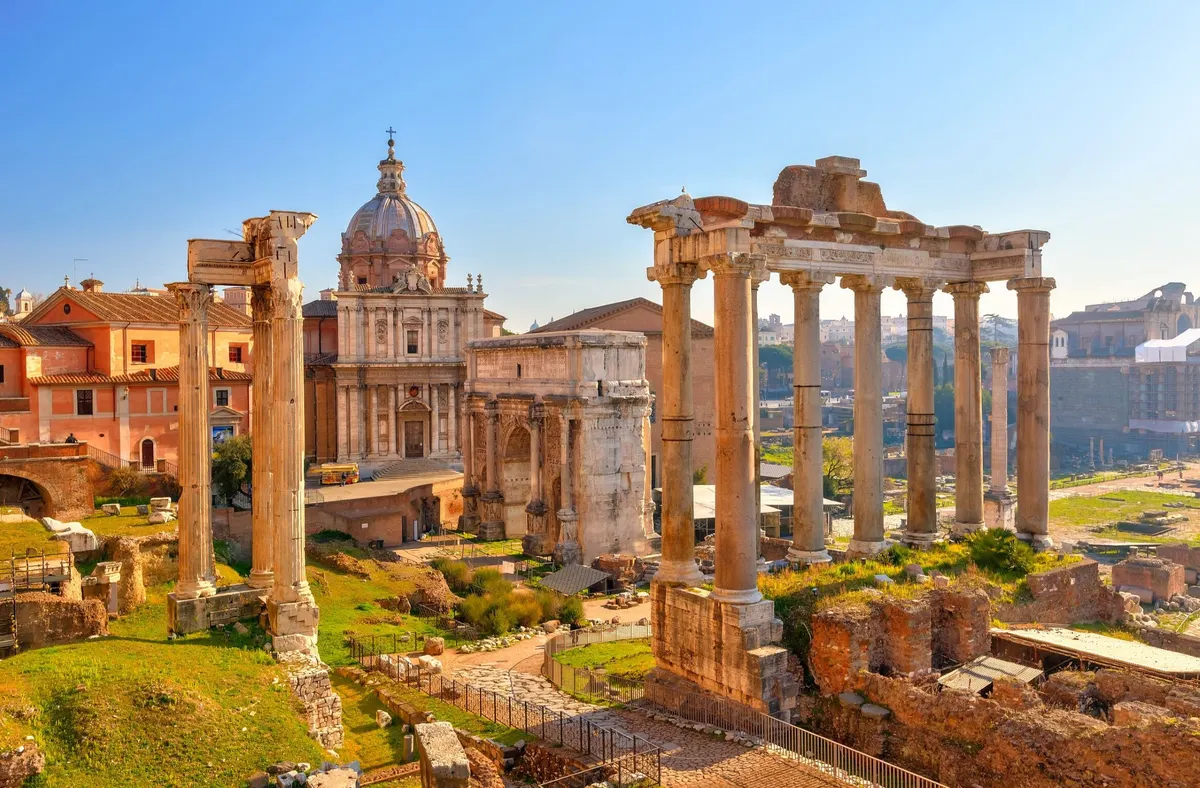
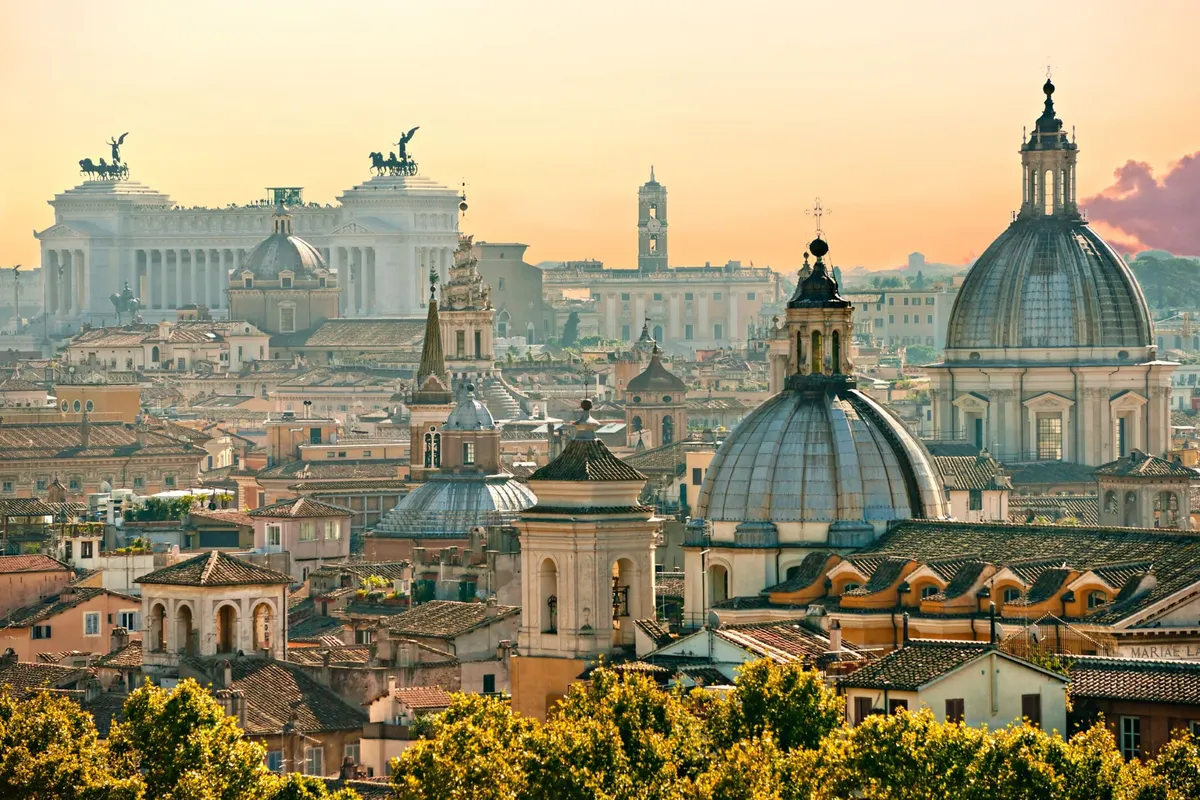
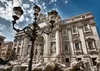

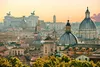

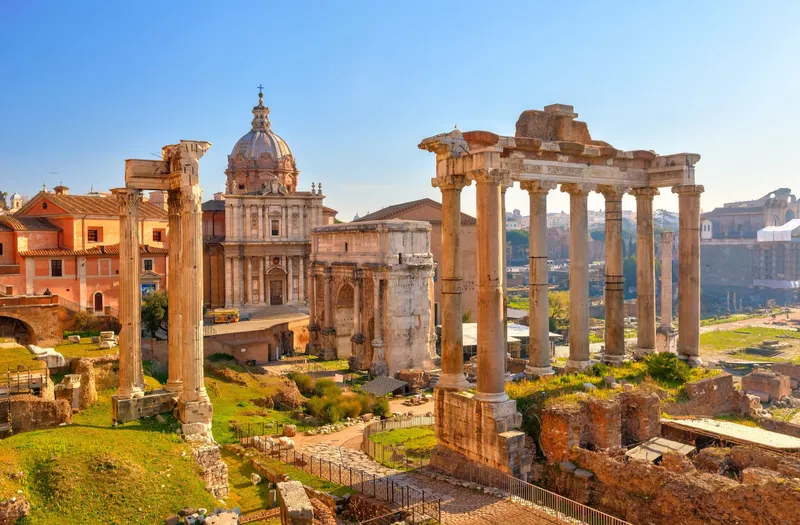
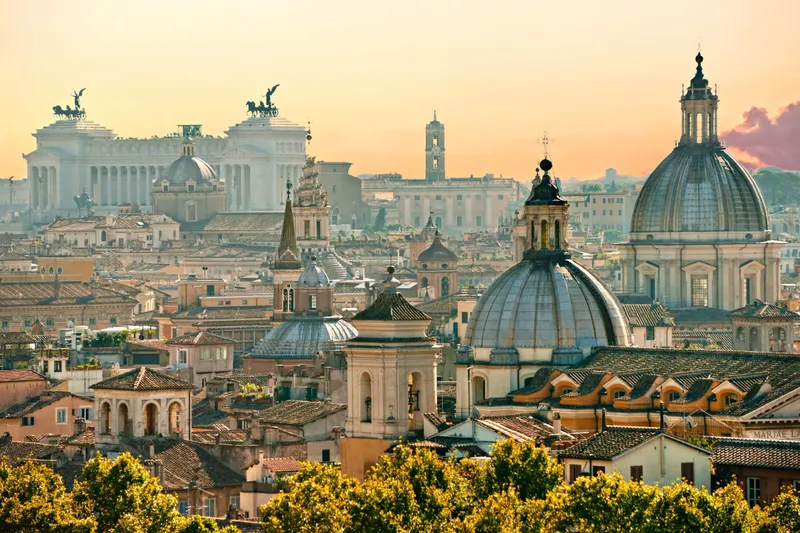
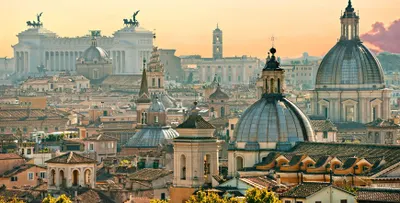
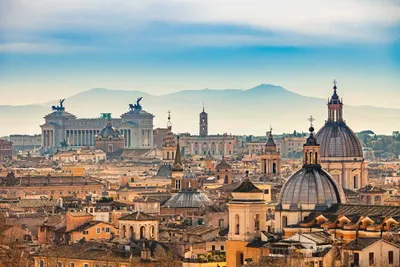
Where should one begin to summarise the history of the Eternal City? A good date might be 21 April 753 BC, when Romulus founded the city after murdering his twin brother Remus. During the following centuries, Rome grew into a powerful empire, peaking during the rule of Marcus Aurelius in 161-180 AD. Like the ancient city, today's Rome is built on seven hills: Capitolino, Palatino, Quirinale, Viminale, Esquilino, Celio, and Aventino. The central area is called Campo Marzio, named after the Roman God of war, and was the ancient army’s training grounds. This is where many of the famous sights are located. Other well-known areas are Trastevere, on the other side of the Tiber River, and Monti. Little Pigneto is considered to be the most typical Roman neighbourhood.
4.3 million (2025)
Euro (€, EUR)
Emergency: 112
Fire brigade: 115
Medical: 118
Police: 113
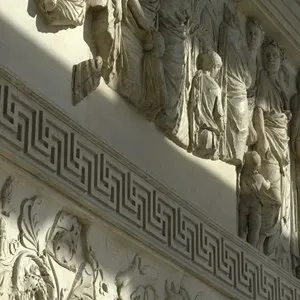
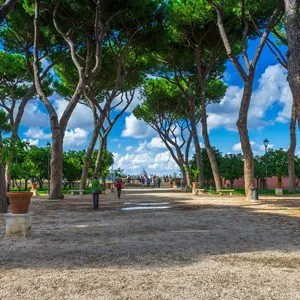
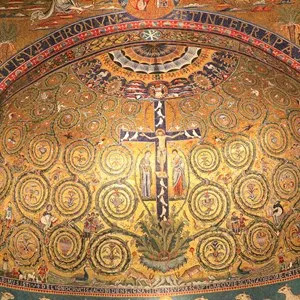
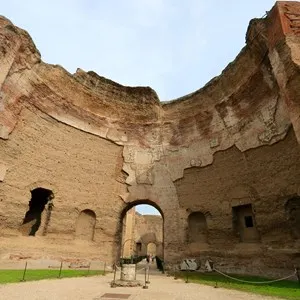
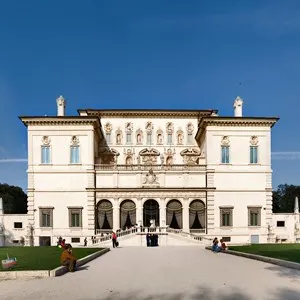
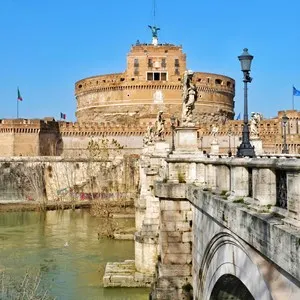

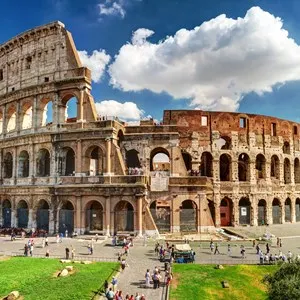

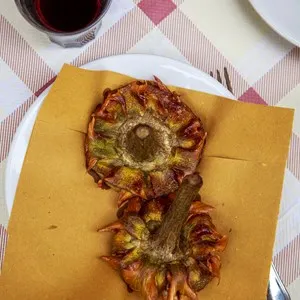
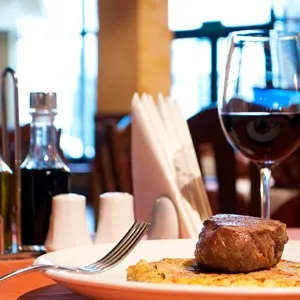
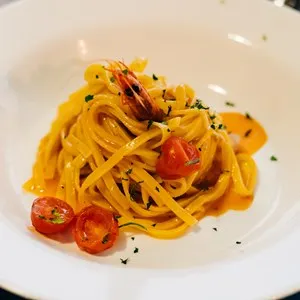
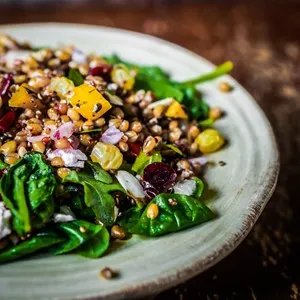

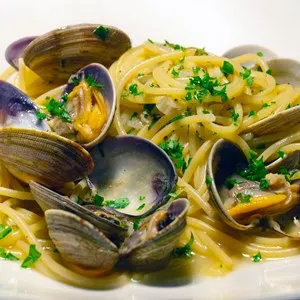







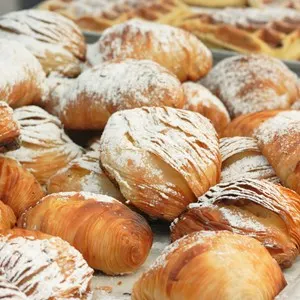














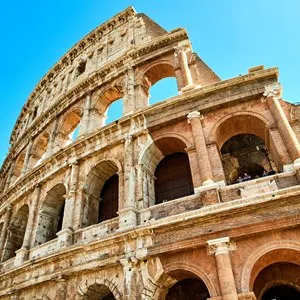






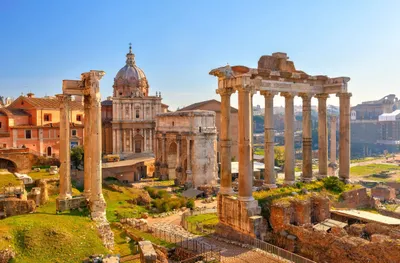
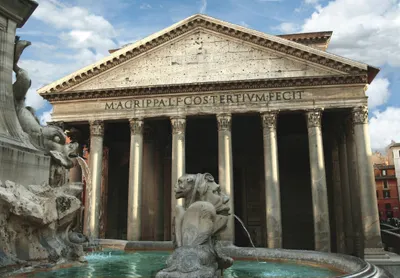
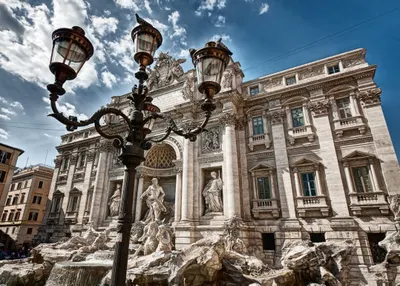
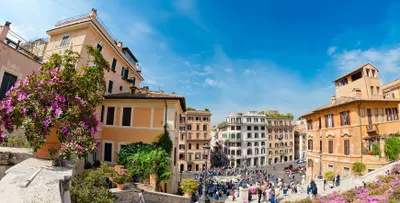
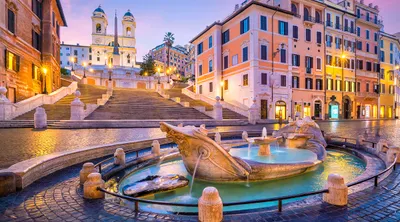
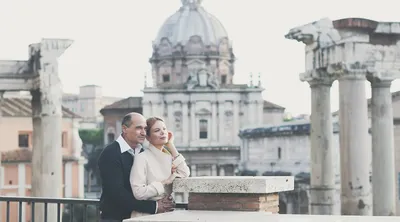
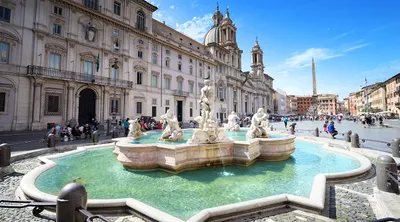
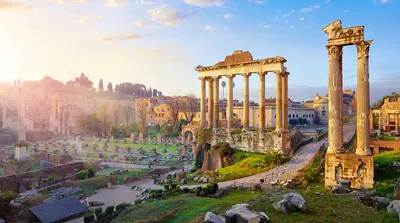
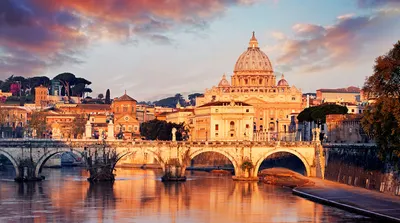
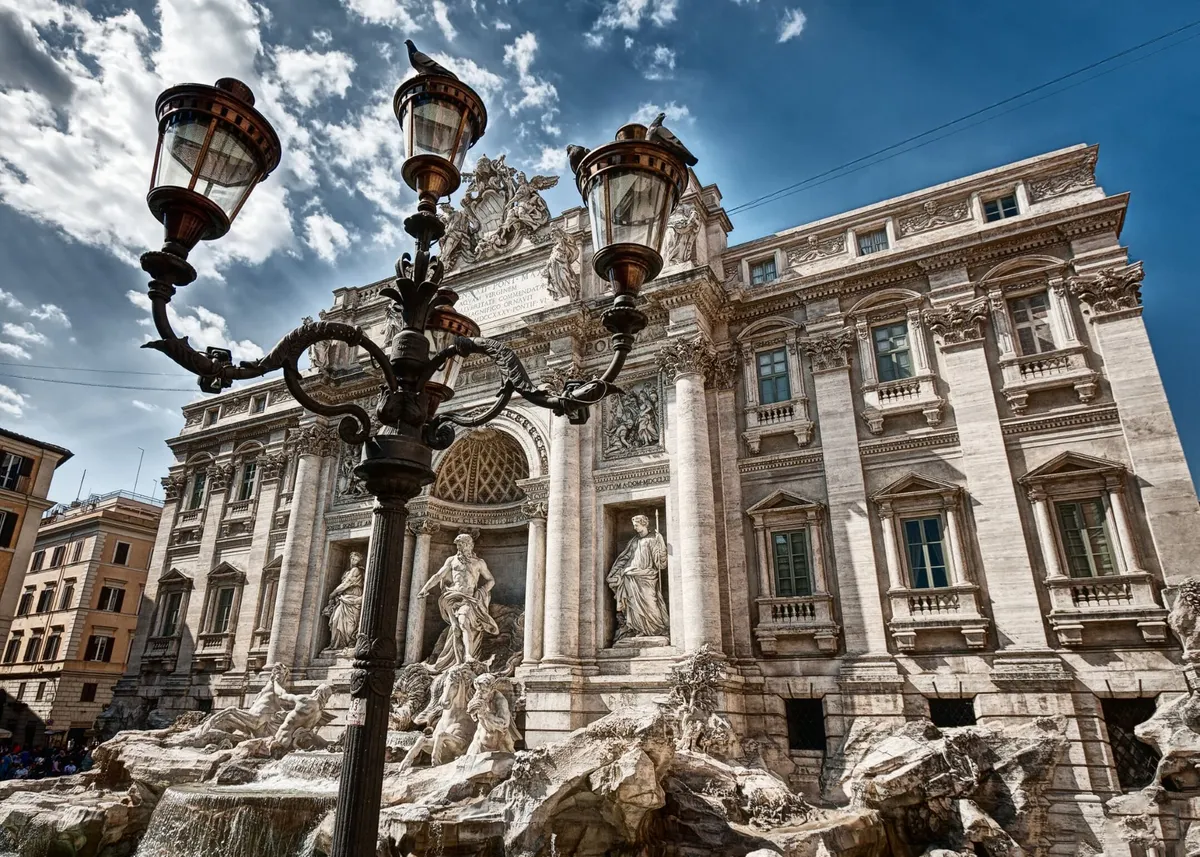
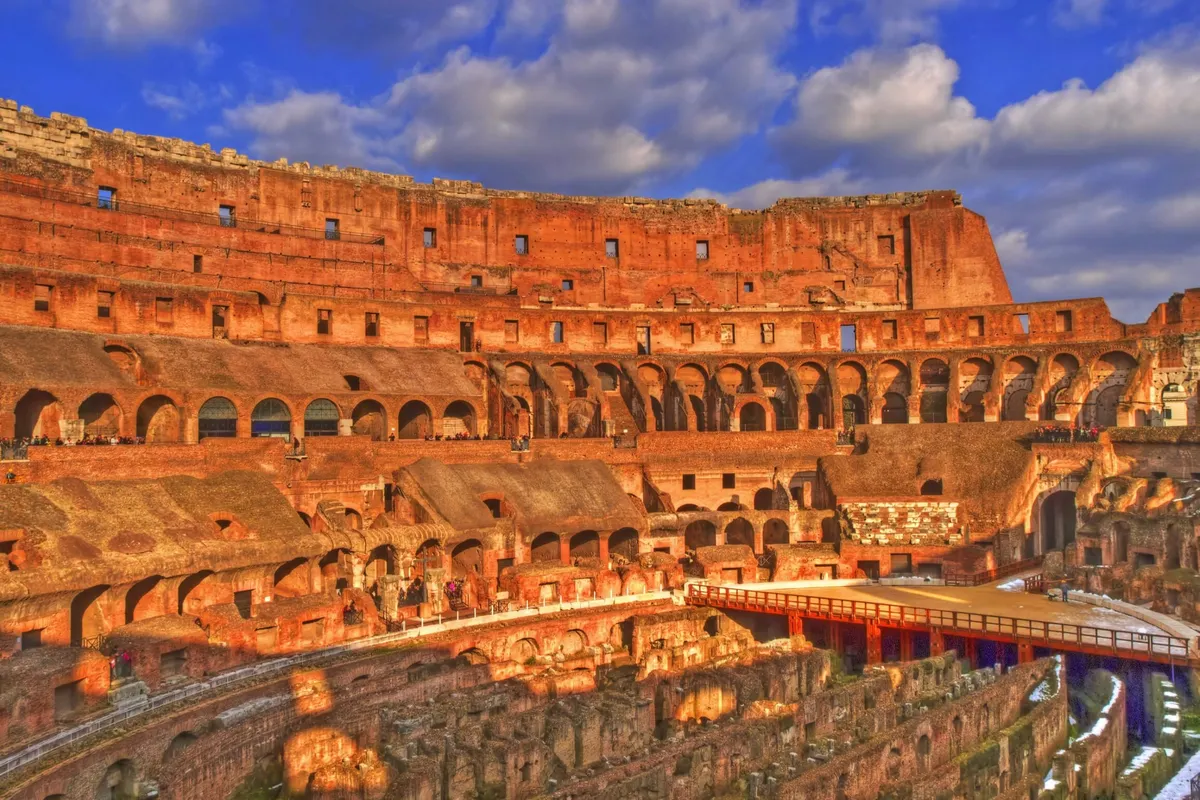
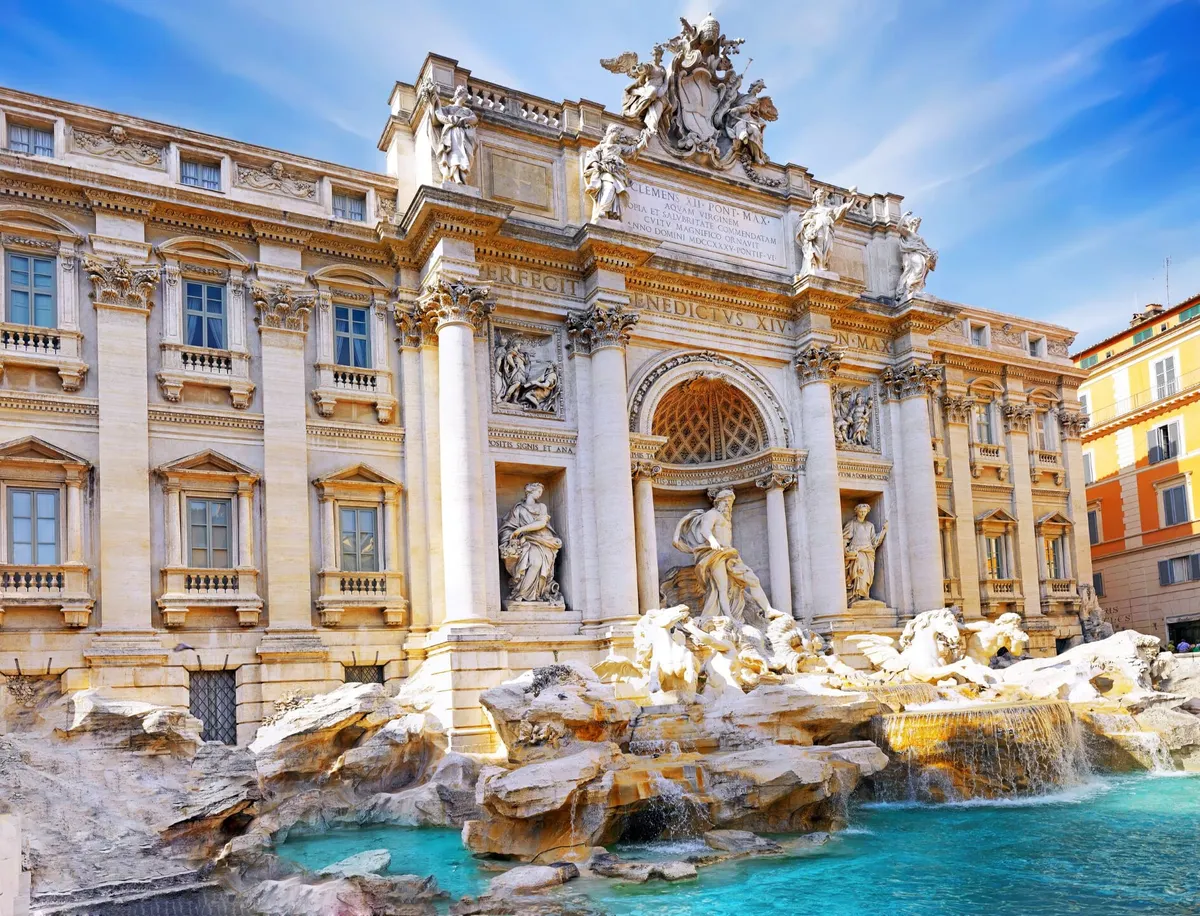
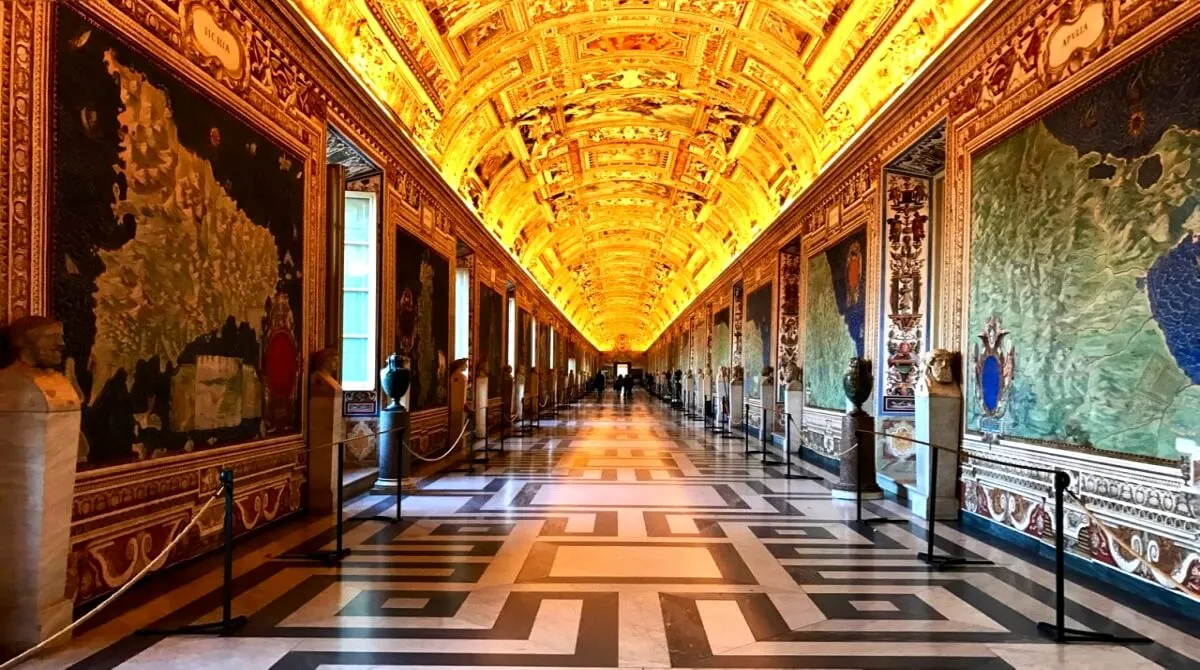
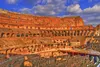
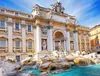
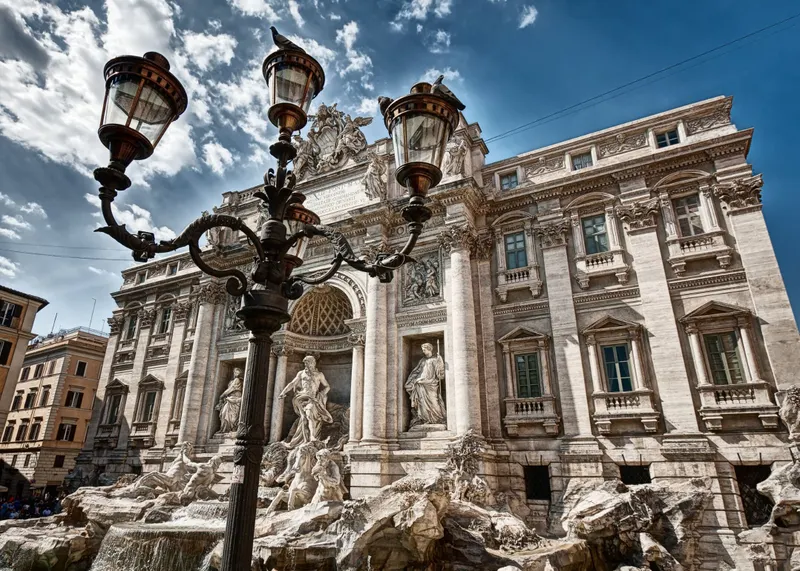
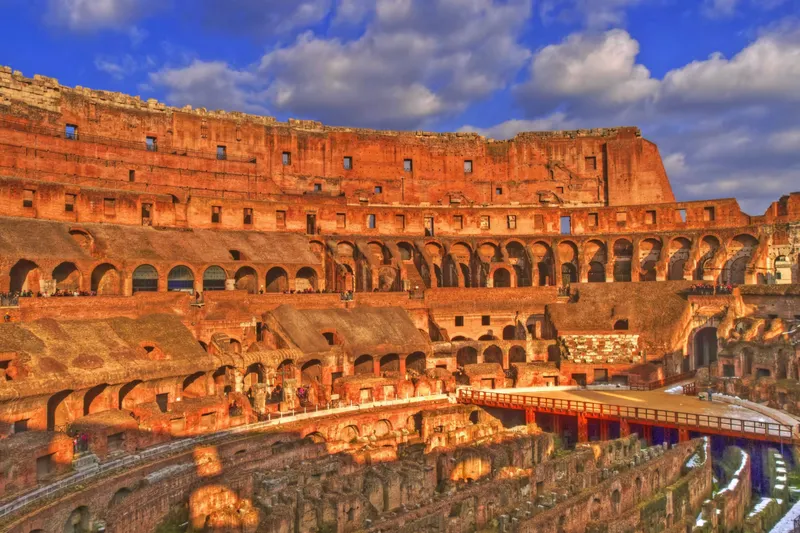
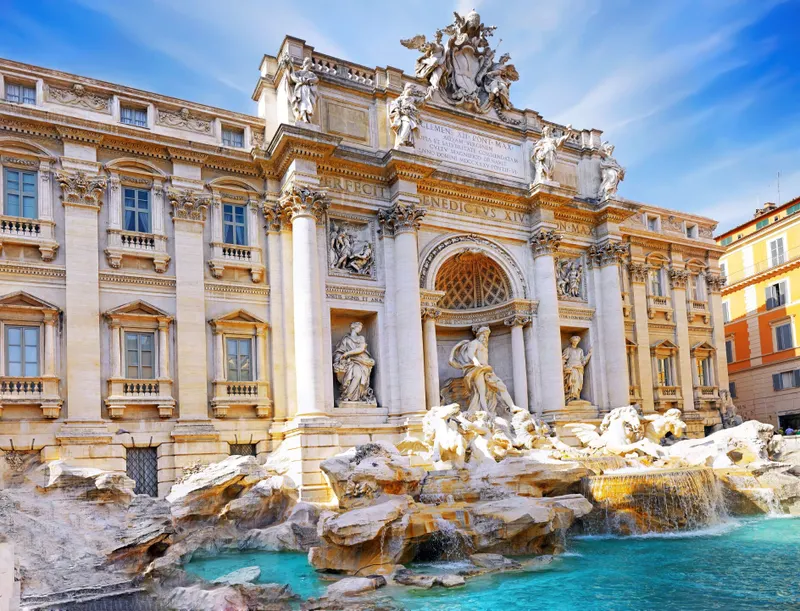
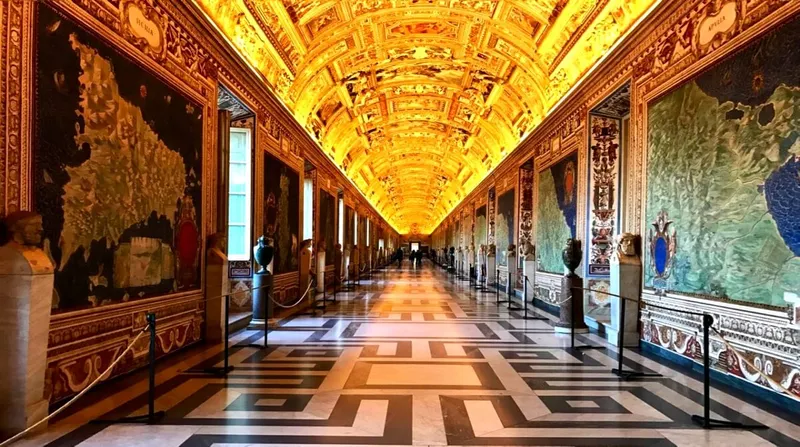
Rome is brimming with iconic landmarks. Must-see attractions include the Colosseum, the Roman Forum, and the Pantheon, which showcase the city's ancient history. Don't miss Vatican City, home to St. Peter's Basilica and the Sistine Chapel. The Trevi Fountain and Spanish Steps are also popular spots, perfect for soaking up the city's vibrant atmosphere.
To fully experience Rome's main attractions, plan to spend at least 3 to 4 days. This allows time to explore the ancient ruins, Vatican City, and enjoy leisurely strolls through charming neighborhoods like Trastevere. Additional days can be used for day trips to nearby destinations such as Tivoli or Ostia Antica.
Rome's public transportation system is efficient and includes buses, trams, and a metro. The metro is often the fastest way to travel longer distances, while buses and trams are great for reaching areas not served by the metro. Walking is also a wonderful way to explore Rome's historic center, as many attractions are within walking distance of each other.
The best time to visit Rome is during the spring (April to June) or fall (September to October) when the weather is mild and the crowds are smaller compared to the peak summer months. These seasons offer pleasant temperatures for sightseeing and outdoor dining.
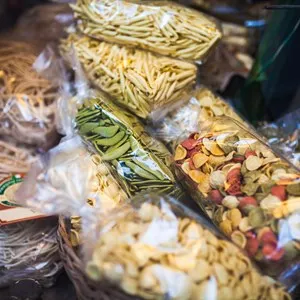
Rome is famous for its traditional cuisine. Be sure to try classic dishes like "cacio e pepe" (pasta with cheese and pepper), "carbonara" (pasta with egg, cheese, and pancetta), and "supplì" (fried rice balls). For dessert, enjoy "gelato" or "tiramisu". Pair your meals with local wines or an espresso.
When visiting Rome, it's important to dress modestly, especially when visiting religious sites like churches and the Vatican. Cover your shoulders and knees. Italians value politeness, so greet people with a "buongiorno" (good morning) or "buonasera" (good evening). Tipping is appreciated but not mandatory; rounding up the bill or leaving small change is customary.
For unique experiences in Rome, consider taking a cooking class to learn how to make traditional Italian dishes. Explore the Appian Way, one of the oldest roads in Rome, or visit the Catacombs for a glimpse into ancient burial practices. Attend a local market like Campo de' Fiori for fresh produce and authentic Roman atmosphere.