
Details for Salzburg
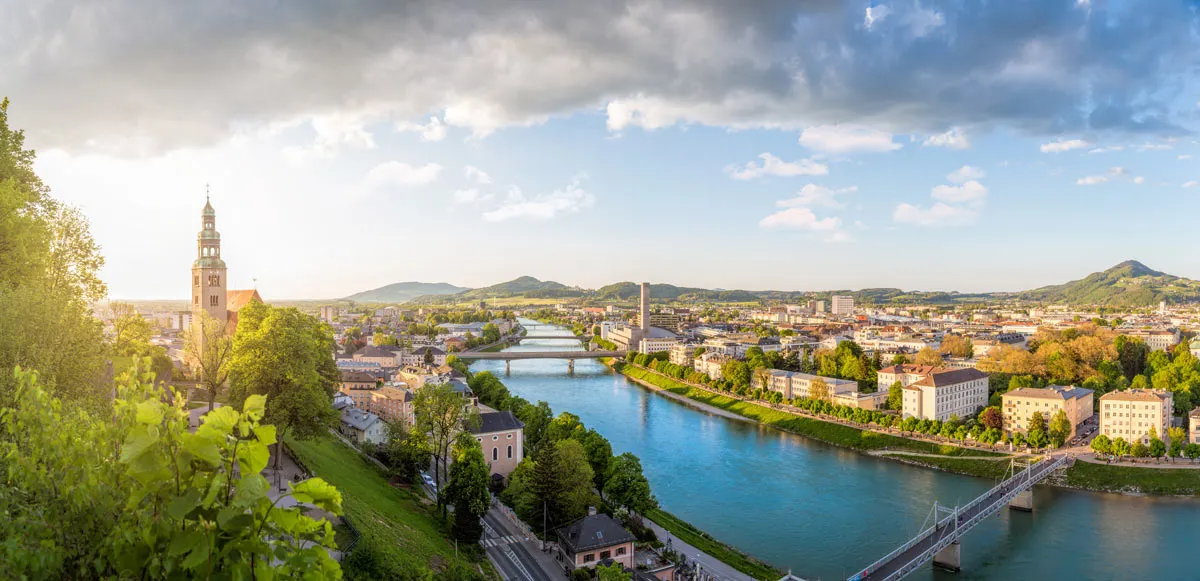
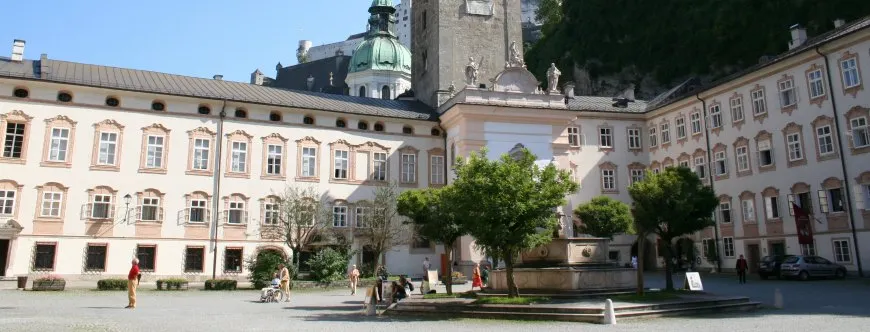

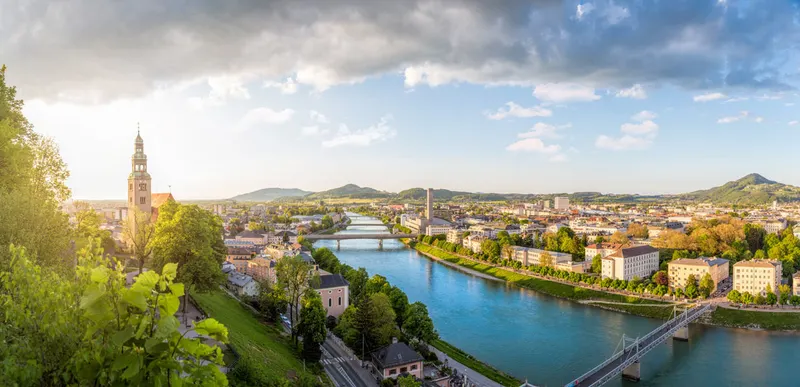
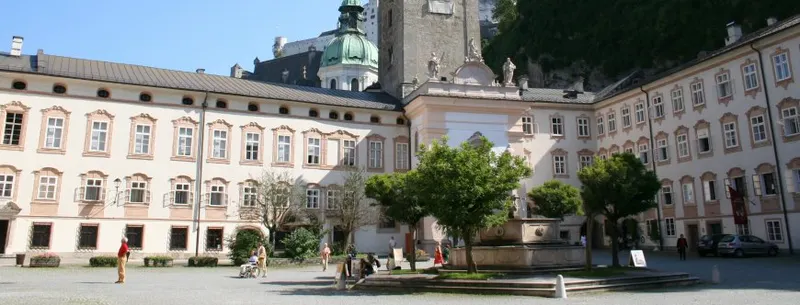
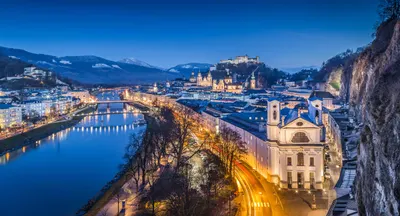
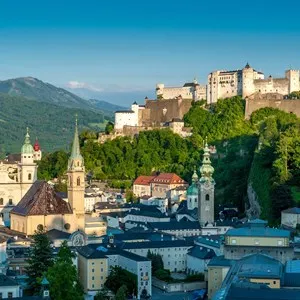
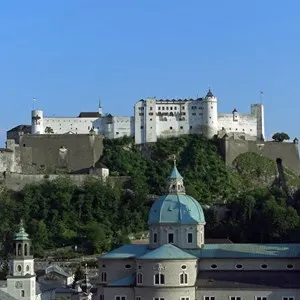
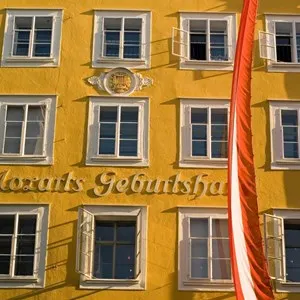
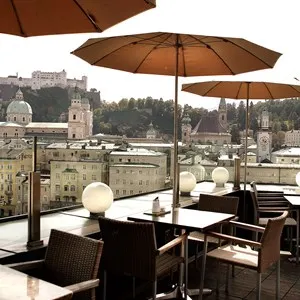
Salzburg was originally known as Juvavum, a trading stop on one of the Roman Empire’s most important routes. It declined during hard times after the Goths’ attack on Rome, and as the western part of the empire declined, so did Salzburg. All that remained was a small village. In 696 AD the city was revived. Bishop Rupert was so fond of the area’s beauty that he re-named it Salzburg after the river Salzach and made it an Episcopal See. His successors, the bishops Wolf Dietrich, Markus Sittikusand, and Paris Lodron, were instrumental in creating the Salzburg we know today, especially its majestic Baroque churches, palaces, and castles. Most of the cultural treasures, including the Altstadt (the Old Town) and the Hohensalzburg fortress, are in the western part of the city known as Salzachufer. One of the world’s most outstanding geniuses, Wolfgang Amadeus Mozart, was born here in 1756. His place of birth, Hagenauer Haus, still stands to this day. After World War II, Salzburg became one of Austria’s most important commercial centres as well as one of its largest tourist destinations. One of the major reasons was the 1964 film, "The Sound of Music".
568,468 (2022)
Euro, 1€ = 100 cents
Emergency: 112
Police: 133
Medical: 144
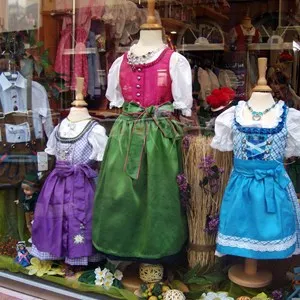
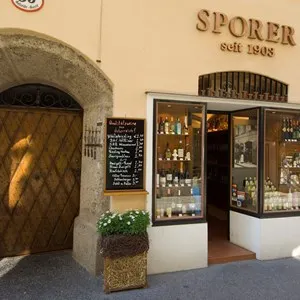
Most shops in Salzburg are open from 8 am to 6 pm, but close for 1-2 hours during lunch. Saturday opening hours are usually from 8 am to noon, many are open on Sundays too.
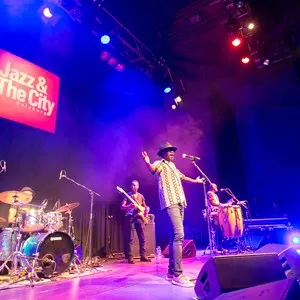
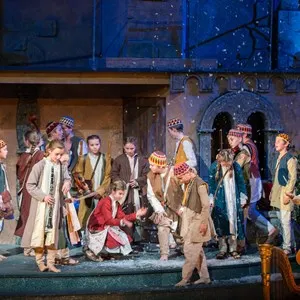
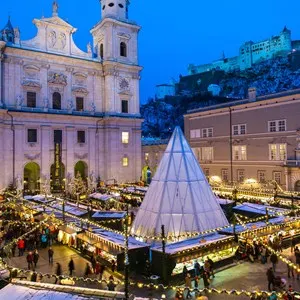
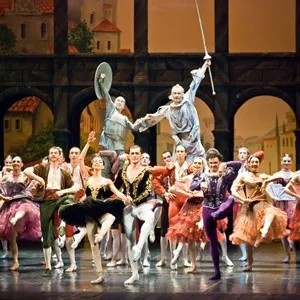
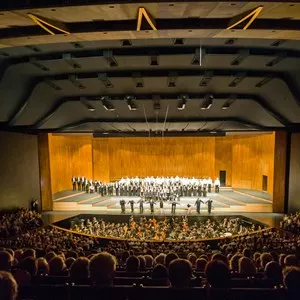
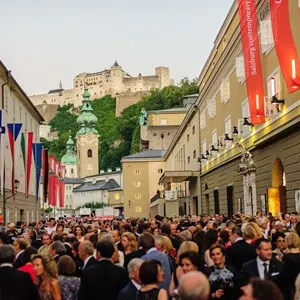








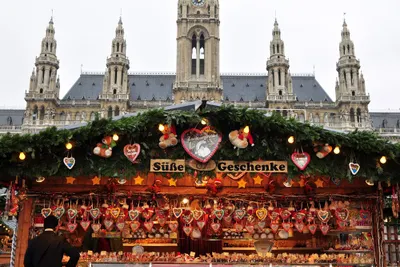
The best time to visit Salzburg is during the spring (April to June) and fall (September to October) when the weather is mild and the city is less crowded. Summer is also popular due to the Salzburg Festival, but it can be busier and more expensive. Winter offers a magical experience with Christmas markets and nearby skiing opportunities.
A stay of 2 to 3 days is ideal to explore Salzburg's main attractions. This allows time to visit the historic Old Town, tour the Hohensalzburg Fortress, explore Mozart's birthplace, and enjoy a day trip to the nearby Salzkammergut region or the Eagle's Nest.
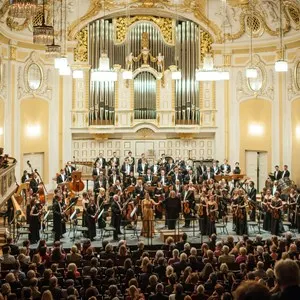
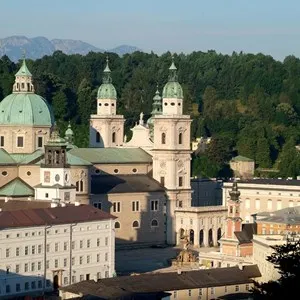
Must-see attractions in Salzburg include the Hohensalzburg Fortress, Mirabell Palace and Gardens, Salzburg Cathedral, and Mozart's Birthplace. Don't miss a stroll through the charming Getreidegasse, a visit to the Hellbrunn Palace with its trick fountains, and a concert at the Mozarteum.
Salzburg is a compact city, and many attractions are within walking distance in the Old Town. Public transportation, including buses and trolleybuses, is efficient for reaching further areas. Consider purchasing a Salzburg Card for unlimited travel and free or discounted entry to many attractions.
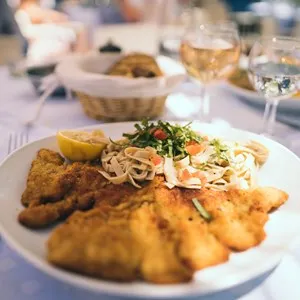
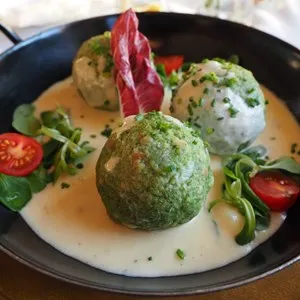
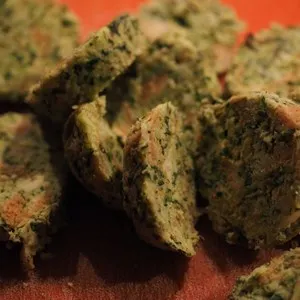
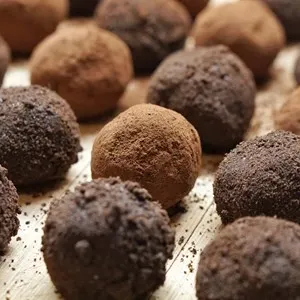
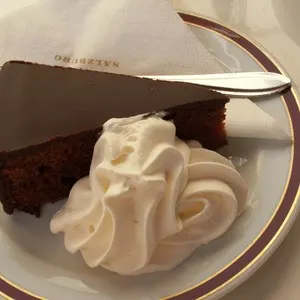
In Salzburg, try traditional Austrian dishes such as Wiener Schnitzel, Tafelspitz, and Salzburger Nockerl, a sweet soufflé dessert. Don't miss the chance to taste local specialties like Kasnocken (cheese dumplings) and the famous Mozartkugel, a chocolate confection named after Mozart.
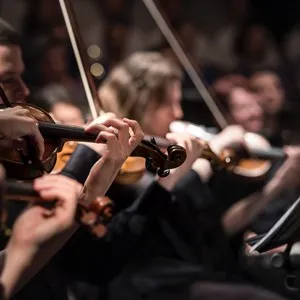
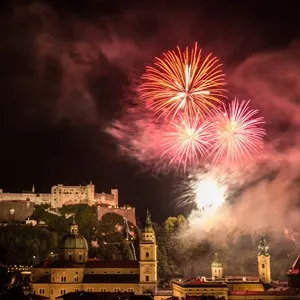
Salzburg hosts several renowned events, with the Salzburg Festival in July and August being the most famous, featuring opera, concerts, and theater. The Salzburg Easter Festival and the Advent markets during Christmas are also popular, offering a festive atmosphere and cultural experiences.
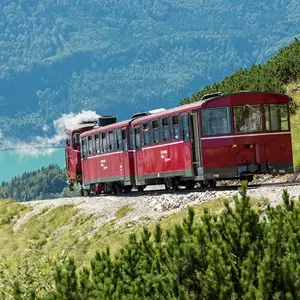
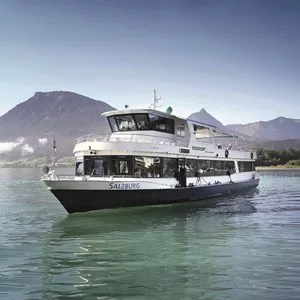
Recommended day trips from Salzburg include visiting the picturesque Salzkammergut region, known for its lakes and mountains, and exploring the charming village of Hallstatt. Other options are a trip to the Eagle's Nest in Berchtesgaden or a visit to the ice caves in Werfen.